Archived: 20 October 2026
Abstract
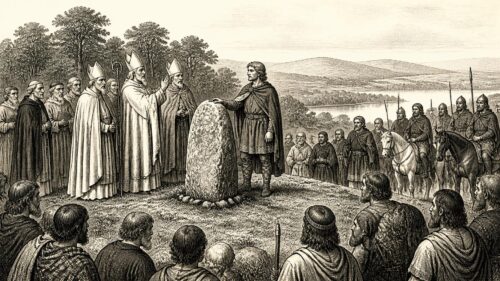
In 1432, Domhnall Bog Ó Néill was killed in Ó Catháin territory, enabling his rival Eóghan, son of Niall Óg, to be inaugurated king of Tír Eóghain at Tullaghoge with clerical and learned support. Eóghan’s alliance with Sligo provoked conflict with Niall Garbh Ó Domhnaill of Tír Conaill, bringing armed diplomacy, Erne crossings, prolonged campaigning, burned settlements and crops. Raids exposed Armagh’s vulnerability, while bishops and learned families remained centres of hospitality, law and memory. Elsewhere, Ormond attacked Éile and Mac Murchadha challenged English power in Leinster. The year revealed fragmented authority, shifting alliances, and legitimacy unable to secure peace.
Read Article
Archived: 20 October 2026
Abstract
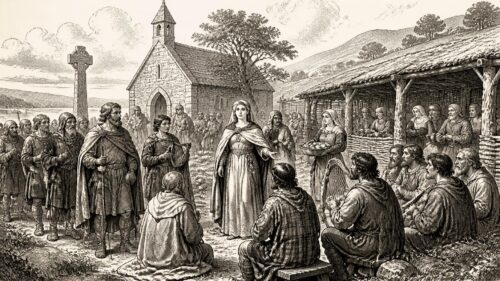
In 1433, regional conflict, diplomacy, famine and patronage shaped Ireland. Eóin Ó Néill, aided by Mac Domhnaill’s Scottish fleet, campaigned against Niall Garbh Ó Domhnaill and MacQuillan in Dufferin, devastating creaghts and burning Ardglass. Negotiations by Niall Garbh’s wife and subordinate rulers halted a proposed attack, while subsequent travel produced peace at Caol Uisce. In Breifne, Mag Raghnaill factional warfare involved paid soldiers. Severe summer famine accompanied notable hospitality by Mag Uidhir and Margaret Ó Cearbhaill. Pope Eugenius IV licensed Franciscan Regular Observance at Quin, reinforcing Mac Conmara patronage and linking local lordship to wider ecclesiastical reform currents across Europe.
Read Article
Archived: 20 October 2026
Abstract
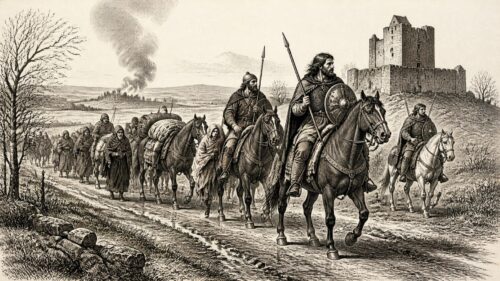
In 1434, Eóghan Ó Néill of Tír Eóghain and Niall Garbh Ó Domhnaill of Tír Chonaill, recently rivals, led a broad Ulster coalition into the English lordship. They exacted tribute at Sradbaile, burned Sliabh Breagh and Oriel, and attacked Nobber Castle. Thomas Stanley’s mounted response allowed Ó Néill’s sons to withdraw safely but trapped Ó Domhnaill’s separated party seeking cattle. His heir Toirdhealbhach and other leaders died, while Niall Garbh was captured, enabling his brother Neachtan to rule. Annals also recorded deaths among churchmen and learned families. Late in the year, severe frost froze major lakes, disrupting life and travel.
Read Article
Archived: 20 October 2026
Abstract
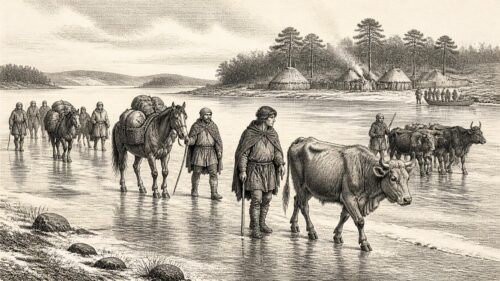
A Winter Made PassableFor Ireland, 1435 opened in a landscape temporarily remade by cold. The annals call it an exceptional frost: lakes and rivers were hard enough to be crossed on solid ice. The Annals of Ulster add an unusually vivid detail from Fermanagh. When Eóghan Ó Néill entered the region with an army, the people of Fir Manach moved cattle, horses carrying loads and other portable goods westward across Lough Erne—not in boats, but over the frozen lake. This was not merely a picturesque curiosity. It changed the practical geography of a frontier lordship. Water that normally protected communities,
Read Article

Archived: 20 October 2026
Abstract
In 1436, Ó Conchobhair Fáilghe launched raids against the English lordship, reportedly avenging the captivity of an Ó Domhnaill kinsman. English settlers of Meath, Ó Fearghail allies and the Prior of Kilmainham defeated him, though conflict continued. In Ulster, Niall Ó Néill was killed in a night attack, while Eóghan Ó Néill secured the crannóg of Loch Laoghaire before raiding Tírhugh. Annals also record local deaths and feuds. The deaths of jurist Gilla-Íosa Mac Aodhagáin and historian Geanann Mac Cruitín, alongside a 1436 Dindshenchas manuscript, attest to enduring learned culture amid fragmented, interconnected warfare and lordship across Ireland's political landscape.
Read Article
Archived: 20 October 2026
Abstract
In 1437, Ireland’s annals recorded regional transitions rather than a national event. Seoan Mac Peorais, Archbishop of Tuam, died, opening a contested ecclesiastical vacancy resolved neither quickly nor simply. Gormlaith Ó Duibgeannáin, wife of Brian Mac Aodhagáin, died as an anchorite at Loch Key, linking learned kinship and religious life. Ulster notices named three deaths, while a cautiously dated peace between Niall Garbh Ó Domhnaill and his brother Neachtan reflected strained northern lordship. Farming, trade and uneven royal authority shaped everyday life. News of James I of Scotland’s assassination demonstrated Ireland’s continuing Irish Sea connections across a politically fragmented island.
Read Article
Archived: 20 October 2026
Abstract
In 1438 Ireland remained divided among Gaelic lordships, Anglo-Irish communities and ecclesiastical jurisdictions, with power shaped by kinship, warfare and office. Archbishop Thomas Crawley died in England returning from the Council of Basel, linking Dublin to Church conflict, while Lionel, Lord Welles, became royal lieutenant. O’Conor Faly fought Meath’s English yet made peace with his brother. Captures, killings and depositions affected Maguires, O’Dowdas, O’Donnells and O’Briens. Deaths of bishops, clerics and heirs from disease disrupted institutions. Prominent jurists, historians and poets also died, demonstrating learned patronage’s continuing public importance. Annals record these crises unevenly rather than a unified national narrative.
Read Article
Archived: 20 October 2026
Abstract
In 1439, Irish politics were shaped by local struggles over captives, castles, succession and recognition. Domhnall Ballach Maguire seized Tomás Óg Maguire at Enniskillen, securing his release only through hostages and control of the castle. Niall Garbh Ó Domhnaill died in English captivity, enabling Neachtan’s succession in Tír Chonaill, although sources dispute where he died. Cathal Ó Conchobair’s death triggered competing claims to Connacht’s kingship and warfare. Dublin suffered plague, while lordship changed through Donnchadh Dubh Ó hEadhra’s religious profession. A reported English deputy’s capture further illustrates fragmented authority, negotiated power and connections across Ireland and the Irish Sea alike.
Read Article

Archived: 20 October 2026
Abstract
Annals for 1440 depict regional political and social change rather than an island-wide event. Walter Burke, Mac William Íochtar of Lower Connacht, died of plague in early September and was promptly succeeded by his brother Edmund, illustrating Gaelicised kin-based succession. Neachtan O’Donnell and Owen O’Neill made peace, temporarily easing northern conflict. In Fermanagh, deaths and killings among Maguire kin revealed interconnected lordly households, while Matthew Mac Craith’s replacement as coarb of St Dabeoc showed hereditary ecclesiastical authority. The deaths of historian Duibhgenn Ua Duibhgennáin and lawyer Domnall Ua Breislen underscored learned orders’ political importance. Sources remain fragmentary and cautiously dated.
Read Article
Archived: 20 October 2026
Abstract
Annals for 1441 chiefly record deaths that exposed the importance of Ireland’s learned, ecclesiastical and lordly networks. Mailin mac Tanaide Ó Maolconaire, eminent historian and ollamh of Síol Muireadaigh, died in mid-February and was honourably buried at Cluain Coirpthe; other scholars, poets and churchmen also died. Conchobar Mac Donnchada, lord of Tír Oilella and patron of poets, was among them. Regional conflict continued through Mag Samradhain feuding, Maguire raids in Fermanagh, and Mac William Uachtarach’s capture of Ó Madden’s Shannon castle. Ecclesiastical offices linked kin, land and learning, while English administration remained significant chiefly in eastern Ireland during this year.
Read Article

