Archived: 26 September 2026
Abstract
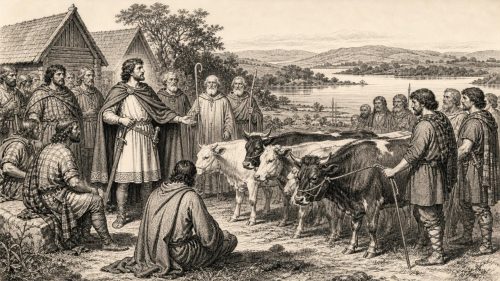
In 1144, Conchobar Ua Conchobair, Tairdelbach of Connacht’s son and king of Meath, was assassinated by Meath conspirators after six months’ rule. Tairdelbach invaded, inflicted heavy losses, accepted 400 cows in compensation, and reorganised Meath between Ua Mael Sechlainn rulers and neighbouring powers. Epidemic claimed his son Tadc and others, while clergy secured the conditional release of imprisoned Ruaidrí Ua Conchobair and mediated peace with Munster. Annals also record aristocratic deaths, kindred violence, Kells burning three times, and losses at Clonard. Events exposed high-kingship’s dependence on local dynasties, hostages, wealth, negotiation and ecclesiastical authority during a year of widespread disruption.
Read Article
Archived: 26 September 2026
Abstract
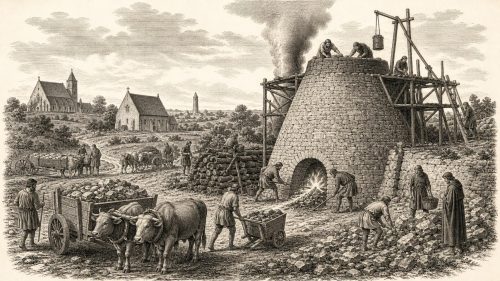
In 1145, Ireland’s contested high-kingship produced widespread warfare, recalled by annalists as a trembling sod. Tairdelbach Ua Conchobair of Connacht faced rebellion from Tigernán Ua Ruairc of Bréifne, Munster offensives and instability in Mide. In the north, Muirchertach Mac Lochlainn regained Cenél nÉogain with support from Cenél Conaill and Airgialla, establishing a powerful rival centre. Campaigns involved battles, cattle raids, burnings, captives and naval conflict on the Shannon, where Connacht defeated Munster and Limerick forces. Amid turmoil, Armagh’s church built a large limekiln, demonstrating ecclesiastical resources, reform and continuing organised construction. The year reshaped, but did not settle, Irish supremacy.
Read Article

Archived: 26 September 2026
Abstract
In 1146, Tairdelbach Ua Conchobair’s contested high-kingship faced warfare across Ireland. After raiding Tethba, his returning army suffered losses when Athlone’s wicker bridge collapsed during an attack, though he retained captured cattle. Connacht defeated a coalition, while Tigernán Ua Ruairc burned Ua Conchobair vessels and Ruaidrí Ua Conchobair campaigned actively. In Brega, Dublin leader Ragnall mac Torcaill was killed, followed by the killing of Cellach Ua Cellaig with Dublin support. Rulers also died in Osraige. Churchman Cormac Ua Cathasaig died amid ecclesiastical reform. Raiding, captives and damaged infrastructure exposed rural communities’ insecurity; a reported December storm remains uncertain in sources.
Read Article

Archived: 26 September 2026
Abstract
In 1129, Toirdelbach Ua Conchobair strengthened his contested high-kingship by building a timber-and-earth castle, and probably a bridge, at Athlone, commanding the Shannon crossing into Meath. Northern politics remained unstable as Magnus Mac Lochlainn briefly displaced Conchobar before being killed, while raids and killings marked wider local conflicts. A severe summer drought caused animal deaths and threatened livestock wealth. Cellach of Armagh died, prompting a prolonged succession dispute between Muirchertach mac Domnaill and reformers backing Malachy. Robbery of Clonmacnoise's rich altar treasures highlighted monastic wealth and vulnerability. These events intertwined royal ambition, warfare, environmental strain, ecclesiastical reform, and regional authority.
Read Article

Archived: 26 September 2026
Abstract
In 1130, Ireland remained politically fragmented, as provincial kings used alliances, hostages, tribute and warfare to extend authority. Toirdelbach Ua Conchobair of Connacht mounted naval raids to Tory Island, Ros Guill and Desmond, demonstrating reach without securing conquest. Conchobar Ua Lochlainn defeated Ulaid, plundered its lands and obtained hostages through a peace at Armagh. Tigernán Ua Ruairc defeated Mide forces, advancing Bréifne's interests. Swords was burned, while Clonmacnoise treasures were recovered in Limerick. Church reform remained contested at Armagh. Warfare damaged communities through captivity and livestock seizure, though annals record an abundant fruit harvest and poet Gilla Pátraic Ua hAireachtaigh.
Read Article

Archived: 26 September 2026
Abstract
In 1131, Toirdelbach Ua Conchobair’s contested high-kingship faced coordinated pressure from Munster, northern rulers and midland rivals. Connacht forces raided Uí Conaill Gabra and Desmond, possibly using a fleet to reach Rosscarbery, while Conchobar Ua Briain campaigned through Leinster and Mide, defeated Connacht cavalry, and took hostages. A northern coalition invaded Connacht but was repelled; subsequent raids exposed its fragility. Conflict continued within Munster, and Clonard was plundered twice. Church leadership and reform remained unsettled, while genealogical scholarship may have advanced. Warfare disrupted communities through demands for cattle, transport, provisions and service, without producing permanent territorial change across the island.
Read Article

Archived: 26 September 2026
Abstract
In 1135, Ireland remained politically fragmented despite Toirdelbach Ua Conchobair’s strong, contested overlordship. Murchad Ua Máelshechlainn asserted Mide’s strategic river power by receiving hostages on the Shannon. Connacht endured dynastic killings, battles, raids and the destruction of Roscommon, while northern Uí Néill rivals, Munster factions and smaller kingdoms pursued warfare and shifting alliances. Malachy strengthened his disputed authority at Armagh by acquiring the Bachall Ísu, advancing church reform. Deaths of leading bishops and clerics, notably at Lismore, marked generational change. Fires damaged ecclesiastical centres, lightning struck towers, and plentiful mast harvest supported food supplies amid rural, maritime and market-based society.
Read Article

Archived: 26 September 2026
Abstract
Ireland in 1137 remained politically fragmented, as Tairdelbach Ua Conchobair of Connacht asserted contested overlordship through warfare and naval power on the Shannon. Rivalries involved Bréifne, Mide, Leinster, Munster and Hiberno-Norse towns. An allied fleet from Leinster, Dál Cais, Dublin and Wexford besieged Waterford, gaining hostages but not conclusively conquering it. Dynastic killing and raids destabilised Mide and Connacht. In the church, Malachy yielded Armagh to reformer Gilla meic Liac. A severe storm and widespread fires damaged communities. Despite violence, trade, maritime capacity, scholarship, artistic patronage and ecclesiastical reform demonstrated a dynamic, connected society within a rapidly changing medieval world.
Read Article

Archived: 26 September 2026
Abstract
In 1138, Ireland’s contested political order produced both stalemate and upheaval. Toirdelbach Ua Conchobair’s coalition confronted Meath, Leinster and Dublin without battle, confirming his reach but not supremacy. In Munster, Cormac Mac Carthaig, royal patron of reform and Cashel’s Romanesque chapel, was murdered through an Uí Briain-backed conspiracy, restoring their over-kingship while preserving Mac Carthaig resistance in Desmond. Raids, killings and crop destruction exposed local rivalries and contributed to famine. Armagh’s new primate, Gilla Meic Liac, visited Munster, while clerical deaths and fires affected churches. At Armagh, Máel Brigte completed a Gospel manuscript, demonstrating enduring scholarship amid conflict and instability.
Read Article
Archived: 26 September 2026
Abstract
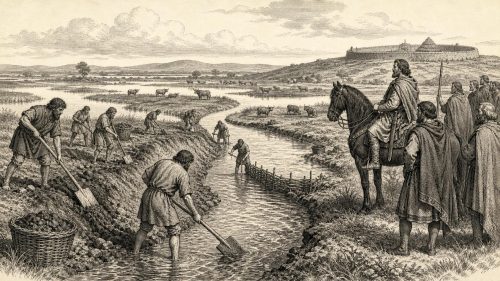
In 1139, Ireland remained politically fragmented, with Tairdelbach Ua Conchobair’s high-kingship dependent on force, alliances and hostages. He demonstrated authority by diverting the River Suck through marshes, strengthening Connacht’s eastern frontier, and by blinding a rival. Across Ireland, dynastic feuds brought killings, church burnings, plundering and violated sanctuary, while Munster’s Uí Briain exploited Cormac Mac Carthaig’s recent death. Church leaders negotiated peace between Munster and Leinster, and Malachy began his journey towards Rome, linking reformers with continental Christianity. Dublin’s religious life developed, poets and clerics died, and ordinary people directly bore warfare, tribute and labour demands during the troubled year.
Read Article
