
Archived: 26 September 2026
Abstract
In 1125 Tairdelbach Ua Conchobair, king of Connacht, extended his supremacy across central and southern Ireland through campaigns, tribute and political appointments. After southern revolts, warfare affected Limerick, Lismore and coastal Munster. He exacted compensation at Aghaboe, asserted influence over Leinster and Dublin, then invaded Meath after Murchad Ua Mael Sechlainn destroyed Shannon bridges. Tairdelbach expelled Murchad and partitioned Meath among dependent rivals, provoking immediate killings and continued instability. Fighting also affected Brega, Airgialla and Connacht. Meanwhile Armagh’s church received a new roof, prominent clerics died, and warfare burdened farming, trade and local communities. His authority remained powerful but insecure.
Read Article

Archived: 26 September 2026
Abstract
In 1110, Ireland remained divided among local and provincial rulers, dominated by Muirchertach Ua Briain of Munster and Domnall Ua Lochlainn of Ailech. Ua Lochlainn raided Connacht, taking many cattle and captives, while its young king, Tairdelbach Ua Conchobair, won at Ros but suffered defeat at Mag Brengair. Elsewhere, the Ulaid plundered Mucnám and regional kings were killed. Dynastic deaths affected Munster and northern alliances. Cellach of Armagh visited Mide, collecting dues and advancing church reform. Learned churchmen also died. Annals chiefly preserve elite violence and religion, while rural farming, trade, craftsmanship and learning sustained wider society throughout the year.
Read Article

Archived: 26 September 2026
Abstract
In 1111 Ireland remained divided among competing rulers, notably Muirchertach Ua Briain in the south and Domnall Ua Lochlainn in the north, while Tairdelbach Ua Conchobair extended Connacht’s influence. Raids, hostage-taking, dynastic conflict and attacks on churches, including Clonmacnoise, demonstrated political instability. The Synod of Ráith Bressail, attended by leading clerics and royal patrons, promoted ecclesiastical discipline and a territorial diocesan framework under Armagh and Cashel, though implementation was uneven. A Meath synod also negotiated church boundaries. Ulaid’s conflict with Cenél nÉogain, harsh winter conditions, and fires at several settlements further affected society, trade and rural livelihoods across Ireland broadly.
Read Article

Archived: 26 September 2026
Abstract
In 1112, rivalry between northern overking Domnall Ua Lochlainn and Munster’s Muirchertach Ua Briain shaped Irish politics. Domnall raided Fine Gall near Dublin, seizing cattle and captives, demonstrating northern power in a prosperous region. Armagh’s enclosure, church and neighbouring quarters burned on 23 March, amid implementation of diocesan reforms agreed at Ráith Bressail. Deaths included leading officers of Derry, Kildare and Clonfert, illustrating enduring ecclesiastical and dynastic institutions. Terryglass and Fore also suffered fires, while a local aristocrat was killed. Conversely, an abundant mast crop aided rural households and pig husbandry, underscoring countryside wealth vulnerable to warfare and disruption alike.
Read Article
Archived: 26 September 2026
Abstract
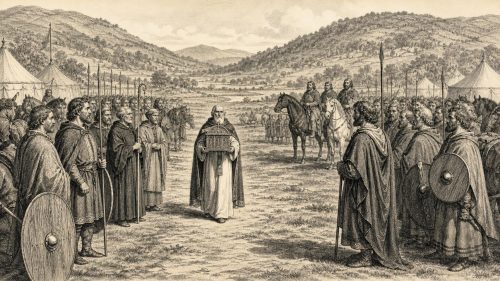
In 1113, Ireland was dominated by rivalry between Muirchertach Ua Briain of Munster and Domnall Ua Lochlainn of Ailech, whose coalitions threatened conflict. Domnall expelled Donnchad Ua hEochada and partitioned Ulaid, while Muirchertach mobilised Leinster and Connacht forces in response. On two occasions Cellach, successor of Patrick at Armagh, prevented battle, ultimately securing a year’s truce with the sacred Bachall Ísu. The events demonstrated Armagh’s ecclesiastical authority amid church reform. Local dynastic killings, cattle mortality, pilgrimage deaths on Croagh Patrick, and shrine-work at Clonmacnoise also reveal instability, devotion, economic vulnerability, and patronage. Neither overking prevailed before Muirchertach’s illness in 1114.
Read Article
Archived: 26 September 2026
Abstract
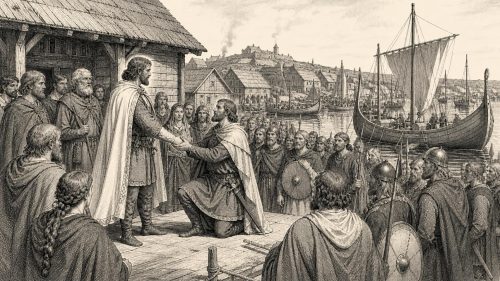
In 1141, Ireland remained a polity where Tairdelbach Ua Conchobair exercised contested high-kingship through raids, fortifications, hostages and submissions. His campaign in the midlands coincided with dynastic killings in Meath and lordships. Leinster’s Diarmait Mac Murchada ordered, or authorised, a purge that killed or blinded leading nobles, securing power but weakening provincial cohesion; he was defeated while raiding Laois. Conchobar Ua Briain gained Dublin, then his forces raided Connacht and destroyed Dún Gaillimhe. Church communities suffered and received protection, while monastic penance and burial bound elites to religious institutions. Cattle-raiding, provisioning, Dublin trade and rivalries underpinned an unstable political order.
Read Article

Archived: 26 September 2026
Abstract
In 1142, Ireland remained politically fragmented despite Toirdelbach Ua Conchobair’s claim to high kingship. His coalition army devastated lands en route to Munster but gained neither cattle nor Munster hostages. Conchobar Ua Briain died, enabling his brother Toirdelbach to take Munster amid dynastic conflict, while Muirchertach Mac Lochlainn fought in the north and Ottir from the Hebrides assumed Dublin’s leadership. Raiding, crop destruction, church burnings and clerical deaths exposed insecurity affecting rural and religious life. Mellifont Abbey, founded by Malachy Ua Morgair with Donnchad Ua Cerbaill’s patronage, introduced Ireland’s first Cistercian house, linking native reform, politics and Clairvaux’s continental network.
Read Article

Archived: 26 September 2026
Abstract
In 1143 Tairdelbach Ua Conchobair, Connacht’s dominant king, deposed Murchad Ua Máelshechlainn of Mide despite sacred guarantees, installed his son Conchobar, and provoked clerical condemnation. His authority was equally strained by the imprisonment of another son, Ruaidrí, despite ecclesiastical sureties, and by Munster’s contested incursion into south Connacht. In the north, Muirchertach Mac Lochlainn was temporarily expelled. Annals also record raids, destructive fires at major settlements, and church land transactions. The year revealed intertwined kingship, ecclesiastical power and local economies, while highlighting unreliable chronologies and conflicting annalistic accounts. Religious reform advanced through Mellifont and St Malachy alongside older sacred customs.
Read Article
Archived: 26 September 2026
Abstract
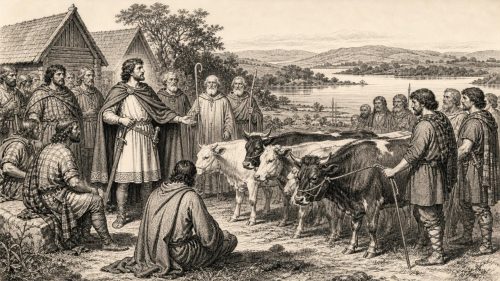
In 1144, Conchobar Ua Conchobair, Tairdelbach of Connacht’s son and king of Meath, was assassinated by Meath conspirators after six months’ rule. Tairdelbach invaded, inflicted heavy losses, accepted 400 cows in compensation, and reorganised Meath between Ua Mael Sechlainn rulers and neighbouring powers. Epidemic claimed his son Tadc and others, while clergy secured the conditional release of imprisoned Ruaidrí Ua Conchobair and mediated peace with Munster. Annals also record aristocratic deaths, kindred violence, Kells burning three times, and losses at Clonard. Events exposed high-kingship’s dependence on local dynasties, hostages, wealth, negotiation and ecclesiastical authority during a year of widespread disruption.
Read Article
Archived: 26 September 2026
Abstract
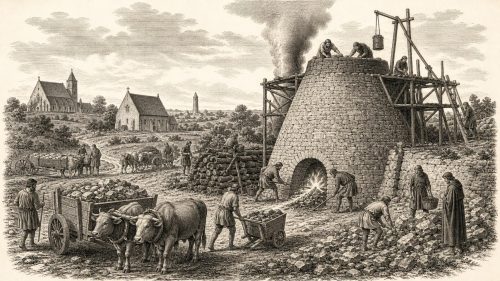
In 1145, Ireland’s contested high-kingship produced widespread warfare, recalled by annalists as a trembling sod. Tairdelbach Ua Conchobair of Connacht faced rebellion from Tigernán Ua Ruairc of Bréifne, Munster offensives and instability in Mide. In the north, Muirchertach Mac Lochlainn regained Cenél nÉogain with support from Cenél Conaill and Airgialla, establishing a powerful rival centre. Campaigns involved battles, cattle raids, burnings, captives and naval conflict on the Shannon, where Connacht defeated Munster and Limerick forces. Amid turmoil, Armagh’s church built a large limekiln, demonstrating ecclesiastical resources, reform and continuing organised construction. The year reshaped, but did not settle, Irish supremacy.
Read Article
