
Archived: 22 October 2026
Abstract
In 1361, Lionel of Antwerp, Edward III’s son and earl of Ulster, arrived in Ireland as royal lieutenant with troops to reinforce the threatened English lordship. Landing at Dublin in September, he campaigned in Leinster, where Gaelic rulers remained powerful. Irish annals recorded the deceptive seizure and subsequent custodial deaths of Art Mac Murchadha and Domnall Riabach, though details remain uncertain. Lionel transferred the Exchequer to fortified Carlow, creating a forward administrative and financial base without displacing Dublin’s importance. Meanwhile, the widespread epidemic Cluiche an Rí, probably pestis secunda, intensified economic and military pressures, demonstrating the limitations of royal intervention.
Read Article
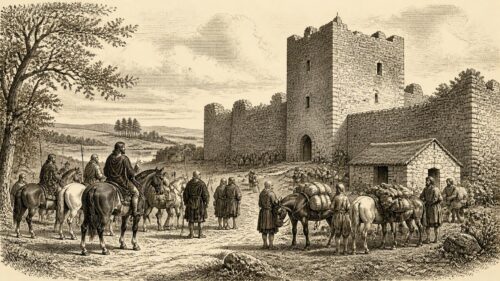
Archived: 22 October 2026
Abstract
In 1362, Ireland was divided among competing Gaelic and English authorities. Cathal Óg Ó Conchobair and King Aodh of Connacht captured Ballintober Castle, an important former de Burgh stronghold, then led a major raid into Meath, burning churches and causing extensive damage before returning safely. Meanwhile, Lionel of Antwerp held parliament in Dublin, oversaw administration, including the exchequer’s move to Carlow, and received the title duke of Clarence. Cathal Óg later died of plague at Sligo. Annals also recorded deaths among churchmen and learned families, revealing continuing religious, legal and scholarly institutions amid warfare, epidemic and unstable regional power relations.
Read Article

Archived: 22 October 2026
Abstract
In 1363, Ireland comprised overlapping political worlds rather than a unified realm. Lionel of Antwerp, Edward III’s lieutenant, received English money, troops and lordship revenues to sustain royal authority, while regulation of purveyance and weights addressed administrative abuses. Dublin remained crucial: Lionel granted civic liberties on 26 September, confirmed by Edward in November, strengthening the Guildhall’s jurisdiction and commercial governance. Elsewhere, annals recorded deaths of Magnus Ó Domhnaill and Áed Mag Uidir, killings, captivity and inter-kindred conflict in Connacht and neighbouring regions. A severe windstorm damaged churches and houses and sank vessels, disrupting communities, trade and transport networks across waterways.
Read Article
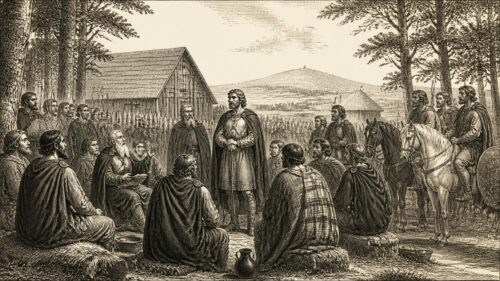
Archived: 22 October 2026
Abstract
In 1364, Ireland experienced interconnected transitions rather than a single crisis. Aodh Reamhar Ó Néill, influential king of Tír Eoghain, died and was succeeded by Niall Mór, whose position rested on dynastic support and military power. Diarmait Ó Briain of Thomond and several regional lords, heirs, women and learned figures also died, altering local networks. Lionel of Antwerp campaigned in Laois before returning to England; James Butler of Ormond governed temporarily amid tensions between English-born and Irish-born settlers. Annals, some uncertainly dated, record raids, alliances and mercenary warfare in western regions, revealing power sustained through lordship, kinship, resources and learning.
Read Article
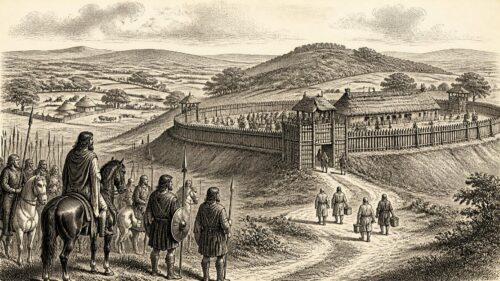
Archived: 22 October 2026
Abstract
In 1365, Niall Ó Néill, newly king of Tír Eógain, led a coalition into Oriel, besieging Brian Mac Mathghamhna before an unauthorised assault shattered the settlement and killed allies. Dynastic contention also reshaped Connacht, Magh Luirg and East Bréifne, where deaths, accessions, warfare and Cú Chonnacht Ó Raghallaigh’s religious retirement altered lordship. Raids on border communities demonstrated the human cost of rivalry. Ecclesiastical leaders and learned travellers remained active across Irish Sea networks. In the English lordship, Lionel of Antwerp briefly returned England, while Thomond’s rulers submitted diplomatically. The year reveals authority as negotiated through warfare, kinship, religion and accommodation.
Read Article
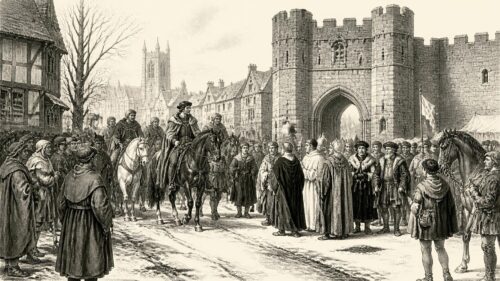
Archived: 22 October 2026
Abstract
In 1366 Lionel of Antwerp, Edward III’s lieutenant, summoned a parliament at Kilkenny to reinforce the weakening English lordship of Ireland. Its Statutes sought to separate English and Irish inhabitants by restricting intermarriage, fosterage, language, dress, law, ecclesiastical office and cultural exchange. They also regulated warfare, military service, abuses, markets, land, sport and church authority, exposing anxieties about defence and administration. The measures chiefly targeted the lordship rather than Gaelic Ireland and indicate cultural contact rather than achieved control. Contemporary annals record regional conflicts and shifting lordships beyond royal reach. Lionel’s November departure demonstrated the statute’s limits amid Ireland’s diversity.
Read Article
Archived: 22 October 2026
Abstract
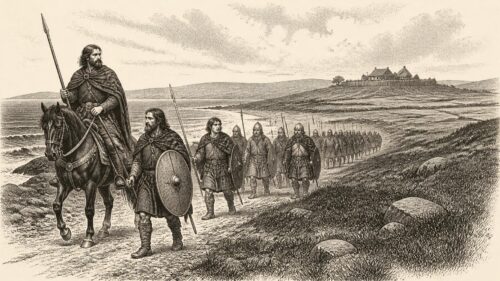
In 1367, fragmented political authority shaped Ireland, as English lordship coexisted with powerful Gaelic and Gaelicised dynasties. Following the 1366 Statutes of Kilkenny and Lionel’s departure, Gerald FitzGerald, earl of Desmond, became justiciar, governing with limited resources. In Connacht and Breifne, Clann Muirchertaigh’s armed movement, the burning of a Mac Diarmata stronghold, and counterattacks demonstrated endemic warfare. At Traigh Eothuile, or Beltra Strand, Domnall Ó Conchobair’s coalition destroyed Tadc Ó Conchobair’s gallowglasses. Dynastic violence also killed Derbail Mac Diarmata. In Breifne, Cú Chonnacht Ó Raigillig relinquished lordship for religious life, while several prominent churchmen and learned figures died that year.
Read Article
Archived: 22 October 2026
Abstract
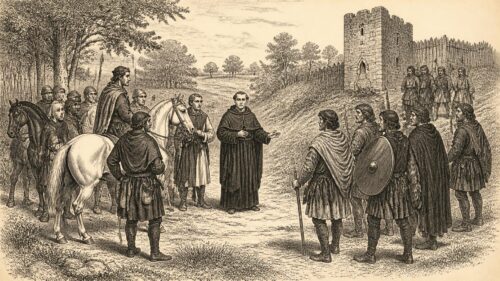
In 1368, Irish authority remained fragmented and precarious. Aed Ó Conchobair, king of Connacht, died at Roscommon and Ruaidri Ó Conchobair succeeded amid partition, contested claims, disease and the killing of Tadc Ó Conchobair, which deepened dynastic hostility. In Oriel, Niall Ó Néill accepted Brian Mac Mathghamhna’s submission, but unauthorised allies attacked and were defeated with heavy losses. In Kildare, Berminghams captured royal chancellor Thomas de Burley and other officials, securing his exchange for an imprisoned kinsman and ransoms. On 17 October, fire destroyed St Mary’s monastic church at Trim. Together, these events show institutions dependent on unstable personal alliances.
Read Article
Archived: 22 October 2026
Abstract
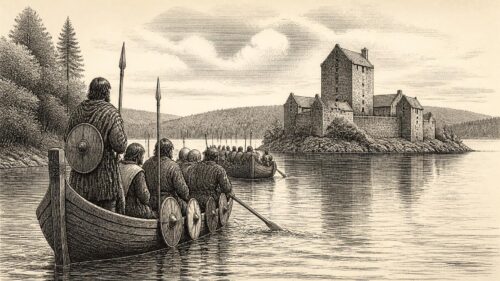
In 1369, Ireland’s contested lordships were shaped by dynastic conflict, royal administration and ecclesiastical change. Pilib Ó Raghallaigh, king of east Breifne, was imprisoned by nephews at Lough Oughter, but his son-in-law, Pilib Maguire of Fermanagh, captured the island castle by boat and restored him. Allied resistance had earlier failed at Blencup. William Windsor arrived as royal lieutenant, summoned a Dublin parliament, and executed Diarmait Mac Murchadha and his designated successor, demonstrating force without securing Leinster. In Thomond, Mathghamhain Ó Briain died and Brian Sreamhach succeeded. Church deaths in Oriel and Breifne underscored political importance. Alliances and waterways shaped power.
Read Article
Archived: 22 October 2026
Abstract
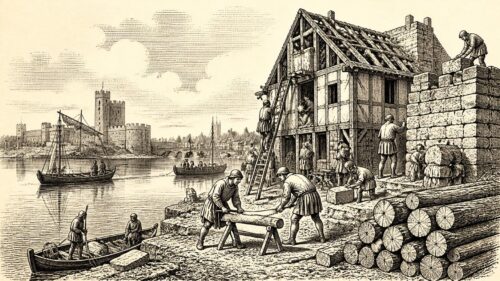
In 1370, Brian Sreamhach Ó Briain defeated and captured Gerald FitzGerald, earl of Desmond, near Monasternenagh, then pressured Limerick, which was burned and briefly placed under Mac Conmara control. King’s lieutenant William of Windsor secured Desmond’s release, recovered the city and agreed reparations of cattle and timber. His government, hampered by inadequate funds, also faced fighting in Wicklow. Elsewhere, Niall Mór Ó Néill consolidated Tyrone through hostages, land grants, marriage and victory over Brian Mór Mac Mathghamhna. Captures, succession disputes and raids in Breifne and Leinster further demonstrated that Irish power rested on local alliances, coercion, resources and negotiated settlements.
Read Article

