Archived: 22 October 2026
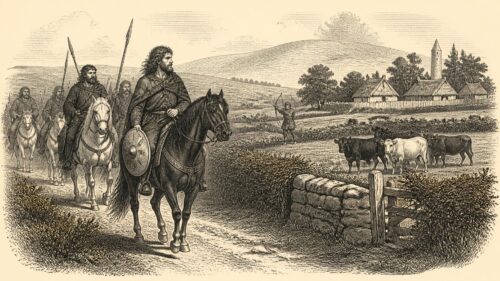
Abstract
In 1371, Ireland remained politically fragmented, with royal, urban, Anglo-Irish, Gaelic and ecclesiastical authorities competing through law, warfare, patronage and local alliances. Dublin successfully petitioned Edward III against exactions imposed by lieutenant William de Windsor. In Ormond, Murchadh Ó Madden was killed by an exceptional arrow-shot, while Brian Ó Cennétig died amid regional conflict. Tadhg Óg Ó Conchobair was murdered after captivity in Sligo Castle. Annals associate Domhnall Ó Dubhda with capturing north Connacht castles and redistributing land. Archbishop John Ó Gráda died, plague claimed musician Amlaim Mac Senaig, and obituaries stressed hospitality, learning, patronage and genealogical memory across Ireland.
Read Article

Archived: 22 October 2026
Abstract
Records for 1372 reveal Ireland’s overlapping Gaelic, Hiberno-English and royal jurisdictions. Sir William Windsor left the lieutenancy in March, succeeded by Gerald FitzGerald, while Robert Ashton became justiciar in June amid inquiries into Windsor’s administration. Annals commemorate Brian Mór Mac Mathghamhna’s treacherous killing, although sources dispute whether it occurred in 1371 or 1372; his death affected Oriel’s politics. Seoán Mór Ó Dubhagáin, historian to Uí Mhaine, died at Rinn Dúin, where Gaelic scholarship met a former colonial settlement. Deaths, succession, capture and conflict in Connacht and the midlands further demonstrate political, social and religious interdependence, while underscoring annalistic chronology’s limitations.
Read Article
Archived: 21 October 2026
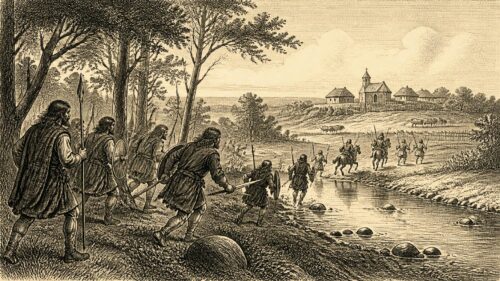
Abstract
In 1373, Irish annals record violence across contested lordships rather than a national campaign. Meath raiders killed Ruaidrí Ó Fergail, his son and followers in Annaly; Donnchad Ó Fergail pursued them, inflicted losses, but was slain by an arrow and his men defeated. Elsewhere, William Dalton and Meath’s sheriff were killed, while Connacht disputes brought treachery, hostage killing and injury. Dynastic murders affected Maguire and de Burgh figures. Deaths of noblewomen, churchmen, historians and poets reveal interconnected elites and learning. A destructive wind damaged churches. These entries portray overlapping Gaelic, settler and administrative powers, with chronology sometimes uncertain in places.
Read Article

Archived: 21 October 2026
Abstract
In 1374, Ireland was shaped by contested local lordships rather than unified conflict. Cú Choicriche Óg Mac Eochagáin, chief of Cenél Fiachach, was murdered near Athlone while accompanying the Bishop of Meath; his killer was brutally executed. William de Windsor returned as royal lieutenant, but crown authority remained limited. Connacht saw Theobald Burke, Mac William’s heir, killed by Uí Maine, while Annaly warfare claimed Máel Sechnaill Ó Fearghail. Feuds followed disputed killings. Annals also record Niall Ó Néill’s victory over Ulster settlers, though its date is uncertain. Deaths including historian Máel Sechnaill Ruad Ó Duibhgeannáin underline violence and fragmented authority.
Read Article
Archived: 21 October 2026
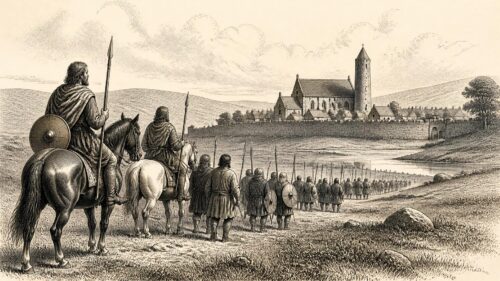
Abstract
In 1375, Ireland’s fragmented political order was revealed through warfare, succession, negotiation and administration. Niall Ó Néill defeated the English or Anglo-Irish of Downpatrick, killing Sir James of Malahide and others, demonstrating northern Gaelic strength. In Leinster, Donnchad Caemánach Mac Murchada was treacherously killed, opening the way for Art Mór’s later rise. Connacht rivals exchanged Roscommon and Ballintober castles, while Thomas succeeded Sir Edmund Albanach Mac William Burke. Raids, betrayals and kin killings exposed local insecurity. Annals recorded religiously framed deaths and poet Máel Sechlainn Ó Domhnalláin. William de Windsor’s cash-strapped administration operated as Edward III sought support at Westminster.
Read Article
Archived: 21 October 2026
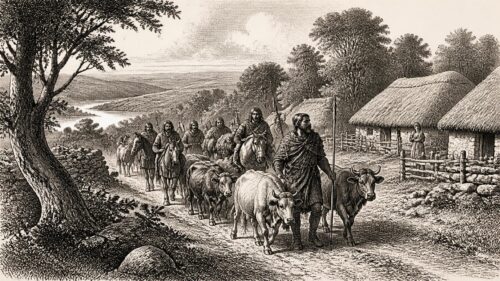
Abstract
In 1376, Sir William Windsor’s recall from Ireland followed resistance to his taxation and administration, as communities defended their customary right to consent. Maurice FitzGerald and then James Butler replaced him, but weakness persisted there. Warfare continued: English forces raided Annaly, whose O’Farrell lord retaliated with destructive incursions; Bran Ó Broin regained Wicklow and Newcastle castles; and northern lords faced captivity and death. Tadhg Ó Ruairc of West Breifne died, succeeded by his brother Tighearnán. Annals also recorded deaths among distinguished Gaelic historians, poets and ollamhs, underscoring the resilience of learned institutions amid fragmented authority, frontier conflict and contested lordship.
Read Article
Archived: 21 October 2026
Abstract
In 1377, Ireland’s regional lordships experienced warfare, fortification, religious loss and constitutional change. Clann Cuilein defeated Richard Burke’s Clanricarde force in Thomond, while Ruaidhrí Ó Conchobair overcame an alliance of Mac William Burke and Uí Maine at Roscommon. In Moylurg, war between Mac Diarmata and Ruaidhrí brought killings and the burning of crops and buildings, before peace and compensation. John O’Ferrall built Lissardowlin Castle in Annaly. Assaroe monastery burned, and prominent clerics and lords died. Edward III’s death, Richard II’s succession, and Robert Wikeford’s chancellorship affected Dublin government, whose authority coexisted with powerful local networks and military retinues across Ireland.
Read Article

Archived: 21 October 2026
Abstract
In 1378, Ireland comprised overlapping political worlds rather than a unified national arena. Around Dublin, the English lordship defended Tallaght against O’Byrne pressure with 120 hobblers, compensated raid losses, mobilised tenants, regulated arms, and guarded Carlow during parliament. Exchequer officials collected debts, valued royal lands and administered payments, demonstrating limited but active government in core counties. Annalistic accounts record killings, rival successions and alliances among Burke, Mac Raghnaill, O’Rourke, Maguire and other lordships. Deaths of a bishop in Rome, scholars, poets and legal authorities reveal ecclesiastical and learned networks. Fragmentary sources portray power as military, fiscal, familial, scholarly and local.
Read Article
Archived: 21 October 2026
Abstract
On 31 May 1379, Niall Mór Ó Néill defeated Pilib Mag Uidhir, lord of Fir Manach, and Domnall Ó Néill at Dreach, probably near Kinawley. Annals record serious Maguire losses but not the battle’s course. The victory asserted Ó Néill influence without ending Fir Manach’s power. Subsequent killings, including that of Pilib’s son Cú Chonnacht, exposed fragile lordships and kin rivalries. Notices of Gaelic, English and Hiberno-English elites, marriage alliances, church officers and learned figures reveal a plural political society. Edmund Mortimer’s October appointment as lieutenant foreshadowed intervention, though he arrived only in 1380. Ordinary people's experiences remain largely unrecorded.
Read Article
Archived: 21 October 2026
Abstract
In 1380 Edmund Mortimer, Richard II’s lieutenant and claimant to Ulster and Connacht, brought military resources and royal authority to Ireland. Gaelic rulers, notably Niall Mór Ó Néill, initially accommodated him, but Mortimer’s treacherous arrest of Art Mág Aonghusa damaged confidence and exposed limits to his influence. Campaigning in Ulster coincided with dynastic killings, territorial conflicts and successions among Gaelic and Anglo-Irish lordships across Ireland. In Dublin, Mortimer summoned parliament, secured clerical taxation for defence, and enforced discriminatory religious admissions rules. Murage at Ardee and ecclesiastical deaths reflect administrative and social continuity. The year demonstrated Ireland’s fragmented, contested political order.
Read Article

