Archived: 20 October 2026
Abstract
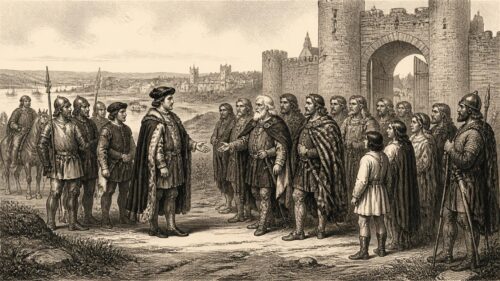
In 1449 Richard, duke of York, arrived in Ireland as Henry VI’s lieutenant, combining royal office with extensive Irish lordships. At Drogheda, he concluded an agreement with Énrí Ó Néill, backed by Eóghan Ó Néill, exchanging military support for protection. York received earls, negotiated hostages from Meath and demonstrated government through personal alliances rather than conquest. Elsewhere, disputed successions destabilised Breifne, while warfare involved Ó Néills, MacQuillans, Scottish connections and Cenél Conaill. Annals also record religious renunciation, dynastic deaths and learned families. The year reveals a plural political landscape, where English administration and Gaelic rulers formed shifting, pragmatic coalitions locally.
Read Article
Archived: 21 October 2026
Abstract
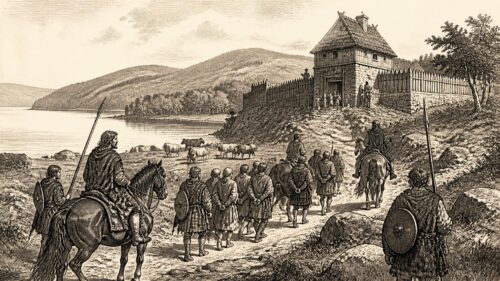
In 1410, Ireland’s political map was not a single kingdom directed from one capital but a field of overlapping lordships, kin-groups, towns and ecclesiastical territories. The year’s most striking recorded episode was the seizure of Domnall Ó Néill, lord of Tír Eógain, by Brian Mac Mathghamhna. Yet the annals also preserve a wider pattern: rulers and heirs dying, castles changing hands, cattle being driven away, a captive rival dying in Munster, and succession being managed amid danger. Taken together, these entries show how authority depended on personal alliances, control of strongpoints, inherited claims and the ability to reward followers.The surviving
Read Article
Archived: 22 October 2026
Abstract
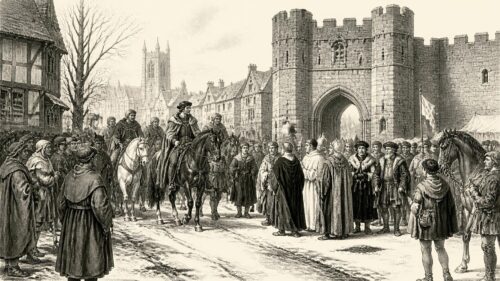
In 1366 Lionel of Antwerp, Edward III’s lieutenant, summoned a parliament at Kilkenny to reinforce the weakening English lordship of Ireland. Its Statutes sought to separate English and Irish inhabitants by restricting intermarriage, fosterage, language, dress, law, ecclesiastical office and cultural exchange. They also regulated warfare, military service, abuses, markets, land, sport and church authority, exposing anxieties about defence and administration. The measures chiefly targeted the lordship rather than Gaelic Ireland and indicate cultural contact rather than achieved control. Contemporary annals record regional conflicts and shifting lordships beyond royal reach. Lionel’s November departure demonstrated the statute’s limits amid Ireland’s diversity.
Read Article
Archived: 23 October 2026
Abstract
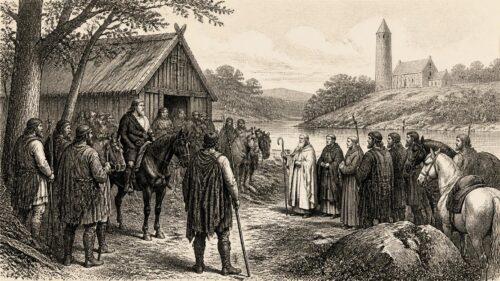
In 1356, Áed son of Toirrdelbach Ó Conchobair was killed at Baile Locha Deacair after allegedly abducting Donnchad Carrach Ó Cellaig’s wife, prompting allied retaliation by Ó Cellaig, Clann an Bhaird and Uí Maine. Áed son of Feidlim claimed full kingship of contested Connacht amid further dynastic deaths. Killings and successions elsewhere, including Tír Chonaill, reflected fragmented lordship. In Dublin, Justiciar Maurice fitz Thomas FitzGerald died, and Gearoidín Tyrrell was publicly executed. The deaths of Armagh’s primate, Clogher’s bishop and relic-keeper Solam Ó Melláin marked ecclesiastical losses. Sources document political violence but cannot establish precise circumstances or wider economic conditions.
Read Article
Archived: 23 October 2026
Abstract
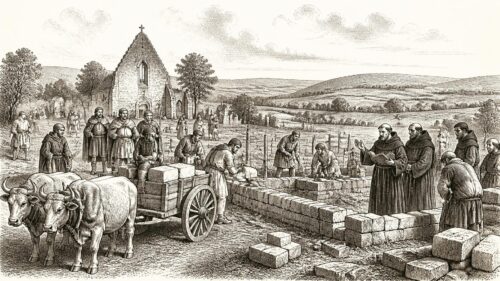
Medieval Ireland in 1353 appears through diverse, sometimes conflicting records. The Four Masters date William Buí Ó Ceallaigh’s Franciscan foundation at Kilconnell to this year, although Franciscan tradition proposes 1414 and surviving fabric reflects later patronage. The friary linked Gaelic lordship, Latin Christianity and local social life. Annals record Áed Ó Conchobair’s deposition in Connacht, other dynastic deaths and killings across the midlands and Ulster, while differing chronologies complicate dating. Pope Innocent VI reportedly settled Armagh and Dublin’s primacy dispute. Youghal received trading privileges in England and Wales. Together, these notices reveal politically fragmented yet religiously and commercially interconnected Ireland.
Read Article
Archived: 24 October 2026
Abstract
In 1285, records from Connacht and Bréifne depict contested local power rather than a national crisis. Magnus Ó Conchobair defeated Adam Cusack’s settler force at Ballysadare, killing many and capturing Colin Cusack, but Pilib Mac Gosdelb soon routed Magnus’s followers at Sliabh Gamh, with heavy losses among lesser levies. Ruaidrí Ó Gádra, king of Sliabh Lugha, was killed by Mac Feorais near Lough O’Gara. Simon Ó Ruairc, bishop of Bréifne, died, as did Alis, daughter of Cormac, and Enri Mac Gilla Finnein. Annals emphasise fluid alliances, strategic routes, hostage-taking, and precarious lordship, while warning against chronologically misplaced later annalistic entries.
Read Article
Archived: 25 October 2026
Abstract
Walter de Burgh, earl of Ulster and lord of Connacht, died at Galway in July 1271, leaving his young heir Richard vulnerable during a minority. His death coincided with Áed mac Fedlimid Ó Conchobair’s destruction of castles at Templehouse, Sligo and Athleague, weakening de Burgh authority across Connacht. Killings in Connacht, Annaly, Oriel and the Breifne borderlands further revealed fragmented lordship and shifting local alliances. Annalistic notices also record religious deaths, penitence and burial, reflecting political and spiritual culture. Although Anglo-Norman power endured, 1271 reduced its capacity while Áed’s Gaelic kingship remained formidable, making the year a significant turning point.
Read Article
Archived: 1 November 2026
Abstract
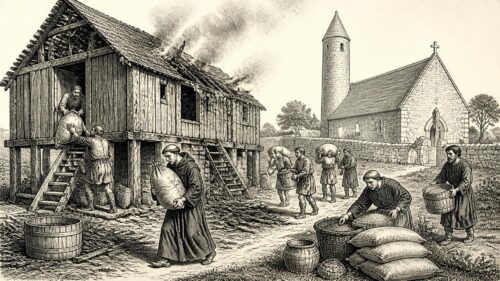
In 746, Irish annals recorded the violation of sanctuary at Domnach Pátraic, where six unnamed captives were hanged, exposing the religious and political weight of ecclesiastical protection. They also noted local warfare, including deaths among rival leaders, defeat of the Conmaicne, slaughter among southern Uí Briúin, and kin-slaying at Les Mór. Obits of abbots, bishops and rulers reveal a dispersed network of churches and regional powers. The Four Masters record fire damage to half Clonard’s granary, highlighting institutional resources and vulnerability. Notices concerning Domnall Midi’s era and dragons seen in the sky further convey a fragmented, unsettled Ireland in transition.
Read Article
Archived: 1 November 2026
Abstract
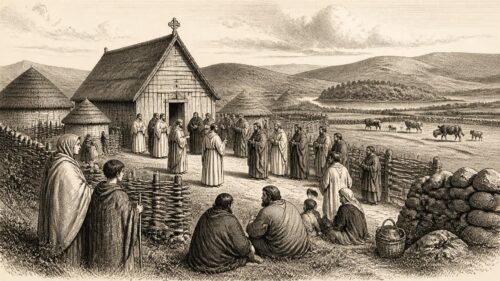
In 699, the Annals of the Four Masters record the death on 30 March of Colmán of Linn Ua Chaille, though his office remains unknown. They also assign deaths of Ailill, king of Munster, and Conall of Uí Fhidgeinte, and Írgalach’s killing of Niall Ua Cernach in Brega. Parallel annals date these political events shortly later, demonstrating chronological divergence in transmitted records. The notices illuminate ecclesiastical commemoration, unstable dynastic authority and aristocratic violence. Set after the synod of Birr, they also evoke a rural society where churches, kinship, cattle, agricultural production and local kingship shaped everyday life and political power.
Read Article





