
Archived: 25 October 2026
Abstract
In 1267, Connacht and neighbouring districts experienced raids, destruction and political uncertainty rather than a single campaign. Drumcliff, an important ecclesiastical centre and settlement in present-day County Sligo, was completely burned with its churches, although attackers and casualties remain unknown. West Connacht Foreigners raided Carbury and Ballysadare, while Mac William Burke plundered Áed Ó Conchobair’s lands. Murchad Mac Suibne was captured in Umhall, delivered to Walter de Burgh, and died in prison. Áed recovered from grave illness amid several dynastic deaths. Bishop Romanus of Clonfert sought the pope, while annals also noted Munster murder and England’s continuing baronial civil war.
Read Article

Archived: 25 October 2026
Abstract
In 1265, Connacht underwent rapid political and military change. King Fedlimid Ó Conchobair died and was buried at the Dominican priory in Roscommon, while his son Áed na nGall succeeded him, asserted authority through a destructive hosting into Uí Fhailge, and eliminated a dynastic rival by blinding. Áed also led the demolition of castles at Sligo, Bannada and Ráth Ard Craibe, challenging Anglo-Irish lordship, though Sligo was soon rebuilt. Ballintober Abbey burned, under unknown circumstances. Deaths and elections altered church leadership, and negotiations at Kilmaine ended in killings. Wider Anglo-Irish conflicts influenced Connacht’s unstable balance of power during this year.
Read Article

Archived: 25 October 2026
Abstract
In 1263 Walter de Burgh received the earldom of Ulster from Lord Edward, strengthening his claims while facing persistent resistance in Connacht. His Roscommon expedition against Fedlimid Ó Conchobair failed to secure plunder and suffered losses in an ambush. De Burgh built a castle at Ath in Gail, Corann, seeking durable control of a contested district. Donn Ó Breisléin was murdered in Raphoe’s episcopal court. Deaths among bishops and monastic leaders, papal revenue demands, a notably hot summer, and northern sea connections were recorded. Conflicting annal dates caution against certainty over a Desmond expedition, whose chronology remains uncertain in sources.
Read Article

Archived: 25 October 2026
Abstract
In 1253, Sligo gained a Dominican friary and consecrated cemetery, establishing a centre for preaching, learning, burial and patronage in a strategic Geraldine settlement. The foundation reflected mendicant expansion supported by both Anglo-Irish and Gaelic rulers, also evident at Roscommon. Politically, Maurice FitzGerald’s Anglo-Irish expedition into Tír Eógain failed to secure hostages from Brian Ó Néill, demonstrating limits to colonial power and strengthening Ó Néill’s position. Church notices recorded deaths of leading bishops and construction of an episcopal residence at Elphin. Annals described a notably productive summer, while December royal orders sought Irish military and logistical aid for threatened Gascony.
Read Article

Archived: 26 September 2026
Abstract
In 1201, Ireland experienced interconnected struggles for kingship, lordship and ecclesiastical authority. In Connacht, Cathal Crobderg Ua Conchobair, aided by northern rulers and John de Courcy, failed to dislodge his kinsman Cathal Carrach, who received William de Burgh’s support. De Courcy’s subsequent defeat near Kilmacduagh and arrest by the de Lacys revealed rivalries among Anglo-Norman magnates. Ulster saw the killing of Ruaidhrí Mac Duinnsléibe and dynastic change in Cenél nEógain. In Munster, de Burgh campaigned with Ua Briain princes before churchmen mediated peace. King John redistributed lordships, while episcopal deaths and papal activity heightened institutional uncertainty. Conflict remained unresolved thereafter.
Read Article
Archived: 26 September 2026
Abstract
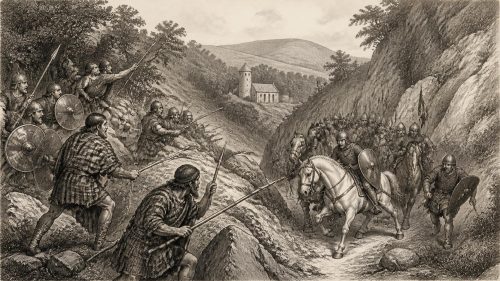
In 1188, John de Courcy led a broad Anglo-Norman expedition into Connacht, supported by Conchobar Ua Diarmata, but Conchobar Máenmaige Ua Conchobair and Domnall Mór Ua Briain defeated it near the Curlew Mountains after destructive raids through north Connacht. The failure confirmed limits to settler power and strengthened Conchobar briefly before his murder in 1189. Elsewhere, raiders from Magh Coba killed Ailech’s king Domnall Ua Lochlainn despite defeat, while Ruaidrí Ua Canannáin was murdered. Annals also record clerical deaths, pilgrimages, and domestic tragedy. Gerald of Wales’s Topographia circulated, promoting colonial assumptions challenged by annalistic evidence of complex, resilient Irish society.
Read Article

Archived: 26 September 2026
Abstract
In 1187, Ireland remained politically divided between Gaelic kingdoms and Anglo-Norman lordships, whose frontier was weakened after Hugh de Lacy’s death. Conchobar Máenmaige Ua Conchobair and Máel Sechlainn Bec destroyed Killare castle in western Meath, gaining arms and challenging colonial expansion. Northern dynastic warfare included Ruaidrí Ua Flaithbertaig’s death and reprisals after Drumcliff’s plunder by a mixed Gaelic-Norman force. Lightning or fire devastated the Rock of Lough Key, killing many inhabitants and straining Moylurg’s ruling family during succession. Churchmen, scholars and monastic foundations reflected reform and regional connections, while trade, agriculture and cross-cultural alliances shaped life amid conflict and recovery.
Read Article
Archived: 26 September 2026
Abstract
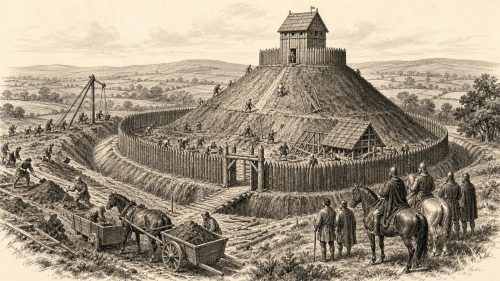
Ireland in 1181 remained politically fragmented among Gaelic kingdoms, Norse-Irish towns, church lordships and expanding Anglo-Norman territories. Henry II recalled Hugh de Lacy, fearing his autonomous power and Connacht marriage alliance, before restoring him under closer scrutiny. Flaithbertach Ua Máel Doraid defeated Connacht forces at Carbury, while killings, campaigns and cattle raids intensified Ulster rivalries. Tommaltach Ua Conchobair asserted Armagh's authority through Cenél Eógain; Henry influenced John Cumin's election to Dublin. Earth-and-timber castles supported settlement and land redistribution. Rural wealth depended on livestock and agriculture, while trade, monastic institutions and Gaelic learning endured. Rulers, churches and colonists contested regional frontiers.
Read Article

Archived: 26 September 2026
Abstract
In 1124 Tairdelbach Ua Conchobair, Connacht’s dominant king, faced a broad alliance led by rulers of Desmond, Leinster, Meath and Bréifne. He transported a fleet around Doonass, campaigned along the Shannon, established a longphort, raided rebellious territories and executed Desmond hostages, forcing opponents to disperse. Connachtmen built fortifications at Galway, Cúl Maile and Dún Leodha, strengthening strategic routes. Regional killings, raids and an accident involving Tara’s king reflected continuing instability. Church reform advanced through Malachy’s consecration as bishop of Connor, Bangor’s church and Clonmacnoise’s tower. Limerick suffered a devastating fire. Tairdelbach retained supremacy, but required constant warfare, negotiation and infrastructure.
Read Article

Archived: 26 September 2026
Abstract
In 1087, Ireland lacked an acknowledged high king after Tairdelbach Ua Briain’s death. His son Muirchertach, king of Munster, defeated a Leinster coalition at Ráith Étair near Dublin, including his exiled brother Diarmait. In Connacht, Ruaidrí Ua Conchobair killed Áed Ua Ruairc at Corann, aided by ecclesiastical authority symbolised by St Ciarán’s staff. Máel Sechlainn of Mide was assassinated, while Domnall Ua Lochlainn extended northern influence and an Ulster-led expedition reached Man. Regional rulers died or were killed. Despite abundant mast, cattle disease, dearth and destructive winds harmed communities. Warfare, urban maritime connections and rural dependence shaped unsettled competitive order.
Read Article

Archived: 26 September 2026
Abstract
In 1047, Ireland endured exceptional winter weather, remembered as the Great Snow, which persisted into March and killed people, livestock and wildlife. Resulting scarcity devastated Ulster, prompting hungry Ulaid groups to seek refuge in Leinster. Political conflict continued: Áed Ua Conchobair killed Niall Ua Ruairc in Corann, strengthening his Connacht kingship amid a longer dynastic feud; northern forces raided Brega; and Muirchertach of Uí Bresail was treacherously slain at Armagh. Ecclesiastical obits recorded leaders, lectors and a Kildare female coarb, while a bishop died on pilgrimage at Iona. The year clearly reveals regional rule, warfare, religious networks and rural vulnerability.
Read Article

Archived: 26 September 2026
Abstract
In 1029, Ireland remained divided among competing Gaelic dynasties, church centres and Hiberno-Norse Dublin. Mathgamain Ua Riagáin of Brega captured Amlaíb, Dublin’s prince, whose release required an exceptional ransom of cattle, horses, silver, gold, hostages and a renowned sword, demonstrating links between rural and maritime economies. Killings of rulers in Uí Fhailgi, Fernmag, Conaille, Connacht and Cenél Conaill exposed persistent succession disputes and regional rivalries. At Inis na Lainne, a fire killed nobles and Drumcliff’s superior. Pilgrimage and church patronage connected elites to wider Christianity, while the death of master craftsman Máel Brigte Ua Brolcháin attests to skilled ecclesiastical culture.
Read Article





