Work and Industry

Showing 161–170 of 544 records: 0 articles and 544 images

Archive Records

John’S Castle

John’S Castle

Image 9 July 2026

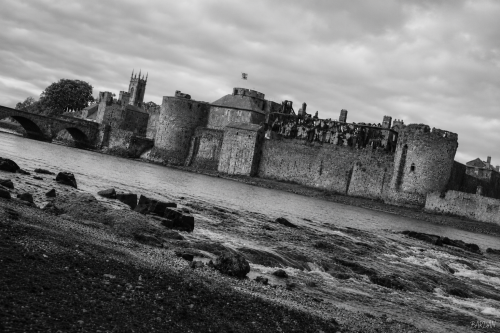
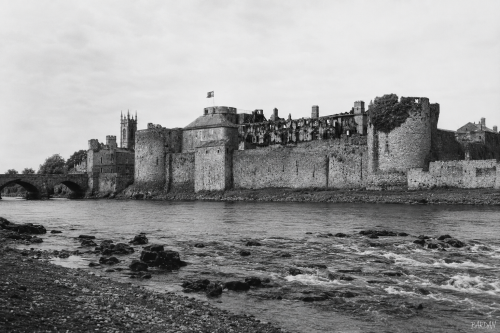
King John’s Castle stands beside the River Shannon at Curragower Falls, with broken water, river rocks and the castle’s stone frontage visible across the scene. The round towers, curtain walls and riverside defences remain central, while the burned Castle Barracks appears roofless and blackened within the enclosure. Thomond Bridge is visible to the left, with nearby trees, older buildings and a church tower rising beyond the castle walls. The river surface shows ripples, reflections and shallow movement below the fortifications. The image presents the castle after damage, set within the wider early twentieth century Limerick urban riverside landscape after 1922.

View Image
Place Limerick

Place Limerick

Image 10 July 2026

At Baker Place in early twentieth-century Limerick, Saint Saviour’s Dominican Church stands at the centre of a broad cobbled streetscape, its Gothic stone façade, rose window, pointed arches, and carved doorways giving the scene a strong ecclesiastical presence. To the right, Tait’s Clock rises above the roadway as a civic landmark, balanced by red-brick industrial buildings and smoking chimneys behind it. Period pedestrians, a horse-drawn cart, street lamps, and a small wooden kiosk add everyday activity. The view captures a city shaped by faith, industry, commerce, public memory, and the architectural confidence of Edwardian urban life in Limerick’s historic core.

View Image
Vanished Junction

Vanished Junction

Image 5 August 2026

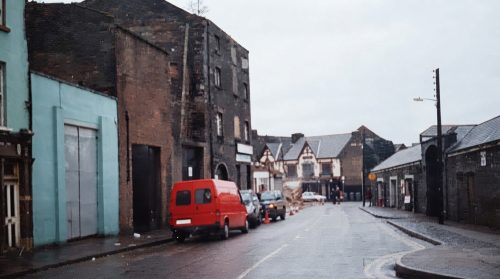
This 1975 view captures the junction of Lower Henry Street and Sarsfield Street before the creation of Liddy Street transformed the surrounding cityscape. The photograph preserves a moment when traffic, shopfronts and older buildings still defined this busy corner of central Limerick. Lower Henry Street connected the commercial heart of the city with the Shannon quays, while Sarsfield Street formed an important route towards Sarsfield Bridge. The later development of Liddy Street altered movement through the area and removed part of the earlier streetscape. Today, the image offers a valuable record of a vanished junction and changing daily urban life.

View Image
Cottages Adare

Cottages Adare

Image 12 July 2026

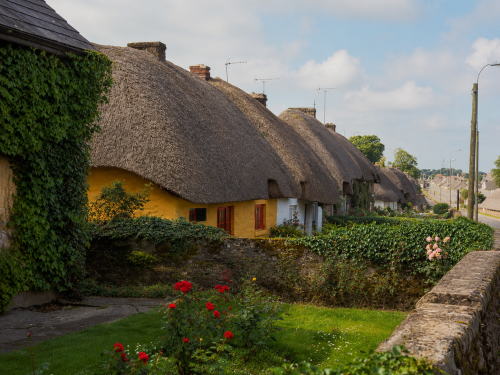
In July 1981, a row of traditional thatched cottages lends Adare its distinctive old-world character. Whitewashed walls, steep straw roofs and small windows line the roadside, reflecting a style once common throughout rural Ireland. The cottages appear carefully maintained, their simple façades softened by flowers, hedges and mature trees. Passing traffic and summer light place the scene firmly in everyday village life rather than a staged historical setting. The image preserves a familiar view of Adare at a time when its architectural heritage was becoming central to the village’s identity and appeal for visitors to County Limerick and beyond worldwide.

View Image
Rustic Jpeg

Rustic Jpeg

Image 3 August 2026

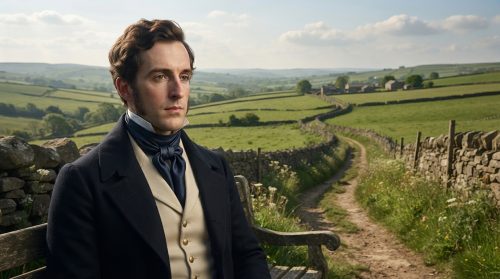
Gerald Griffin, born in Limerick in 1803, became one of Ireland’s most admired nineteenth-century novelists, poets and dramatists. Raised in a prosperous brewing family, he later moved to London, where he pursued journalism and literature. His best-known novel, The Collegians, drew upon the notorious murder of Ellen Hanley, remembered as the Colleen Bawn. In 1838, Griffin abandoned literary life, destroyed many unpublished manuscripts and joined the Christian Brothers in Cork. He died of typhus in 1840, aged thirty-six. Limerick proudly continues to honour him through prominent street names, schools, literary awards and the Gerald Griffins GAA club in west Limerick.

View Image
Suits Jpeg

Suits Jpeg

Image 3 August 2026

Tom O’Donnell and Paschal O’Grady, Limerick’s celebrated comedy duo, are pictured visiting Westport House in October 1967. Known simply as Tom and Paschal, they entertained Irish audiences nationwide for nearly five decades with sharp humour, memorable characters and remarkable stage chemistry. In 1961, they became the first comedy act to appear on Telefís Éireann’s opening-night broadcast. Their popular “Cashy and Noni” routines and annual Christmas Crackers revues made them beloved local favourites. Beyond entertainment, they toured towns and villages raising funds for schools, GAA clubs and churches, leaving an enduring legacy of laughter, generosity and affection throughout Limerick and beyond.

View Image
Co Limerick

Co Limerick

Image 14 July 2026

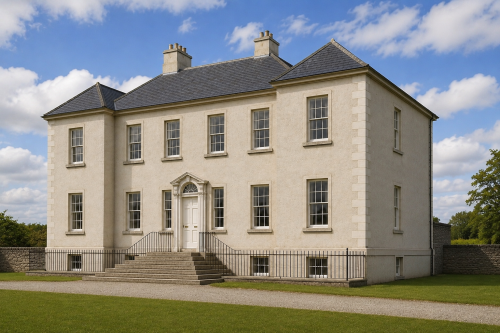
Elm Hill, County Limerick, was built around 1790 for the Studdert family as an elegant Georgian country residence. The six-bay, two-storey house stood over a raised basement and contained spacious reception rooms, nine bedrooms, servants’ quarters, kitchens, cellars and service rooms. Following the Great Famine, it was offered for sale and described as being in excellent repair. The property remained substantial for generations but gradually fell vacant and deteriorated. A 2008 architectural survey praised its limestone doorcase, carved timber entrance, slate-hung elevations, fireplaces and decorative plasterwork. Its recognised importance led to designation as a protected structure under Irish planning legislation.

View Image
Mary Street

Mary Street

Image 16 July 2026

Dutch Billy houses were once a distinctive feature of Limerick’s Englishtown and Irishtown districts. Characterised by narrow brick façades, steeply pitched gables and tall windows, the style developed in Irish towns during the late seventeenth and early eighteenth centuries. Many examples survived along Mary Street into the early twentieth century, preserving the appearance of Limerick’s merchant quarters. Their name is traditionally associated with King William III, although the term was applied broadly to gabled urban houses of the period. By around 1900, these buildings stood as reminders of the city’s commercial growth, architectural character and changing streetscape across previous centuries.

View Image
John’S Castle

John’S Castle

Image 9 July 2026

King John’s Castle stands beside the River Shannon at Curragower Falls, with broken water, river rocks and the castle’s stone frontage visible across the scene. The round towers, curtain walls and riverside defences remain central, while the burned Castle Barracks appears roofless and blackened within the enclosure. Thomond Bridge is visible to the left, with nearby trees, older buildings and a church tower rising beyond the castle walls. The river surface shows ripples, reflections and shallow movement below the fortifications. The image presents the castle after damage, set within the wider early twentieth century Limerick urban riverside landscape after 1922.

View Image
Castle Restored

Castle Restored

Image 14 July 2026

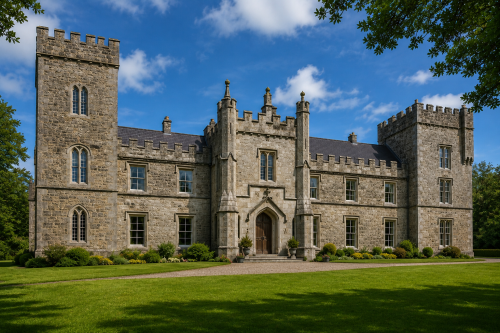
This reconstructed view presents Glenduff Castle in County Limerick as it may have appeared before its destruction in 1922. The imposing residence combines the fortified character of an earlier seventeenth-century tower house with the Gothic Revival additions created for the Ievers family around 1840. Tall crenellated towers, pointed windows, battlements and a formal central entrance give the building a commanding presence. Set within carefully maintained lawns and mature woodland, the castle reflects the scale and confidence of a nineteenth-century Irish country estate. The image offers a plausible visual impression rather than a definitive record of its original appearance or grandeur.

View Image
Books Supporting the Archive

Profits from every book help fund the continuing preservation, restoration and free public sharing of Limerick’s history.

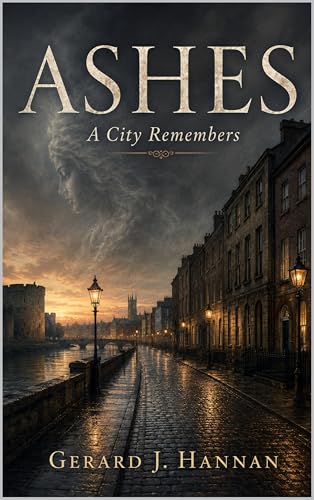
Cover of Ashes

Ashes

The Ashes Trilogy, Book One

Ashes begins the story of a group of children growing up in the streets and lanes of Limerick, where poverty and hardship are balanced by humour, imagination and fierce friendship. Their city is more than a setting: it watches, remembers and gives voice to lives often absent from official history. As the children explore their neighbourhood, they encounter family pressures, faith, hunger, danger and the first signs of a changing world. Through their adventures and loyalties, the novel captures the resilience of ordinary people and introduces the characters whose lives will unfold across the three volumes of The Ashes Trilogy.

All Books Available As Instant E-Books, Paperbacks & Hardbacks Worldwide.

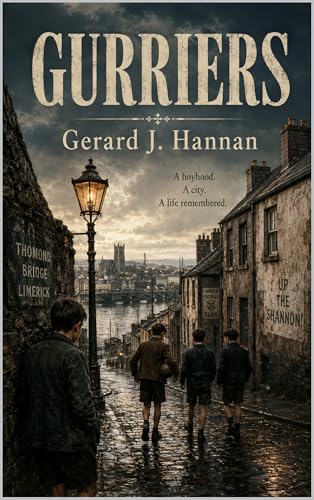
Cover of Gurriers

Gurriers

The Ashes Trilogy, Book Two

Gurriers continues the lives of the Limerick children introduced in Ashes as childhood freedom begins to give way to work, responsibility and harsher choices. Their friendships remain strong, but poverty, family expectations, faith and the pressures of growing older test loyalties once taken for granted. The streets and lanes still offer humour, adventure and belonging, yet the wider world increasingly intrudes upon their lives. Through vivid dialogue, memorable characters and the watchful voice of Limerick itself, the novel explores resilience, identity and change while showing how even the closest companions can be drawn towards futures by circumstances beyond their control.

All Books Available As Instant E-Books, Paperbacks & Hardbacks Worldwide.

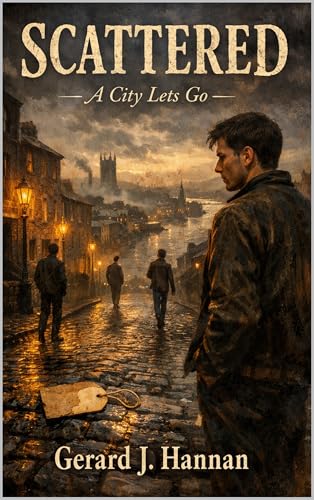
Cover of Scattered

Scattered

The Ashes Trilogy, Book Three

Scattered concludes The Ashes Trilogy as the friends who once shared Limerick’s streets and lanes face adulthood, work, hunger, faith, family duty and emigration. Time has altered their ambitions, tested their loyalties and carried some beyond the city that formed them. Yet memory continues to bind Louie, Seamus, Joe, Sean, Peter, Tony, Bardy, Maura, Eileen, Nora, Lingo and the mysterious Gleamer. Narrated through the enduring presence of Limerick itself, the novel explores separation, sacrifice and survival while recognising the humour and affection that remain. Together, their scattered lives complete a moving portrait of friendship, community and change across changing generations.

All Books Available As Instant E-Books, Paperbacks & Hardbacks Worldwide.

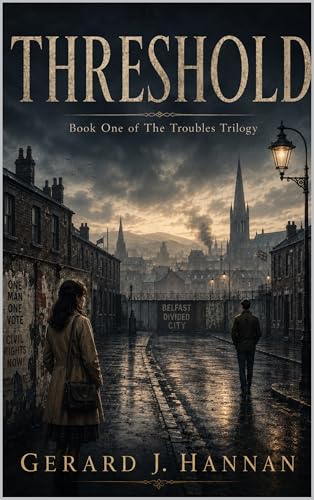
Cover of Threshold

Threshold

The Troubles Trilogy, Book One

Threshold opens in Belfast in 1968, where the Catholic Devlins and Protestant Morrows confront a city divided by religion, memory and fear. Civil rights marches, police violence, riots and internment transform ordinary streets into dangerous frontiers while political conflict enters homes, workplaces and schools. At the centre are Aileen Devlin and Thomas Morrow, whose relationship challenges the boundaries their families regard as essential to survival. As loyalty hardens into suspicion, both must decide whether inherited allegiance excuses injustice. Through family arguments, upheaval and private courage, the novel explores love, conscience, division and survival during the opening years of the Troubles.

All Books Available As Instant E-Books, Paperbacks & Hardbacks Worldwide.

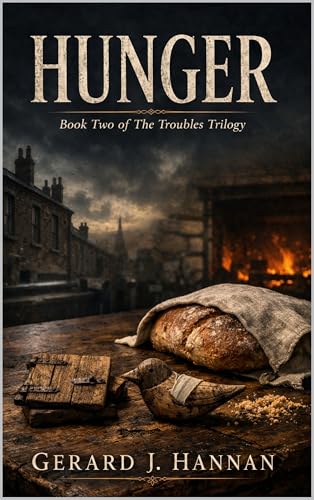
Cover of Hunger

Hunger

The Troubles Trilogy, Book Two

Hunger is Book Two of The Troubles Trilogy, set in Belfast during the 1980s. Aileen Devlin and Thomas Morrow have built a fragile life across the city’s sectarian divide, but the conflict threatens the home they created for their daughter, Claire. As hunger strikes, the Anglo Irish Agreement and violence reshape Northern Ireland, republican Declan and loyalist Billy exploit fear, grief and vulnerable young men. Against them stand Aileen, Kathleen and Elsie, whose quiet strength keeps their families human. This is a story of love, survival and the courage to place people before causes in a divided society under pressure.

All Books Available As Instant E-Books, Paperbacks & Hardbacks Worldwide.

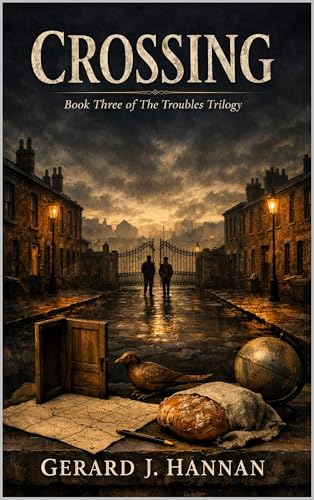
Cover of Crossing

Crossing

The Troubles Trilogy, Book Three

Crossing concludes The Troubles Trilogy during the decade from 1990 to 2000, as Belfast moves from violence towards negotiation, ceasefires and uncertain peace. The Devlin and Morrow families face political change alongside grief, ageing, divided loyalties and the consequences of choices made across three decades. Relationships once threatened by religious boundaries are tested by memory, mistrust and the fear that compromise may betray the dead. As the peace process gathers momentum, ordinary people must decide whether reconciliation is possible. The trilogy closes with a story of endurance, forgiveness, loss and hope beyond inherited division, proving that peace begins with courage.

All Books Available As Instant E-Books, Paperbacks & Hardbacks Worldwide.

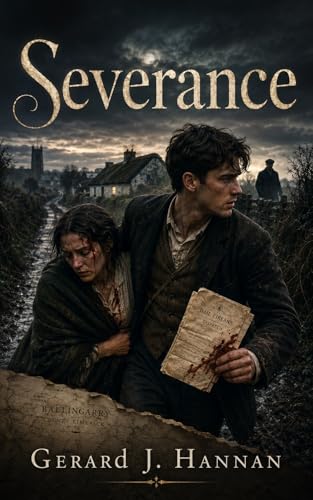
Cover of Severance

Severance

Historical Novel

Severance is a historical novel set in Ballingarry, County Limerick, during Ireland’s struggle for independence. A torn and bloodied dispatch passes through fields, kitchens, lofts and hidden routes, placing everyone who handles it in danger. Michael Enright carries the burden of trust, while Mary, Molly and their neighbours struggle to preserve the message and protect one another. Against them, Captain Edward Harcourt studies every delay, wound and fragment for clues. As loyalty, fear and betrayal tighten around the hidden network, ordinary people must decide what they are willing to risk when history enters their homes and silence itself becomes dangerous.

All Books Available As Instant E-Books, Paperbacks & Hardbacks Worldwide.

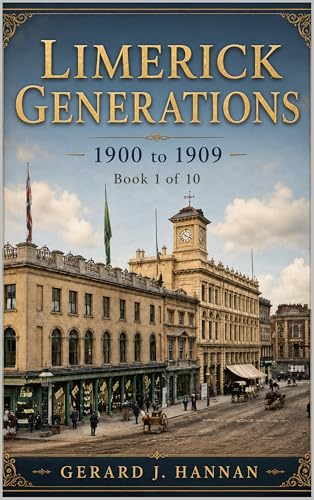
Cover of Limerick Generations: 1900 to 1909

Limerick Generations

1900 to 1909

Limerick Decalogy, Book One

Limerick Generations: 1900 to 1909 opens the decade by documenting a city and county entering the twentieth century amid political debate, commercial activity, poverty, faith and technological change. Month by month, the book connects major Irish developments with local events, institutions, streets and communities. Public meetings, labour, transport, education, sport, business and everyday life reveal how national questions were experienced in Limerick. Historical reports and carefully reconstructed narratives bring forgotten moments and ordinary people into focus. As Book One of Limerick Decalogy, it establishes the foundation for a ten volume journey through one hundred years of local history and memory.

All Books Available As Instant E-Books, Paperbacks & Hardbacks Worldwide.

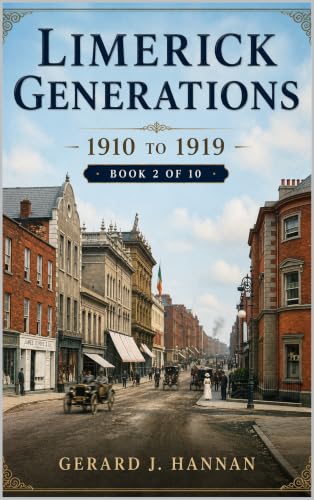
Cover of Limerick Generations: 1910 to 1919

Limerick Generations

1910 to 1919

Limerick Decalogy, Book Two

Limerick Generations: 1910 to 1919 traces a decade of political transformation, labour conflict, war, revolution and social change across Limerick city and county. Home Rule, unionist resistance, trade union organisation and the First World War entered streets, farms, schools, workplaces and family life. The Easter Rising, conscription crisis, influenza pandemic and general election altered public loyalties and expectations. The decade culminated in the Limerick Soviet of 1919, when workers challenged military restrictions through organised collective action. As Book Two of Limerick Decalogy, the volume preserves local experiences of hardship, courage, grief, endurance and change during years of intense historic upheaval.

All Books Available As Instant E-Books, Paperbacks & Hardbacks Worldwide.

Gerard J. Hannan

Books By Gerard J. Hannan

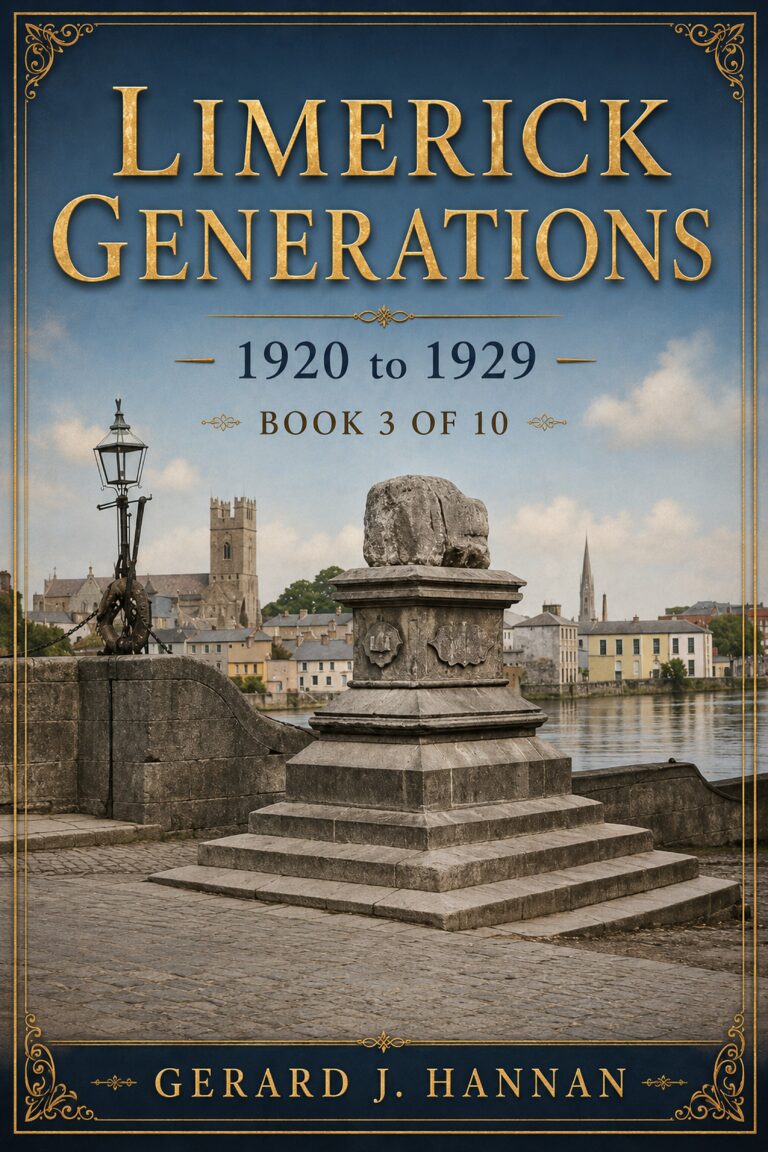
Explore Gerard J. Hannan’s published and forthcoming books, spanning historical fiction, Limerick humour, family sagas and detailed studies of local and modern Irish history. Each title offers a distinctive story, subject or perspective, reflecting his interest in people, memory, identity, conflict and social change. From comic observations rooted in Limerick life to ambitious novels shaped by major historical events, the collection presents a varied and expanding body of work. Every book is accompanied by its cover, full description and publication details, with a direct Amazon link included wherever an edition is currently available for readers to purchase or discover more.

View All Books