
Bardan, resident druid of Limerick Archives

Summon Bardan

Summon Bardan, our resident druid, and ask him any question about Limerick.
His ancient wisdom will answer as soon as the search is complete.

Restoration

Restoration

How Limerick Archives enhances, repairs, colourises and reconstructs historical images responsibly.

Restoration at Limerick Archives is used to recover visibility and understanding from historical images affected by age, damage or poor reproduction. Photographs may contain scratches, dust, stains, fading, tears, blur, uneven exposure or printing defects that hide useful details. Digital cleaning can reduce these problems while preserving the scene, people and permanent features recorded in the source. The purpose is not to make every photograph appear newly taken, but to reveal information that deterioration has obscured. Original files are retained whenever available so visitors and researchers can distinguish the historical source from the later carefully restored public archive presentation online.

Basic enhancement can improve contrast, brightness, sharpness and tonal balance without changing the underlying content of an image. Dark areas may contain buildings or faces that become clearer when exposure is adjusted, while excessive grain can be reduced carefully. Limerick Archives aims to avoid aggressive processing that produces artificial edges, plastic skin, invented textures or missing detail disguised as certainty. Different versions may be prepared for preservation, publication and public display. Enhancement decisions depend upon the quality and purpose of the original. A successful restoration should help viewers read the photograph while keeping its historical character and limitations clearly visible.

Physical damage may require more detailed repair. Tears, creases, missing corners, chemical stains and surface scratches can interrupt important parts of a photograph. Digital reconstruction may copy nearby texture or use surrounding evidence to rebuild a small damaged area. When the missing information is substantial, certainty decreases and the treatment becomes more interpretive. Limerick Archives seeks to repair only what can be supported reasonably by the source and related evidence. Permanent buildings, monuments, roads and landscape features should not be redesigned for visual convenience. The restored image must remain recognisably connected to the historical photograph from which it was created.

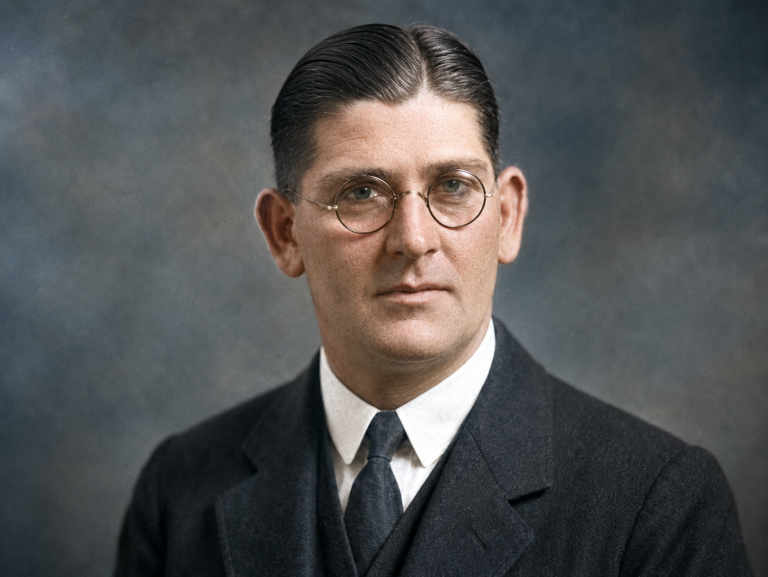
Colourisation adds informed colour to a monochrome photograph to help viewers imagine the scene more immediately. Research may identify military uniforms, transport liveries, stone, brick, vegetation, business colours or clothing typical of a period. Even careful research cannot prove every shade that existed at the moment of exposure. Limerick Archives therefore treats colourisation as interpretation rather than a recovered colour photograph. Skin tones, fabrics, weather and painted surfaces require judgement, and uncertainty should remain acknowledged. The original black and white image is preserved where possible, allowing visitors to compare the documentary source with the later carefully researched colourised archive version.

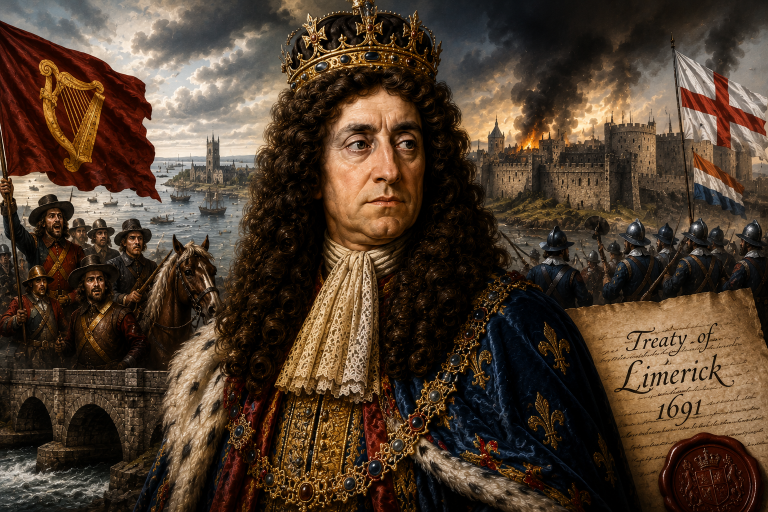
AI assisted tools can remove noise, sharpen faces, expand damaged edges or generate possible detail where information is missing. These tools are useful, but they can also invent windows, signs, clothing, facial features and architectural elements that never existed. Limerick Archives uses AI assistance cautiously and reviews results against the original source. Generated detail should not replace known evidence or alter permanent features. Images involving substantial AI interpretation are identified as reconstructed or AI assisted. The archive’s responsibility is to separate documentary evidence from visual possibility, ensuring that an attractive result is never mistaken automatically for an untouched historical photograph.

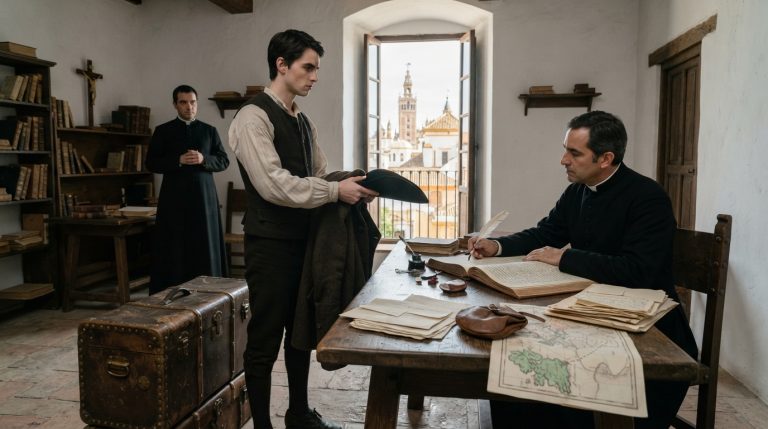
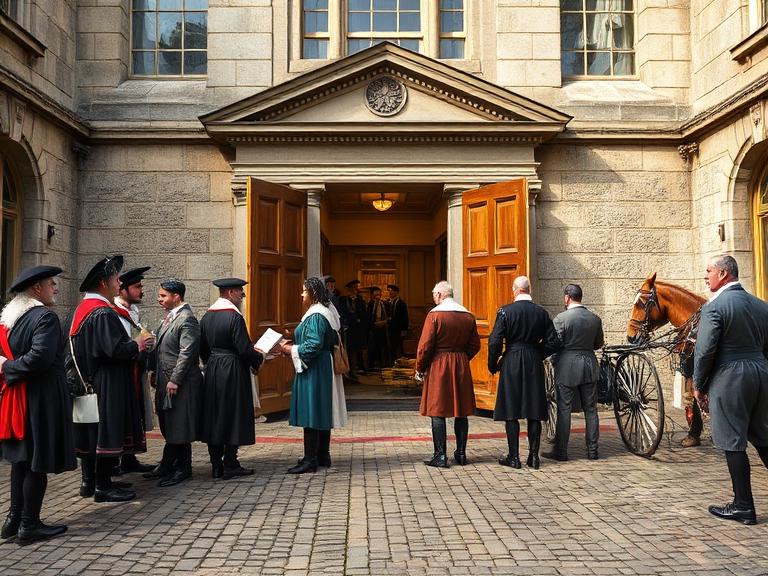
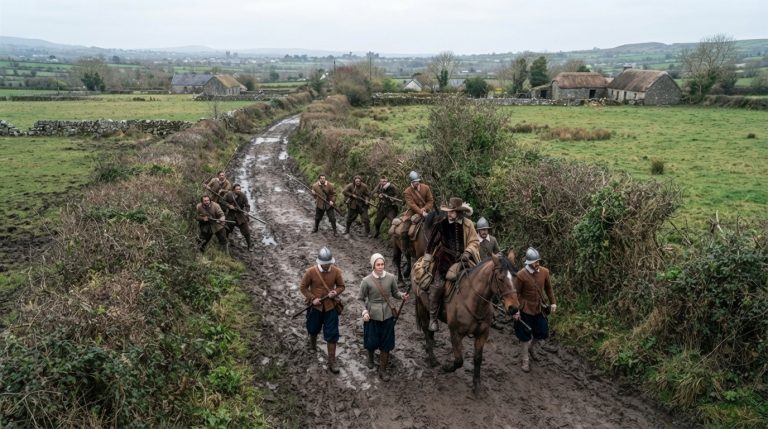
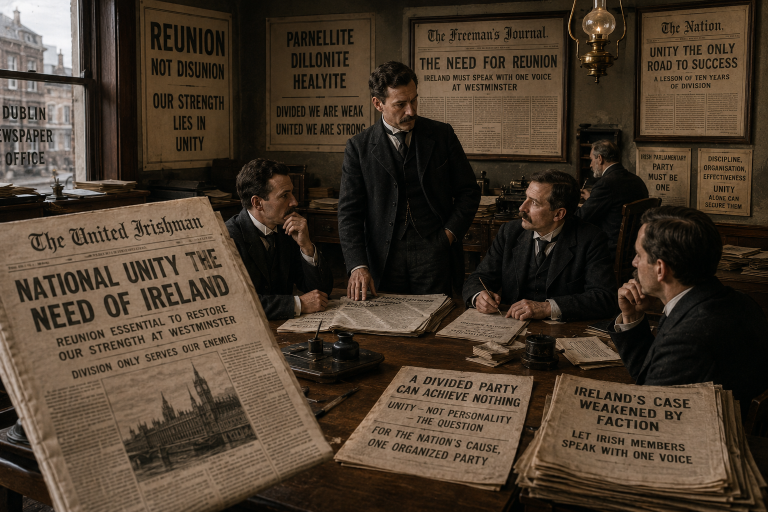
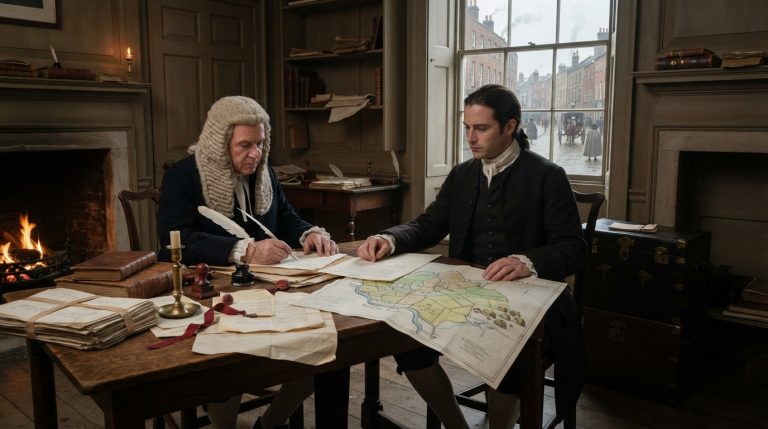
Reconstruction may be appropriate when a damaged or limited image is used to visualise a wider historical scene. Related photographs, maps, architectural records, newspapers and period evidence can guide the placement of buildings, streets, people, transport and landscape. However, reconstruction inevitably includes decisions where the source remains silent. Limerick Archives labels these images clearly and does not present them as newly discovered originals. Fixed features should follow available evidence, while temporary activity may be represented with historically suitable interpretation. The value of a reconstruction lies in helping visitors explore the past, provided its limits and creative elements are explained honestly.
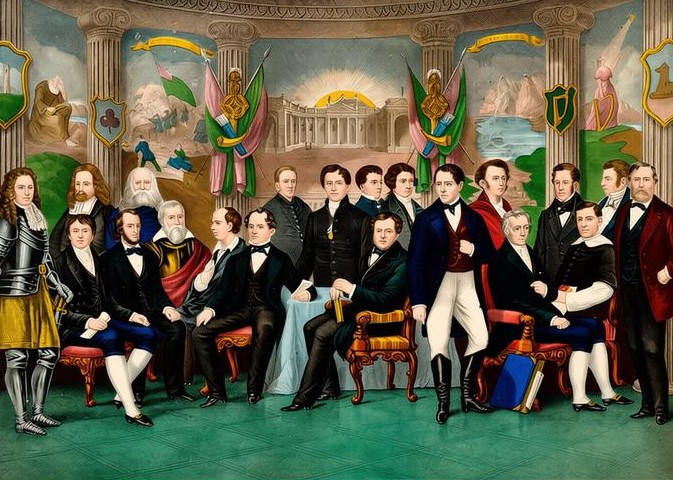
Historical accuracy guides clothing, vehicles, signage, architecture and public activity within restored or reconstructed scenes. Modern road markings, lighting, materials, fashions and technology should not appear in an image representing an earlier period unless supported by evidence. Limerick locations require attention because familiar buildings may have changed repeatedly. The archive compares dates, maps and photographs to maintain correct spatial relationships. Where a detail cannot be confirmed, restraint is preferable to confident invention. Accuracy does not mean that every colour or temporary figure is proven, but it requires permanent features and historical conditions to remain consistent with the best evidence available.

Labelling allows visitors to understand what kind of image they are viewing. Terms such as Original, Enhanced, Colourised, Restored, Reconstructed and AI Assisted describe different levels of intervention. A status notice can prevent an interpreted image from circulating later as documentary proof. Credits should identify Limerick Archives restoration work and preserve the original photographer or source where known. When images are downloaded or shared, those labels should remain attached. Clear identification protects researchers, honours the source and encourages responsible use. It also allows the archive to experiment with presentation without weakening the distinction between historical evidence and modern visual treatment.

Restoration files are managed as part of digital preservation. High quality source scans, working files and publication copies may be stored separately so future improvements do not depend upon a compressed web image. File names, archive references and metadata help connect every version with the original record. Limerick Archives may revisit an earlier restoration when better technology, a higher resolution source or stronger historical evidence becomes available. New work should not erase previous provenance. Maintaining an organised chain of versions allows researchers to see what changed and enables the archive to correct mistakes without losing the surviving historical source intact.

The restoration programme supports the wider purpose of Limerick Archives by making fragile or unclear photographs accessible to a modern audience. A carefully restored image can reveal a forgotten shop sign, recognise a face, clarify architecture or encourage families to share additional knowledge. Visual appeal can attract attention, but historical responsibility remains more important than perfection. The archive will continue improving methods, explaining image status and preserving originals as resources allow. Restoration succeeds when it deepens understanding without concealing interpretation. It should bring viewers closer to Limerick’s past while leaving them able to distinguish evidence, informed judgement and creative reconstruction.
About Page

Books Supporting the Archive

Every Book Purchased Helps Support The Continuing Work Of Limerick Archives.

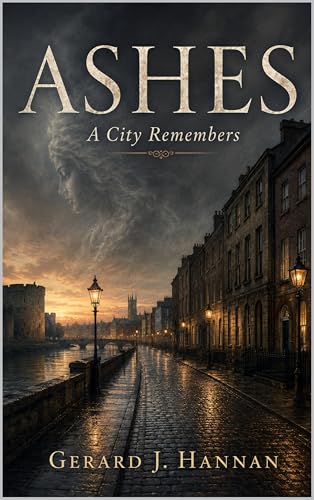
Cover of Ashes

Ashes

The Ashes Trilogy, Book One

Ashes begins the story of a group of children growing up in the streets and lanes of Limerick, where poverty and hardship are balanced by humour, imagination and fierce friendship. Their city is more than a setting: it watches, remembers and gives voice to lives often absent from official history. As the children explore their neighbourhood, they encounter family pressures, faith, hunger, danger and the first signs of a changing world. Through their adventures and loyalties, the novel captures the resilience of ordinary people and introduces the characters whose lives will unfold across the three volumes of The Ashes Trilogy.

View on Amazon UK
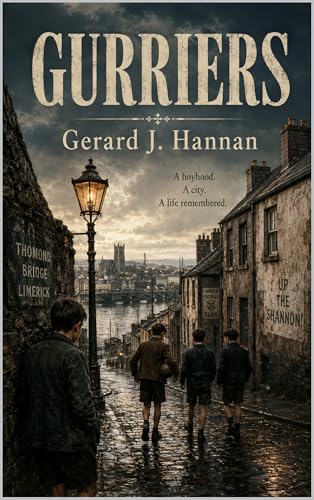
Cover of Gurriers

Gurriers

The Ashes Trilogy, Book Two

Gurriers continues the lives of the Limerick children introduced in Ashes as childhood freedom begins to give way to work, responsibility and harsher choices. Their friendships remain strong, but poverty, family expectations, faith and the pressures of growing older test loyalties once taken for granted. The streets and lanes still offer humour, adventure and belonging, yet the wider world increasingly intrudes upon their lives. Through vivid dialogue, memorable characters and the watchful voice of Limerick itself, the novel explores resilience, identity and change while showing how even the closest companions can be drawn towards futures by circumstances beyond their control.

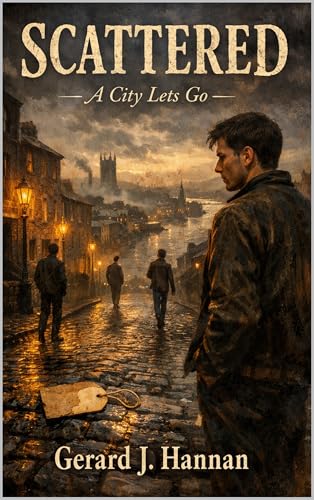
Cover of Scattered

Scattered

The Ashes Trilogy, Book Three

Scattered concludes The Ashes Trilogy as the friends who once shared Limerick’s streets and lanes face adulthood, work, hunger, faith, family duty and emigration. Time has altered their ambitions, tested their loyalties and carried some beyond the city that formed them. Yet memory continues to bind Louie, Seamus, Joe, Sean, Peter, Tony, Bardy, Maura, Eileen, Nora, Lingo and the mysterious Gleamer. Narrated through the enduring presence of Limerick itself, the novel explores separation, sacrifice and survival while recognising the humour and affection that remain. Together, their scattered lives complete a moving portrait of friendship, community and change across changing generations.

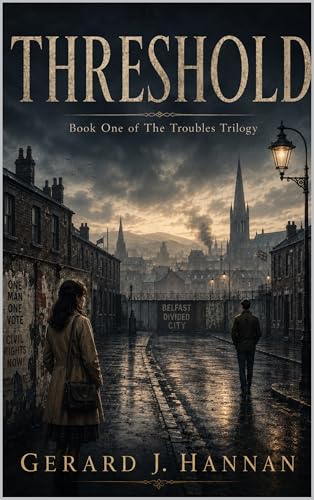
Cover of Threshold

Threshold

The Troubles Trilogy, Book One

Threshold opens in Belfast in 1968, where the Catholic Devlins and Protestant Morrows confront a city divided by religion, memory and fear. Civil rights marches, police violence, riots and internment transform ordinary streets into dangerous frontiers while political conflict enters homes, workplaces and schools. At the centre are Aileen Devlin and Thomas Morrow, whose relationship challenges the boundaries their families regard as essential to survival. As loyalty hardens into suspicion, both must decide whether inherited allegiance excuses injustice. Through family arguments, upheaval and private courage, the novel explores love, conscience, division and survival during the opening years of the Troubles.

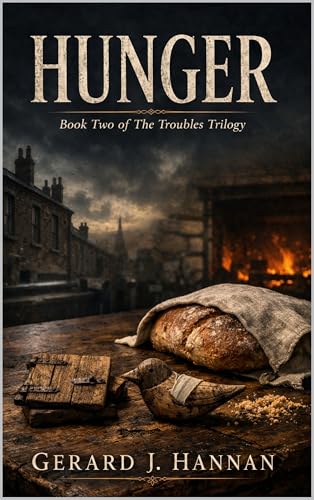
Cover of Hunger

Hunger

The Troubles Trilogy, Book Two

Hunger is Book Two of The Troubles Trilogy, set in Belfast during the 1980s. Aileen Devlin and Thomas Morrow have built a fragile life across the city’s sectarian divide, but the conflict threatens the home they created for their daughter, Claire. As hunger strikes, the Anglo Irish Agreement and violence reshape Northern Ireland, republican Declan and loyalist Billy exploit fear, grief and vulnerable young men. Against them stand Aileen, Kathleen and Elsie, whose quiet strength keeps their families human. This is a story of love, survival and the courage to place people before causes in a divided society under pressure.

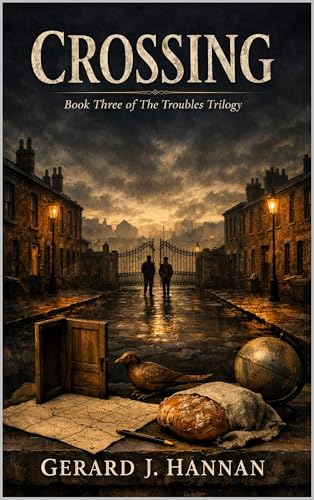
Cover of Crossing

Crossing

The Troubles Trilogy, Book Three

Crossing concludes The Troubles Trilogy during the decade from 1990 to 2000, as Belfast moves from violence towards negotiation, ceasefires and uncertain peace. The Devlin and Morrow families face political change alongside grief, ageing, divided loyalties and the consequences of choices made across three decades. Relationships once threatened by religious boundaries are tested by memory, mistrust and the fear that compromise may betray the dead. As the peace process gathers momentum, ordinary people must decide whether reconciliation is possible. The trilogy closes with a story of endurance, forgiveness, loss and hope beyond inherited division, proving that peace begins with courage.

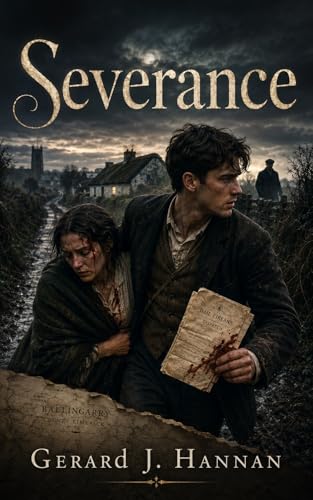
Cover of Severance

Severance

Historical Novel

Severance is a historical novel set in Ballingarry, County Limerick, during Ireland’s struggle for independence. A torn and bloodied dispatch passes through fields, kitchens, lofts and hidden routes, placing everyone who handles it in danger. Michael Enright carries the burden of trust, while Mary, Molly and their neighbours struggle to preserve the message and protect one another. Against them, Captain Edward Harcourt studies every delay, wound and fragment for clues. As loyalty, fear and betrayal tighten around the hidden network, ordinary people must decide what they are willing to risk when history enters their homes and silence itself becomes dangerous.

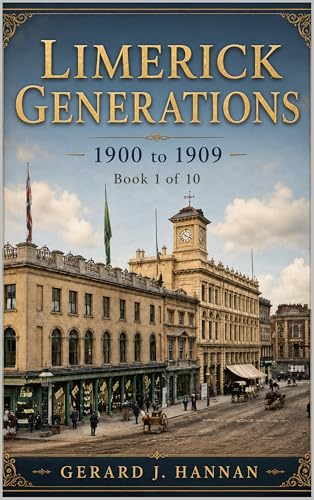
Cover of Limerick Generations: 1900 to 1909

Limerick Generations: 1900 to 1909

Limerick Decalogy, Book One

Limerick Generations: 1900 to 1909 opens the decade by documenting a city and county entering the twentieth century amid political debate, commercial activity, poverty, faith and technological change. Month by month, the book connects major Irish developments with local events, institutions, streets and communities. Public meetings, labour, transport, education, sport, business and everyday life reveal how national questions were experienced in Limerick. Historical reports and carefully reconstructed narratives bring forgotten moments and ordinary people into focus. As Book One of Limerick Decalogy, it establishes the foundation for a ten volume journey through one hundred years of local history and memory.

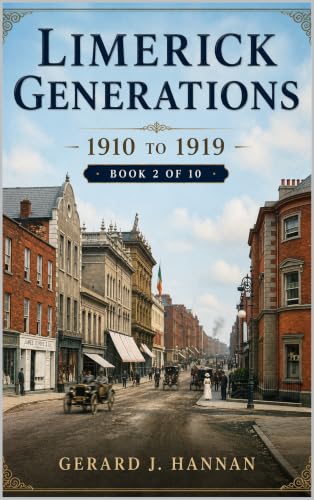
Cover of Limerick Generations: 1910 to 1919

Limerick Generations: 1910 to 1919

Limerick Decalogy, Book Two

Limerick Generations: 1910 to 1919 traces a decade of political transformation, labour conflict, war, revolution and social change across Limerick city and county. Home Rule, unionist resistance, trade union organisation and the First World War entered streets, farms, schools, workplaces and family life. The Easter Rising, conscription crisis, influenza pandemic and general election altered public loyalties and expectations. The decade culminated in the Limerick Soviet of 1919, when workers challenged military restrictions through organised collective action. As Book Two of Limerick Decalogy, the volume preserves local experiences of hardship, courage, grief, endurance and change during years of intense historic upheaval.

Restoring History

Limerick Archives preserves, enhances, restores and colourises historic photographs, sometimes presenting fresh angles on familiar scenes. When no suitable public-domain image exists, we create carefully researched AI illustrations for archive articles. We also invite the public to submit photographs for restoration and possible publication, with ownership always remaining entirely theirs.