Accuracy
How Limerick Archives researches, verifies, qualifies and updates historical information.
Limerick Archives researches information carefully, but many records begin with incomplete or uncertain details. Photographs may arrive without names, dates or locations, while captions added decades later can contain mistakes. Newspaper accounts may disagree, official records can omit ordinary people and family memories may vary. The archive compares available evidence before publishing a description and avoids claiming certainty where none exists. Approximate dates, question marks and provisional identifications are used when necessary. This approach does not weaken the archive. It protects visitors from false confidence and leaves room for stronger evidence, community knowledge and future research to improve the record.
Dates are established by comparing clues within an item and information from outside sources. Clothing, vehicles, shop names, building alterations, road layouts and photographic formats can suggest a period, while newspapers, directories, maps and public records may provide firmer confirmation. Sometimes only a decade or approximate year can be supported. Limerick Archives records that level of certainty honestly rather than inventing an exact date. A displayed date may therefore be described as circa, approximate or decade only. When later evidence narrows the range, the catalogue can be updated. Clear dating methods help researchers understand both the conclusion and its limitations.
Identifying people in historical photographs can be difficult. Faces change with age, handwritten notes may be unclear and relatives can resemble one another. Limerick Archives welcomes names supplied by families and local residents, but seeks supporting details whenever possible. A contributor may explain where the photograph came from, who preserved it, when it was taken and how the identification is known. Multiple independent recognitions can strengthen confidence, although popularity does not automatically prove accuracy. Where identification remains uncertain, the archive may use wording such as believed to be or possibly. This protects individuals and keeps speculation separate from confirmed evidence.
Locations are researched through architecture, street patterns, businesses, signs, landscape features, maps and comparison with other photographs. A scene described historically as Limerick may belong to the city, county or a neighbouring area, and old place names can differ from modern usage. Buildings may have been demolished, renumbered or substantially altered. Limerick Archives records the strongest supported location and explains uncertainty when needed. Visitors with detailed knowledge of a street, townland or landmark are encouraged to provide evidence. Accurate locations connect images with wider collections and allow researchers to trace physical change across Limerick over time through careful historical comparison.
Newspapers are valuable because they record events, advertisements, public debates, court cases and everyday announcements close to the time they occurred. They are not automatically reliable in every detail. Reports can contain errors, political bias, incomplete information or language shaped by contemporary attitudes. Limerick Archives uses newspapers alongside other evidence rather than treating one article as truth. Dates, names and quotations are checked where practical, and differing accounts may be acknowledged. Historical reporting is presented within context so visitors can understand both the information supplied and the perspective from which it was written. Careful use preserves value without ignoring limitations.
Books, directories, maps and official records each contribute different forms of evidence. A directory may confirm that a business occupied a street in a particular year, while a map can show property boundaries or older place names. Census, electoral, school, church and commercial records may connect individuals with addresses and occupations. Published histories can provide interpretation but may repeat earlier mistakes. Limerick Archives compares sources and records citations where practical. No single source is assumed to answer every question. Combining independent evidence creates stronger descriptions and allows researchers to see why an identification, date or conclusion has been accepted responsibly.
Memories are important because formal records often overlook family relationships, local nicknames, workplace customs and neighbourhood experiences. They can also change over time or combine several events. Limerick Archives treats oral and written recollections respectfully while distinguishing them from documentary proof. A memory may be published as a contributor’s account, especially when its personal perspective is valuable. Where possible, dates, names and places are compared with photographs, newspapers or records. Differences do not always mean that somebody is dishonest; they may reveal how events were experienced and remembered. Clear labelling allows memory and evidence to inform one another without confusion.
Corrections are essential to accuracy because an online archive can improve after publication. Visitors may notice a misspelled surname, incorrect street, wrong date or unidentified person. A useful correction includes the item title or archive reference, the proposed change and evidence explaining how the information is known. Limerick Archives reviews submissions rather than changing records automatically. Strong documentary support may justify immediate revision, while conflicting recollections may require further research or a note recording uncertainty. When a correction is accepted, related descriptions may also need updating. This continuing process makes the archive more reliable overall and preserves valuable local knowledge.
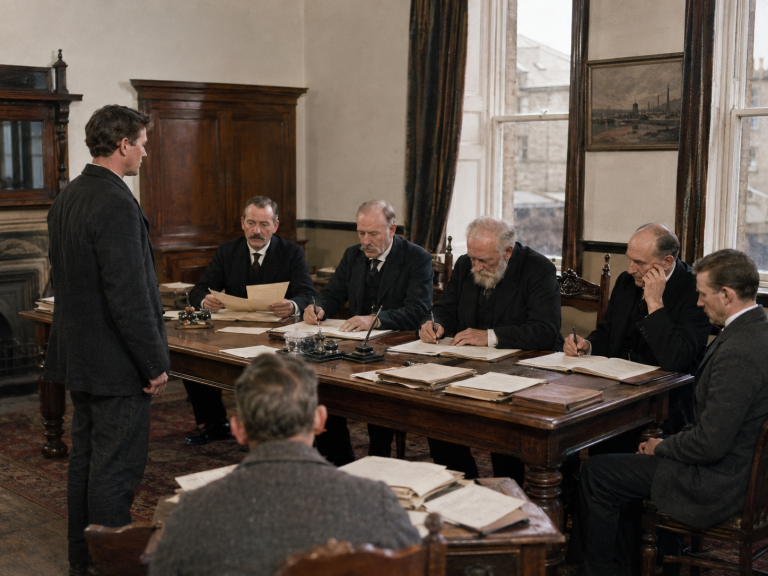
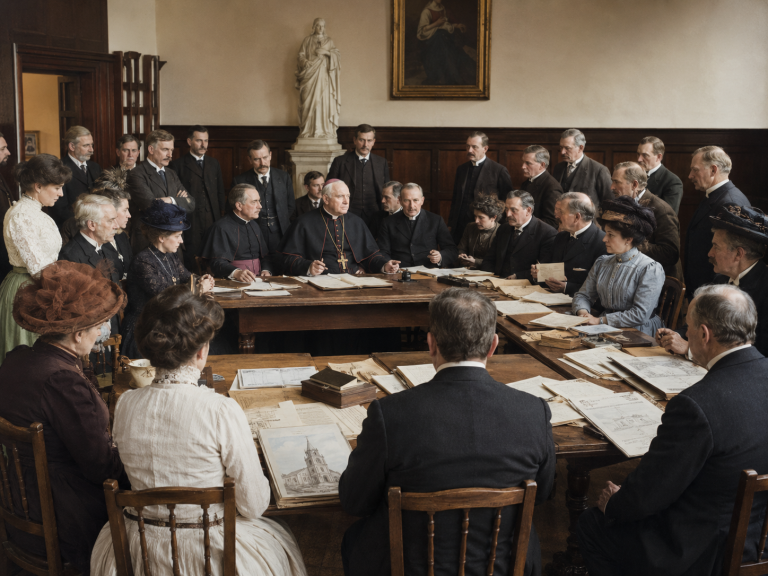
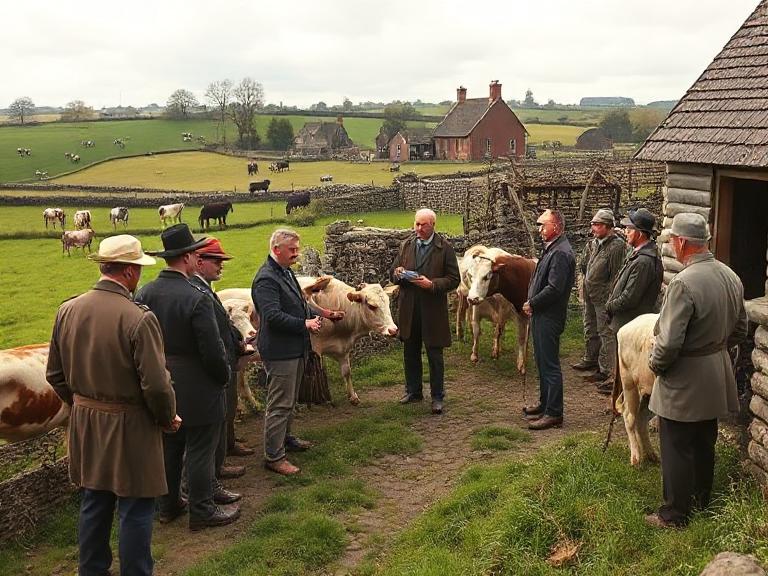
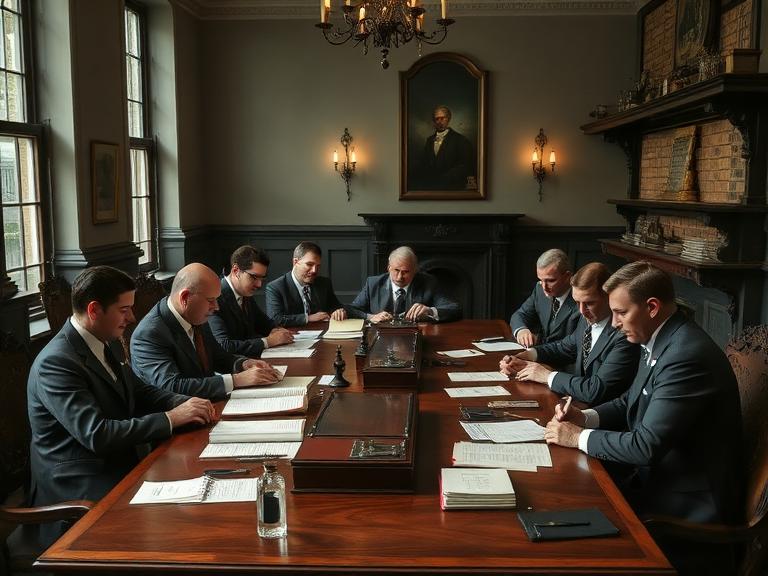
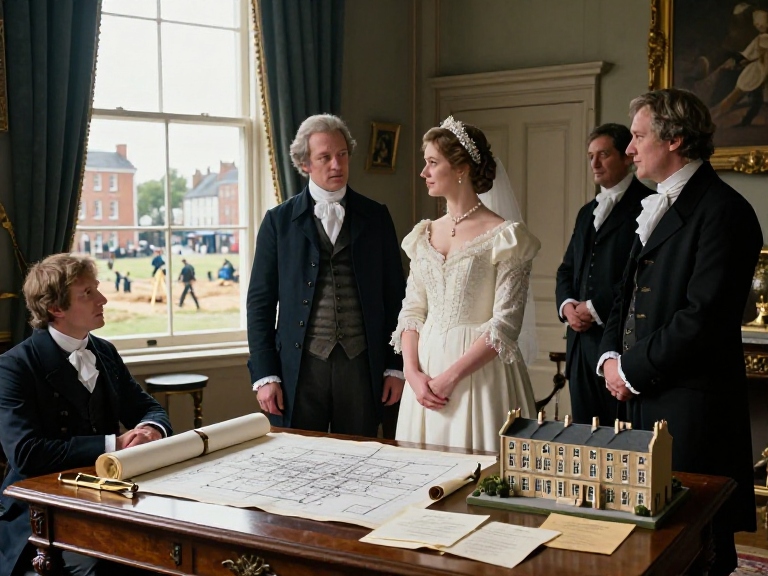
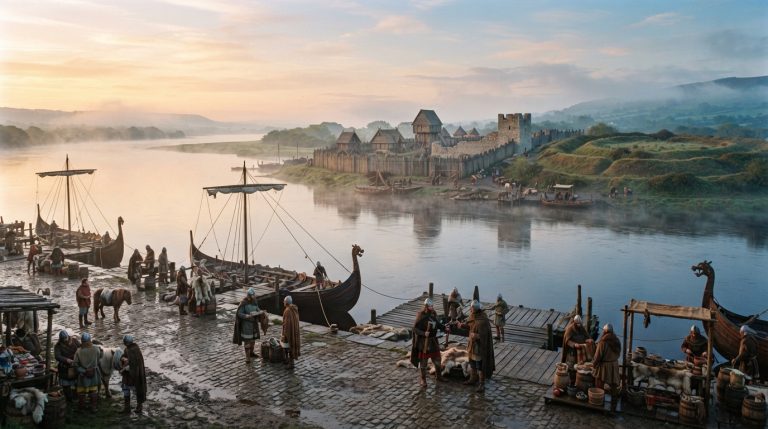
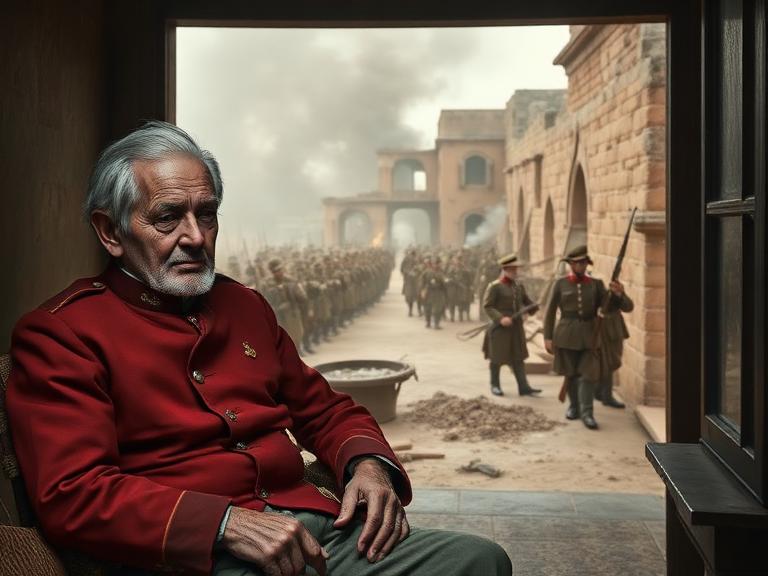
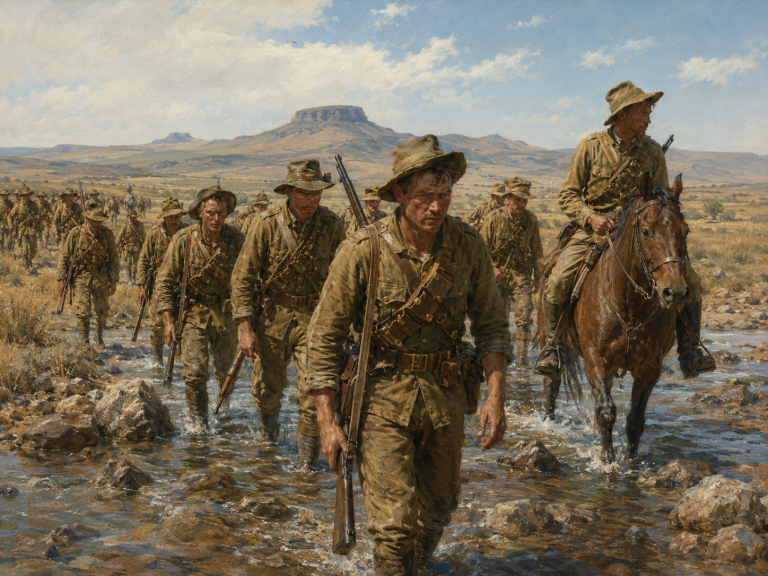
Restored and reconstructed images require particular accuracy because viewers may mistake interpretation for original evidence. Enhancement can reveal existing details, but colourisation introduces informed choices and AI assisted reconstruction may create elements not preserved in the source. Limerick Archives aims to label image status clearly, retain original versions where available and avoid presenting uncertain additions as proven fact. Captions should explain when a scene has been enhanced, colourised or reconstructed. Historical plausibility is important, but plausibility is not certainty. Transparent labelling allows visitors to appreciate restored images while understanding their evidential limits and comparing them with the surviving historical original.
Accuracy at Limerick Archives is a commitment rather than perfection. The collection will grow, new sources will appear and community members will recognise details that were previously unknown. Records may therefore be expanded, corrected or qualified over time. The archive aims to preserve earlier source information, explain uncertainty and base changes upon evidence. Visitors should cite archive references and access dates when using material because descriptions can evolve. Honest correction strengthens public trust and understanding. By showing what is known, how it is known and where doubt remains, Limerick Archives provides a more responsible record of Limerick’s past for everyone.