Accessibility
The measures used to make Limerick Archives readable, navigable and usable by the broadest practical audience.
Accessibility at Limerick Archives begins with the belief that historical material should be usable by as many people as possible. The website is intended for visitors with different devices, abilities, reading preferences and levels of technical experience. Pages use clear headings, consistent navigation, readable spacing and straightforward language so users can understand where they are and what each section contains. Important links are presented as visible buttons, and text is not deliberately hyphenated across lines. The archive continues reviewing its design because accessibility is not a completed task. It is an ongoing commitment to reducing barriers throughout the public website.
Readable text is essential because archive visitors may be studying detailed descriptions, dates, names and source information. Limerick Archives uses strong contrast between text and background, generous line spacing and responsive font sizes that remain legible across desktop, tablet and mobile screens. Visitors can enlarge browser text without losing the main meaning or navigation of a page. Decorative effects should not make words difficult to distinguish, and headings are styled consistently so the structure remains clear. The chosen dark green text colour is applied throughout the site to avoid confusing changes in readability between sections, buttons, paragraphs and catalogue information.
Keyboard access allows visitors who cannot use a mouse to move through links, buttons, forms and menus. Limerick Archives aims to preserve a logical tab order, visible focus indicators and controls that can be activated through keyboard commands. Interactive elements should not depend solely on hovering, because keyboard and touch users may never trigger a hover state. Skip links may help visitors move directly to important content without repeatedly passing through the header. When new features or plugins are added, their keyboard behaviour should be reviewed. A visually attractive page is not accessible if essential functions cannot be reached independently.
Responsive design helps the archive remain usable on phones, tablets, laptops and larger screens. Images, text columns, navigation buttons and forms should adjust to the available width without forcing visitors to scroll sideways. On smaller displays, multi-column layouts can collapse into a single readable column, while buttons expand sufficiently for touch use. Historical photographs should remain visible without stretching beyond the screen or becoming distorted. Responsive behaviour is especially important because many visitors access local history through personal mobile devices. Limerick Archives therefore treats mobile usability as a normal design requirement rather than a reduced version of the desktop experience.
Alternative text and descriptive captions help visitors understand photographs when the image itself cannot be seen clearly. Limerick Archives aims to describe the subject, location, date and important visual details of historical images where reliable information is available. Alternative descriptions should communicate useful content rather than merely repeating a file name or title. Decorative images can be treated differently so they do not create unnecessary noise for screen readers. Because many photographs contain unidentified people or uncertain locations, descriptions must also avoid presenting guesses as facts. Improvements can be added later when research or community knowledge supplies stronger reliable identification.
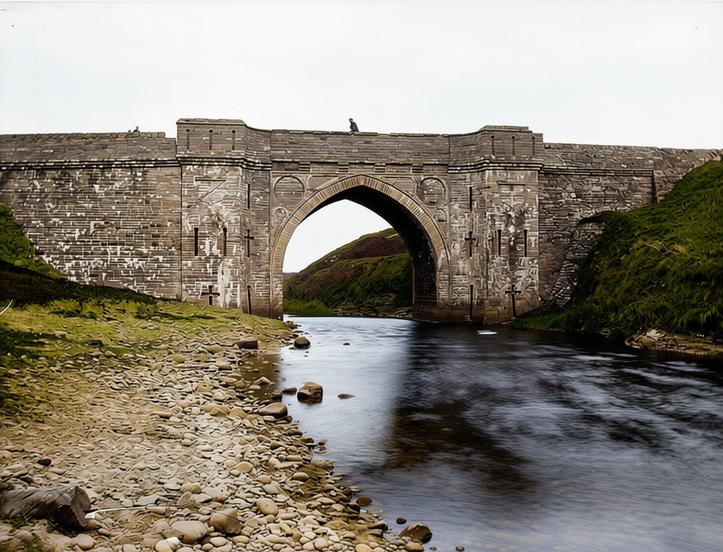
Historical documents present special accessibility challenges because handwritten letters, faded newspapers, damaged photographs and scanned books may be difficult to read. The archive cannot always provide a complete transcription immediately, but it can add summaries, titles, dates and contextual descriptions that help visitors understand the material. Where practical, important text may be transcribed or rewritten in accessible HTML rather than left only inside an image. Restoration can improve clarity, although it should not alter the historical meaning. Limerick Archives recognises that accessible presentation may require continuing detailed preservation work, especially as older collections are reviewed and new information becomes available.
Forms used for contact, corrections and contributions should have clear labels, understandable instructions and fields that can be completed without difficulty. Required information should be identified plainly, while error messages should explain what needs attention rather than relying only on colour. Visitors should not be asked for personal details that are unrelated to their request. Buttons need meaningful labels such as Contact Limerick Archives or Report A Correction instead of vague wording. These practices help everyone, including users of assistive technology, complete tasks successfully. Accessible forms also improve the quality of information received by the archive and reduce avoidable confusion.
Audio, video and embedded material may create additional barriers when captions, transcripts or keyboard controls are missing. Limerick Archives will aim to provide supporting text where practical and to choose outside services that offer reasonable accessibility. However, material embedded from third parties can operate under different technical standards, and the archive may not control every feature. When an inaccessible external element is essential to understanding a page, visitors should be able to report the problem. The archive can then consider an alternative link, description or format. Accessibility concerns should be addressed wherever they materially prevent access to historical information online.
Visitors are encouraged to report accessibility problems because real use can reveal barriers that automated tests or visual checks miss. A report should identify the page, explain the difficulty and describe the device, browser or assistive technology involved where possible. Limerick Archives can then investigate whether the problem comes from the theme, a plugin, an embedded service or the archive’s own content. Not every issue can be corrected immediately, but clear reports help establish priorities. The archive welcomes practical feedback offered in good faith and will seek reasonable improvements that support broader access without damaging the integrity of historical material.
Accessibility supports the wider mission of preserving and freely sharing Limerick history. A collection cannot be genuinely open if significant groups of visitors cannot navigate it, read its text or understand its images. The archive will therefore continue refining contrast, headings, forms, alternative descriptions, mobile layouts and keyboard behaviour as resources allow. New content should be prepared with accessibility in mind rather than corrected only after publication. Some historical formats will always present difficulties, but those difficulties can be explained and reduced. Limerick Archives aims to make participation, research and discovery possible for the broadest practical public audience everywhere online.