Explore (New)

Explore

Each page shows 5 articles and 5 images from 204 articles and 544 images

Explore the Archives
Civic Accounts

Civic Accounts

Article By Flann 3 August 2026

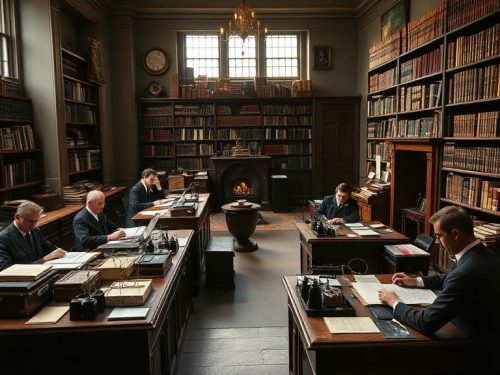
Limerick’s municipal development between 1842 and 1934 can be traced through the financial records of its Corporation. These surviving abstracts, ledgers, registers and committee papers show how local government raised money, paid employees, supported institutions and maintained public services. After the Municipal Corporations Act 1840, the Corporation could levy a borough rate through the poor-law rating system. Initially, income and expenditure were managed through one Borough Fund. The Limerick Improvement Act 1853 then introduced separate General Purposes and Improvement funds, alongside a Sinking Fund intended to assist with repayment of the city’s corporate debt over time with increasing administrative precision.

Read Article
Landscape Jpeg

Landscape Jpeg

Image 3 August 2026

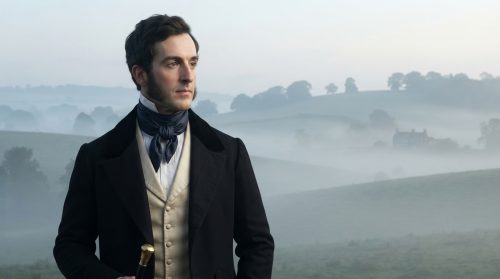
Gerald Griffin, born in Limerick in 1803, became one of Ireland’s most admired nineteenth-century novelists, poets and dramatists. Raised in a prosperous brewing family, he later moved to London, where he pursued journalism and literature. His best-known novel, The Collegians, drew upon the notorious murder of Ellen Hanley, remembered as the Colleen Bawn. In 1838, Griffin abandoned literary life, destroyed many unpublished manuscripts and joined the Christian Brothers in Cork. He died of typhus in 1840, aged thirty-six. Limerick proudly continues to honour him through prominent street names, schools, literary awards and the Gerald Griffins GAA club in west Limerick.

View Image
Scholar Remembered

Scholar Remembered

Article By Dallán 24 June 2026

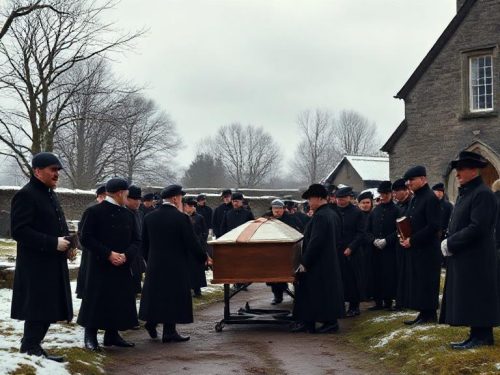
The Reverend Robert King, clergyman, teacher and respected historian of the Irish church, died on 4 January after several years of declining health. Born in Cork in 1815, he had spent more than four decades in County Antrim, where he served as headmaster of the diocesan school at Ballymena. His death ended a long career combining parish work, education, historical research and Irish-language scholarship. King was buried at Broughshane, a village closely associated with the final period of his life, while former pupils, clergy and readers were left to assess the unusual range of his intellectual labour.

Read Article
House Splendour

House Splendour

Image 16 July 2026

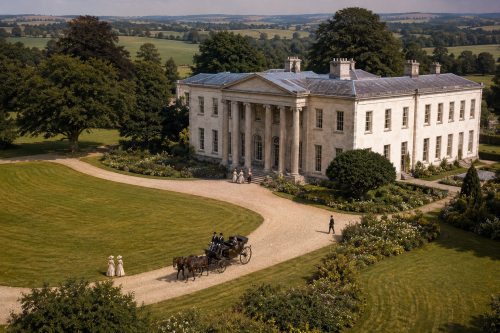
Mountshannon House, near Castleconnell in County Limerick, was one of Ireland’s grandest eighteenth-century mansions. Built around 1750, it later gained a monumental Ionic portico during an 1813 remodelling by architect Lewis Wyatt. Tradition claimed the house contained 365 windows, while its vast entrance hall could accommodate a horse-drawn carriage. Surrounded by a 900-acre demesne between the River Shannon and Mulkear River, its celebrated gardens were designed by John Sutherland. Home to the powerful FitzGibbon family, including John “Black Jack” FitzGibbon, 1st Earl of Clare, the mansion became a renowned centre of political influence, hospitality, wealth, political power, and aristocratic life.

View Image
Suits Jpeg

Suits Jpeg

Image 3 August 2026

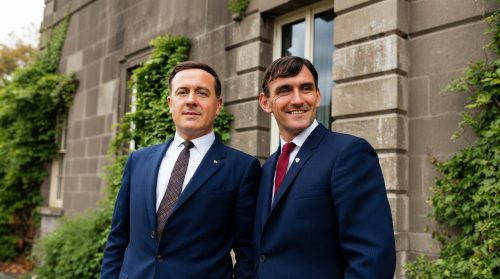
Tom O’Donnell and Paschal O’Grady, Limerick’s celebrated comedy duo, are pictured visiting Westport House in October 1967. Known simply as Tom and Paschal, they entertained Irish audiences nationwide for nearly five decades with sharp humour, memorable characters and remarkable stage chemistry. In 1961, they became the first comedy act to appear on Telefís Éireann’s opening-night broadcast. Their popular “Cashy and Noni” routines and annual Christmas Crackers revues made them beloved local favourites. Beyond entertainment, they toured towns and villages raising funds for schools, GAA clubs and churches, leaving an enduring legacy of laughter, generosity and affection throughout Limerick and beyond.

View Image
National Network

National Network

Article By Amergin 19 June 2026

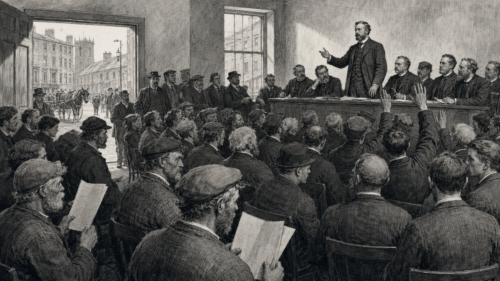
Parliamentary nationalism has acquired a powerful new local organisation following the acceptance of the United Irish League as the principal popular body supporting the reunited Irish Parliamentary Party. For nationalists throughout Limerick city and county, the arrangement promises to connect political representation at Westminster with campaigns concerning tenant rights, land purchase and the division of grazing estates. League branches may now provide farmers, labourers, shopkeepers and local political organisers with a direct influence upon nationalist policy and parliamentary candidate selection. The development places organised public opinion behind John Redmond’s leadership while preserving the land question as a central concern of…

Read Article
Suits Jpeg

Suits Jpeg

Image 3 August 2026

Tom O’Donnell and Paschal O’Grady, Limerick’s celebrated comedy duo, are pictured visiting Westport House in October 1967. Known simply as Tom and Paschal, they entertained Irish audiences nationwide for nearly five decades with sharp humour, memorable characters and remarkable stage chemistry. In 1961, they became the first comedy act to appear on Telefís Éireann’s opening-night broadcast. Their popular “Cashy and Noni” routines and annual Christmas Crackers revues made them beloved local favourites. Beyond entertainment, they toured towns and villages raising funds for schools, GAA clubs and churches, leaving an enduring legacy of laughter, generosity and affection throughout Limerick and beyond.

View Image
Horse Brake

Horse Brake

Image 16 July 2026

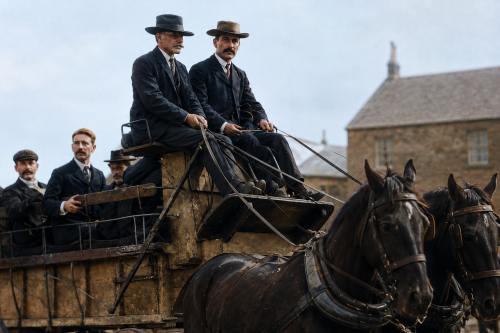
By 1900, Limerick’s great long-distance stagecoach era had largely disappeared, replaced by the expanding railway network. Horse-drawn vehicles nevertheless remained essential throughout the city and surrounding countryside. Large brakes and passenger wagons carried groups on local journeys, outings and transfers, while hackney cars, jaunting cars, drays and private carriages crowded the streets. Horses also transported goods from the docks, breweries, distilleries and railway station. This reconstructed scene captures a group of formally dressed men aboard a substantial horse-drawn vehicle, reflecting a transitional age when steam powered intercity travel, but horses still firmly supported Limerick’s everyday commercial, urban and social life.

View Image
Unionist Display

Unionist Display

Article By Flann 19 June 2026

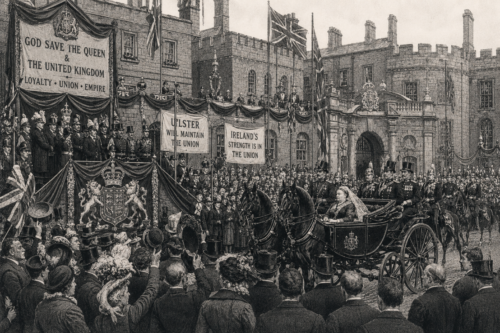
Dublin Castle and unionist organisations have used Queen Victoria’s arrival to affirm Ireland’s constitutional place within the United Kingdom. The administration directed an elaborate programme of ceremonial receptions, military escorts, civic addresses and public decoration intended to display loyalty to the Crown. Reports reaching Limerick describe streets filled with spectators and buildings dressed for the royal occasion. Unionist newspapers and public figures have welcomed the visit as proof that attachment to the monarchy remains substantial despite nationalist demands for Home Rule. The ceremonies present Ireland not as a nation awaiting separation, but as an established and valued part of the…

Read Article
Grazing Dominance

Grazing Dominance

Article By Amergin 22 June 2026

Cattle grazing remains more profitable than tillage in many Irish districts, encouraging landowners and substantial occupiers to devote extensive farms to livestock rather than labour-intensive cultivation. The difference is keenly felt in County Limerick, where broad grasslands can support valuable cattle while requiring comparatively few permanent workers. Families dependent upon agricultural wages find fewer opportunities wherever ploughing, sowing, weeding and harvesting give way to grazing. Supporters of the existing system point to dependable livestock markets and lower operating costs, but critics argue that profitable land is failing to sustain the number of people it once employed. Tillage requires labour throughout…

Read Article
Books Supporting the Archive

Profits from every book help fund the continuing preservation, restoration and free public sharing of Limerick’s history.

Cover of Ashes

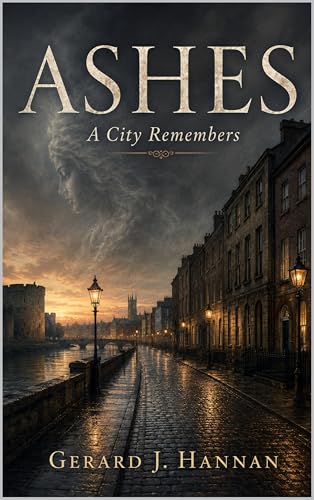
Ashes

The Ashes Trilogy, Book One

Ashes begins the story of a group of children growing up in the streets and lanes of Limerick, where poverty and hardship are balanced by humour, imagination and fierce friendship. Their city is more than a setting: it watches, remembers and gives voice to lives often absent from official history. As the children explore their neighbourhood, they encounter family pressures, faith, hunger, danger and the first signs of a changing world. Through their adventures and loyalties, the novel captures the resilience of ordinary people and introduces the characters whose lives will unfold across the three volumes of The Ashes Trilogy.

All Books Available As Instant E-Books, Paperbacks & Hardbacks Worldwide.

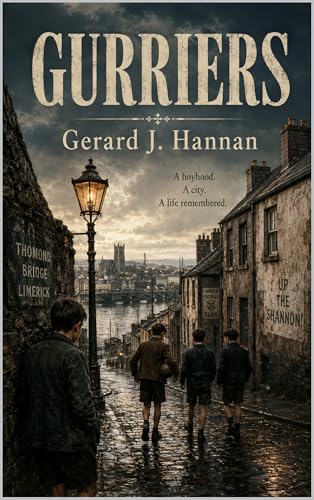
Cover of Gurriers

Gurriers

The Ashes Trilogy, Book Two

Gurriers continues the lives of the Limerick children introduced in Ashes as childhood freedom begins to give way to work, responsibility and harsher choices. Their friendships remain strong, but poverty, family expectations, faith and the pressures of growing older test loyalties once taken for granted. The streets and lanes still offer humour, adventure and belonging, yet the wider world increasingly intrudes upon their lives. Through vivid dialogue, memorable characters and the watchful voice of Limerick itself, the novel explores resilience, identity and change while showing how even the closest companions can be drawn towards futures by circumstances beyond their control.

All Books Available As Instant E-Books, Paperbacks & Hardbacks Worldwide.

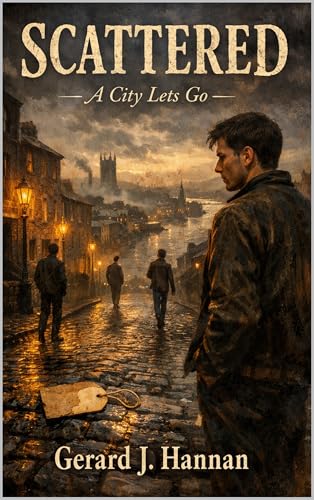
Cover of Scattered

Scattered

The Ashes Trilogy, Book Three

Scattered concludes The Ashes Trilogy as the friends who once shared Limerick’s streets and lanes face adulthood, work, hunger, faith, family duty and emigration. Time has altered their ambitions, tested their loyalties and carried some beyond the city that formed them. Yet memory continues to bind Louie, Seamus, Joe, Sean, Peter, Tony, Bardy, Maura, Eileen, Nora, Lingo and the mysterious Gleamer. Narrated through the enduring presence of Limerick itself, the novel explores separation, sacrifice and survival while recognising the humour and affection that remain. Together, their scattered lives complete a moving portrait of friendship, community and change across changing generations.

All Books Available As Instant E-Books, Paperbacks & Hardbacks Worldwide.

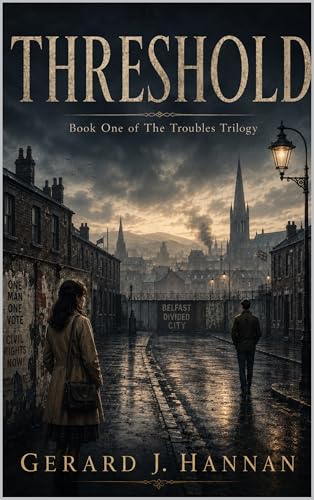
Cover of Threshold

Threshold

The Troubles Trilogy, Book One

Threshold opens in Belfast in 1968, where the Catholic Devlins and Protestant Morrows confront a city divided by religion, memory and fear. Civil rights marches, police violence, riots and internment transform ordinary streets into dangerous frontiers while political conflict enters homes, workplaces and schools. At the centre are Aileen Devlin and Thomas Morrow, whose relationship challenges the boundaries their families regard as essential to survival. As loyalty hardens into suspicion, both must decide whether inherited allegiance excuses injustice. Through family arguments, upheaval and private courage, the novel explores love, conscience, division and survival during the opening years of the Troubles.

All Books Available As Instant E-Books, Paperbacks & Hardbacks Worldwide.

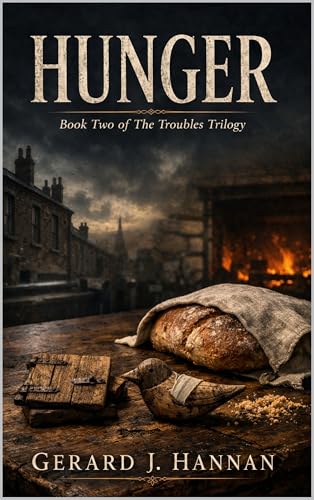
Cover of Hunger

Hunger

The Troubles Trilogy, Book Two

Hunger is Book Two of The Troubles Trilogy, set in Belfast during the 1980s. Aileen Devlin and Thomas Morrow have built a fragile life across the city’s sectarian divide, but the conflict threatens the home they created for their daughter, Claire. As hunger strikes, the Anglo Irish Agreement and violence reshape Northern Ireland, republican Declan and loyalist Billy exploit fear, grief and vulnerable young men. Against them stand Aileen, Kathleen and Elsie, whose quiet strength keeps their families human. This is a story of love, survival and the courage to place people before causes in a divided society under pressure.

All Books Available As Instant E-Books, Paperbacks & Hardbacks Worldwide.

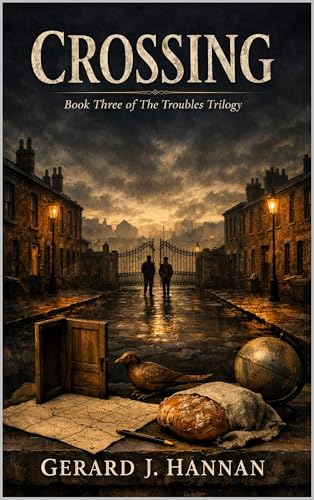
Cover of Crossing

Crossing

The Troubles Trilogy, Book Three

Crossing concludes The Troubles Trilogy during the decade from 1990 to 2000, as Belfast moves from violence towards negotiation, ceasefires and uncertain peace. The Devlin and Morrow families face political change alongside grief, ageing, divided loyalties and the consequences of choices made across three decades. Relationships once threatened by religious boundaries are tested by memory, mistrust and the fear that compromise may betray the dead. As the peace process gathers momentum, ordinary people must decide whether reconciliation is possible. The trilogy closes with a story of endurance, forgiveness, loss and hope beyond inherited division, proving that peace begins with courage.

All Books Available As Instant E-Books, Paperbacks & Hardbacks Worldwide.

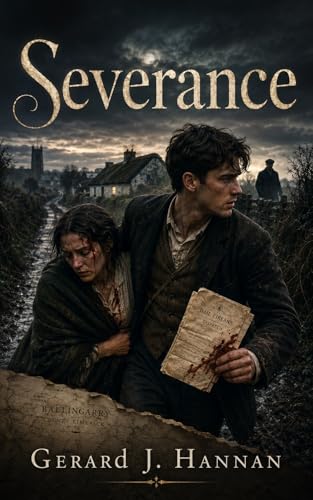
Cover of Severance

Severance

Historical Novel

Severance is a historical novel set in Ballingarry, County Limerick, during Ireland’s struggle for independence. A torn and bloodied dispatch passes through fields, kitchens, lofts and hidden routes, placing everyone who handles it in danger. Michael Enright carries the burden of trust, while Mary, Molly and their neighbours struggle to preserve the message and protect one another. Against them, Captain Edward Harcourt studies every delay, wound and fragment for clues. As loyalty, fear and betrayal tighten around the hidden network, ordinary people must decide what they are willing to risk when history enters their homes and silence itself becomes dangerous.

All Books Available As Instant E-Books, Paperbacks & Hardbacks Worldwide.

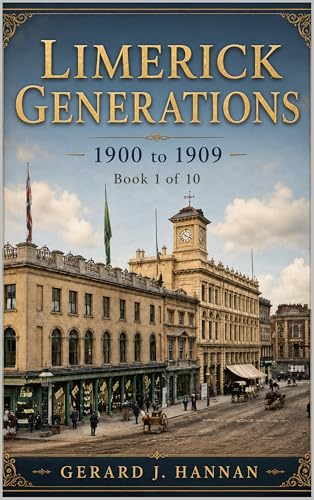
Cover of Limerick Generations: 1900 to 1909

Limerick Generations

1900 to 1909

Limerick Decalogy, Book One

Limerick Generations: 1900 to 1909 opens the decade by documenting a city and county entering the twentieth century amid political debate, commercial activity, poverty, faith and technological change. Month by month, the book connects major Irish developments with local events, institutions, streets and communities. Public meetings, labour, transport, education, sport, business and everyday life reveal how national questions were experienced in Limerick. Historical reports and carefully reconstructed narratives bring forgotten moments and ordinary people into focus. As Book One of Limerick Decalogy, it establishes the foundation for a ten volume journey through one hundred years of local history and memory.

All Books Available As Instant E-Books, Paperbacks & Hardbacks Worldwide.

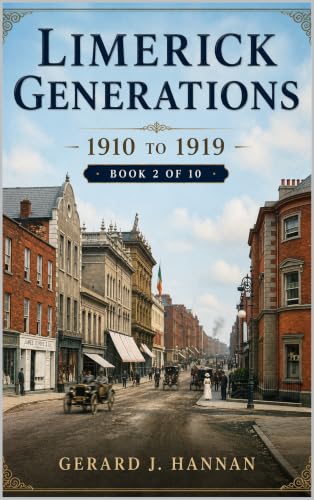
Cover of Limerick Generations: 1910 to 1919

Limerick Generations

1910 to 1919

Limerick Decalogy, Book Two

Limerick Generations: 1910 to 1919 traces a decade of political transformation, labour conflict, war, revolution and social change across Limerick city and county. Home Rule, unionist resistance, trade union organisation and the First World War entered streets, farms, schools, workplaces and family life. The Easter Rising, conscription crisis, influenza pandemic and general election altered public loyalties and expectations. The decade culminated in the Limerick Soviet of 1919, when workers challenged military restrictions through organised collective action. As Book Two of Limerick Decalogy, the volume preserves local experiences of hardship, courage, grief, endurance and change during years of intense historic upheaval.

All Books Available As Instant E-Books, Paperbacks & Hardbacks Worldwide.