Archived: 28 October 2026
Abstract
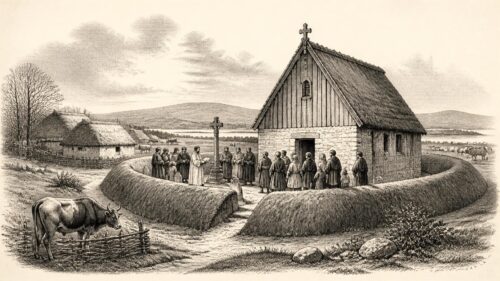
In 898, annalistic records portray Ireland as a landscape of vulnerable regional kingships and influential churches. Aidíth son of Laigne, king of Ulaid, was killed by his associates, probably amid intensified rivalry after military defeat, although motives and successor remain unknown. Cairpre, superior of Lann Léire at Dunleer, died, marking transition within a powerful ecclesiastical community. A reported shower of blood at Ard Cianachta was recorded as an extraordinary, possibly portentous phenomenon. In Corcu Bascinn, west Clare, King Flann son of Cathrannach died and his brother Lennán succeeded, illustrating dynastic continuity. Divergent annalistic chronologies require caution in dating these events.
Read Article
Archived: 28 October 2026
Abstract
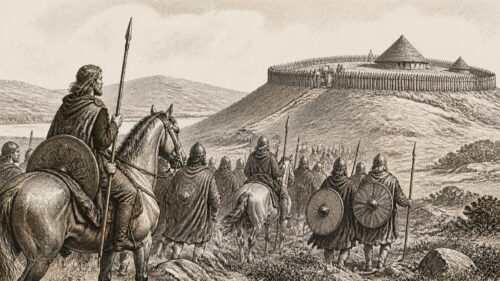
In annalistic 897, Máel Finnia of Brega defeated Ulaid and Dál nAraidi forces at Rath Cró, killing two kings and wounding Aidíth of Ulaid. Flann Sinna of Tara campaigned in Connacht, extracting pledges that demonstrated contested high-kingship. Uathmarán of Uí Fhailgi was killed by his own people, while Cormac of Mothail gained Déisi kingship after killing Máel Bennachta. Cathasach, tanist-abbot of Armagh, died. Aidíth was later murdered by associates. Dublin remained Scandinavian in 897; its expulsion belonged to 902. The sources reveal regional warfare, unstable succession and church politics, but cannot support broader claims about ordinary life or environmental conditions.
Read Article
Archived: 28 October 2026
Abstract
In the annalistic year conventionally rendered 896, Ireland experienced interconnected regional crises rather than a single national conflict. Flann son of Lonán, acclaimed as Ireland’s chief poet, was killed by the Uí Fhothaid in the Déisi. Norse leaders Sitriuc and Amlaíb, linked to Ímar’s dynasty, died in separate violence, revealing Scandinavian divisions and resistance by coastal peoples. Máel Achaid, Clonmacnoise’s designated successor, was killed amid retaliation involving Delbna Bethra, while senior clerics died peacefully. Brega, Ulaid, Osraige and Munster saw killings or rivalry; Cenn Gégáin assumed Cashel’s kingship. Sparse annals show cultural, ecclesiastical and political authority intertwined across fragmented lordships.
Read Article
Archived: 28 October 2026
Abstract
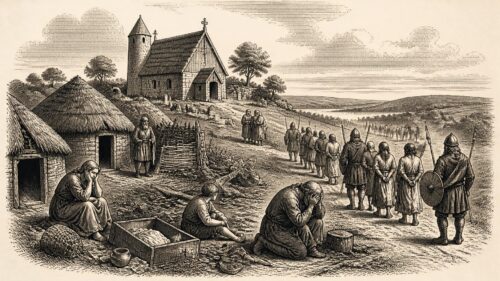
In 895, during the year, according to annalistic chronology, Dublin raiders led by Glún Iarainn plundered Armagh, reportedly carrying off 710 captives and damaging its church. The attack exposed the vulnerability of a major ecclesiastical and political centre. Elsewhere, Dub Lachtna of Caisel and churchman Máel Petair died; Cellach, Brega’s leading heir, was treacherously killed; and Muiredach of Ulaid fell in regional conflict. Heavy snowfall and great scarcity disrupted subsistence, likely worsening hardship without proving direct causes for violence. These fragmented records portray Ireland as interconnected kingdoms and churches, where sacred wealth, political succession, and ordinary survival remained precariously entwined.
Read Article
Archived: 28 October 2026
Abstract
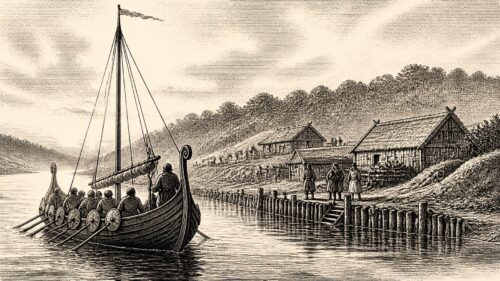
In 894, Irish annals record significant political and ecclesiastical developments. An unnamed son of Ímar returned to Ireland after dissension among Scandinavians at Dublin, although neither his aims nor success is known. Diarmait son of Cerball assumed kingship of Osraige, restoring dynastic rule in a strategic region between Munster and Leinster. Deaths of ecclesiastical stewards and abbots, including officers of Patrick’s community, Clonmacnoise and Lismore, underline monastic institutions’ temporal authority. Later annals preserve traditions concerning fairs, warfare and church profanation, but their chronology is uncertain. The evidence depicts fragmented Ireland shaped by regional rivalries, church power and Irish Sea mobility.
Read Article
Archived: 28 October 2026
Abstract
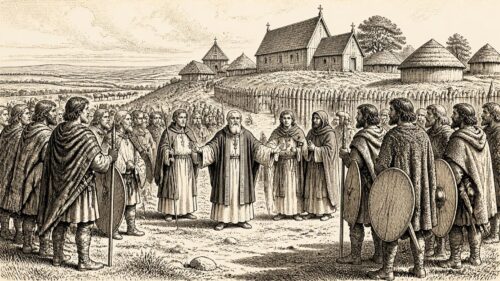
In 893, surviving annals depict Ireland as a landscape of ecclesiastical, dynastic and Scandinavian power. Mochta, bishop, anchorite and scribe of Armagh, died, emphasising the church’s learned authority. At Whitsun, Cenél nEógain and Ulaid forces fought at Armagh; Máel Brigte imposed settlement under Patrick’s honour through compensation, hostages and executions. Dublin’s Scandinavian leadership split between a son of Ímar and the jarl Sigfrith, prompting departures but not ending Viking activity. Congalach, heir designate of Brega, also died, exposing uncertain succession. These fragmentary records reveal sacred centres enforcing political claims amid interconnected Irish Sea conflict and the burdens borne by communities.
Read Article
Archived: 28 October 2026
Abstract
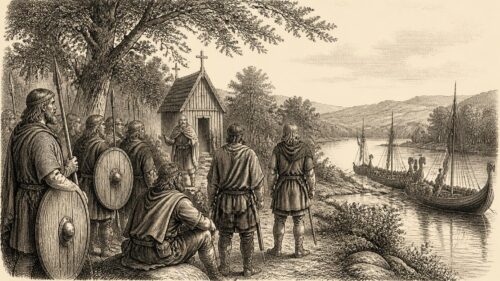
In 892, Riaccán son of Dúngal, of Osraige’s ruling dynasty, defeated Scandinavian forces associated with Waterford, Wexford and St Mullins, demonstrating local resistance along vital river routes. The annals’ reported two hundred heads signal a major victory but not a precise casualty total. Ireland remained politically fragmented under Flann Sinna’s loose overkingship; Tigernán of Bréifne also died. Obituaries for Máel Brigte of Clonmacnoise and Máel Corgais of Lorrha underline churches’ religious, economic and political importance. On 11 November, the Martinmas storm destroyed trees, houses and oratories. These notices portray a society dependent on vulnerable waterways, lordships, monasteries and rural resources.
Read Article
Archived: 28 October 2026
Abstract
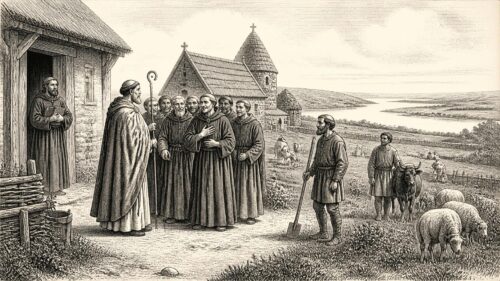
In 891, Irish annals record three modest yet revealing events: the death of Gormán son of Mugrón, king of Glennamain; the death of Flann mac Máel Dúin, abbot of Iona; and Máel Petair son of Cúán’s acquisition of Clonfert. Variant annalistic naming of Iona’s abbot illustrates the uncertainties of transmitted chronology, though scholars generally identify Faelán and Flann as one man. Iona remained an active Columban centre despite earlier Scandinavian raids, while authority was gradually shifting towards Irish houses such as Kells. Clonfert’s succession reflected ecclesiastical control of land, revenues and patronage. Gormán’s death demonstrates Ireland’s fragmented local kingship clearly.
Read Article


