Membership is completely free, giving members unlimited access to all available resources, services, features, and benefits without any restrictions or fees.
Welcome back. Sign in to continue enjoying unlimited access to all available resources, services, features, and member benefits at no cost.
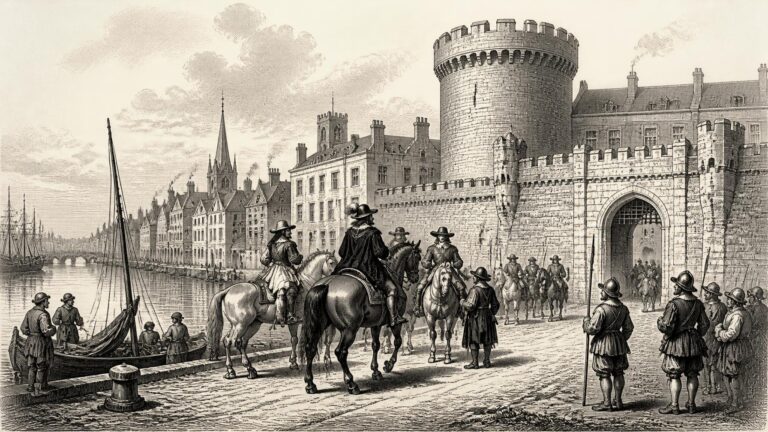
Wentworth’s authority was both practical and theatrical. In August he made a progress through Leinster and Munster, receiving formal civic welcomes in a succession of towns. Such occasions allowed municipal elites to demonstrate loyalty and gave the lord deputy a visible presence far beyond Dublin Castle. They should not, however, be mistaken for a popular verdict on his rule. The receptions were carefully managed. Many landowners, both catholic and protestant, had reason to fear the administration’s use of commissions, inquisitions and prerogative jurisdictions to reopen questions apparently settled by long possession.
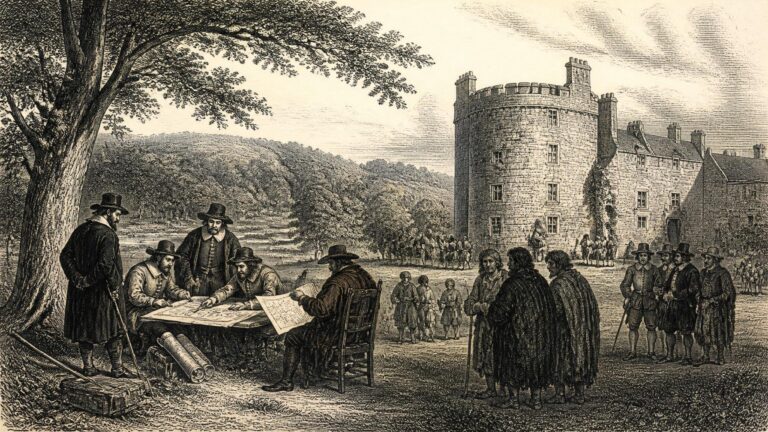
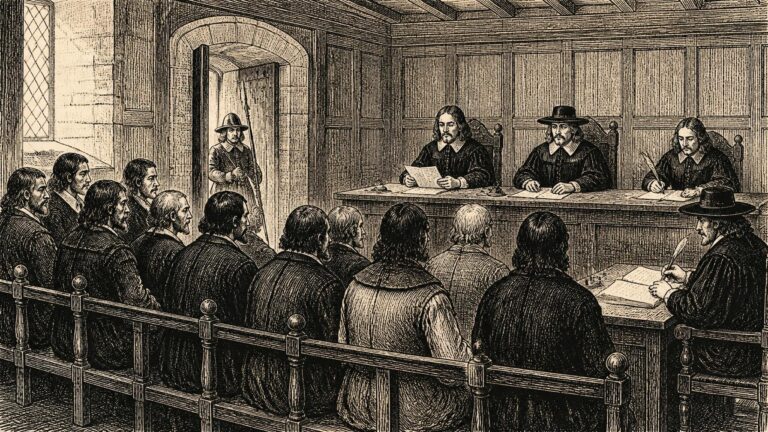
The dispute had begun in 1635, when Wentworth pressed the ancient royal claim to Connacht. By treating the medieval grant of the province to Lionel of Antwerp as a continuing title in the Crown, officials sought verdicts that would clear the way for a new plantation. Juries in Roscommon, Mayo and Sligo found for the king. County Galway did not. Its jurors rejected the Crown’s claim, in a county where the political weight of the Catholic Earl of Clanricarde and the interests of old landowning families made the proposed settlement particularly threatening.
Wentworth had been appointed in January 1632 but did not cross to Ireland until the following summer. During the delay, government had been carried on by the lords justices, principally Richard Boyle, earl of Cork, and Adam Loftus, lord chancellor. Their position was necessarily provisional. Cork was among the wealthiest and most powerful men in the kingdom; Loftus possessed the great seal and formidable legal authority. Yet both were now required to yield the centre of power to a deputy sent directly by the king.