
Archived: 26 September 2026
Abstract
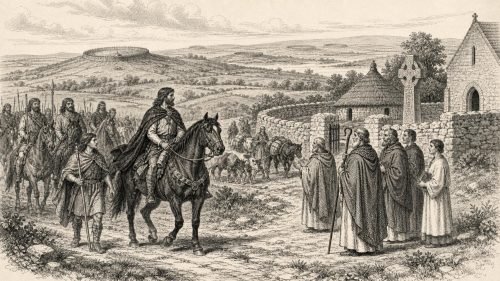
Annals for 1009 portray Ireland as a contested polity under Brian mac Cennétig’s formidable but limited overlordship. Máel Sechnaill raided Leinster, while Flaithbertach Ua Néill killed rivals, raided Brega and seized cattle tribute. Connacht and Bréifne fought reciprocal campaigns, alongside local dynastic killings. The death of Brian’s Connacht-born wife reflected the political importance of royal marriage. Armagh’s lead-roofed oratory demonstrated ecclesiastical wealth and ambition; deaths of church successors at Kells and Ros Cré marked institutional change. The chief poet Clothna also died. Cattle, warfare, hostages, alliances and religious centres shaped authority, revealing competing kingships rather than a unified Irish state.
Read Article
Archived: 26 September 2026
Abstract
In 1006, Brian Bórama demonstrated the reach yet limits of his Irish overlordship by leading a broad coalition from Munster, Leinster, Mide, Connacht and Dublin through the north. His circuit secured Ulaid hostages and satisfied Armagh's claims, strengthening royal and ecclesiastical legitimacy, but Cenél Conaill and Cenél nEógain withheld submission. Provincial violence continued, including killings of regional kings, revealing unstable local rule. The deaths of Armagh churchmen underline clerical institutions' importance. A mild, food-rich winter offered relief after scarcity, while the army's passage burdened rural communities. Dublin's participation reflected its growing military, commercial and maritime value within Brian's negotiated supremacy.
Read Article

Archived: 26 September 2026
Abstract
Brian Boru’s northern campaign of 1005 demonstrated his contested claim to high-kingship over Ireland. After establishing dominance in the south and securing Máel Sechnaill’s submission, he led an army, including Gaelic and Norse-Irish forces, to Armagh and Ulaid. At Patrick’s altar he gave twenty ounces of gold, strengthening ties with Armagh’s primatial church; the Book of Armagh associated him with title imperator Scotorum. His expedition sought hostages from northern dynasties, but accounts differ over whether Cenél Conaill and Cenél nEógain submitted. Ulaid suffered dynastic killings, external attacks and scarcity that dispersed its population. The year showed kingship dependent on campaigns.
Read Article

Archived: 26 September 2026
Abstract
In 1001, rivalry between Brian Boru of Munster and Máel Sechnaill of Mide centred on control of the midlands and Shannon. Brian’s growing power, strengthened by Dublin’s submission, threatened the older Uí Néill order, though Munster raiders were defeated in southern Mide. Máel Sechnaill and Cathal of Connacht constructed a causeway at Athlone to obstruct Munster fleets and defend Leth Cuinn, demonstrating both alliance and anxiety. Deaths among northern rulers exposed unstable regional politics. Changes at Armagh and clerical deaths underscored churches’ political and economic importance. The year remained inconclusive, but marked a defensive attempt to contain Dál Cais expansion.
Read Article
Archived: 26 October 2026
Abstract
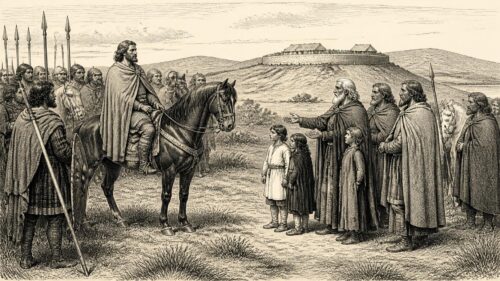
In 996, Brian Boru, king of Munster, took hostages from Uí Cheinnselaig and territories west of the Liffey at Mag Ailbe, demonstrating expanding influence in Leinster without establishing uncontested national rule. Annalistic chronology differs, requiring caution over dates and causal links. Deaths of rulers in Uí Cheinnselaig and Osraige accompanied regional instability and succession. Armagh suffered a major fire attributed to lightning, although other chronicles report plundering and burning by Airgialla. In the north, Áed of Ailech defeated raiders at Glenn Rige. These events reveal competing lordships, vulnerable churches, military power, and Brian’s growing leverage before the 997 division agreement.
Read Article
Archived: 27 October 2026
Abstract
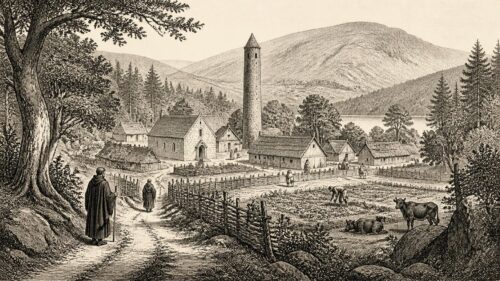
In 957, Irish annals chiefly record deaths of important royal and ecclesiastical office-holders rather than warfare or major events. During Domnall ua Néill’s early reign, following Congalach’s violent death, Máel Fothartaig, king of Caisel, and Máel Coluim ua Canannáin, king of Cenél Conaill, died, opening significant regional successions. Cathasach of Druimthorraid, successor of Patrick and learned bishop, also died, leaving Armagh’s influential Patrician institution without its head. Flann ua hAedacáin, superior of Glendalough, Colmán, successor of Mo-Laise, and other figures were likewise commemorated. The sparse record reveals interconnected political, religious and local authority, while obscuring ordinary lives and succession processes.
Read Article
Archived: 28 October 2026
Abstract
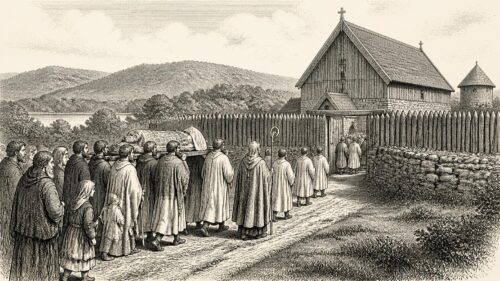
In 881, the Annals of Inisfallen record the death of Aed of In tAilén, described as bishop and confessor of Ireland, though his church and byname remain uncertain. Corrected annalistic chronology also places Flann Sinna’s northern expedition in this year. Leading Irish and Scandinavian forces, he camped at Mag Eitir dí Glais, invaded Armagh, and received hostages from Cenél Conaill and Cenél nEógain, asserting overlordship through military pressure and negotiation. The evidence highlights churches as influential, vulnerable centres of learning and wealth, Scandinavian participation in politics, and the limits of medieval records, which reveal no securely dated crises or conditions.
Read Article
Archived: 28 October 2026
Abstract
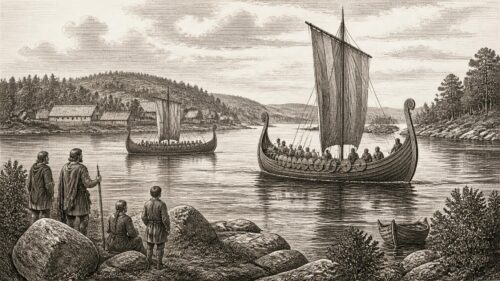
A Year of Flight and Rival FleetsIn 877, Ireland stood at the centre of a volatile Irish Sea world. The most striking notice for the year is not an Irish battle or royal assembly, but the arrival of an overseas king in flight: Rhodri son of Merfyn, ruler of the Britons, came to Ireland to escape the Dubgaill, or “dark foreigners”. The wording of the Irish annals is brief, but its implications are considerable. A king from Gwynedd and the wider Welsh political sphere could seek safety across the sea, while Scandinavian rivalries reached from Dublin and northern Ireland into
Read Article
Archived: 28 October 2026
Abstract
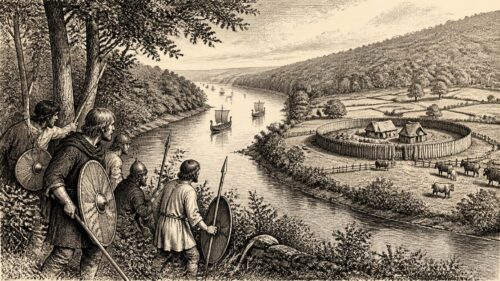
In 860, Irish politics were shaped by warfare, alliance and contested authority. Cerball mac Dúnlainge of Osraige defeated raiders associated with Port Láirge at Achad mic Erclaige, probably Agha near Kilkenny, protecting inland routes and royal prestige. Máel Sechnaill mac Máele Ruanaid assembled a broad coalition for a northern campaign against Áed Findliath, but failed to secure lasting supremacy. Annalistic accounts, especially the Fragmentary Annals, combine historical evidence with pro-Cerball literary embellishment. Armagh’s church leadership mediated oaths and legitimised power, while Scandinavian groups remained political actors. Notices of deaths among rulers and scholars reveal interconnected secular, ecclesiastical and local communities.
Read Article
Archived: 29 October 2026
Abstract
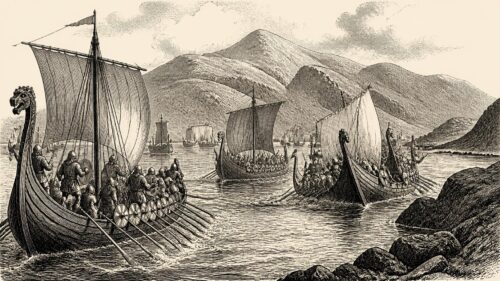
In 852, rival Viking fleets fought for three days at Snám Aignech, probably Carlingford Lough. Annals disagree over leaders, numbers and victors, but confirm a major struggle between competing overseas groups. Raiders from Linn Duachaill devastated Armagh, Ireland’s foremost Patrician church, while later tradition describes some local collaboration. That year also saw deaths of Armagh’s rival coarbs, Forannán and Diarmait, complicating recovery. Elsewhere, Cianachta defeated foreigners in eastern Brega. The evidence depicts contested coastal waters, vulnerable yet resilient ecclesiastical centres, local resistance, and fragmented Irish politics under Máel Sechnaill across a predominantly rural society, rather than outright conquest or collapse.
Read Article
Archived: 29 October 2026
Abstract
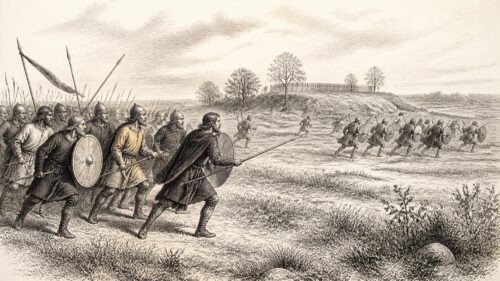
The surviving record for 847 CE begins not with a battle but with weather. The Annals of Ulster, whose annal labelled U848 corresponds to AD 847, notes a great snowfall on 1 February. It gives no duration, no depth and no tale of disaster; it is therefore unsafe to turn the notice into a ‘great winter’. Yet the entry is revealing. Snow sufficient to merit notice altered movement, grazing and work across a predominantly rural island, at a moment when armed forces, food supplies and communications already faced exceptional strain. In the same year Ireland saw a remarkable sequence of
Read Article
Archived: 1 November 2026
Abstract
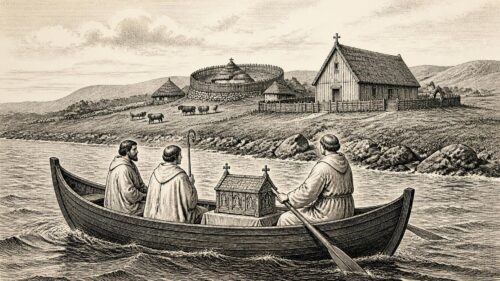
In October 729, Adomnán’s relics returned from Ireland to Iona, providing the year’s clearest securely dated Irish-connected event. The journey demonstrates enduring Columban links across the North Channel and the practical importance of maritime transport, sacred objects and ecclesiastical custodianship. It occurred amid contested northern Uí Néill politics following Flaithbertach mac Loingsig’s victory in 728, although no battle is securely recorded for 729. Later claims that Flaithbertach resigned or died that year, and that Armagh’s bishop Suibne died then, are chronologically unreliable. Ireland comprised competing regional rulers, influential churches and rural communities whose labour sustained monasteries, travel and political power.
Read Article


