
Archived: 26 September 2026
Abstract
In 1990, Ireland combined growing international confidence with economic insecurity and continuing Northern conflict. Dublin’s European Community presidency hosted discussions on German reunification and future union, while Italia ’90 inspired nationwide celebration after Ireland reached the World Cup quarter-finals. Nelson Mandela’s visit highlighted Irish anti-apartheid solidarity, and abolition of the death penalty marked legal reform. Economic recovery remained uneven, with unemployment at 12.9 per cent. Northern Ireland saw violence alongside tentative political developments. Mary Robinson’s presidential victory over Brian Lenihan, following damaging controversy, made her Ireland’s first woman president and challenged established assumptions about political authority, gender and public life.
Read Article

Archived: 26 September 2026
Abstract
In 1987, Fianna Fáil returned under Charles Haughey as a minority government after the collapse of the Fine Gael–Labour coalition, amid severe unemployment, debt and emigration. Ray MacSharry’s budget imposed spending restraint, while the Programme for National Recovery inaugurated social partnership. In Crotty v An Taoiseach, the Supreme Court required popular approval for elements of the Single European Act; voters subsequently passed the Tenth Amendment. Northern Ireland remained scarred by conflict, including the Loughgall ambush and the IRA’s Enniskillen bombing, which killed eleven civilians. Johnny Logan’s Eurovision victory and Seamus Heaney’s The Haw Lantern provided notable cultural moments that year.
Read Article
Archived: 8 October 2026
Abstract
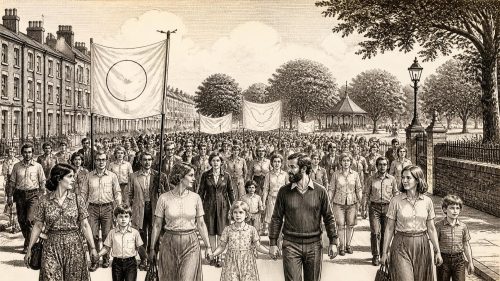
In 1976, Ireland endured intensified Troubles violence, including the Kingsmill massacre, the assassination of British Ambassador Christopher Ewart-Biggs, and continued direct rule in Northern Ireland. The Republic strengthened cross-border criminal co-operation and declared a constitutional emergency, prompting President Cearbhall Ó Dálaigh’s referral of emergency legislation, ministerial insult and resignation; Patrick Hillery succeeded him. Deaths of the Maguire children inspired the Peace People’s mass cross-community marches. Economic recession brought inflation and unemployment, alongside inheritance-tax and family-home reforms. An exceptional drought preceded wildlife legislation. Cultural life included U2’s formation and Maeve Binchy’s play, illustrating resilience amid political, social and environmental nationwide strain.
Read Article
Archived: 8 October 2026
Abstract
In 1957, Ireland faced economic decline, emigration and renewed border violence. The IRA’s failed Brookeborough attack killed Seán South and Fergal O’Hanlon, while subsequent violence prompted de Valera’s Fianna Fáil government, elected in March, to intern republicans at the Curragh. Despite constitutional commitment to unity, Dublin prioritised state authority. T. K. Whitaker’s analysis of protectionism, weak exports and unemployment initiated preparation for economic reform, alongside IMF and World Bank membership. Social legislation addressed health insurance, mental treatment, married women’s legal status and Gaeltacht employment. The Fethard-on-Sea boycott exposed religious intolerance, while theatre censorship and railway closures reflected rural contraction nationwide.
Read Article
Archived: 10 October 2026
Abstract
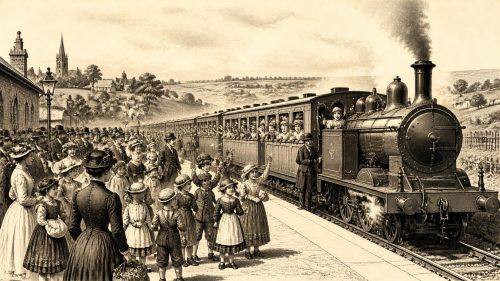
In 1889, Richard Pigott’s forged letters linking Charles Stewart Parnell to the Phoenix Park murders collapsed under cross-examination, vindicating Parnell though the Special Commission continued. Rural conflict persisted around the Plan of Campaign and coercive enforcement, despite reduced official proclamations. The Armagh railway disaster killed 80 people and injured 260, prompting railway safety legislation. Horace Plunkett began co-operative experiments at Doneraile. Cultural developments included Yeats’s The Wanderings of Oisin and Other Poems and Douglas Hyde’s Irish-language folktale collection. Parnell’s year ended ominously when Captain William O’Shea filed a divorce petition, foreshadowing the crisis of 1890 and the ensuing party split.
Read Article
Archived: 10 October 2026
Abstract
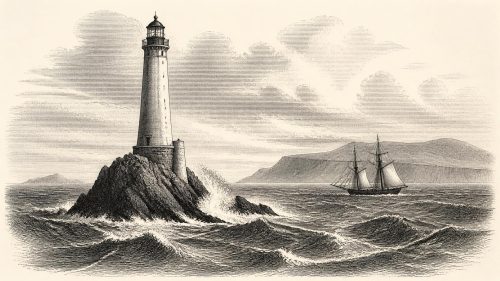
In 1854, Ireland remained deeply marked by famine, depopulation, poverty, emigration and changing landholding. Fastnet Lighthouse opened to improve Atlantic navigation, yet the emigrant ship Tayleur was wrecked off Lambay, killing hundreds and exposing migration’s dangers. Poor-law institutions managed continuing hardship while mass emigration connected Ireland with Britain, America and Australia. Tenant-right politics weakened amid conflict between Archbishop Paul Cullen and Frederick Lucas over clerical involvement. John Henry Newman opened the Catholic University of Ireland, despite limited resources and no degree-granting charter. The National Gallery Act and Charles Davis Lucas’s Baltic heroism also reflected Ireland’s developing cultural and imperial connections.
Read Article
Archived: 10 October 2026
Abstract
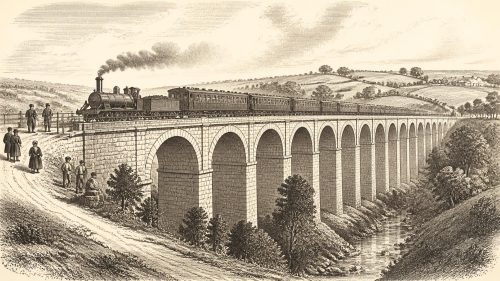
In 1852, post-Famine Ireland remained shaped by depopulation, emigration, poor-law hardship, estate sales and rural insecurity. William Sharman Crawford’s Tenant Right Bill sought recognition of Ulster custom, compensation for improvements and limits on eviction, but failed despite sustained Commons debate. The Tenant Right League united Catholic, Presbyterian and nationalist reformers, securing forty-eight pledged MPs in the July election, though its unity remained fragile. Derby’s government introduced further land bills in November, but fell before settlement. Meanwhile, Craigmore Viaduct opened the Belfast–Dublin route, symbolising industrial investment. Belfast’s British Association meeting also highlighted worsening urban sanitary conditions amid Ireland’s uneven post-Famine transformation.
Read Article
Archived: 11 October 2026
Abstract
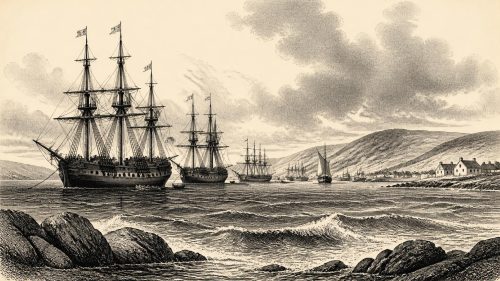
In 1796, Ireland faced an attempted French invasion that exposed the convergence of revolutionary politics, sectarian tension and wartime insecurity. Theobald Wolfe Tone helped secure French support for an expedition under General Hoche, but storms, dispersal and confused command prevented its 14,000 troops from landing at Bantry Bay. Dublin Castle answered unrest with the Insurrection Act and newly established yeomanry, while Orange organisation strengthened Protestant loyalism. Catholic responses varied, exemplified by Bishop Francis Moylan’s anti-revolutionary pastoral. Meanwhile, the Royal Canal reached Kilcock and Edward Bunting published Irish harp music. The failed invasion intensified repression, mobilisation and republican hopes before 1798.
Read Article
Archived: 12 October 2026
Abstract
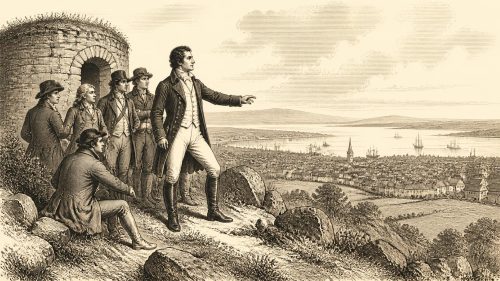
In 1795, wartime Ireland experienced reform, concession and sectarian conflict within its subordinate relationship to Britain. Lord Fitzwilliam’s arrival encouraged Catholic hopes of parliamentary admission, but London recalled him and defeated Grattan’s bill, undermining constitutional reform. United Irish leaders consequently moved further towards clandestine republicanism; Wolfe Tone departed for America seeking French support. Parliament nevertheless founded St Patrick’s College, Maynooth, to train Catholic clergy domestically. In County Armagh, the Battle of the Diamond confirmed Protestant dominance and prompted the formation of the Orange Order, followed by expulsions of Catholics. Routine infrastructure, legal and trade measures continued amid insecurity and polarisation.
Read Article
Archived: 12 October 2026
Abstract
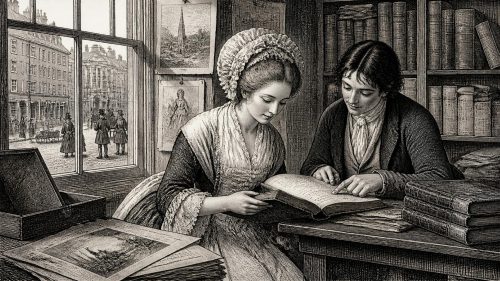
In 1789, George III’s incapacity prompted Ireland’s parliament to invite the Prince of Wales to govern as unrestricted regent, asserting constitutional judgement distinct from Westminster before the king’s recovery ended the crisis. The episode exposed parliament’s Protestant, elite and unrepresentative character, while the Irish Whig Club reflected growing reform organisation. Rural proclamations recorded conflicts over land, tithes and authority amid an unequal agricultural economy. Charlotte Brooke’s Reliques of Irish Poetry made Irish-language literature accessible through English paraphrases and Irish texts, demonstrating scholarly networks despite women’s exclusion from institutions. News from France widened debate, foreshadowing 1790s upheavals without determining Irish politics.
Read Article

Archived: 12 October 2026
Abstract
In 1784, Rutland’s new administration resisted Irish parliamentary reform, and Henry Flood’s measure was defeated, exposing the limits of legislative independence under Anglican patronage. Reform meetings and Volunteer delegates continued to demand broader representation, while Catholic leaders debated whether further relief risked existing gains. In County Armagh, raids by Peep o’ Day Boys amid competition for land, linen work and security prompted the first organised Defenders near Ballymacnab. Expanding linen exports and the Grand Canal service to Robertstown indicated commercial growth, yet insecurity and inequality persisted. The year ended without settlement, revealing divisions of power, religion, property and livelihood throughout.
Read Article
Archived: 12 October 2026
Abstract
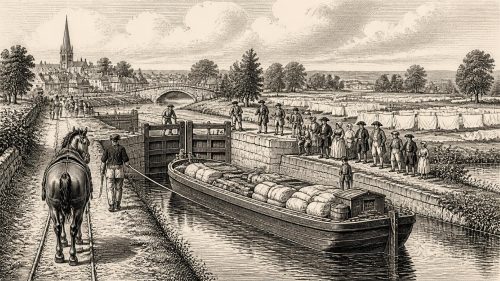
In 1763, Ireland’s expanding economy exposed social and religious inequalities. The Treaty of Paris ended the Seven Years’ War, reshaping imperial trade while restrictions continued to limit Irish commerce, except the linen industry. In Ulster, the Hearts of Oak protested county cess, compulsory road labour, tithes and established-church charges; troops and local concessions contained them. Conversely, the Lagan Navigation opened between Belfast and Lisburn, improving transport for linen and bulk goods while highlighting unequal costs of development. Hugh Percy became lord lieutenant, and the Freeman’s Journal began publishing. Catholic and Presbyterian institutions also developed despite penal laws and Protestant privilege.
Read Article

Archived: 13 October 2026
Abstract
In 1738, Ireland experienced a wet, delayed farming season, documented in Cathal Ó Conchubhair’s Irish-language diary through delayed harvests and turf work, exposing rural dependence on weather, fuel and mixed crops. Samuel Madden urged Protestant landlords to promote estate management, agriculture, flax, education and manufacture, though his improvement scheme preserved inequalities. Parliament remained prorogued while government addressed robbery through proclamations and rewards. The deaths of harper Turlough O’Carolan and Dublin educator Thomas Sheridan marked losses. Roxborough Castle’s construction and Richard Montgomery’s birth reflected investment and Protestant Atlantic opportunities. The year revealed social division, economic ambition and environmental vulnerability without famine.
Read Article

Archived: 14 October 2026
Abstract
On 5 May 1674, the Hospital and Free School of King Charles II opened at Oxmantown, Dublin, admitting sixty poor children, including three girls, and combining education, clothing, food and Protestant instruction. Its civic charity symbolised Restoration order amid poverty and uneven urban recovery. Lord Lieutenant Essex sought administration despite disputed land settlements, financial arrears, unpaid troops and Dublin Castle, where he built lodgings. Government reinforced Protestant authority by expelling Catholic clergy, though worship persisted covertly. Grain restrictions revealed concern over supplies and prices, especially in Ulster, despite peace with the Dutch. Proclamations against robbers and Redmond O’Hanlon exposed insecurity.
Read Article
Archived: 17 October 2026
Abstract
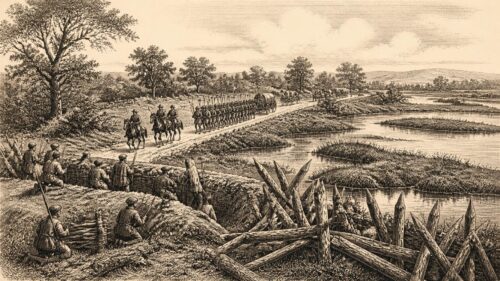
In 1598, the Battle of the Yellow Ford transformed the Nine Years’ War into a crisis for English government in Ireland. On 14 August, a crown army suffered devastating defeat near the River Blackwater in County Armagh. Confederates associated with Hugh O’Neill and Hugh Roe O’Donnell gained confidence, while royal forward positions became harder to maintain. Revolt widened beyond Ulster into Leinster and Munster. The outcome emerged from a year combining warfare, negotiation and political manoeuvre, rather than inevitable rebel victory. Yellow Ford’s significance lay in its consequences: weakened royal strategy, strengthened resistance and an expanding challenge to crown authority.
Read Article
Archived: 18 October 2026
Abstract
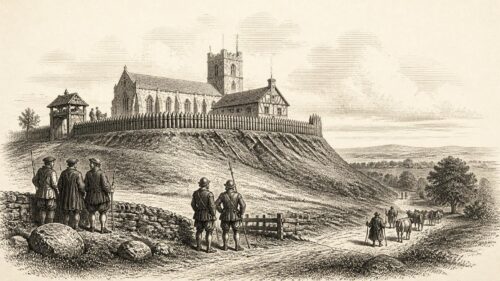
In 1561, Shane O’Neill’s contest with the Dublin administration over authority in Ulster became Ireland’s principal political crisis. After capturing An Calbhach O’Donnell in May, O’Neill disrupted a planned alliance of Ulster and Scottish opponents. Sussex proclaimed him traitor, marched north, and fortified St Patrick’s Cathedral, Armagh, as a royal garrison. O’Neill’s forces besieged the post and inflicted a reverse on crown troops during their July withdrawal. A September expedition to Lough Foyle also failed to establish control. Negotiations followed, leading to O’Neill’s safeguarded journey to England in December. Coinage proclamations and correspondence revealed wider governmental, economic and diplomatic pressures.
Read Article
Archived: 18 October 2026
Abstract
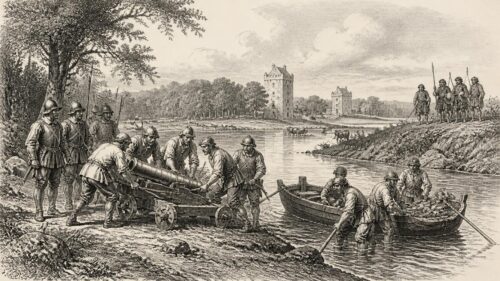
In 1557, Tudor policy combined legislation, plantation and military coercion to extend royal control across Ireland. Parliament created Queen's County and King's County from Laois and Offaly, planned Maryborough and Philipstown, restored Catholic arrangements, and adjusted Poynings' Law, while protecting former church lands. Sussex's campaigns against O'Connor Faly and neighbouring lords used artillery, garrisons, hostages and executions, devastating communities. Agreements such as William O'Carroll's bound Gaelic leaders to service and payments. In Ulster, Shane O'Neill's rivalry with Calvagh O'Donnell ended in defeat, while Sussex's sack of Armagh failed to secure Tyrone. New shires proclaimed authority, but resistance and violence persisted.
Read Article
Archived: 18 October 2026
Abstract
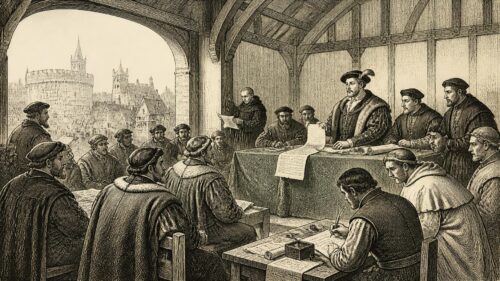
In 1521, Thomas Howard, earl of Surrey, sought to extend Henry VIII’s authority in Ireland, but inadequate money, troops and local support exposed the limits of Dublin government beyond the Pale. A June parliament regulated crop burning, wool exports and jury procedure, yet resisted the burdens of billeting and military finance. Surrey’s campaigns and negotiations in the midlands did not end shifting regional alliances. Annals recorded successions, killings, lordship disputes and ideals of hospitality across Ulster and Fermanagh. George Cromer received Armagh, while William Rokeby died. Surrey’s December recall confirmed that Tudor intervention remained costly, partial and showed dispersed power.
Read Article
Archived: 21 October 2026
Abstract
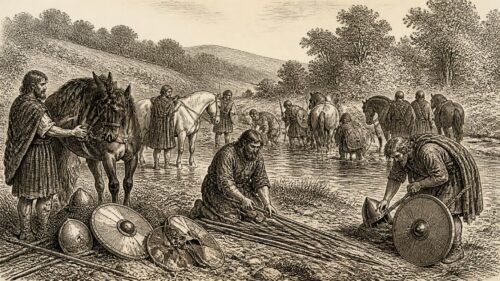
In 1404, Ireland remained politically fragmented between the English lordship, Anglo-Irish magnates and Gaelic rulers. At Blackford in Laigis, Gilla Pátraic Ó Mórdha defeated forces identified as English, capturing horses, weapons and armour. Connacht saw Mac Diarmata succession struggles, regional deaths and warfare, while Domnall Ó Néill claimed Ulster’s kingship amid continuing rivalry. Bishop Tomás Barrett died, Nicholas Fleming was appointed to Armagh, and widespread lectual sickness was reported. Maritime conflict occurred in Munster. The deaths of several ollamhs, or learned masters, highlighted the vulnerability of hereditary cultural institutions. Annals also record household figures, local violence and uncertain chronology throughout.
Read Article

Archived: 24 October 2026
Abstract
In 1303, Ireland contributed significantly to Edward I's Scottish campaign under Richard de Burgh, earl of Ulster, who led an estimated 3,000 Gaelic and Anglo-Irish troops. Their service demonstrated cross-channel aristocratic connections and required continued Irish administration, including replacement of absent officials and financial management. In Tír Conaill, Áed Ó Domnaill killed his brother Toirrdelbach after prolonged conflict, becoming lord amid widespread devastation. Church leadership also changed: Archbishop Nicholas Mac Maoil Íosa of Armagh and Bishop Máel Sechlainn Mac Briain of Elphin died, prompting succession processes. Despite uncertain annalistic dating, records portray Ireland as politically divided yet engaged with Britain.
Read Article

Archived: 25 October 2026
Abstract
On 18 June 1264, an assembly at Castledermot became the earliest securely documented Irish gathering to call itself a parliament. Chaired by the justiciar Richard de la Rochelle, it investigated Dublin archbishops’ claimed criminal jurisdiction against Prince Edward’s rights, illustrating contested authority rather than representation. Meanwhile Walter de Burgh’s war with the FitzGeralds devastated Connacht and exposed weakness in royal administration. Anglo-Irish leaders negotiated peace with Fedlimid Ó Conchobair at Athlone, acknowledging Gaelic power. In Armagh, Archbishop Máel Pátraic Ó Scannail built defences and welcomed Franciscans. Together, these events vividly reveal competing lordly, royal, Gaelic and ecclesiastical powers in Ireland.
Read Article
Archived: 25 October 2026
Abstract
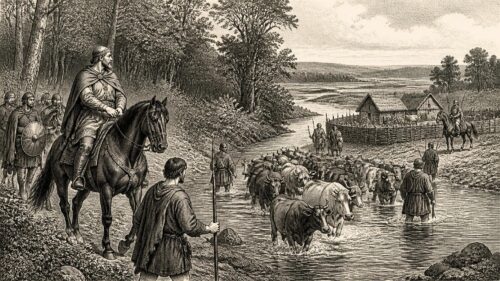
In 1262, Ireland experienced interconnected conflicts and negotiations across Connacht, Annaly, Munster and church politics. Fedlimid Ó Conchobair and his son Áed resisted forces led by Mac William de Burgh, the justiciar and John de Verdun, safeguarding cattle, devastating enemy territory and making a temporary peace. Roscommon was selected for a future royal castle. In Annaly, Gilla na Naem Ó Fergail regained lordship after local defections. Mac Carthaig defeated an expedition at Mangerton, but Cormac Mac Carthaig died. Munster endured further raids. At Drogheda, Archbishop Máel Pátraic Ó Scannail reinforced Armagh’s jurisdiction over Meath, while Dublin disputes exposed urban tensions.
Read Article
Archived: 25 October 2026
Abstract
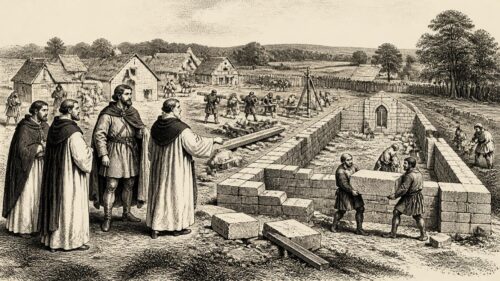
In 1241, Ireland’s political map did not suddenly become simpler, but decisive events in Ulster, Connacht and the midlands altered the balance of power. The most consequential was the battle of Caimeirge, where Brian Ó Néill and the newly installed Máel Sechnaill Ó Domnaill defeated and killed Domnall Mac Lochlainn, king of Tír Eoghain. In the west, Maurice FitzGerald, justiciar of Ireland, combined a damaging raid with a short-lived peace-making expedition. Meanwhile, the arrival of Albert Suerbeer, the German-born archbishop of Armagh, with papal authority over the churches associated with St Patrick made ecclesiastical jurisdiction an urgent political question. New
Read Article

Archived: 26 September 2026
Abstract
In 1196, Ireland comprised competing regional lordships, churches and Anglo-Norman centres rather than a unified polity. Armagh’s canonry and precinct were burned, while conflict nearby saw Ruaidrí Mac Duinn Shléibhe’s mixed force defeated and Muirchertach Mac Lochlainn killed despite sacred guarantees. Sanctuary violations, retaliatory killings and dynastic successions demonstrated insecure local power. In Munster, Domnall Mac Carthaigh defeated English forces, challenged Limerick, attacked castles and negotiated over Cork, amid conflicts involving Irish and settler allies. Raids reached Louth and the midlands. Religious institutions remained politically influential, providing oaths, burial and retirement. Annalistic evidence depicts uneven disruption, not an island-wide crisis.
Read Article
Archived: 26 September 2026
Abstract
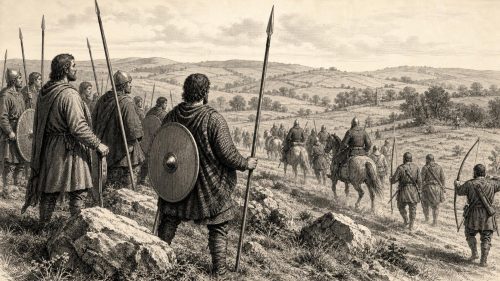
In 1174, Strongbow’s Anglo-Norman army suffered a decisive defeat near Thurles when Domnall Mór Ua Briain and Conchobar Máenmaige led Munster and Connacht forces against an expedition ravaging Munster. The reverse exposed the fragility of Henry II’s new lordship, already weakened by overseas commitments and uneven control beyond coastal towns. Heavy losses forced Strongbow to Waterford, where Hiberno-Norse inhabitants killed garrison members before Raymond le Gros brought reinforcements from Wales. Alliances remained temporary, while dynastic violence continued elsewhere. Church life endured: Gelasius, archbishop of Armagh, died, was succeeded by Cornelius, and a synod met at Birr. Warfare burdened rural communities
Read Article

Archived: 26 September 2026
Abstract
In 1166, Muirchertach Mac Lochlainn’s breach of a guaranteed settlement in Ulaid, including the blinding of King Eochaid, destroyed his authority. Abandoned by allies, he was defeated and killed. Ruaidrí Ua Conchobair of Connacht exploited the collapse, securing submissions, hostages and tribute from Dublin and regional rulers, while distributing wealth and arbitrating disputes. Diarmait Mac Murchada, deprived of Mac Lochlainn’s support and opposed within Leinster, was expelled after coalition campaigns destroyed his Ferns residence. He sought Henry II’s permission to recruit overseas, creating conditions for later Anglo-Norman intervention. Fires, church affairs, rural burdens, towns and royal patronage also marked 1166.
Read Article

Archived: 26 September 2026
Abstract
In 1152, Ireland saw ecclesiastical reform and fierce political conflict. The Synod of Kells–Mellifont, led by Cardinal John Paparo, confirmed four metropolitan provinces at Armagh, Cashel, Dublin and Tuam, strengthening papal authority, diocesan organisation and Armagh’s primacy. Tairdelbach Ua Conchobair and Muirchertach Mac Lochlainn allied under sacred relics, divided Mide, and weakened Tigernán Ua Ruairc of Bréifne. During this campaign, Diarmait Mac Murchada seized Ua Ruairc’s wife, Derbfhorgaill, provoking renewed regional warfare. Tairdelbach’s partition of Munster likewise failed, bringing raids, destruction, displacement and famine. The year exposed an interconnected society where church institutions, royal power, warfare and rural life intersected.
Read Article

Archived: 26 September 2026
Abstract
In 1150 Ireland remained divided among competing provincial and lesser kings, with Muirchertach Mac Lochlainn strengthening his high-kingship through hostages, alliances and the partition of Mide. Tairdelbach Ua Conchobair retained Connacht, while Tairdelbach Ua Briain raided Mide, gained Dublin’s submission and campaigned in Leinster. Warfare, cattle raiding, killings and dynastic punishments accompanied short-lived negotiated peace. Clergy at Armagh and Derry legitimised rulers, mediated settlements and collected substantial livestock tribute. Church reform advanced alongside older monastic networks; Bishop Muiredach Ua Dubthaig died. Fires damaged religious settlements. Cattle, horses and urban trade underpinned power, exposing warfare’s burden on ordinary households throughout Ireland.
Read Article

Archived: 26 September 2026
Abstract
In 1148, Irish politics combined rivalry, raiding and shifting alliances with major ecclesiastical reform. Tairdelbach Ua Conchobair, king of Ireland with opposition, campaigned in Mide, while Muirchertach Mac Lochlainn intervened in Ulaid, where changing rulers, hostages and a relic-sanctioned peace reflected unstable power. Tigernán Ua Ruairc survived an assassination attempt, and Dublin’s Hiberno-Norse king Óttar was killed. At Inispatrick, Malachy Ua Morgair gathered bishops and clergy, advancing diocesan reform and plans for papal pallia. He consecrated Cnoc na Seangan, while Baltinglass Abbey was founded. Malachy died at Clairvaux, but his reforms helped shape the 1152 settlement at Kells-Mellifont in Ireland.
Read Article
Archived: 26 September 2026
Abstract
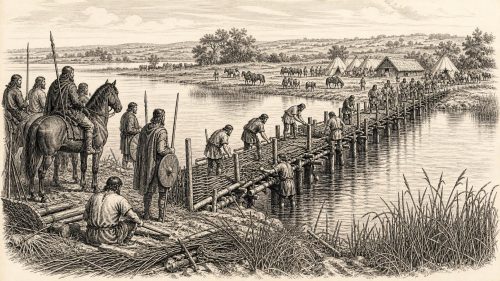
Ireland in 1140 saw contests for political control and ecclesiastical reform. Toirdhealbhach Ua Conchobhair of Connacht sought dominance through Shannon bridges, campaigns, raids and negotiated settlements, but faced resistance from Meath, Bréifne and local peoples. Murchadh Ua Maeleachlainn strengthened his Meath kingship, while Tighearnán Ua Ruairc briefly lost and regained leadership. Gelasius of Armagh visited Connacht, asserting Patrician primacy with royal support. Malachy Ua Morgair pursued papal recognition and continental monastic links, preparing for Cistercian expansion. Dublin defeated Waterford's Hiberno-Norse forces. Warfare, cattle-raiding, church offices, learning and urban trade reflected a politically fragmented yet increasingly connected Ireland during that year.
Read Article


