Archived: 20 October 2026
Abstract
In 1456 Enrí Ó Néill consolidated power in northern Ireland after the death of his father, Eóghan, whom he had displaced as ruler of Tír Eóghain in 1455. Allied with Tomás Óg Mag Uidhir, he invaded Inis Eógain, where Domhnall Ó Domhnaill of Tír Conaill was killed on 28 May and opponents captured. Ó Néill installed Toirdelbach Cairbreach Ó Domhnaill, securing acknowledged superiority rather than annexation. Obituaries from Connacht recorded the deaths of Moylurg’s tanist Fergal Mac Diarmata, his daughter Lasarfina, and John Burke. At Lisgabhail, deaths among teachers and fosterage networks reveal ecclesiastical communities, learning, kinship and women’s roles.
Read Article

Archived: 20 October 2026
Abstract
In 1450 Thomas Óg Mág Uidhir, lord of Fermanagh, departed for Rome’s jubilee, demonstrating Gaelic lordship’s international religious connections and dependence on learned patronage. During his absence, Donnchadh Dunchadhach Maguire murdered Cathal Maguire, seized his wealth, and sought wider power; after negotiation, Edmond Maguire captured and mutilated him. Annals also record deaths of Clogher’s Maguire bishop, pilgrims and physician Tadhg Ó Cáiside, illustrating ecclesiastical and hereditary service networks. Elsewhere, Ó Néill raids, alliances and killings, and an Ó Raghallaigh settlement reshaped northern politics. Richard, duke of York, left Ireland in September, appointing Ormond deputy, thereby highlighting Ireland’s multiple political centres.
Read Article
Archived: 20 October 2026
Abstract
In 1431, Ireland experienced raids, reprisals, dynastic conflict and institutional losses. Sir Thomas Stanley's delayed arrival as royal lieutenant left the English lordship constrained around Dublin, though chancery business continued. After John Maguire was killed in Tullyhaw, Tomás Óg Maguire ravaged the district and burned Ballymagauran. O'Neill, Maguire and O'Reilly devastated MacQuillan territory, while hostage negotiations and O'Donnell rivalries reshaped Ulster. Gaelic and English forces conducted reciprocal raids in Breifne and Leinster. Deaths of bishops, clerics, poets and nobles underscored the fragility of lordship. Warfare damaged crops and homes, yet religious, learned and administrative institutions endured amid mobile local power.
Read Article
Archived: 20 October 2026
Abstract
In 1428, Irish annals recorded no single national crisis but interconnected regional events. Aedh Mag Uidhir, a Fermanagh lord returning from pilgrimage to Compostela, died at Kinsale on 11 August and was buried at Cork, illustrating maritime, religious and political links. His death coincided with Maguire dynastic violence, including seizure of his sons’ castle and the killing of Aedh Óg. In Leinster, Donnchadh Mac Murchadha Caomhánach’s ransom, return and cooperation with English authority reflected negotiated power. Deaths of ecclesiastical and local rulers, notably a Mac Conmara chief, reveal hereditary offices, patronage, protection and peace as foundations of Ireland’s diverse lordships.
Read Article
Archived: 21 October 2026
Abstract
On 31 May 1379, Niall Mór Ó Néill defeated Pilib Mag Uidhir, lord of Fir Manach, and Domnall Ó Néill at Dreach, probably near Kinawley. Annals record serious Maguire losses but not the battle’s course. The victory asserted Ó Néill influence without ending Fir Manach’s power. Subsequent killings, including that of Pilib’s son Cú Chonnacht, exposed fragile lordships and kin rivalries. Notices of Gaelic, English and Hiberno-English elites, marriage alliances, church officers and learned figures reveal a plural political society. Edmund Mortimer’s October appointment as lieutenant foreshadowed intervention, though he arrived only in 1380. Ordinary people's experiences remain largely unrecorded.
Read Article
Archived: 25 October 2026
Abstract
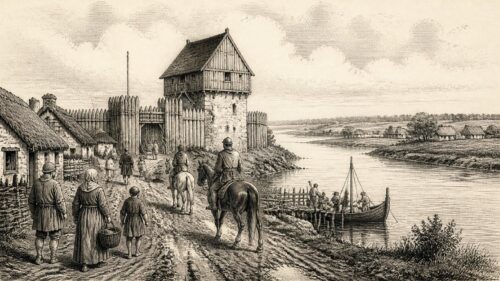
In 1278, Thomas de Clare’s ambitious lordship of Thomond provoked sustained conflict. On 11 May, he executed the displaced king Brian Ruad Ó Briain at Bunratty, allegedly with assistance from Brian’s captains. Brian’s son Donnchad later defeated de Clare’s forces at Quin, where a church was burned and many died. Connacht suffered violent succession struggles: King Tadc Ó Conchobair was killed, followed by further dynastic murders and Áed Muimnech’s contested accession. Violent deaths also affected regional rulers. Bishop Thomas Ó Cuinn died, while Cashel’s archbishop visited England. These events revealed authority’s dependence on alliances, hostages, resources and force across Ireland.
Read Article
Archived: 26 September 2026
Abstract
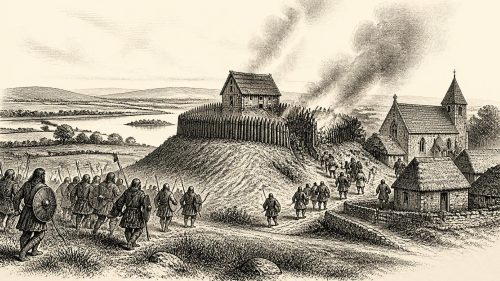
In 1189, Ireland remained divided among Anglo-Norman lordships, Gaelic dynasties and ecclesiastical centres. Conchobar Máenmaige Ua Conchobair, king of Connacht, was murdered by followers directed by a kinsman, provoking revenge and dynastic conflict. Violence spread through the north, midlands and Munster, where raids, deaths and destruction of castles exposed the fragility of colonial control. Armagh was burned and plundered, while Mellifont received the Airgialla overking Murchad Ua Cerbaill. Henry II’s death brought Richard I’s accession; William Marshal’s marriage to Isabel de Clare transferred Leinster’s lordship, though possession remained contested. Irish bishops attended Richard’s coronation, and Gerald of Wales promoted conquest.
Read Article

Archived: 26 September 2026
Abstract
In 1126, Toirdelbach Ua Conchobair exploited the death of Leinster’s king to secure hostages, obtain Dublin’s submission and install his young son Conchobar as ruler of Dublin and, according to some annals, Leinster. From a long encampment in Ormond, he campaigned against Desmond, Osraige and other regions, taking cattle, captives and tribute. Raiding and counter-raiding also affected Connacht, Tír Conaill and the north-east, revealing unstable alliances and local conflict. Cellach of Armagh sought to restrain warfare while advancing church reform and consecrating a stone church. Cork burned, learned clerics died, and Toirdelbach’s extensive but coercive ascendancy remained fragile throughout Ireland.
Read Article

Archived: 26 September 2026
Abstract
In 1122, Tairdelbach Ua Conchobair of Connacht emerged as Ireland’s foremost overking, exploiting northern weakness after Domnall Ua Lochlainn’s death. He secured Munster’s division through submission, capture and installation of rival rulers, campaigned in Mide and towards Lough Erne, and received Leinster-Dublin recognition. Nevertheless, northern raids, Ulaid dynastic conflict and midlands warfare showed authority remained contested. Annals also record cattle raiding’s human and economic burden, revealing rural wealth and royal logistics. Ecclesiastical life saw relic discovery at Lann, prominent clerical deaths, pilgrimage, learning and gradual reform alongside older offices. Connacht’s ascendancy was influential, but Ireland remained politically fragmented in practice.
Read Article
Archived: 26 September 2026
Abstract
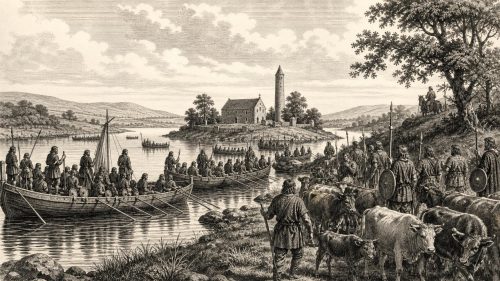
In 1089, politics remained fragmented, as Muirchertach Ua Briain of Munster sought supremacy against Ruaidrí Ua Conchobair of Connacht, Domnall Ua Máelsechlainn of Meath and rivals. Muirchertach’s Shannon fleet plundered churches but was trapped near Athlone, surrendered, and prompted a raid into Munster. Donnchad of Leinster and Dublin and Donnchad Ua Gilla Pátraic of Osraige were killed amid conflict, destabilising eastern Ireland. Warfare, feud and raids affected lordships, churches and communities. Munstermen burned Lusk, killing 180 people sheltering in its church; Kildare and other centres suffered fires. Clerical deaths, land transactions, trade, livestock, captives and Easter’s wind also illuminate society.
Read Article

Archived: 26 September 2026
Abstract
In 1076, Ireland experienced fragile kingship, regional warfare, religious losses and food scarcity. Murchad Ua Mael Sechlainn claimed Tara’s supremacy at Kells but was killed after three days and nights by Amlaíb of Gailenga; Amlaíb was subsequently slain, reportedly through Colum Cille’s justice. Tairdelbach Ua Briain invaded Connacht, imprisoned Ruaidrí Ua Conchobair, then released him as a dependent ruler, demonstrating Munster’s limited ascendancy. Northern and midland rulers were killed in conflicts, including at Devenish. Churchmen, Gormlaith, queen of Munster, and scholars died. Scarcity threatened farming communities, while Ua Briain control of Dublin strengthened their power. The annals portray unstable authority.
Read Article

