Archived: 25 October 2026
Abstract
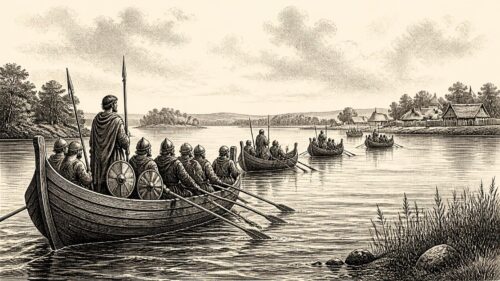
In 1272, Áed Ó Conchobair, king of Connacht, intensified resistance to Anglo-Norman power by destroying Roscommon castle, burning Athlone and Meath towards Granard, breaking Athlone’s bridge, and deploying a flotilla on Lough Ree. Fighting also killed Henry Butler of Umhaill, while dynastic violence and deaths unsettled Connacht and Breifne. Justiciar James de Audley died amid disputed circumstances, weakening royal administration, though official links with England continued. Henry III’s death brought Edward I’s succession as lord of Ireland. Annals also record elite deaths and burials, while warfare devastated settlements, resources, travel and local security across western and central Ireland that year.
Read Article
Archived: 25 October 2026
Abstract
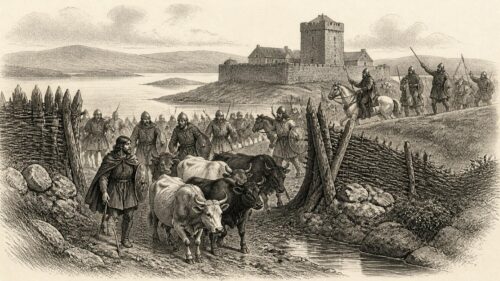
In 1236, Connacht remained unstable after Anglo-Norman conquest, as Maurice FitzGerald displaced Fedlimid Ó Conchobair, who escaped northwards. FitzGerald’s forces pillaged lands, captured women and built a stronghold, while Brian Ó Conchobair ruled with foreign support. Fedlimid returned with allies and raided Rindoon’s defended settlement for cattle, but his dispersed forces were defeated. Richard de Burgh later backed him, yet warfare devastated Tuam, Mayo and surrounding districts, including churches and their food stores. Burned sanctuaries, captivity, hunger and scarcity marked the year. Ecclesiastical authority proved ineffective against violence, although Tuam’s archbishop-elect gained English and papal confirmation. No durable settlement emerged.
Read Article

Archived: 26 September 2026
Abstract
Ireland in 1137 remained politically fragmented, as Tairdelbach Ua Conchobair of Connacht asserted contested overlordship through warfare and naval power on the Shannon. Rivalries involved Bréifne, Mide, Leinster, Munster and Hiberno-Norse towns. An allied fleet from Leinster, Dál Cais, Dublin and Wexford besieged Waterford, gaining hostages but not conclusively conquering it. Dynastic killing and raids destabilised Mide and Connacht. In the church, Malachy yielded Armagh to reformer Gilla meic Liac. A severe storm and widespread fires damaged communities. Despite violence, trade, maritime capacity, scholarship, artistic patronage and ecclesiastical reform demonstrated a dynamic, connected society within a rapidly changing medieval world.
Read Article

Archived: 26 September 2026
Abstract
In 1082, Connacht’s Ua Conchobair dynasty suffered a violent succession struggle: Cathal son of Áed treacherously killed heir-designate Domnall son of Tadc, before Ruaidrí, Cathal’s half-brother, defeated and killed him with a large force. Ruaidrí’s victory strengthened his claim but did not secure all Connacht, whose subordinate rulers remained autonomous. Annals also record several regional lords slain, illustrating political insecurity. Cinaed Ua Ruadáin, senior officer at Clonmacnoise, died, while Cenn Faelad Ua hÓcáin assumed Brendan’s coarbship. Later, less secure accounts describe fighting on Lough Ree and a fire at Clonmacnoise. Tairdelbach Ua Briain’s wider overlordship framed political conflict across Ireland.
Read Article

Archived: 26 September 2026
Abstract
In 1016, two years after Clontarf, Máel Sechnaill mac Domnaill reasserted authority by taking Ulaid hostages, while Donnchad mac Briain raided Shannon islands, seized boats and consolidated Munster. Northern conflict between Ulaid and Dál Araide killed several rulers, and Osraige’s king slew Leinster and Uí Drona leaders at Leithglenn. Other regional dynastic deaths revealed fragmented power. Ecclesiastical life remained influential despite fires at Clonmacnoise, Clonfert, Kells and Downpatrick; church officers and the chief poet Mac Liag died. Raiding, hostage-taking and an autumn storm burdened communities. Annalistic peace meant relative stability after Clontarf, not an end to violence or political rivalry.
Read Article
Archived: 26 October 2026
Abstract
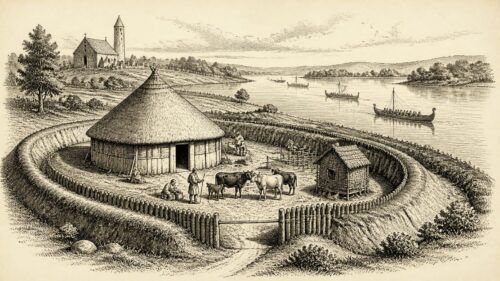
Annals conventionally place 993 amid a major mortality of people, cattle and bees, though its cause, scale and chronology remain uncertain. This crisis threatened subsistence, wealth and ecclesiastical resources. Political violence killed several local rulers in the midlands, Connacht and west, revealing fragmented lordship and Máel Sechnaill’s interventions. Brian of Munster led a naval expedition from Lough Ree towards Bréifne, while Mide suffered devastation and Dublin’s Norse-Gaelic politics remained unsettled. Meanwhile, Muirecán, Patrick’s successor, visited Cenél nÉogain and publicly affirmed Áed’s royal standing. The notices portray interconnected warfare, church authority, riverine mobility and vulnerable rural life throughout Ireland in 993.
Read Article
Archived: 27 October 2026
Abstract
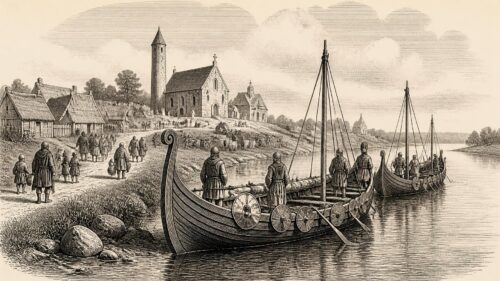
In 936, Dublin-based foreigners plundered Clonmacnoise and occupied it for two nights, an exceptional affront to the major Shannon ecclesiastical and trading settlement. Chronicon Scotorum also records a further plundering by Cellachán of Cashel and Munster men. Foreign crews from Lough Erne reached Lough Ree, demonstrating waterways’ strategic value and exposing central Ireland to prolonged raiding. Donnchad Donn, king of Temair, burned Dublin, illustrating contested rather than centralised power. Armagh lost two successive senior church leaders, Ioseph and Máel Pátraic, while Aniudán, king of Corcu Modruad, died. These events reveal competing regional powers, vulnerable churches, and insecure communications throughout Ireland.
Read Article
Archived: 28 October 2026
Abstract
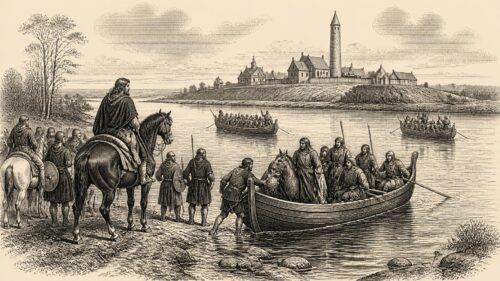
In 907, Cormac mac Cuilennáin, king-bishop of Cashel, and Flaithbertach mac Inmainén led Munster forces through the midlands, challenging Flann Sinna and Uí Néill influence. Annals record fighting at Mag Léna, the death of Máel Craíbe of Cenél Fiachrach, Connacht hostages, and fleet-borne plundering around Lough Ree. Their Christmas campaign reached Uí Néill territories, Mag Aí and Clonmacnoise, requiring eighty ferryings, an uncertain phrase indicating arduous transport. These expeditions demonstrated Munster’s mobile, alliance-based power without creating unified rule. Cét became king of Corcu Modruad locally. Mortality is noted cautiously in Ulster’s annals; Cormac’s defeat came the following year in 908.
Read Article
Archived: 28 October 2026
Abstract
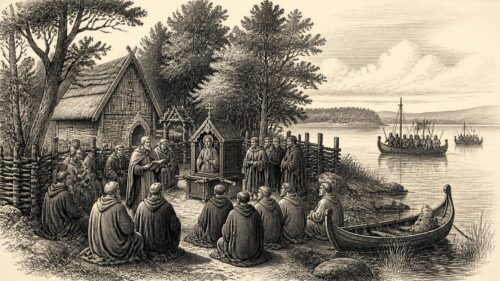
In 899, Chronicon Scotorum recorded a rainy year and bread shortage, alongside political and ecclesiastical disruption in central Ireland. Connacht raiders entered western Mide, profaned Inis Aingin on Lough Ree during a synod attended by Cairbre Crom, bishop of Clonmacnoise, and Ciarán’s shrine, and killed one unnamed man. The men of western Mide defeated the raiders at Áth Luain the same day, leaving unspecified casualties. The annals also note Argadán, abbot of Corcach’s death. These events reveal food insecurity, strategic waterways, regional warfare and church authority as interwoven features of early medieval Irish society. Scholars date these events to 899.
Read Article
Archived: 31 October 2026
Abstract
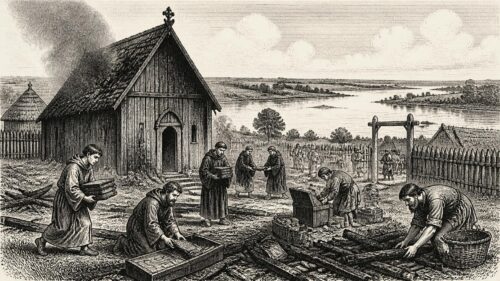
In the annal-year 755, Cluain Moccu Nóis (Clonmacnoise), a major monastery beside the Shannon, was burned on 21 March, though modern calendar alignment remains uncertain. The annals do not state the cause, scale or casualties, but the fire exposed the vulnerability of a wealthy religious and transport centre dependent on regional labour and patronage. They also record deaths of kings of Uí Méith, Uí Maine and Uí Fhailgi, alongside churchmen and abbots from several communities. These notices reveal politically fragmented, interconnected Ireland, where monasteries held economic, scholarly and social importance. No evidence supports nationwide crisis, war, famine or rebuilding details.
Read Article

