
Year by Year
Explore Year by Year articles from the most modern historical year back to the oldest.
3,295 Articles Archived
Desmond’s Justiciarship
Archived: 23 October 2026
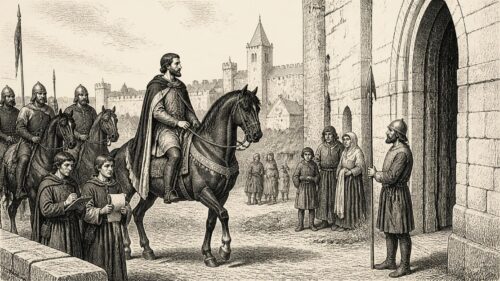
In 1355 Edward III appointed Maurice fitz Thomas FitzGerald, first earl of Desmond, justiciar of Ireland, and he began serving in August. His restoration after earlier conflict with the crown demonstrated royal dependence on powerful Anglo-Irish magnates. Dublin’s institutions could not control a politically fragmented island, where Gaelic and Anglo-Irish lordships exercised overlapping authority. Plague’s recent effects worsened economic and military pressures. Annal-dated reports describe killings, successions and retaliatory warfare in Bréifne, Annaly, Muintir Eolais and Connacht, alongside ecclesiastical and legal continuity. Desmond’s appointment was firmly dated, but annal chronology requires caution. Governance relied on negotiated regional, often violent power.
Mac Murchada
Archived: 23 October 2026
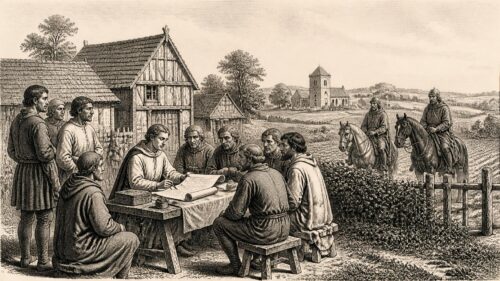
In 1354, Ireland experienced executions, warfare, dynastic killings, deaths and administrative inquiry amid the aftermath of plague. Annals recorded Mac Murchada’s execution by the Galls, followed by wider conflict, while Clann Aedha Buidhe and Dundalk’s Galls heavily defeated Aodh Ó Néill. Local struggles killed rulers in Laois and Connacht, although Domhnall Ó Dubhda succeeded his father in Uí Fhiachrach. Bishops and learned ollamhs also died. Justiciar Thomas de Rokeby governed through courts and inquiries, including valuation of the Pembroke estates at Wexford. Tenant complaints of poverty and high prices reveal hardship. The year demonstrates fragmented authority, cross-community alliances and insecurity.
Kilconnell Friary
Archived: 23 October 2026
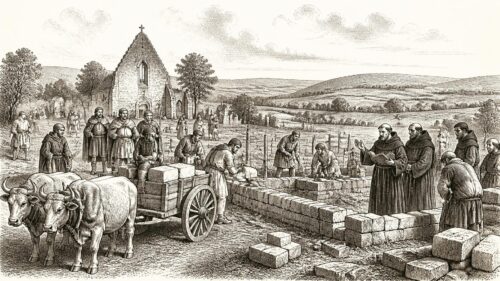
Medieval Ireland in 1353 appears through diverse, sometimes conflicting records. The Four Masters date William Buí Ó Ceallaigh’s Franciscan foundation at Kilconnell to this year, although Franciscan tradition proposes 1414 and surviving fabric reflects later patronage. The friary linked Gaelic lordship, Latin Christianity and local social life. Annals record Áed Ó Conchobair’s deposition in Connacht, other dynastic deaths and killings across the midlands and Ulster, while differing chronologies complicate dating. Pope Innocent VI reportedly settled Armagh and Dublin’s primacy dispute. Youghal received trading privileges in England and Wales. Together, these notices reveal politically fragmented yet religiously and commercially interconnected Ireland.
Ballindoon Defences
Archived: 23 October 2026
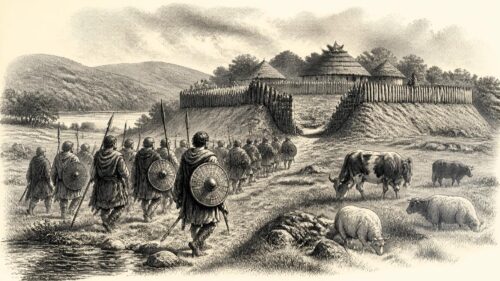
In 1352, annals from Connacht and later Four Masters record violent contests for lordship across Connacht, Breifne and Tír Chonaill. Aodh mac Toirdelbach Ó Conchobair forcibly recovered Connacht’s kingship against Gall and Gael, amid associated killings, and breached Baile an Dúin, destroying cattle and sheep. In Breifne, Aodh Ó Ruairc and his Clann Suibhne gallóglaigh were killed, while further deaths exposed unstable leadership. Aengus Ó Domhnaill’s treacherous killing triggered disputed succession in Tír Chonaill. Notices of captains, nobles and patrons reveal intertwined warfare and cultural support. Recent plague formed the background, but evidence does not establish a 1352 nationwide outbreak.
Christmas Hospitality
Archived: 23 October 2026
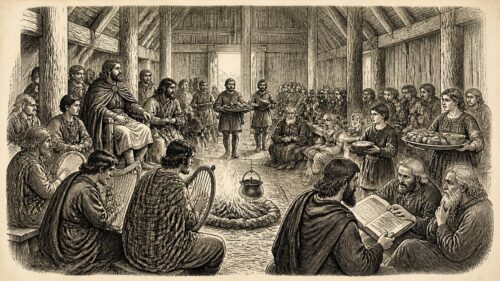
In 1351, Irish politics combined unstable lordship, royal administration, warfare and cultural patronage. Aodh Ó Conchobhair regained Connacht’s kingship through hostages and support, but conflict following Aodh Ó Ruairc’s capture devastated Moylurg. Other deaths and killings reflected continuing regional feuds. Thomas Rokeby’s October ordinances sought to reinforce English law, frontier security, labour regulation and land recovery, revealing the lordship’s weaknesses after plague and war. A Franciscan foundation at Ross Errilly was traditionally dated to this year, though evidence is late. At Christmas, Uilliam Buide Ó Ceallaigh hosted Ireland’s learned classes, using hospitality to proclaim wealth, authority and cultural prestige publicly.
Connacht Coup
Archived: 23 October 2026
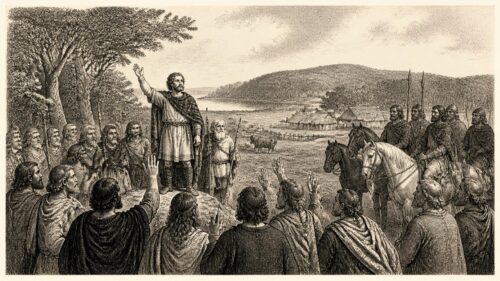
In 1350, plague remained active in Ireland, evidenced by legal notes, vacant Kilkenny holdings and deaths linked cautiously to pestilence, while its impact varied regionally. Connacht underwent a major coup when Sir Edmund Albanach de Burgh, Macwilliam Burke, and leading communities deposed Aed Ó Conchobair and installed another dynastic claimant. Killings and reprisals in Connacht, Moylurg, Breifne and Thomond exposed violent struggles over lordship, land and cattle. English administration nevertheless continued: Justiciar Thomas Rokeby held a Kilkenny council, raised taxation and negotiated service. Chancery, inheritance inquiries, religious leadership and learned culture endured amid demographic loss, insecurity and contested power locally.
Black Death
Archived: 23 October 2026
During 1349, a pestilence remembered as the Black Death became an all-Ireland crisis, although its arrival and mortality cannot be dated or quantified precisely. John Clyn recorded contagion, deaths among clergy and households, pressure on burial and care, and costly imported goods in Kilkenny. Connacht annals reported heavy losses in Moylurg, while warfare, raiding and contested lordship continued across Connacht and elsewhere. Ecclesiastical vacancies exposed institutional vulnerability, though individual causes of death remain uncertain. Clyn's final entries, ending amid violence and epidemic fear, symbolise the fragility of record-keeping. The year strained trade, worship, families and political authority without halting conflict.

Taughmoling Pilgrimage
Archived: 23 October 2026
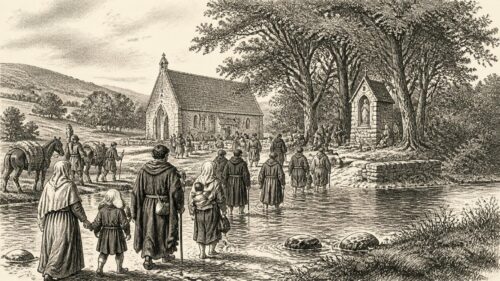
In 1348, pestilence reached Ireland by sea, devastating Dublin and Drogheda from late summer, though its extent elsewhere remains uncertain. John Clyn recorded a fearful pilgrimage by clergy, magnates and ordinary people to St Moling’s water at Taughmoling, seeking spiritual protection amid mass mortality. Meanwhile, Fulk de la Frêne fortified and coerced Ormond tenants around Nenagh, before James Butler received the earldom. Bishop Richard of Ossory gained independence from Dublin’s archbishop. In Connacht, killings, captures and war between kindreds ravaged Moylurg, while learned poets still travelled for patronage. The year combined disease, warfare, lordship, worship and cultural continuity under strain.
Nenagh Rising
Archived: 23 October 2026
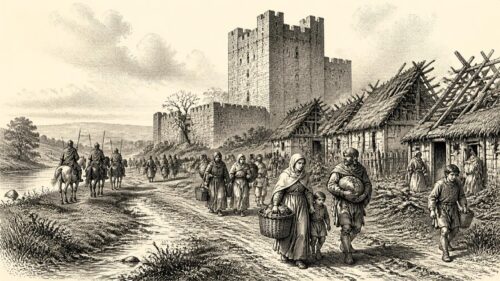
In 1347, Ireland comprised competing lordships, dynasties, church jurisdictions and towns. At Christmas, Domhnall Ó Ceinnéidigh led forces reportedly drawn from several provinces in a devastating assault on Nenagh and Ormond, sparing Nenagh Castle but exposing Butler authority while young Earl James Butler served in France. Annals also record killings, captures and successions across Connacht, Breifne, Ulster, Annaly and the south-east, revealing warfare affecting cultivation. Churches remained active through building, patronage and papal links. Learned figures were commemorated. Although plague spread in Europe, surviving Irish records place its arrival in 1348, making 1347 a year of political crisis before pandemic.
Aghaboe Burning
Archived: 23 October 2026
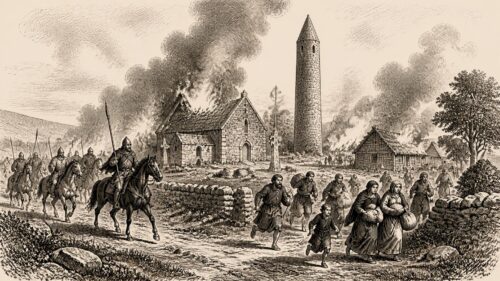
In 1346, Ireland experienced political instability, warfare and dearth following the death of Sir Ralph Ufford, the royal justiciar. Gaelic and settler forces contested Leinster, capturing castles, raiding communities and damaging churches. On 5 May, Diarmaid Mac Giolla Phádraig and an Ó Cearbhaill ally burned Aghaboe, including its church, cemetery and St Canice’s shrine, a religious and communal loss. Wheat prices reflected scarcity, worsened by conflict. Walter de Bermingham became justiciar in May but violence continued, including northern defeats, killings and winter raids. John Clyn’s annals document events, while evidence does not place the Black Death in Ireland before 1348–49.
Some records do not yet have a verified historical year and are awaiting chronological placement.