
Year by Year
Explore Year by Year articles from the most modern historical year back to the oldest.
3,295 Articles Archived

Ulaid Hostages
Archived: 26 September 2026
In 1165, Muirchertach Mac Lochlainn asserted northern supremacy through warfare, hostage-taking and negotiated settlements. After Ulaid revolted, he devastated the province, expelled Eochaid Mac Duinn Sléibe, installed Donn Sléibe, and later restored Eochaid at Armagh under harsh terms including hostages, treasure and territorial concessions. Elsewhere, Ruaidrí Ua Conchobair expanded Connacht’s influence through raids, grants and southern submissions, while dynastic conflict unsettled Munster and Osraige. Dublin ships joined Henry II’s Welsh expedition, illustrating Irish Sea connections. Churches mediated politics, reform continued, severe snow affected rural life, and manuscript learning flourished. Mac Lochlainn’s apparent triumph remained precarious, foreshadowing his collapse in 1166.

Derry Church
Archived: 26 September 2026
In 1164, Ireland remained politically divided yet interconnected by kingship, churches and Irish Sea networks. High-king Muirchertach Mac Lochlainn sustained authority through alliances, tribute and ecclesiastical patronage, despite northern raids and rebellion. Rival Ruaidrí Ua Conchobair built a major fortified residence at Tuam, while Munster and Leinster saw raids, dynastic killings and blinding. At Derry, royal and clerical resources created an exceptionally large Columban church, amid wider links with Iona and the Isles. Fires damaged several religious centres. Somerled’s Scottish expedition included Dublin forces. Agriculture, livestock, skilled labour and learning underpinned society, although conflict and disaster exposed persistent deep instability.

Niall's Capture
Archived: 26 September 2026
During 1163, Muirchertach Mac Lochlainn’s high-kingship remained influential but dependent on negotiation, payments and local compliance. Meath’s rulers were reshaped through deposition and gold payment, while his son Niall’s coercive progress ended with his capture in Uí Maine after offences against communities and churches. Assassinations, deaths and cattle-raiding reflected continuing regional rivalries. Ecclesiastical leaders died, yet monastic institutions retained traditional offices alongside diocesan reform. Glendalough suffered a destructive fire, whereas Derry’s Columban community built a huge lime-kiln, signalling organised construction. Learning, agriculture, cattle wealth and Irish Sea trade underpinned society, revealing a politically fragmented but connected Ireland at this time.

Clane Synod
Archived: 26 September 2026
In 1162 Muirchertach Mac Lochlainn’s loose high-kingship united northern, Meath and Connacht forces, yet failed to compel Dublin’s surrender; after plundering Fine Gall, he accepted 120 ounces of gold. Tribute arrangements in Meath and exemptions from coigny showed the political and local economic importance of land and provisioning. At Clane, Gelasius of Armagh led a synod reinforcing clerical discipline, Armagh’s educational primacy and church reform. Laurence O’Toole became archbishop of Dublin, while Derry’s sacred precinct was reorganised. Deaths, fires, relic enshrinement and raids exposed cultural vulnerability. Continuing regional warfare and dynastic rivalry undermined Mac Lochlainn’s seemingly dominant authority across Ireland.

Divided Kingdoms
Archived: 26 September 2026
In 1161 Ireland comprised competing provincial kingdoms, lordships, churches and towns rather than a unified state. Muirchertach Mac Lochlainn, dominant northern ruler, and Ruaidrí Ua Conchobair of Connacht negotiated authority through campaigns, hostages and assemblies, dividing influence while preserving Mac Lochlainn’s senior kingship. Meath remained contested, with local dynastic violence continuing despite high-level settlements. Church reform and power were marked by bishops’ deaths, Dublin Archbishop Gregory’s death, Columban privileges secured by Flaithbertach Ua Brolcháin, and written guarantees for Ardbraccan. Rural communities supplied armies and suffered plunder; cattle and silver underpinned wealth. Towns, learning and poetry shaped wider Irish cultural life.

Meath Intervention
Archived: 26 September 2026
In 1160, Ruaidrí Ua Conchobair exploited the assassination of Meath’s king, installing Diarmait Ua Máel Sechlainn and securing hostages from Meath and Tethbae. His subsequent Shannon expedition compelled Thomond’s rulers to acknowledge his authority, marking Connacht’s recovery against high-king claimant Muirchertach Mac Lochlainn. Rival armies confronted one another without settlement, while Mac Lochlainn’s instigated killings and broken guarantees fostered northern instability. Dublin’s king Brodar was slain amid conflict. Clerical and scholarly deaths reflected reform and learned culture, while institutions including Jerpoint emerged. Burnings, warfare and cattle exactions burdened communities. Ireland remained divided, but rivalry centred upon Ruaidrí and Mac Lochlainn.
Ardee Battle
Archived: 26 September 2026
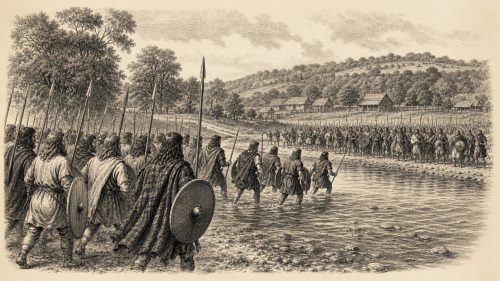
In 1159, Muirchertach Mac Lochlainn, Ireland’s leading overking, contested Ruaidrí Ua Conchobair’s power through shifting alliances across Meath, Bréifne, Airgíalla and Thomond. After reshaping Meath’s kingship, Mac Lochlainn faced Ruaidrí’s Connacht-Bréifne coalition, whose campaign was marked by Áed Ua Conchobair’s death at Athlone’s wicker bridge. At Ardee, northern and Airgíalla forces routed Ruaidrí’s army, killing numerous regional leaders. Mac Lochlainn subsequently ravaged Connacht and pressured Meath and Leinster, but gained neither Ruaidrí’s submission nor lasting control. Local raids, church deaths and rural military burdens reflected wider instability. Ardee confirmed his supremacy temporarily, yet preserved rivals and left Ireland’s kingship unresolved.

Brí Synod
Archived: 26 September 2026
In 1158, Ireland remained politically fragmented, though Muirchertach Mac Lochlainn of Cenél nEógain dominated the high-kingship contest against Connacht’s Ruaidrí Ua Conchobair. Raids, rebellions and struggles in Tethbae, Meath, Tír Conaill and Munster exposed limits of overlordship, while annalistic dating leaves some campaigns uncertain. The Synod of Brí Mic Taidg, led by Armagh’s archbishop and a papal legate, promoted church reform and elevated Derry’s Flaithbertach Ua Brolcháin as arch-abbot of Columban churches. Yet travelling bishops were attacked. Munster saw dynastic violence, whereas Amhlaoibh Ó Donnchadha completed Aghadoe’s church before his death. Cattle-based wealth, rural life, towns, and destructive flooding underpinned.

Mellifont Consecration
Archived: 26 September 2026
In 1157, following Tairdelbach Ua Conchobair’s death, Muirchertach Mac Lochlainn asserted a contested high kingship through alliances, hostages and campaigns. Mellifont’s church consecration gathered leading clerics and rulers, displayed lavish patronage, and enabled the excommunication and deposition of Donnchad Ua Máel Sechlainn for violating a safeguard. Mac Lochlainn secured submissions in Leinster and Munster, but his settlements remained precarious. Ruaidrí Ua Conchobair raided Tír Eógain, contested Munster and assembled a Shannon fleet. Mac Lochlainn’s Newry charter linked royal authority with ecclesiastical reform. Records also show wealth in cattle and gold, vulnerable communities, fires, deaths, and persistent local conflict across Ireland.

Toirdelbach's Death
Archived: 26 September 2026
In 1156, the death of Toirdelbach Ua Conchobair ended a career of contested island-wide authority and prompted succession struggles. Ruaidrí Ua Conchobair secured Connacht through hostage-taking and blinding rivals, while Muirchertach Mac Lochlainn expanded northern power by compelling submissions in Ulaid, Leinster and Osraige. Warfare and shifting alliances destabilised Mide, involving Leinster, Bréifne and Dublin forces. Power depended on hostages, tribute, raids and military expeditions, despite ecclesiastical protections. Toirdelbach’s burial at Clonmacnoise and gifts affirmed royal patronage. Fires damaged churches, religious reform continued, and learning suffered losses. A plentiful harvest was followed by severe frost, underscoring the year’s political uncertainty.
Some records do not yet have a verified historical year and are awaiting chronological placement.