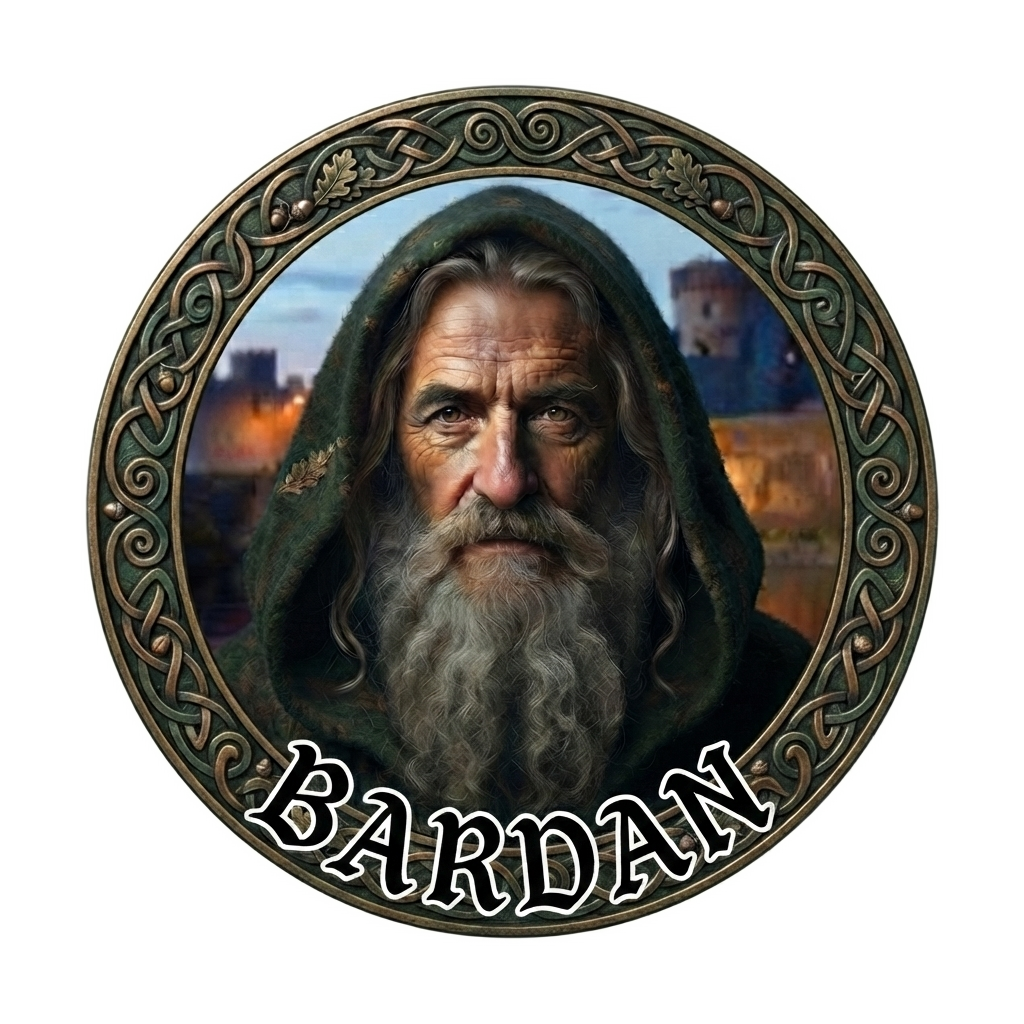
Bardan, resident druid of Limerick Archives

Summon Bardan

Summon Bardan, our resident druid, and ask him any question about Limerick.
His ancient wisdom will answer you instantly.

images_(6).jpeg_202608071958

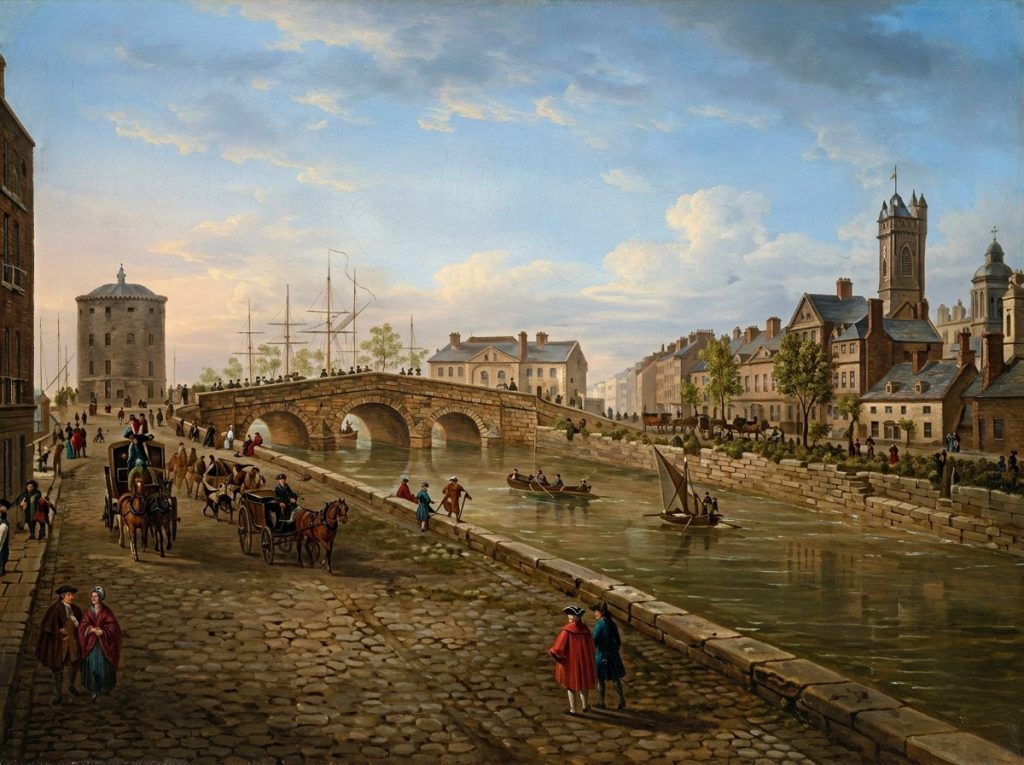
Limerick’s most visible attractions sit on the Shannon and within the medieval island of the old town. King John’s Castle, rebuilt and reinterpreted across centuries, dominates the north bank while the Treaty Stone marks a contested moment from 1691 beside Thomond Bridge. Visitors and residents point to narrow lanes, churches and merchant streets that grew around the castle and quays. The city waterfront and bridges shape townscape and local memory. These places host civic ceremonies, commemorations and everyday trade, where markets, processions and river traffic have long converged to make Limerick recognisable to generations of residents and visiting families alike.

Limerick has repeatedly exported creative voices to an international stage. Frank McCourt’s memoirs drew on childhood lanes and schoolrooms to give the city a global literary presence, while Dolores O’Riordan’s voice with The Cranberries carried a Limerick accent into pop charts worldwide. Actors and broadcasters such as Richard Harris and Terry Wogan also spoke for the city on stage and airwaves, shaping outsiders’ impressions. That tradition continues in local theatre, music sessions, spoken word nights and festivals which celebrate both new work and remembered talent. The city’s storytellers have always mixed humour, grit and warmth in ways that travel well.

Markets and industry formed Limerick’s economic backbone for centuries. Flour milling and butter exports once moved along the Shannon quays while skilled lacemakers and textile workshops supplied domestic and overseas demand. The Milk Market endures as a place for farmers, bakers, fishmongers and artisans to trade fresh produce and seasonal specialities, keeping market rhythms in the city’s heart. Port activity, shipbuilding and mercantile firms linked Limerick to Atlantic trade. More recently the city has diversified into education, technology and services yet older trades and built footprints continue to shape streets, warehouses and collective memory, anchoring pride in local craft skills.

Sport is another strand in Limerick’s public identity, especially the city’s deep ties with rugby. Thomond Park has hosted unforgettable Munster victories and passionate crowds whose allegiance reaches beyond the county. Local clubs, school teams and community pitches sustain participation from early childhood to adult competition, creating social bonds across neighbourhoods. Hurling and Gaelic games also play at a high standard around Limerick, while boxing, athletics and rowing reflect riverside leisure and training. Matchdays, cups and local tournaments inspire civic pride, attract visitors and keep grassroots clubs central to civic life, teaching teamwork, resilience and a shared sense of belonging.

Limerick’s history includes dramatic episodes as well as quieter civic development. Patrick Sarsfield and seventeenth century sieges left a deep imprint while nineteenth and twentieth century records show industrial change and social reform alongside painful incidents such as the 1904 boycott against the Jewish community. The 1919 Limerick Soviet remains an emblem of worker organisation and local governance under military pressure. Contemporary museums, municipal archives, oral histories and commemorations handle these complex stories, allowing debate and learning. Visitors encounter placards, exhibitions and guided walks that present both pride and difficulty alongside warm hospitality and contemporary creativity across daily civic life.

Primary Sources

  1. Workers’ Bulletin (daily strike bulletin), Limerick Trades and Labour Council, April 1919 (contemporary printed proclamations and bulletins).
  2. Limerick Leader contemporary newspaper reports, April–May 1919 (reports of strikes, proclamations and military orders).
  3. Military Service Pensions Collection, Irish Military Archives: brigade activity reports and pension files relating to County Limerick, 1919–1923.
  4. Civil Registration of Births: Frank McCourt and Malachy McCourt family entries and local parish baptismal registers for Roden Lane addresses (late 1930s to 1940s family records).
  5. Civil Registration of Births: Dolores O’Riordan birth entry, Ballybricken, County Limerick, 6 September 1971 (General Register Office records).
  6. Photographic collection: Treaty Stone and King John’s Castle photographs, nineteenth and early twentieth century, Limerick municipal photographic archive (contemporary images used in civic commemoration). Source Link
  7. Parish and synagogue records and 1901 Census returns for Limerick city Jewish households (Henry Street, Colooney Street) documenting population and occupations, 1901 census returns.
  8. Thomond Park and Munster Rugby matchday programmes and club minute books recording fixtures, attendances and match reports (Munster Rugby archives and Thomond Park records).
  9. Limerick city trade directories, port and customs ledgers and nineteenth century milling and mercantile records showing flour, butter and export trades across the Shannon quays.
  10. Contemporary municipal minutes and commemorative programmes for Patrick Sarsfield, siege anniversaries and local guided walk scripts held in Limerick City and County Archives.

Associated Archives

Social Life and Customs in LimerickSocial Life and Customs
People and Personalities of LimerickPeople and Personalities
Historic News from LimerickHistoric News

Related Articles

LimerickLifePeopleCityRecordsMilitary

Books Supporting the Archive

Profits from every book help fund the continuing preservation, restoration and free public sharing of Limerick’s history.

Cover of Ashes

Ashes

The Ashes Trilogy, Book One

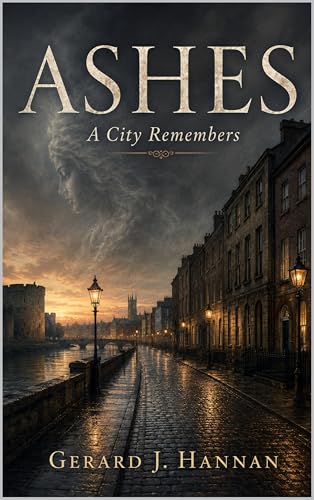
Ashes begins the story of a group of children growing up in the streets and lanes of Limerick, where poverty and hardship are balanced by humour, imagination and fierce friendship. Their city is more than a setting: it watches, remembers and gives voice to lives often absent from official history. As the children explore their neighbourhood, they encounter family pressures, faith, hunger, danger and the first signs of a changing world. Through their adventures and loyalties, the novel captures the resilience of ordinary people and introduces the characters whose lives will unfold across the three volumes of The Ashes Trilogy.

All Books Available As Instant E-Books, Paperbacks & Hardbacks Worldwide.

Cover of Gurriers

Gurriers

The Ashes Trilogy, Book Two

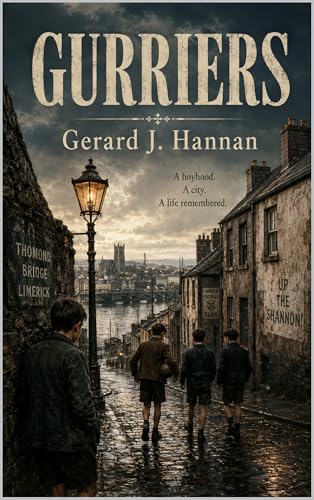
Gurriers continues the lives of the Limerick children introduced in Ashes as childhood freedom begins to give way to work, responsibility and harsher choices. Their friendships remain strong, but poverty, family expectations, faith and the pressures of growing older test loyalties once taken for granted. The streets and lanes still offer humour, adventure and belonging, yet the wider world increasingly intrudes upon their lives. Through vivid dialogue, memorable characters and the watchful voice of Limerick itself, the novel explores resilience, identity and change while showing how even the closest companions can be drawn towards futures by circumstances beyond their control.

All Books Available As Instant E-Books, Paperbacks & Hardbacks Worldwide.

Cover of Scattered

Scattered

The Ashes Trilogy, Book Three

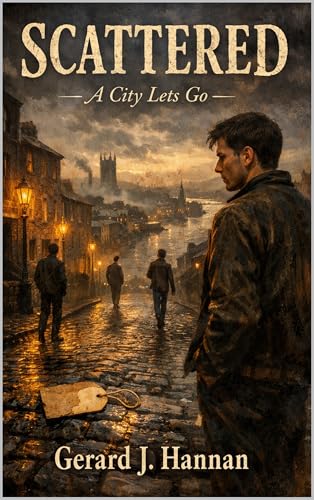
Scattered concludes The Ashes Trilogy as the friends who once shared Limerick’s streets and lanes face adulthood, work, hunger, faith, family duty and emigration. Time has altered their ambitions, tested their loyalties and carried some beyond the city that formed them. Yet memory continues to bind Louie, Seamus, Joe, Sean, Peter, Tony, Bardy, Maura, Eileen, Nora, Lingo and the mysterious Gleamer. Narrated through the enduring presence of Limerick itself, the novel explores separation, sacrifice and survival while recognising the humour and affection that remain. Together, their scattered lives complete a moving portrait of friendship, community and change across changing generations.

All Books Available As Instant E-Books, Paperbacks & Hardbacks Worldwide.

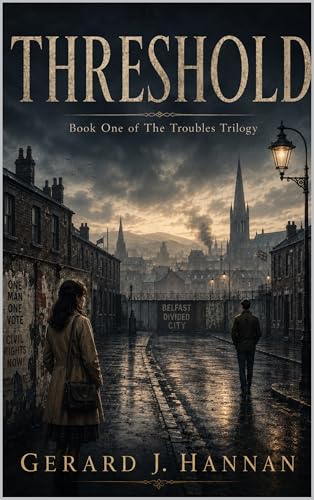
Cover of Threshold

Threshold

The Troubles Trilogy, Book One

Threshold opens in Belfast in 1968, where the Catholic Devlins and Protestant Morrows confront a city divided by religion, memory and fear. Civil rights marches, police violence, riots and internment transform ordinary streets into dangerous frontiers while political conflict enters homes, workplaces and schools. At the centre are Aileen Devlin and Thomas Morrow, whose relationship challenges the boundaries their families regard as essential to survival. As loyalty hardens into suspicion, both must decide whether inherited allegiance excuses injustice. Through family arguments, upheaval and private courage, the novel explores love, conscience, division and survival during the opening years of the Troubles.

All Books Available As Instant E-Books, Paperbacks & Hardbacks Worldwide.

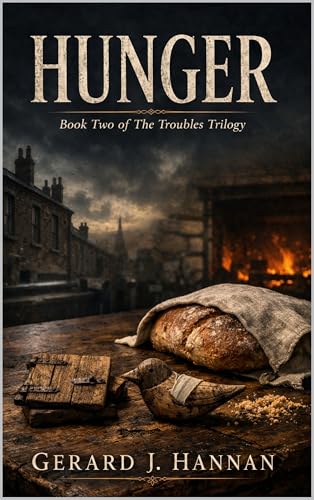
Cover of Hunger

Hunger

The Troubles Trilogy, Book Two

Hunger is Book Two of The Troubles Trilogy, set in Belfast during the 1980s. Aileen Devlin and Thomas Morrow have built a fragile life across the city’s sectarian divide, but the conflict threatens the home they created for their daughter, Claire. As hunger strikes, the Anglo Irish Agreement and violence reshape Northern Ireland, republican Declan and loyalist Billy exploit fear, grief and vulnerable young men. Against them stand Aileen, Kathleen and Elsie, whose quiet strength keeps their families human. This is a story of love, survival and the courage to place people before causes in a divided society under pressure.

All Books Available As Instant E-Books, Paperbacks & Hardbacks Worldwide.

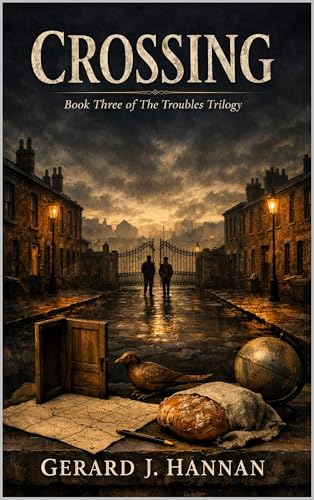
Cover of Crossing

Crossing

The Troubles Trilogy, Book Three

Crossing concludes The Troubles Trilogy during the decade from 1990 to 2000, as Belfast moves from violence towards negotiation, ceasefires and uncertain peace. The Devlin and Morrow families face political change alongside grief, ageing, divided loyalties and the consequences of choices made across three decades. Relationships once threatened by religious boundaries are tested by memory, mistrust and the fear that compromise may betray the dead. As the peace process gathers momentum, ordinary people must decide whether reconciliation is possible. The trilogy closes with a story of endurance, forgiveness, loss and hope beyond inherited division, proving that peace begins with courage.

All Books Available As Instant E-Books, Paperbacks & Hardbacks Worldwide.

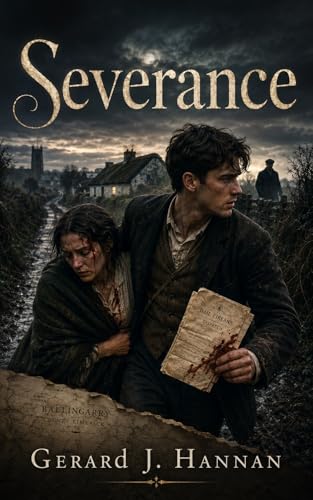
Cover of Severance

Severance

Historical Novel

Severance is a historical novel set in Ballingarry, County Limerick, during Ireland’s struggle for independence. A torn and bloodied dispatch passes through fields, kitchens, lofts and hidden routes, placing everyone who handles it in danger. Michael Enright carries the burden of trust, while Mary, Molly and their neighbours struggle to preserve the message and protect one another. Against them, Captain Edward Harcourt studies every delay, wound and fragment for clues. As loyalty, fear and betrayal tighten around the hidden network, ordinary people must decide what they are willing to risk when history enters their homes and silence itself becomes dangerous.

All Books Available As Instant E-Books, Paperbacks & Hardbacks Worldwide.

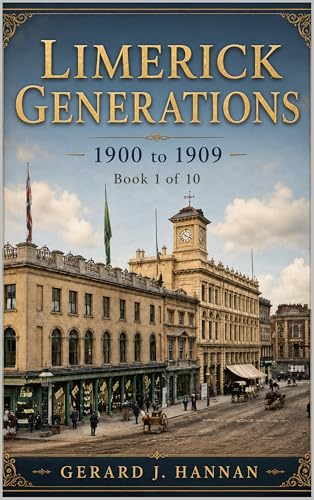
Cover of Limerick Generations: 1900 to 1909

Limerick Generations

1900 to 1909

Limerick Decalogy, Book One

Limerick Generations: 1900 to 1909 opens the decade by documenting a city and county entering the twentieth century amid political debate, commercial activity, poverty, faith and technological change. Month by month, the book connects major Irish developments with local events, institutions, streets and communities. Public meetings, labour, transport, education, sport, business and everyday life reveal how national questions were experienced in Limerick. Historical reports and carefully reconstructed narratives bring forgotten moments and ordinary people into focus. As Book One of Limerick Decalogy, it establishes the foundation for a ten volume journey through one hundred years of local history and memory.

All Books Available As Instant E-Books, Paperbacks & Hardbacks Worldwide.

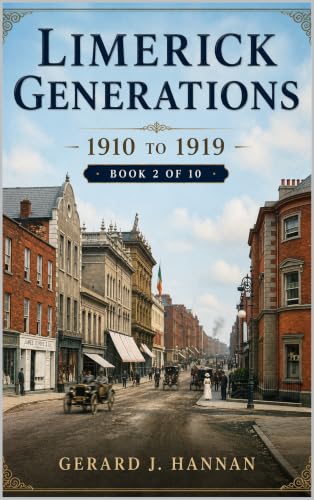
Cover of Limerick Generations: 1910 to 1919

Limerick Generations

1910 to 1919

Limerick Decalogy, Book Two

Limerick Generations: 1910 to 1919 traces a decade of political transformation, labour conflict, war, revolution and social change across Limerick city and county. Home Rule, unionist resistance, trade union organisation and the First World War entered streets, farms, schools, workplaces and family life. The Easter Rising, conscription crisis, influenza pandemic and general election altered public loyalties and expectations. The decade culminated in the Limerick Soviet of 1919, when workers challenged military restrictions through organised collective action. As Book Two of Limerick Decalogy, the volume preserves local experiences of hardship, courage, grief, endurance and change during years of intense historic upheaval.

All Books Available As Instant E-Books, Paperbacks & Hardbacks Worldwide.