
Limerick Fame(c.1690s)
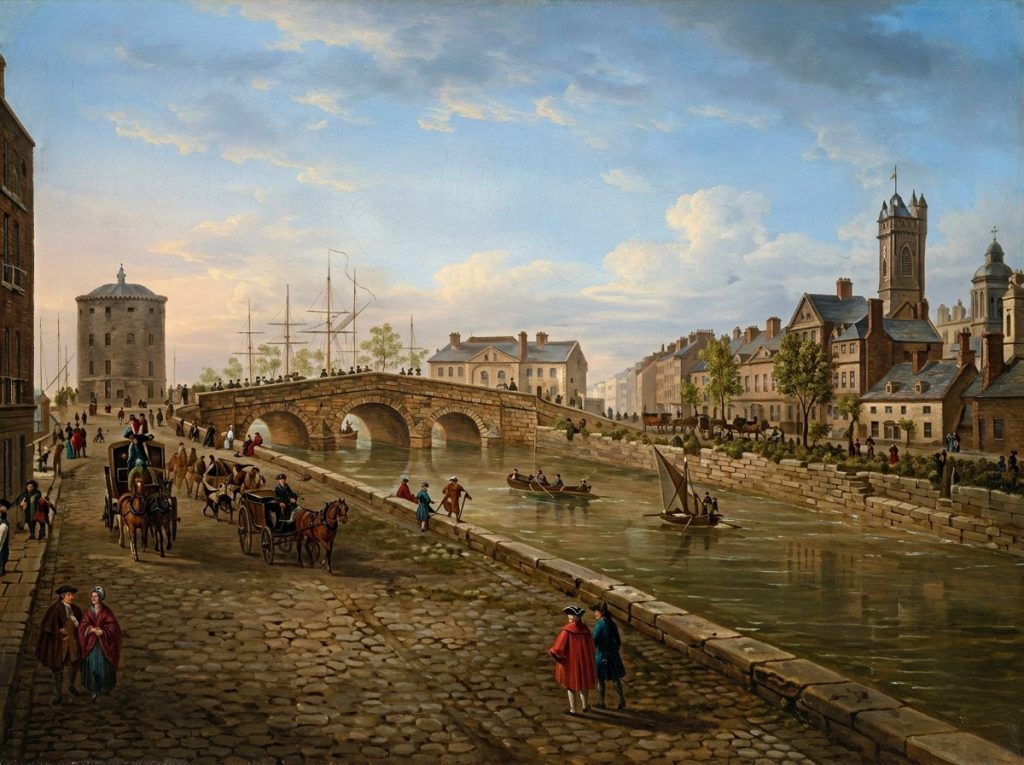
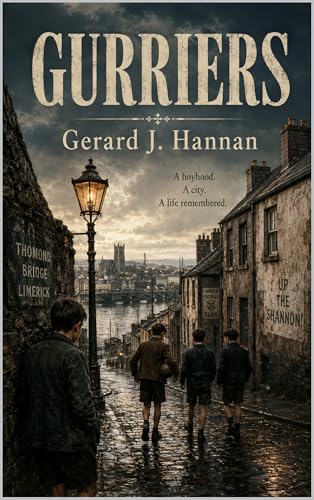
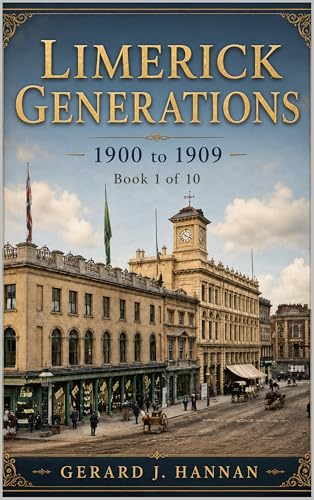
Limerick’s most visible attractions sit on the Shannon and within the medieval island of the old town. King John’s Castle, rebuilt and reinterpreted across centuries, dominates the north bank while the Treaty Stone marks a contested moment from 1691 beside Thomond Bridge. Visitors and residents point to narrow lanes, churches and merchant streets that grew around the castle and quays. The city waterfront and bridges shape townscape and local memory. These places host civic ceremonies, commemorations and everyday trade, where markets, processions and river traffic have long converged to make Limerick recognisable to generations of residents and visiting families alike.
Limerick has repeatedly exported creative voices to an international stage. Frank McCourt’s memoirs drew on childhood lanes and schoolrooms to give the city a global literary presence, while Dolores O’Riordan’s voice with The Cranberries carried a Limerick accent into pop charts worldwide. Actors and broadcasters such as Richard Harris and Terry Wogan also spoke for the city on stage and airwaves, shaping outsiders’ impressions. That tradition continues in local theatre, music sessions, spoken word nights and festivals which celebrate both new work and remembered talent. The city’s storytellers have always mixed humour, grit and warmth in ways that travel well.
Markets and industry formed Limerick’s economic backbone for centuries. Flour milling and butter exports once moved along the Shannon quays while skilled lacemakers and textile workshops supplied domestic and overseas demand. The Milk Market endures as a place for farmers, bakers, fishmongers and artisans to trade fresh produce and seasonal specialities, keeping market rhythms in the city’s heart. Port activity, shipbuilding and mercantile firms linked Limerick to Atlantic trade. More recently the city has diversified into education, technology and services yet older trades and built footprints continue to shape streets, warehouses and collective memory, anchoring pride in local craft skills.
Sport is another strand in Limerick’s public identity, especially the city’s deep ties with rugby. Thomond Park has hosted unforgettable Munster victories and passionate crowds whose allegiance reaches beyond the county. Local clubs, school teams and community pitches sustain participation from early childhood to adult competition, creating social bonds across neighbourhoods. Hurling and Gaelic games also play at a high standard around Limerick, while boxing, athletics and rowing reflect riverside leisure and training. Matchdays, cups and local tournaments inspire civic pride, attract visitors and keep grassroots clubs central to civic life, teaching teamwork, resilience and a shared sense of belonging.
Limerick’s history includes dramatic episodes as well as quieter civic development. Patrick Sarsfield and seventeenth century sieges left a deep imprint while nineteenth and twentieth century records show industrial change and social reform alongside painful incidents such as the 1904 boycott against the Jewish community. The 1919 Limerick Soviet remains an emblem of worker organisation and local governance under military pressure. Contemporary museums, municipal archives, oral histories and commemorations handle these complex stories, allowing debate and learning. Visitors encounter placards, exhibitions and guided walks that present both pride and difficulty alongside warm hospitality and contemporary creativity across daily civic life.
Primary Sources
- Workers’ Bulletin (daily strike bulletin), Limerick Trades and Labour Council, April 1919 (contemporary printed proclamations and bulletins).
- Limerick Leader contemporary newspaper reports, April–May 1919 (reports of strikes, proclamations and military orders).
- Military Service Pensions Collection, Irish Military Archives: brigade activity reports and pension files relating to County Limerick, 1919–1923.
- Civil Registration of Births: Frank McCourt and Malachy McCourt family entries and local parish baptismal registers for Roden Lane addresses (late 1930s to 1940s family records).
- Civil Registration of Births: Dolores O’Riordan birth entry, Ballybricken, County Limerick, 6 September 1971 (General Register Office records).
- Photographic collection: Treaty Stone and King John’s Castle photographs, nineteenth and early twentieth century, Limerick municipal photographic archive (contemporary images used in civic commemoration). Source Link
- Parish and synagogue records and 1901 Census returns for Limerick city Jewish households (Henry Street, Colooney Street) documenting population and occupations, 1901 census returns.
- Thomond Park and Munster Rugby matchday programmes and club minute books recording fixtures, attendances and match reports (Munster Rugby archives and Thomond Park records).
- Limerick city trade directories, port and customs ledgers and nineteenth century milling and mercantile records showing flour, butter and export trades across the Shannon quays.
- Contemporary municipal minutes and commemorative programmes for Patrick Sarsfield, siege anniversaries and local guided walk scripts held in Limerick City and County Archives.