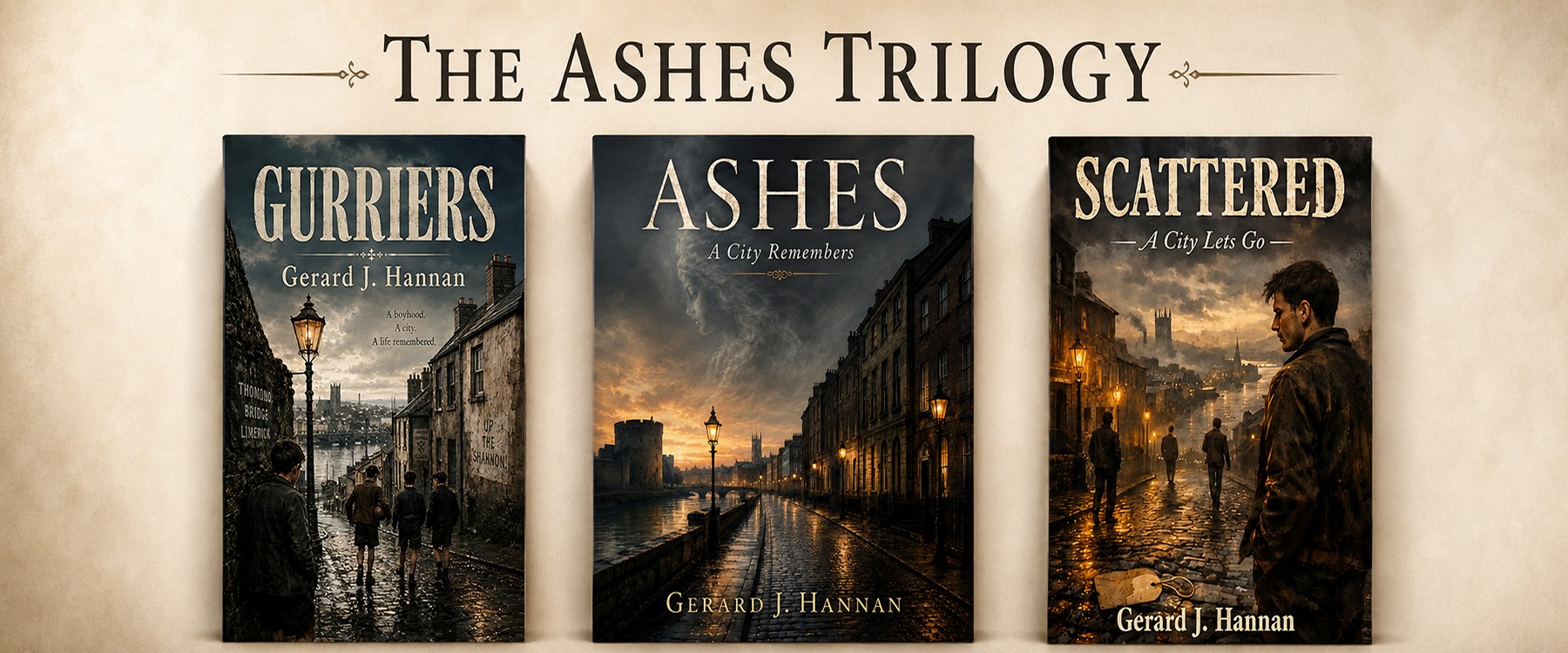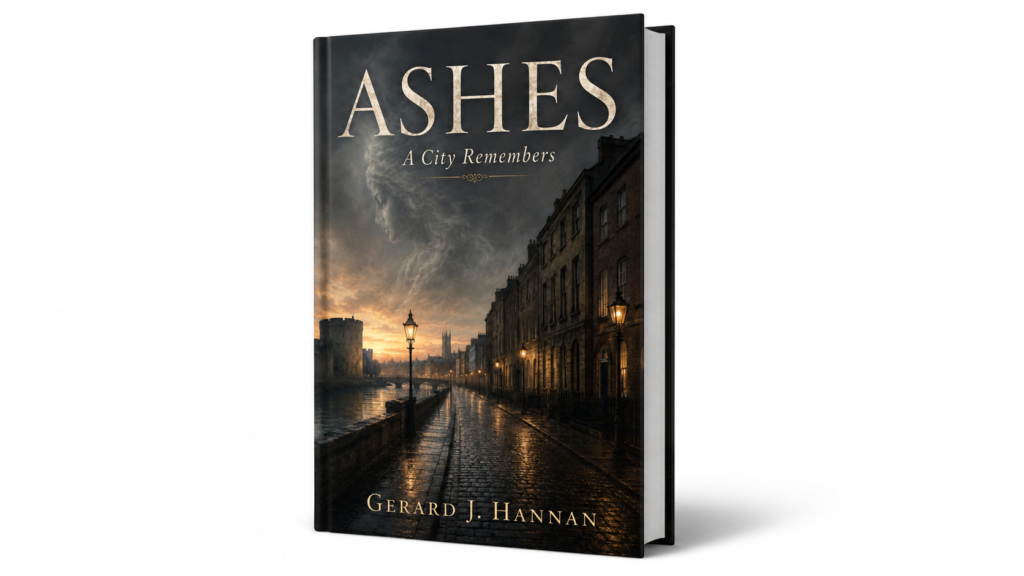
Ashes Trilogy
Book 1 of 3 : Ashes
Limerick has been written about many times, judged from afar, remembered through sorrow, and reduced to familiar images of rain, hunger, lanes, and loss. In Ashes, however, the city is no longer merely a setting for another person’s story. It becomes the storyteller, the witness, and the keeper of its own wounded memory. Speaking with tenderness, anger, humour, and hard-earned wisdom, Limerick answers the accounts that have defined it. It recalls what was endured, but also what survived: loyalty, pride, mischief, courage, music, argument, and love. This time, at last, the city refuses to remain silent before the world again.
Told through the voice of Limerick itself, Ashes moves through lanes, houses, riverbanks, kitchens, churches, hospitals, schools, markets, and crowded streets where ordinary daily lives were shaped. The city remembers damp walls, empty cupboards, worn shoes, strict classrooms, whispered prayers, casual labour, illness, eviction, and departure. Yet hardship is never allowed to become the whole truth. Alongside hunger stood humour; beside humiliation lived pride; within cramped rooms survived tenderness, quarrels, songs, stories, and stubborn hope. Every corner carries memory, and every remembered place becomes part of a larger testimony about shared endurance, local belonging, and the complicated dignity of survival.
At the heart of Ashes lies a response to one of the famous portrayals of childhood in Limerick. That account captured suffering with unforgettable power, but no single memory can contain a city. Ashes therefore widens the frame, looking beyond one household, one child, and one version of the past. It listens to those who stood nearby, those whose lives unfolded in adjoining lanes, workplaces, schools, churches, and kitchens. Their experiences were equally real, though less often recorded. By allowing Limerick to gather these neglected voices, the novel restores complexity to a place too frequently understood through one sorrowful story.
The remembered voices within Ashes belong to mothers, sons, daughters, neighbours, labourers, wanderers, shopkeepers, children, widows, priests, nurses, teachers, emigrants, and forgotten witnesses. Some speak through direct memory, others through the traces they left behind in rooms, streets, habits, silences, and family stories. Together, they form a chorus larger than any individual life. Their testimony reveals how poverty entered homes differently, how shame was carried privately, and how survival demanded sacrifices rarely acknowledged. The city remembers those who were mocked, dismissed, misunderstood, or simply overlooked, and grants them the dignity of being seen as fully complete human beings once again.
Ashes does not deny the suffering that scarred Limerick, nor does it soften the realities of hunger, disease, overcrowding, unemployment, violence, addiction, institutional cruelty, or emigration. The pain was real, and the novel confronts it directly. Yet suffering is treated as part of human experience rather than a spectacle for outsiders. Poverty does not erase intelligence, imagination, loyalty, desire, or moral courage. The people remembered here are never reduced to victims, caricatures, or symbols of misery. Their failures remain visible, but so do their strengths. Ashes seeks a deeper reckoning, one that recognises hardship without allowing hardship to define everyone.
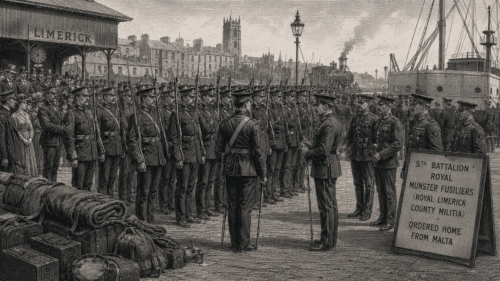
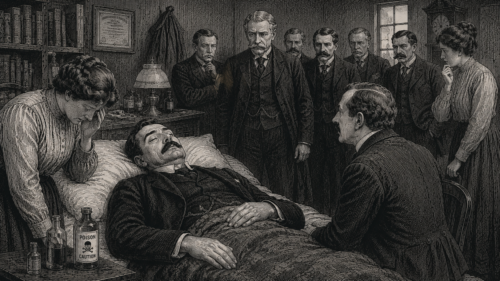
From damp lanes near the Shannon to crowded kitchens darkened by smoke, Ashes follows the intimate geography of survival. It enters bedrooms shared by too many children, hospital wards where fear settled quietly, classrooms ruled by discipline, and churches where consolation mingled with authority. It watches men searching for work, women stretching food beyond possibility, children learning shame too early, and families measuring hope against the price of passage abroad. Beyond the city, war casts its shadow, altering wages, loyalties, absences, and futures. Every private struggle connects to larger forces, yet remains rooted in the fragile routines of everyday life.
The novel’s painful memories often belong to women whose labour held families together while their humiliation remained unseen. Ashes remembers mothers bargaining for food, concealing hunger, enduring judgement, washing clothes, nursing illness, calming children, and surviving the failures of men, institutions, and circumstance. Their strength is not romanticised, because endurance carried its wounds. Love could coexist with resentment, duty with exhaustion, faith with disappointment, and tenderness with despair. By entering these private spaces, the city acknowledges sacrifices rarely honoured in public histories. It restores mothers and daughters to the centre of Limerick’s memory, where they always belonged, though seldom recognised.
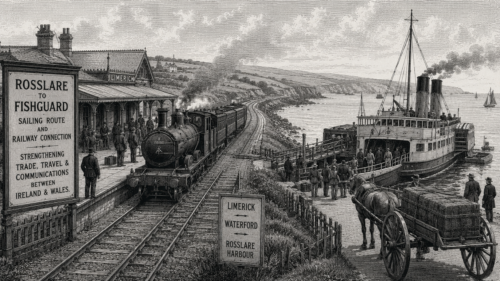
Emigration runs through Ashes like a river flowing beyond the city, carrying sons, daughters, dreams, regrets, and unfinished conversations towards Britain, America, and elsewhere. Departures promised escape, employment, dignity, and reinvention, but they also created absence. Families gathered at stations, quays, and doorways, knowing that opportunity often demanded separation. Those who left carried Limerick within them; those who remained lived with empty chairs, delayed letters, remittances, rumours, and grief. The city remembers both departure and return, the excitement of escape and the ache of belonging elsewhere. In Ashes, emigration is not an ending, but a lifelong permanent division of memory.
Above all, Ashes asks what happens when a place is allowed to speak for itself. Can a city correct the record without denying another’s truth? Can the dead answer the stories told about them? Can memory hold contradiction without choosing one voice and silencing the rest? Limerick’s response is neither accusation nor defence, but testimony. It accepts shame, sorrow, cruelty, and failure while insisting upon humour, generosity, courage, beauty, and affection. The city does not claim innocence. It claims complexity. By speaking, it refuses to be remembered as a backdrop to suffering or as a symbol shaped by one narrative.
Lyrical, unflinching, and deeply rooted in Irish memory, Ashes is a tribute to the people of Limerick who endured, laughed, argued, suffered, worked, prayed, left, returned, and remained. It honours those whose names disappeared from official records but survived in family stories, local sayings, inherited grief, and remembered kindness. The novel belongs to a city marked by hardship yet never conquered by it. Through its own imagined voice, Limerick gathers its scattered children and forgotten witnesses into one final act of remembrance. Ashes declares that no place should be judged by one story, and no life reduced to suffering alone.