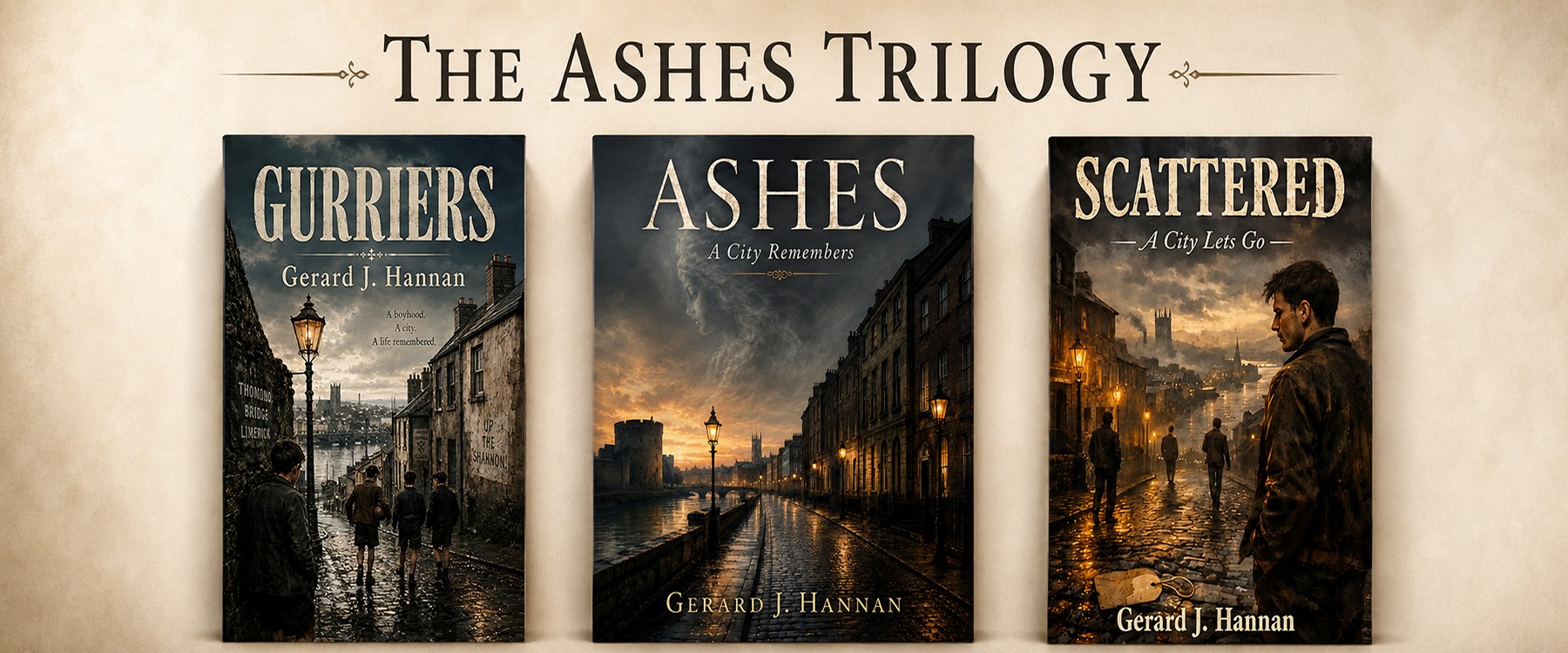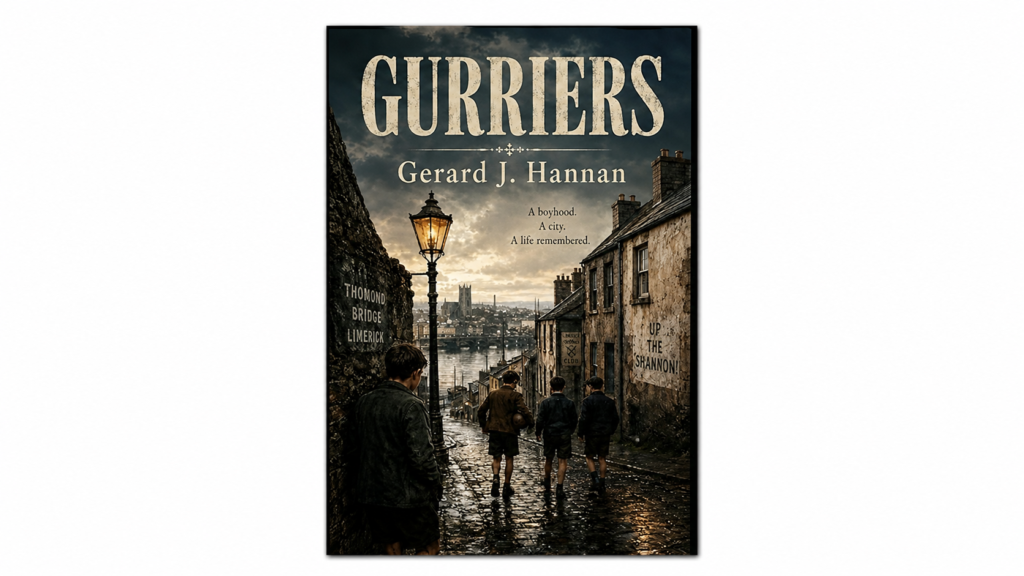
Ashes Trilogy
Book 2 of 3 : Gurriers
GURRIERS is the second book in Gerard J. Hannan’s Ashes Trilogy, offering a vivid, funny, and deeply moving portrait of working-class boyhood in Limerick. The novel returns to a city of narrow lanes, crowded homes, stern classrooms, busy docks, and restless streets, where children learn early that survival depends upon wit, loyalty, and nerve. Its boys possess little money and even less authority, yet they meet hardship with jokes, schemes, arguments, and dreams. Their world is rough, affectionate, unforgiving, and alive, shaped by poverty but never reduced to it, because humour remains their most reliable form of defence against despair.
Set among schoolyards, cinemas, confession boxes, riversides, churches, sweet shops, docks, and cramped family rooms, GURRIERS follows boys whose days are filled with hunger, boredom, punishment, curiosity, and reckless invention. They steal moments of pleasure wherever they can find them, turning scraps, dares, stories, and forbidden adventures into temporary freedom. Teachers beat them, priests frighten them, parents worry over them, and neighbours judge them, but friendship creates a world of its own. Within that world, insults become affection, bravado conceals fear, and every foolish escapade offers another lesson about loyalty, consequence, and the price of growing up with personal dignity.
The boys at the centre of GURRIERS are trying to become men in a society that rarely pauses to understand them. They are expected to be tough before they know what toughness costs, silent before they have learned how to name pain, and responsible before anyone has shown them a path forward. They imitate fathers, challenge teachers, fear priests, admire rebels, and measure themselves against one another. Beneath their swagger lie loneliness, tenderness, uncertainty, and longing. The novel sees what authority misses: these supposed troublemakers are children negotiating poverty, masculinity, shame, desire, and hope with whatever courage they can gather.
Larry runs towards danger as though speed might save him from everything waiting behind. Restless, impulsive, wounded, and fiercely alive, he pursues escape through risk, exile, rebellion, and love. His choices carry him beyond familiar streets, yet Limerick remains within him, shaping his anger, humour, loyalties, and regrets. Lost love becomes both wound and compass, drawing him towards memories he cannot master. Larry’s journey captures the hunger to leave and the ache of belonging, showing how departure can promise freedom while deepening loneliness. He is brave and foolish in equal measure, driven by feelings he cannot easily confess or explain.
Andrew moves differently through the same difficult world. Where Larry charges outward, Andrew turns inward, seeking meaning in books, work, memory, and the unnoticed lives surrounding him. He listens where others shout and observes what stronger voices overlook. His imagination becomes a refuge, but also a way of understanding pain without surrendering to it. Through Andrew, the novel explores how sensitivity survives in a culture suspicious of softness and reflection. He is shaped by labour, family expectations, friendship, disappointment, and quiet ambition. His strength grows gradually, not through conquest, but through attention, endurance, and the determination to remember people accurately.
Around Larry and Andrew gathers a crowded community of fathers, mothers, teachers, priests, dockers, neighbours, shopkeepers, singers, dreamers, bullies, and disappointed romantics. Each leaves a mark, whether through love, discipline, neglect, laughter, work, or warning. Fathers struggle with pride and failure; mothers stretch food, patience, and hope beyond reasonable limits. Priests and teachers represent authority, but also contradiction, weakness, and fear. Sweet shops promise abundance, cinemas offer escape, rebel songs stir imagination, and dock work reveals the weight of adult responsibility. Through these figures and places, Limerick becomes intimate, difficult, recognisable, and completely alive to everyone who still belongs there.
Humour gives GURRIERS its pulse. The boys answer humiliation with mockery, fear with exaggeration, and poverty with jokes sharp enough to cut through despair. Their language is quick, inventive, cruel, affectionate, and unmistakably local. Laughter does not erase suffering, but it prevents suffering from owning every moment. A beating can be followed by a ridiculous argument; hunger can produce an outrageous plan; heartbreak can become a story retold until everyone laughs. The comedy rises naturally from character and circumstance, revealing humour as a form of intelligence. In Limerick, wit becomes resistance, companionship, self-protection, and sometimes the only available human dignity.
Yet sorrow runs beneath the laughter. The boys are wounded by family hardship, institutional cruelty, lost opportunity, emigration, betrayal, and love that arrives without mercy. They discover that adults can fail them, that friendship can fracture, and that courage does not guarantee rescue. Some wounds are visible; others become habits, silences, tempers, or dreams abandoned too soon. GURRIERS refuses to sentimentalise hardship, but it also refuses to treat pain as the boys’ entire inheritance. Their suffering matters because their joy matters equally. The novel holds both together, showing lives shaped by loss yet sustained by loyalty, imagination, and stubborn affection.
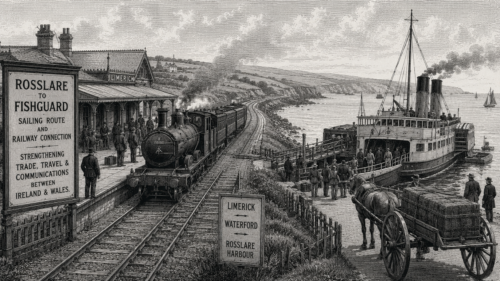
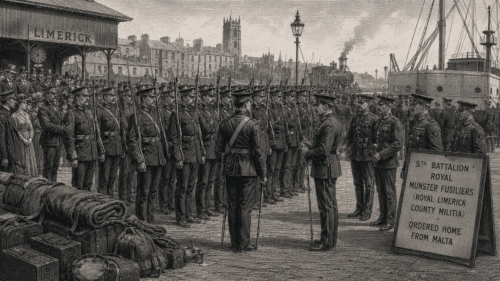
History moves through GURRIERS not as distant background, but as pressure felt in households, schools, churches, workplaces, and streets. Political memory appears in songs, arguments, loyalties, warnings, and stories handed from one generation to another. Economic hardship determines meals, clothing, work, education, and the possibility of leaving. Religious authority shapes guilt, behaviour, fear, and belonging. The docks connect Limerick to a wider world while reminding the boys how little control they possess over their futures. By grounding history in ordinary experience, the novel shows how large forces enter childhood quietly, becoming part of character before anyone fully recognises their power.
Blending humour, sorrow, history, and tenderness, GURRIERS gives forgotten boys of the lanes the dignity of full remembrance. They may be dismissed as trouble, scolded as failures, or feared as future delinquents, but the novel sees beyond those easy judgements. Here they are loyal, wounded, hilarious, brave, selfish, generous, frightened, reckless, and completely human. Their mistakes are not excused, yet neither are they allowed to erase friendship, courage, or possibility. As the second part of the Ashes Trilogy, GURRIERS enlarges Limerick’s story by restoring these boys to memory, not as symbols of misery, but as unforgettable lives worth remembering today.