Now Sharing: Articles: 212 Images: 666 Total Items Archived: 878

Article Archives

Article Archives

212 articles found

Artist Born

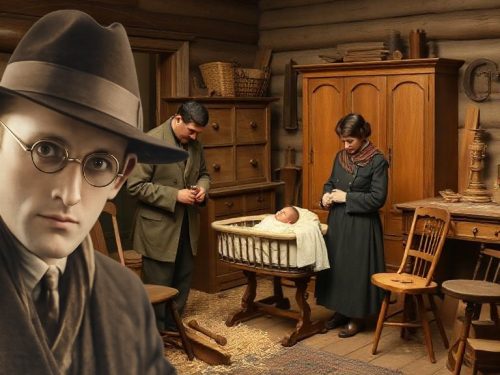
Harry Aaron Kernoff was born in London on 9 January 1900 into a Jewish family whose origins reached across eastern and southern Europe. His father, Isaac Kernoff, was a furniture maker of Russian-Jewish background, while his mother, Katherine, came from a Sephardic Jewish family. The household combined skilled craftsmanship with the experience of migration, placing the future artist within a world shaped by manual work, cultural inheritance and adaptation. Although born outside Ireland, Kernoff would become closely associated with Dublin and would eventually be recognised as one of the most distinctive visual chroniclers of Irish urban life during the twentieth century.
Dynasty Secured

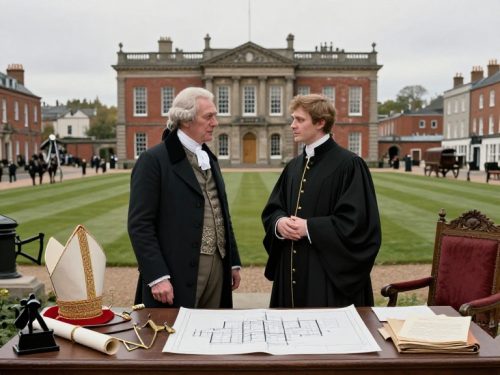
Edmond Sexten Pery retired as Speaker of the Irish House of Commons in 1785 after fourteen years in one of the most influential offices in Irish political life. The Commons unanimously appealed to the lord lieutenant to obtain a royal honour for him, acknowledging his authority, parliamentary skill and long public service. The Crown responded by creating him Viscount Pery of Newtown Pery, permanently linking his title with the Georgian district he had helped establish in Limerick. The honour elevated a local political and property-owning family into the peerage while commemorating the urban development that had transformed the city’s southern expansion.

Commons Uproar

The House of Commons descended into uproar on 2 February 1900 after Colonel Edward Saunderson invoked remarks attributed to John Daly, the Mayor of Limerick, during a fierce attack upon Irish Nationalists. Speaking in a debate on the Government’s conduct of the South African War, the North Armagh Unionist argued that a ministry dependent upon Nationalist votes could not be trusted to prosecute the conflict. Limerick’s political voice therefore entered Westminster at a moment of imperial crisis, exposing the gulf between Irish opposition to the war and Unionist demands for victory and loyalty to the Crown.

Mounted Volunteers

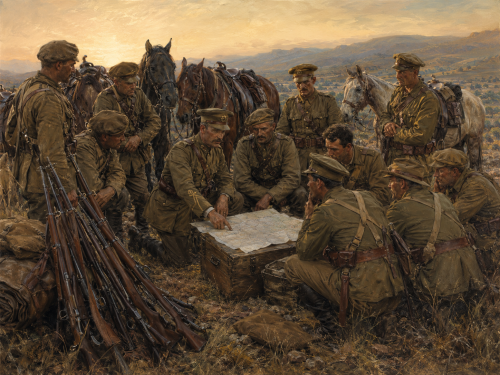
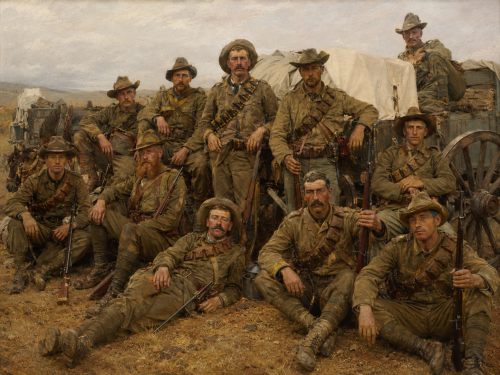
A Special Army Order issued at the beginning of January 1900 established the machinery for recruiting the Imperial Yeomanry, a volunteer mounted force intended for service in South Africa. The decision followed the British defeats of December 1899, when Boer commandos demonstrated the effectiveness of mobile riflemen operating across difficult country. Existing yeomanry units were invited to provide trained volunteers, while suitable civilians could also enlist for a limited period of overseas service. The new formation was organised as mounted infantry rather than conventional cavalry, emphasising movement, marksmanship and the ability to fight after dismounting.

Civic Compromise

Mayor John Daly was returned unopposed when Limerick Corporation assembled for its quarterly election of civic officers. The council then proceeded to choose three qualified burgesses whose names would be submitted for appointment as City High Sheriff. The principal contest appeared likely to involve the serving sheriff, Thomas H. Cleeve, and John F. Power. Their disagreement arose from the proposed amalgamation of the Waterford, Limerick and Western Railway with the Great Southern and Western Railway, an issue that had united much of the Corporation, harbour administration and commercial community in organised opposition.

Discipline Debated

John Dillon’s supporters debated the conditions under which parliamentary discipline could be restored as negotiations advanced towards reunion among Ireland’s constitutional nationalists. Dillon led the Irish National Federation, the larger anti-Parnellite organisation created after the Irish Parliamentary Party divided over Charles Stewart Parnell’s leadership in 1890. Nearly a decade of separate committees, competing election funds and bitter personal rivalries had left nationalist MPs unable to reproduce the cohesion once associated with Parnell. Dillon’s followers wanted unity, but many were reluctant to accept an agreement that might weaken their majority or revive the authority of former Parnellites without firm organisational safeguards.

Difficult Ally

Tim Healy remained one of the most influential yet troublesome figures involved in the effort to reunite Ireland’s divided parliamentary nationalists during January 1900. A formidable barrister, experienced Member of Parliament and devastating political speaker, Healy possessed an authority that could not easily be ignored. He had opposed Charles Stewart Parnell during the leadership crisis of 1890 and subsequently quarrelled with leading anti-Parnellites, particularly John Dillon. By the end of the decade, Healy commanded his own following of MPs and local activists. Any credible agreement restoring nationalist unity therefore required his cooperation, even though many former colleagues distrusted his intentions and feared his independence.

Reafforestation Programme Discussed

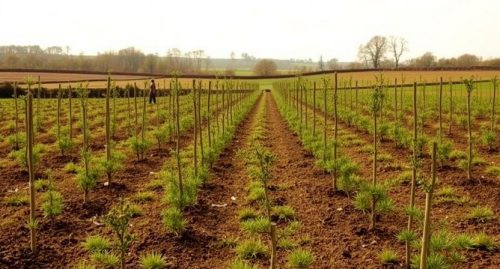
On 12 February 1900, Parliament discussed proposals for an organised programme of reafforestation in Ireland, marking a significant step toward environmental recovery and agricultural improvement. Irish MPs highlighted the country’s extensive deforestation, caused by centuries of overuse and neglect, and the urgent need to restore woodland as a means of combating soil erosion, improving water management, and providing sustainable resources. The debate reflected growing awareness of the ecological and economic benefits of reafforestation, as well as the challenges of implementation.

Ladysmith Assault

Boer commandos launched a major assault upon the British defensive line south of besieged Ladysmith before dawn on 6 January 1900. Their principal targets were Wagon Hill and Caesar’s Camp, two positions on the ridge known locally as the Platrand. Advancing through darkness and broken ground, the attackers surprised several forward posts and gained parts of the crest before the defenders could organise effective resistance. Confused close-range fighting followed, with British and colonial troops struggling to distinguish friend from enemy among rocks, scrub and unfinished defensive works.

Independence Demanded

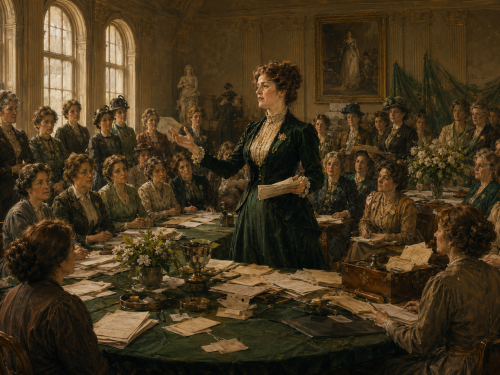
Inghinidhe na hÉireann has declared that the restoration of an Irish legislature under Home Rule would not satisfy its political programme. The women’s organisation established under Maud Gonne’s leadership seeks the complete independence of Ireland rather than limited self-government within the United Kingdom. Its members argue that an Irish parliament remaining subject to Westminster and the Crown would leave the central question of national sovereignty unresolved. The declaration places the Daughters of Ireland firmly within advanced nationalism and separates the new movement from the constitutional programme pursued by John Redmond and the reunited Irish Parliamentary Party.