Now Sharing: Articles: 212 Images: 666 Total Items Archived: 878

Article Archives

Article Archives

212 articles found

Stud Dispersal

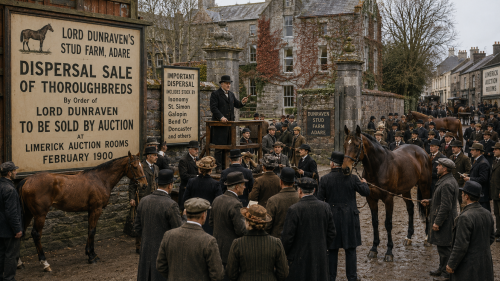
The Irish racing world received unexpected news in January 1900 when reports announced that Lord Dunraven intended to break up his stud farm at Adare and offer a number of its thoroughbreds by public auction in Limerick the following month. The decision immediately concerned County Limerick, where the Dunraven estate had long influenced employment, social life and sporting prestige. The stud was not merely a private collection of horses. It formed part of Adare’s landed economy and connected the village with breeders, trainers, buyers and racecourses throughout Ireland and Britain.
Materials Wanted

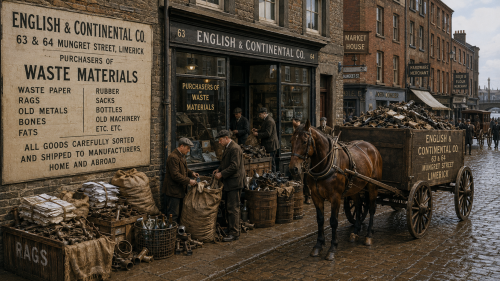
Long before recycling became a familiar part of everyday life, the English and Continental Company invited Limerick residents to recognise the commercial value hidden in unwanted materials. Operating from 63 and 64 Mungret Street in 1900, the firm advertised for discarded goods that could be purchased, sorted and returned to productive use. Its premises stood within a busy commercial district close to the city’s markets, workshops and riverside trade. The advertisement reveals an organised local business in recovered materials, connecting household remnants and industrial offcuts with merchants prepared to sell them into wider manufacturing and export networks.

Hartstonge Legacy

The Hartstonge and Pery families became closely bound through two marriages that brought together political influence, landed property and urban ambition in eighteenth-century Limerick. Sir Henry Hartstonge, third baronet of Bruff and Court, married Lucy Pery in 1751. She was the sister of Edmond Sexten Pery and the Reverend William Cecil Pery, whose parliamentary, ecclesiastical and property interests increasingly shaped the city. The marriage produced no children, but it placed Hartstonge firmly within the Pery family circle. He became both a political ally and a participant in the development of property connected with Newtown Pery.

Suffrage Expansion

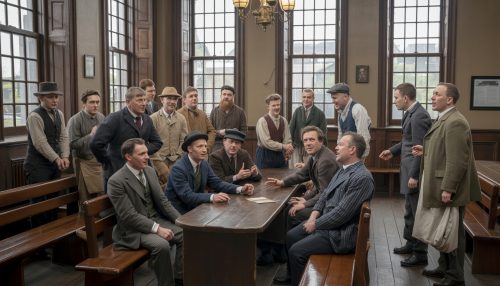
On 2 February 1900, the Manhood Suffrage (Ireland) Bill was formally introduced in the British Parliament, proposing a sweeping expansion of the Irish parliamentary electorate. The bill sought to grant the vote to all adult men, removing property and residency qualifications that had long limited participation in national elections. News of the bill’s introduction quickly reached Limerick, sparking lively discussion among political organisations, civic leaders, and working-class communities eager to see their voices represented in Parliament.

Yeomanry Depart

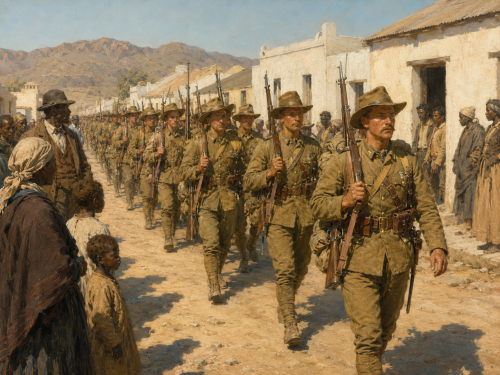
Reports from Cape Town in early March 1900 carried the movement of the Leicestershire Yeomanry into Limerick homes already preoccupied with the South African War. The 7th (Leicestershire) Company of the 4th Battalion, Imperial Yeomanry, had reached the Cape near the end of February and was ordered inland with its battalion on 4 March. Although this county contingent had not been recruited in Limerick, its departure held local meaning because the Royal Munster Fusiliers drew heavily from Limerick city and county, while their 1st Battalion was already serving in South Africa.

Unlikely Nurse

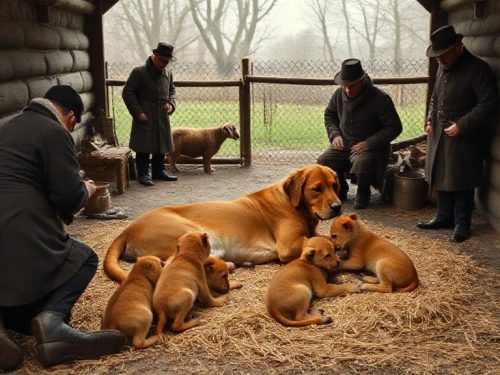
Three young lion cubs raised with the assistance of an Irish red setter were placed on public view at Dublin Zoo on 16 January, attracting attention to one of the most unusual episodes in the Gardens’ long breeding history. The cubs had been born to the lioness Hypatia, but she refused to nurse them. Keepers were therefore forced to seek another source of milk if the litter was to survive. A goat was first employed for several days before the setter assumed the role of foster mother, accepting the vulnerable cubs and feeding them alongside the close supervision of zoo staff.

Nationalist Victory

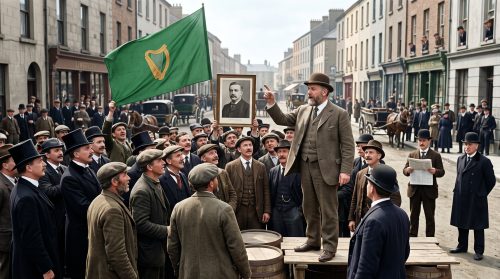
The reunited Irish Parliamentary Party has emerged from the general election holding seventy-seven of Ireland’s 103 seats at Westminster, confirming constitutional nationalism as the country’s dominant electoral force. The result will be welcomed in Limerick, where Michael Joyce has captured the city constituency by a decisive majority and joined John Redmond’s restored parliamentary organisation. Although the Conservative and Liberal Unionist alliance retains power throughout the United Kingdom, Irish voters have again returned an overwhelming majority of representatives committed to Home Rule. The figures demonstrate that nearly a decade of nationalist division has not destroyed support for parliamentary self-government.

Summit Disaster

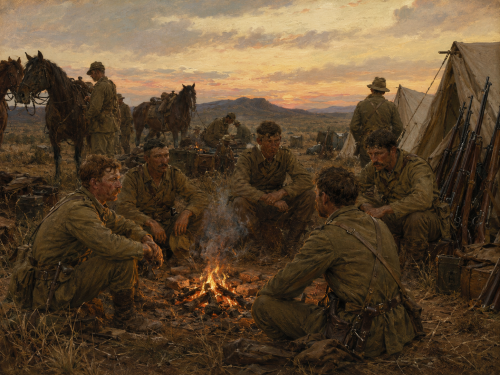
For Limerick, whose city and county belonged to the recruiting region of the Royal Munster Fusiliers, reports from Spion Kop carried immediate human significance even though that regiment did not fight upon the summit. During the night of 23–24 January 1900, British troops commanded by Major-General Edward Woodgate climbed the steep hill in Natal as part of Sir Redvers Buller’s renewed attempt to relieve besieged Ladysmith. The attackers surprised a Boer outpost and secured part of the summit before dawn, but mist and darkness concealed the true shape of the ground and the stronger positions lying beyond them.

Irish Volunteers

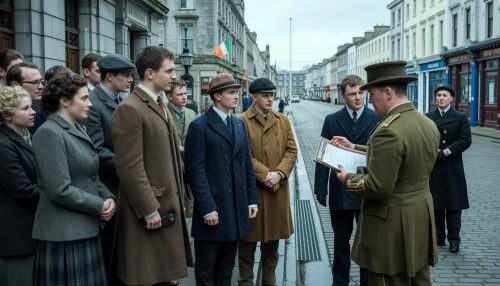
On 5 February 1900, the recruitment and service of Irish volunteers fighting in the South African War (Second Boer War) became the subject of formal examination in the British Parliament. This development was closely followed in Limerick, where families, civic leaders, and military organisations had a keen interest in the fate and recognition of local men serving abroad. The war, which began in 1899, saw Irish soldiers enlist both in regular regiments and as volunteers, with Limerick contributing its share to the Imperial forces.

Ambition Rewarded

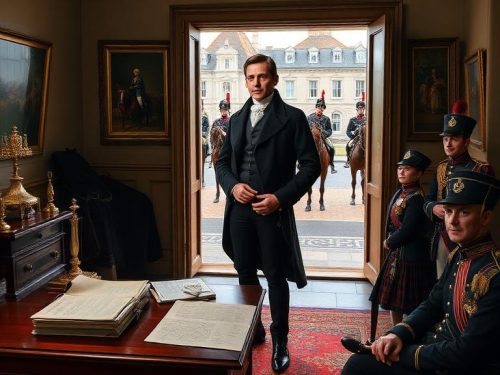
Edmond Henry Pery returned from a prolonged Grand Tour determined to convert education, family connection and social confidence into political influence. Travelling across continental Europe between approximately 1775 and 1779, he encountered courts, scholars, artists and aristocratic society, corresponding with figures including Sir William Hamilton at Naples and Frederick Hervey, Bishop of Derry. His notebooks recorded European constitutions, treaties, antiquities and works of art, giving the young Limerick heir the polish expected of an ambitious gentleman. When he returned to Ireland, he entered public life as a cosmopolitan aristocrat prepared to use family influence and government loyalty to advance himself.