Now Sharing: Articles: 212 Images: 666 Total Items Archived: 878

Article Archives

Article Archives

212 articles found

Broadcast Pioneer

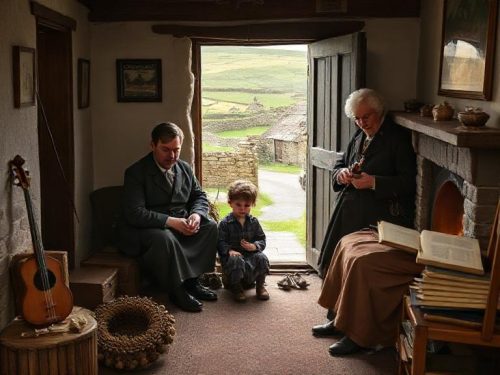
Séamus “Clan” Clandillon was born near Gort, County Galway, on 6 June 1878 into a household closely connected with education. His father, William A. Clandillon, was a national school teacher, while his mother, Joanna Little, also came from a family shaped by work, migration and service. The countryside surrounding Gort preserved a strong inheritance of Irish-language speech, traditional singing and local storytelling. These influences entered Clandillon’s life early and later guided his work as a teacher, musician, civil servant and broadcaster. The child born in rural Galway would eventually help determine how the newly independent state presented Irish culture through radio.

Observer Expelled

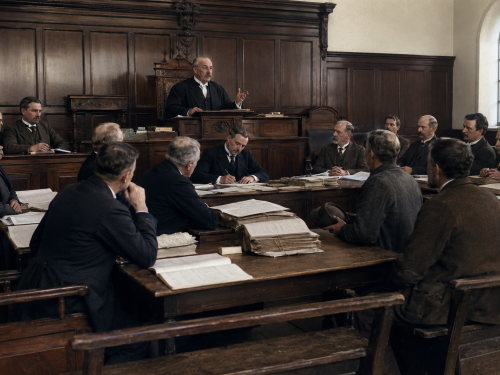
The Limerick Board of Guardians unanimously ordered a police constable to leave its meeting after members discovered that he was taking notes of the proceedings while dressed in civilian clothing. The incident, reported on 13 January 1900, interrupted the ordinary work of the board and immediately raised questions about why a police observer had entered the room without openly declaring his purpose. Mr Fitzgerald drew attention to the constable’s presence and proposed that the chairman require him to withdraw. Mr Kelly seconded the motion, which passed without dissent, leaving the officer no choice but to depart.

Tenant Payments

Judge Richard Adams delivered an important ruling during the Limerick Quarter Sessions concerning the fixing of fair rents on Irish agricultural holdings. He declared that money already paid by a tenant to obtain possession of a farm should be taken into account when the judicial rent was assessed. Such payments commonly represented the purchase of the outgoing tenant’s interest, goodwill or tenant-right rather than money paid directly to the landlord. Adams’s statement recognised that an incoming occupier might have invested a substantial sum before paying a single year’s rent and that this financial burden formed part of the true circumstances of the tenancy.

Veteran Dies

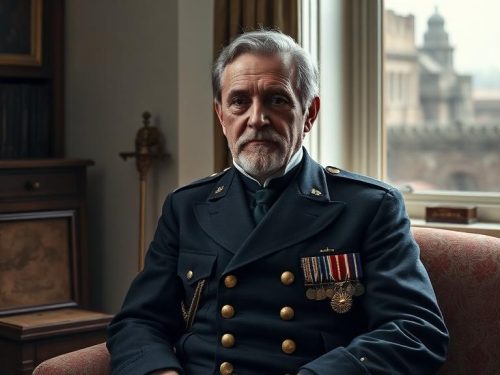
Lieutenant-Colonel Abraham Boulger, one of Ireland’s earliest recipients of the Victoria Cross, died at Moate, County Westmeath, on 23 January 1900, aged sixty-four. Born at Kilcullen, County Kildare, on 4 September 1835, he entered the British Army and rose from the ranks during a long career of active service. His reputation rested principally upon his conduct during the Indian Rebellion of 1857, when, as a young lance-corporal in the 84th Regiment of Foot, he repeatedly placed himself in exposed positions during the campaign associated with Cawnpore and the relief and defence of Lucknow.

Police Presence

On 8 February 1900, the continued employment of additional police in County Kerry was challenged in Parliament, highlighting tensions between authorities and local communities in the region. The deployment of extra police—often associated with periods of agrarian agitation, rent disputes, or social unrest—was criticised by Irish representatives, who argued that such measures were expensive, disruptive, and contributed to an atmosphere of mistrust.

British Absence

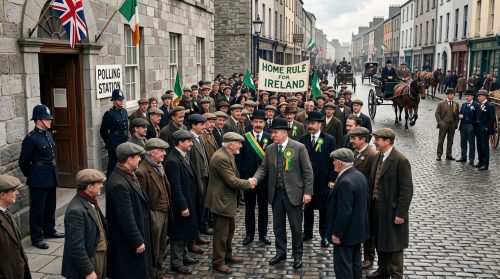
The completed general election has again demonstrated the weakness of the principal British political parties throughout nationalist Ireland. John Redmond’s reunited Irish Parliamentary Party has taken seventy-seven of Ireland’s 103 seats, while candidates standing directly for the British Liberal and Conservative parties made little impression across the south, west and much of the midlands. In Limerick, voters returned nationalist representatives without any prospect of an ordinary contest between the parties governing and opposing at Westminster. Irish political organisation remains shaped principally by the constitutional struggle between nationalism and unionism rather than by the divisions governing electoral life in Great Britain.

Hidden Discontent

Advanced nationalists have rejected claims that Queen Victoria’s public reception demonstrates widespread Irish loyalty, arguing that the decorations and official ceremonies conceal deep political discontent. Dublin’s principal streets have been covered with garlands, ceremonial arches and symbols of imperial authority, while military escorts, civic addresses and organised celebrations have presented an image of national harmony. Separatist critics insist that this display was created by government departments, loyal institutions and commercial interests rather than by an Ireland content with British rule. In Limerick, their argument will appeal to nationalists who see Home Rule delayed, poverty unresolved and political authority retained at Westminster.

Daughters Founded

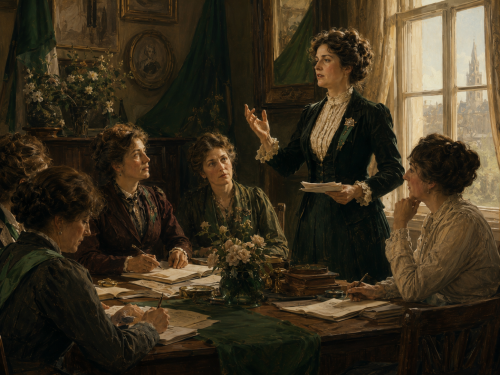
Inghinidhe na hÉireann, translated as the Daughters of Ireland, has been established in Dublin under the leadership of Maud Gonne. The women’s nationalist organisation emerged from a meeting held in the rooms of the Celtic Literary Society on Easter Sunday, where participants discussed practical opposition to Queen Victoria’s visit and its accompanying children’s celebrations. The founders intend to give women an independent place within advanced nationalism rather than restricting them to supporting roles in organisations directed by men. News of the initiative will attract attention in Limerick among women already active in cultural, charitable and political life.

Militia Mobilised

The South African War entered everyday life in Limerick during 1900 when the Royal Limerick County Militia was embodied for extended military service. Since the army reforms of 1881, the historic county force had formed the 5th Battalion of the Royal Munster Fusiliers and maintained its local headquarters at Strand Barracks. Its mobilisation connected families throughout Limerick city and county with the wider demands of an imperial conflict. Although the battalion did not campaign against the Boers as a complete unit, its men undertook duties that released regular soldiers for service elsewhere.

Creamery Contest

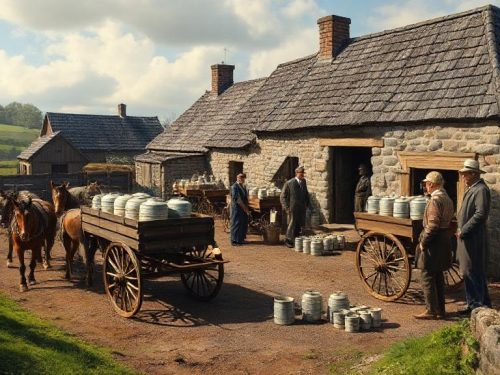
Agricultural co-operation is challenging the private commercial control long exercised over Irish butter production and marketing. Farmer-owned creameries allow milk suppliers to combine their resources, process milk by machinery and sell butter through organisations answerable to their members. The movement carries particular importance in County Limerick, where dairying supports farmers, labourers, carriers, merchants and rural households. Supporters argue that producers should receive a greater share of the value created from their milk instead of remaining dependent upon private creamery proprietors, butter buyers and commercial intermediaries whose interests may not coincide with those of farming communities.