Now Sharing: Articles: 212 Images: 666 Total Items Archived: 878

Article Archives

Article Archives

212 articles found

Roads Conflict

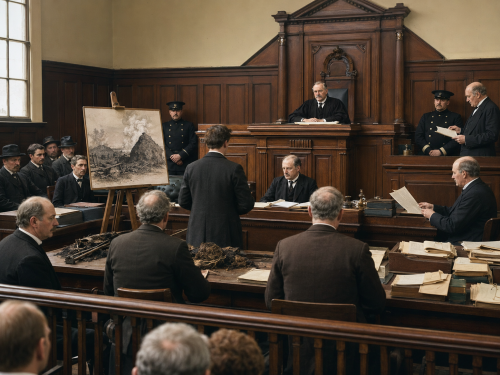
Judge Richard Adams awarded £105 compensation at Limerick County Crown Court for hay maliciously burned at Templebredin on the night of 6 December 1899. The claimant, T. M. English, had sought £116 for the destroyed property and argued that hostility arose from his position during a dispute over the maintenance of public roads. Evidence presented to the court connected the burning with an increasingly bitter campaign for the direct employment of labourers by the newly established local authorities. The case brought a rural employment controversy from council meetings into the formal machinery of criminal injury compensation.

Land Acts Debate

On 9 February 1900, Parliament engaged in a major debate on the operation of the Irish Land Acts, focusing particularly on judicial rents and tenant purchase. Irish MPs argued that, while the Land Acts had been designed to address the longstanding grievances of tenant farmers, many obstacles remained. Tenants faced difficulties in securing fair rents, and the process of purchasing land from landlords was hampered by bureaucracy, inadequate funding, and legal delays. The debate underscored the central role of land issues in Irish politics and rural life.

Route Endorsed

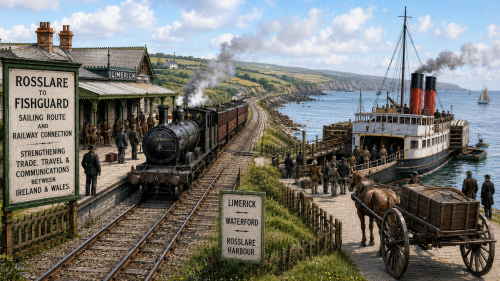
Limerick County Council looked towards the Irish Sea in 1900 when it supported proposals for the developing railway and steamship connection between Rosslare in County Wexford and Fishguard in Wales. The surviving account mistakenly calls the Irish port “Roeselare,” the name of a Belgian city, but the intended destination was Rosslare. Although both harbours lay far from County Limerick, councillors recognised that a through route from the Shannon region towards Waterford and the south-eastern coast might improve passenger travel, commercial communication and access to markets in Britain.

Railway Amalgamation

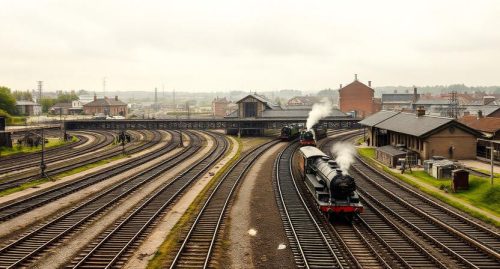
On 6 February 1900, the proposed amalgamation of the Great Southern and Western Railway with the Waterford, Limerick and Western Railway was raised in Parliament, an issue of immediate interest to the people of Limerick. The city served as a strategic hub for both railway companies, and the potential merger sparked widespread discussion among Limerick’s business leaders, merchants, and everyday travellers who relied on efficient rail connections for commerce and communication. Many in Limerick saw the proposal as a double-edged sword: it promised improved connectivity and investment but raised concerns about local influence and job security.

Unity Resolutions

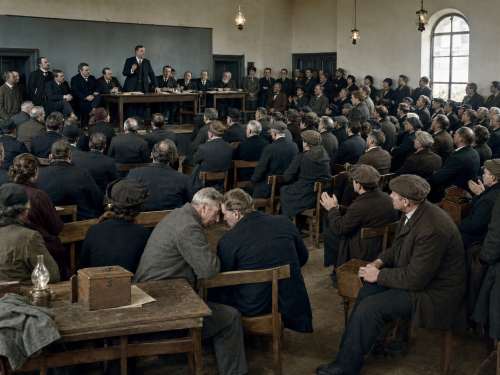
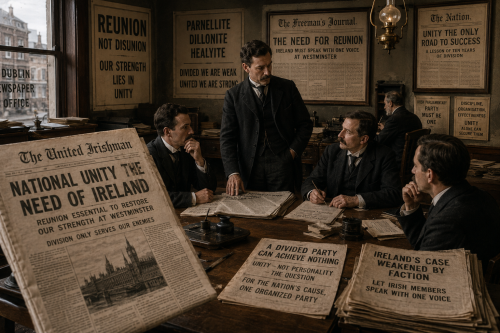
Local political organisations passed resolutions supporting a united Irish parliamentary representation as impatience grew with the divisions inherited from the fall of Charles Stewart Parnell. United Irish League branches, nationalist associations and constituency bodies increasingly argued that rival parliamentary groups should place national interests above personal quarrels. Their declarations carried no direct authority over individual MPs, but they reflected the opinion of activists who organised meetings, raised subscriptions and supplied much of the labour required during elections. Continued factionalism therefore threatened not only parliamentary effectiveness but the willingness of local supporters to sustain representatives who refused to cooperate.

Trawling Criticism

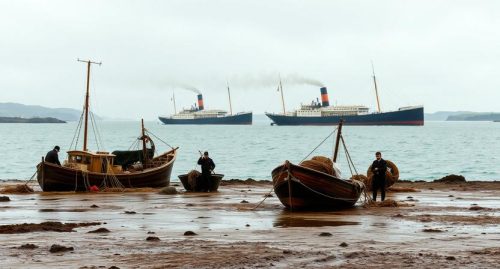
On 8 February 1900, the practice of steam trawling in Wexford Bay was sharply criticised in Parliament, with local fishermen and their advocates voicing concern over its damaging effects on traditional livelihoods. The introduction of steam-powered trawlers had revolutionised fishing along the Irish coast, but many small-scale fishermen complained that these vessels indiscriminately swept up fish stocks, destroyed spawning grounds, and left little for those using more sustainable methods.

Estates Reorganised

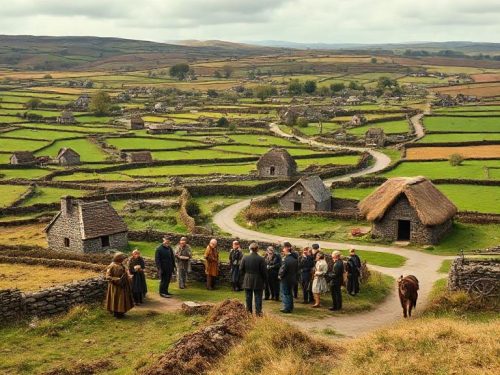
The Congested Districts Board is continuing its efforts to purchase and reorganise estates in the poorest districts of western Ireland. Created in 1891 to relieve chronic rural poverty, the Board has increasingly turned towards land purchase as a means of enlarging uneconomic farms, combining scattered plots and moving selected families from overcrowded districts onto more productive ground. Its work is concentrated principally in Connacht and the western counties, where generations of subdivision have left many households dependent upon holdings too small or infertile to provide a secure living.

Editorial Pressure

Nationalist newspapers increasingly presented reunion as a political necessity if Ireland was to recover influence at Westminster. Nearly ten years of division had left the parliamentary movement broken into Parnellite, Dillonite and Healyite groupings, each claiming to represent the national cause while weakening the collective strength of Irish MPs. Editorial argument did not always conceal sympathy for particular leaders, but a common warning became difficult to ignore: a divided party could neither discipline its members nor exploit opportunities created by close divisions in the House of Commons. Unity was therefore described less as reconciliation between personalities than as an instrument of national effectiveness.

Recruitment Intensifies

A fresh sequence of enlistments was entered for the Royal Irish Regiment as recruiting activity increased during the South African War. The new names reflected the widening demand for soldiers after the British Army suffered heavy reverses during the closing weeks of 1899. Recruiting offices were encouraging suitable men to enter regular service, while reservists were being recalled and additional forces prepared for overseas deployment. For many Irish families, the war was no longer a remote imperial struggle reported from distant battlefields. It had begun to influence employment decisions, household income and the movements of young men across towns and rural districts.

Sanitary Works Examined

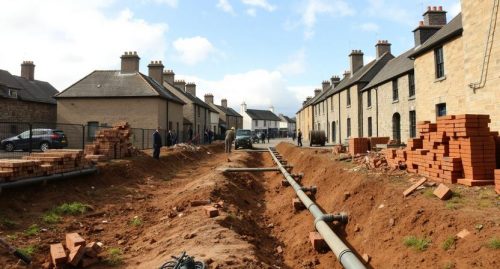
On 12 February 1900, Parliament examined the financing and construction of public sanitary works in Ireland, highlighting the urgent need for improved health infrastructure across both urban and rural communities. Irish MPs argued that inadequate water supply, sewage disposal, and drainage contributed to outbreaks of disease and poor living conditions. They called for increased government funding, streamlined approval processes, and technical support for local authorities tasked with building modern sanitary systems.