Archived: 20 October 2026
Abstract
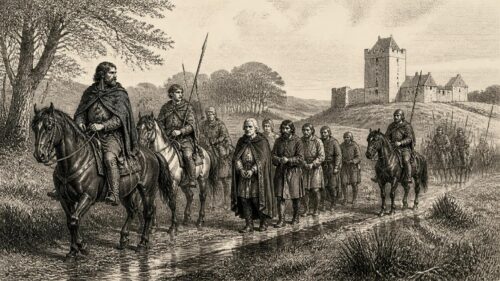
In 1466, Conn Ó Conchobhair Fáilghe defeated the lordship’s Meath and Leinster expedition in Uí Fhailí, capturing Deputy Earl Thomas FitzGerald of Desmond before Dublin men rescued him from Carbury. The defeat enabled raids and strengthened Tadhg Ó Briain of Thomond, who extracted concessions from Desmond and Limerick, but died later that year. Warfare also affected Oriel and Connacht, where rival lordships used alliances, hostages, cattle and tribute to maintain power. Plague struck Dublin, Meath and Leinster, while fire damaged Holy Trinity Abbey on Lough Key. Deaths of rulers, clergy and learned men illustrated Ireland’s precarious, locally negotiated political order.
Read Article
Archived: 23 October 2026
Abstract
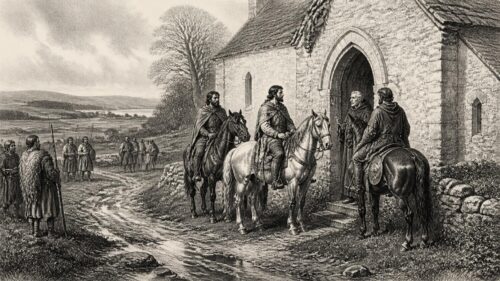
In 1342, Connacht was convulsed by a dynastic war that displaced King Toirrdelbach Ó Conchobair. Conchobar Mac Diarmata, Edmund Burke and rival Ó Conchobairs formed a coalition, humiliating Toirrdelbach at Elphin, destroying crops, fighting over fords and fortresses, and exploiting captivity and assassination. Aed Ó Conchobair became king, though Toirrdelbach regained power in 1343. Elsewhere, Conchobar Ó Domnaill was murdered in Tír Conaill, while raids caused deaths in Oriel. Dublin government abandoned contested reforms amid local resistance. Annalistic notices also record the deaths of poets, historians and clerics, revealing overlapping political, military, ecclesiastical and learned worlds during the year itself.
Read Article
Archived: 24 October 2026
Abstract
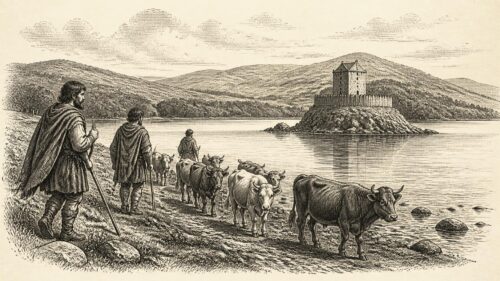
In 1321, Irish annals recorded an unprecedented cattle murrain across Ireland, corroborated in Connacht, Ulster and Munster, where famine was also noted. The disease, of unknown cause, destroyed vital sources of food, labour, wealth and political obligation, exposing fragile recovery after earlier war and subsistence crises. Conflict nevertheless continued: Cathal Ó Conchobair destroyed the Rock of Loch Key and rivals were killed; Oriel endured dynastic mutilation and assassination involving Dundalk; Meath forces defeated Offaly chiefs; and a Munster hosting sought castles and hostages. These events reveal local, interwoven Gaelic and settler politics, but cattle mortality remained the year’s island-wide calamity.
Read Article
Archived: 24 October 2026
Abstract
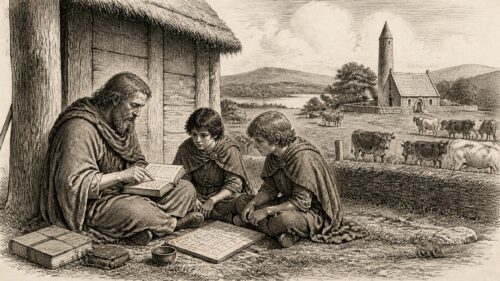
In 1301, Irish annals recorded local conflict, religious deaths and Ireland’s involvement in Edward I’s Scottish campaign. Áed Ó Conchobair and Clann Muirchertaigh raided Mag Cétne, while killings among Muintir Chionaoith and Uí Máel Sechlainn exposed dynastic rivalries. The deaths of Gilla Íosa Mac Fir Bisig, an eminent ollam, Abbess Finnguala of Kilcreevanty, priest Matha Mac Raith and steward Cathal Ó Máel Dúin illuminate Gaelic learning, ecclesiastical leadership and royal administration. Anglo-Irish magnates and forces served in Scotland from late July to November, although the earl of Ulster stayed behind. These fragmentary records reveal interconnected Gaelic and English political worlds.
Read Article

Archived: 24 October 2026
Abstract
In 1294 Richard de Burgh, the Red Earl of Ulster and lord of Connacht, was captured by John fitz Thomas FitzGerald and imprisoned at Lea Castle, intensifying a wider struggle for power in Connacht. Sligo Castle was destroyed amid rival campaigns, while killings, raids and disputed successions destabilised Gaelic lordships. FitzGerald and de Bermingham forces devastated Connacht but failed to secure lasting control. Deaths and successions affected regional dynasties, ecclesiastical offices and political marriages. Bad weather and harvest failure began a three-year dearth, compounded by warfare. Property transactions continued, revealing authority divided among crown, magnates, kings, chiefs and local institutions.
Read Article

Archived: 24 October 2026
Abstract
In 1293, Ireland experienced interconnected political, administrative and religious upheavals. In Connacht, Magnus Ó Conchobair’s death triggered rapid changes of kingship, as Áed mac Eógain, Cathal Ruad and Anglo-Irish interests contested authority. Violence destabilised Moylurg and claimed several regional rulers. William de Vesci’s rivalry with John fitz Thomas FitzGerald prompted Edward I to restrain military mobilisation, reform sheriffs’ accountability and investigate the justiciar. At Saul, Nicholas Mac Máel Ísu enshrined reported relics of Patrick, Columba and Brigid, reinforcing ecclesiastical prestige. Episcopal deaths and contested elections linked Irish churches to royal administration, monasteries and Rome, revealing overlapping, insecure jurisdictions across Ireland.
Read Article

Archived: 24 October 2026
Abstract
In 1284, Irish politics was shaped by local conflict, succession and contested lordship rather than an island-wide crisis. In Thomond, Toirdelbach Ó Briain killed his rival Donnchad, strengthening his position and troubling Thomas de Clare’s Bunratty lordship. In Connacht, Simon d’Exeter’s death provoked raids, while losses suffered by Holy Trinity Island and Boyle Abbey were repaid; Fiachra Ó Flainn burned Dunmore. King Cathal mac Conchobair Ruaid demolished Kilcolman Castle, challenging fortified authority. Elphin saw rapid episcopal changes after two deaths. Killings of northern chiefs further demonstrate fragile regional power, where kinship, churches, compensation and strongholds shaped political control across Ireland.
Read Article

Archived: 25 October 2026
Abstract
In 1243, Connacht and its borderlands saw political violence centred on Tadhg Ó Conchobair, grandson of Cathal Crobderg. Released by Cú Chonnacht Ó Raigillig, Tadhg seized Cormac Mac Diarmata and his own mother, Étáin, delivering her to Ó Raigillig as ransom. At Martinmas, Ó Raigillig treacherously recaptured Tadhg and killed his followers, worsening Connacht-Bréifne tensions. Raids by Cathal Ó Conchobair deepened conflict. Ecclesiastical notices record clerical deaths, overseas learning, and enlargement of Ardcarne church. Richard de Burgh died campaigning for Henry III in France. Annalistic confusion over Hugh de Lacy’s death requires caution, illustrating limitations of medieval chronology in sources.
Read Article
Archived: 25 October 2026
Abstract
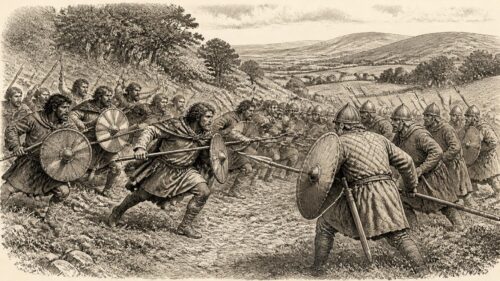
In 1237 Fedlim mac Cathail Chrobdeirg Ua Conchobair led a Connacht coalition against rival Ua Conchobair claimants, defeating troops linked to the Justiciar at Drumrat and devastating opponents’ lands. His forces briefly controlled Magh Luirg and Lough Key, where land was granted to a Holy Trinity community, while Fedlim later executed hostages. He subsequently made peace with the Justiciar, receiving the Five King’s Cantreds free of tribute, as Irish barons began castle-building in Connacht. Church reform advanced through Archbishop Máel Muire Ó Lachtáin’s Athlone synod. Clarus Mac Máelín founded a canons’ monastery on Trinity Island, while several prominent clerics died.
Read Article
Archived: 25 October 2026
Abstract
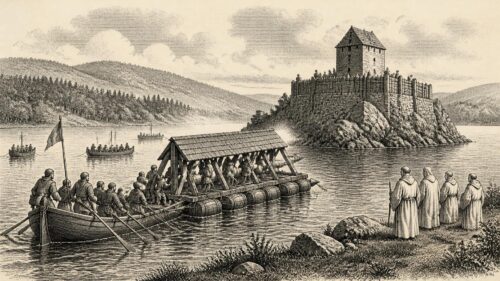
In 1235, Richard de Burgh and Justiciar Maurice FitzGerald led a broad Anglo-Irish army into Connacht, burning Roscommon and Elphin, raiding cattle, and disrupting communities. The expedition extended into Thomond, forcing King Donnchad Ó Briain to surrender hostages and tribute, before pursuing Fedlimid Ó Conchobair’s allies across western coastal and island regions. At Lough Key, attackers deployed ships, siege engines and a floating ram to capture the Rock, but its garrison lost it within twenty nights. Fedlimid later made peace and retained five cantreds. The campaign demonstrated lordship power, yet Connacht remained damaged, politically contested and far from securely conquered.
Read Article





