
Year by Year
Explore Year by Year articles from the most modern historical year back to the oldest.
3,293 Articles Archived
Ashbourne Act
Archived: 10 October 2026
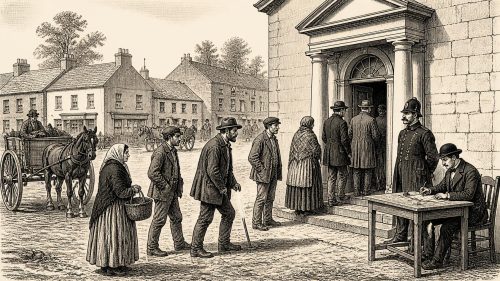
In 1885, Ireland’s land and constitutional politics were reshaped. The first Ashbourne Act authorised £5 million for state-backed tenant purchases, advancing the shift from landlordism, while educational endowments legislation addressed school resources. Lord Salisbury’s minority Conservative government appointed Lord Carnarvon, whose private discussion with Charles Stewart Parnell indicated tentative interest, not commitment, in Irish legislative autonomy. Franchise extension and redistribution enlarged and reorganised constituencies. The Irish National League’s organisation helped Parnellites win 85 of Ireland’s 103 seats, giving their Westminster bloc decisive leverage. Unionist strength persisted in Ulster. Economic contrasts, emigration, and Gaelic Athletic Association rule-making also marked the year.
Gaelic Athletics
Archived: 10 October 2026
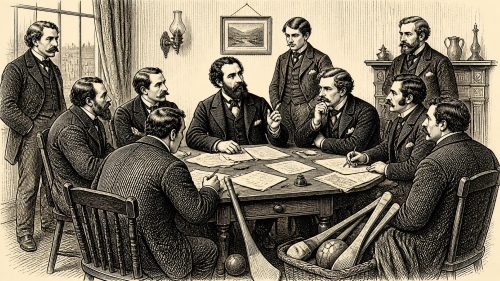
In 1884, Michael Cusack, Maurice Davin and others founded the Gaelic Athletic Association at Hayes’s Commercial Hotel, Thurles, to organise and promote Irish games and athletics. Supported by patrons including Charles Stewart Parnell, Michael Davitt and Archbishop Croke, it linked recreation with nationalist cultural confidence, though formal rules followed in 1885. Meanwhile, franchise reform widened male voting rights without enfranchising women or all men, intensifying Home Rule politics and land concerns. Emigration exceeded natural population growth, while disease and infant mortality remained high. Nine women received Royal University degrees, signalling limited educational progress amid persistent social, economic and religious inequalities.
Labourers' Act
Archived: 10 October 2026
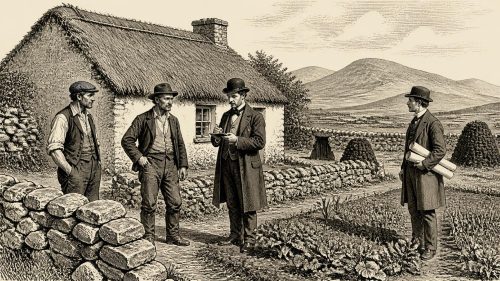
In 1883, Ireland remained divided by unresolved land ownership, coercive government and demands for Home Rule, while the aftermath of the Phoenix Park murders shaped prosecutions and political debate. The Labourers (Ireland) Act established a cautious framework for sanitary authorities to build rural cottages, foreshadowing later reforms. Nationalist organisation persisted through Parnell, the National League and transatlantic support. Catholic institutions expanded with Belfast’s Mater Hospital and a Jesuit University College in Dublin. Completed O’Connell monument figures, international rugby, emigration, a Tyrone tramway proposal and George Moore’s first novel reflected wider civic, economic and cultural change amid continuing uncertainty, national tensions.
Invincibles Assassinations
Archived: 10 October 2026
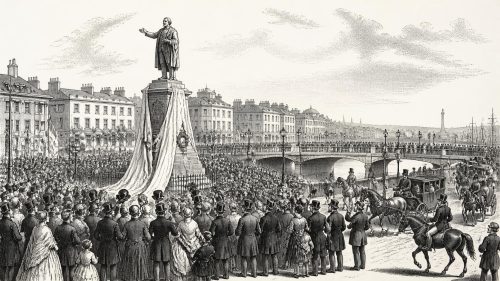
1882 in Ireland combined attempted settlement, assassination, land relief, coercion, injustice, and nationalist reorganisation. Informal negotiations between Parnell and Gladstone’s government secured nationalist releases and promised arrears relief, prompting Forster’s resignation. Days later, Irish National Invincibles murdered Chief Secretary Lord Frederick Cavendish and under-secretary Thomas Henry Burke in Phoenix Park, damaging constitutional nationalism. The government responded with the Prevention of Crime Act and the limited Arrears of Rent Act. At Maamtrasna, inadequate interpretation imperilled Irish-speaking defendants; Myles Joyce was executed and posthumously pardoned. Parnell’s supporters founded the Irish National League, while Dublin unveiled O’Connell’s monument, affirming constitutional public national aspirations.
Land Reform
Archived: 10 October 2026
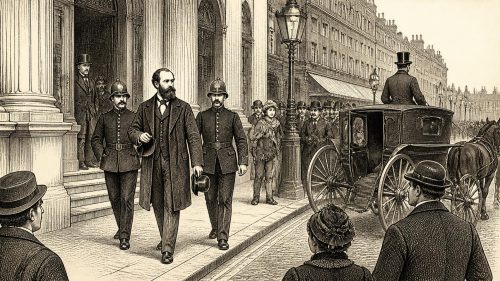
In 1881, Ireland’s Land War intensified as Gladstone’s government combined coercive detention powers with the Land Law (Ireland) Act. The Act advanced the Land League’s three Fs—fair rent, fixity of tenure and free sale—through judicial rents, security and protected tenant interests, but left arrears and ownership unresolved. Michael Davitt and Charles Stewart Parnell were imprisoned, while the Irish National Land League was suppressed after its No Rent Manifesto. Anna Parnell’s Ladies’ Land League organised relief and resistance. Census returns recorded continuing population decline and rural predominance. The year permanently weakened landlord authority while linking land reform, political protest and self-government.

Captain Boycott
Archived: 10 October 2026
In 1880, agricultural failure, falling prices and rent arrears intensified Irish rural distress, prompting relief measures, emigration and debate over tenants’ responsibilities. The general election and Charles Stewart Parnell’s American fundraising strengthened nationalist organisation; his victory over William Shaw established parliamentary leadership. The Lords’ rejection of the limited Compensation for Disturbance Bill deepened distrust of Westminster. Parnell promoted ostracism of those taking evicted farms, exemplified by Captain Boycott’s isolation at Lough Mask, which created the word boycott. Agrarian violence and prosecutions revealed mounting conflict. Meanwhile, the Royal University of Ireland expanded degree access, including for women, linking crisis with change.
Land League
Archived: 10 October 2026
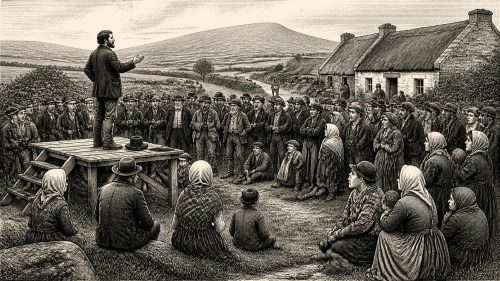
In 1879, poor harvests, falling agricultural prices and insecure small tenancies caused distress in Connacht, reviving fears of hunger, debt and eviction. On 20 April, tenants meeting at Irishtown, County Mayo, transformed a local rent dispute into agitation. Further meetings led to the Mayo Land League at Castlebar in August and the Irish National Land League in Dublin in October, connecting rural protest with Parnell’s parliamentary nationalism. Isaac Butt died, while Home Rule leadership was contested. In August, Knock villagers reported a Marian apparition, investigated by church authorities. Relief efforts began, and university reform created the Royal University of Ireland.
Leitrim Assassination
Archived: 10 October 2026
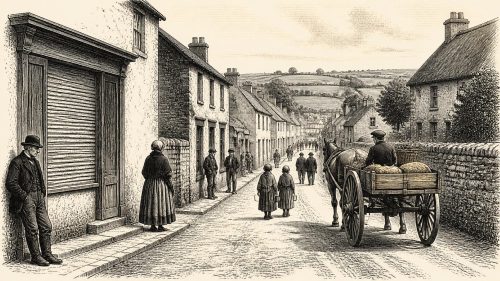
In 1878, Ireland faced mounting tensions before the Land War. Lord Leitrim, notorious among tenants, was killed with two companions in Donegal, highlighting grievances over eviction and insecure tenure. Agricultural depression, poor harvests, emigration and severe disease increased hardship, though conditions varied regionally. The Public Health (Ireland) Act strengthened sanitary administration amid high mortality. The Intermediate Education Act created examination-based support for secondary schooling, including potential provision for girls. Sunday licensing restrictions reshaped social life, with urban exemptions. Politically, Isaac Butt weakened as Charles Stewart Parnell advanced tenant-rights agitation and contacts associated with the emerging New Departure in Irish politics.
Parliamentary Obstruction
Archived: 10 October 2026
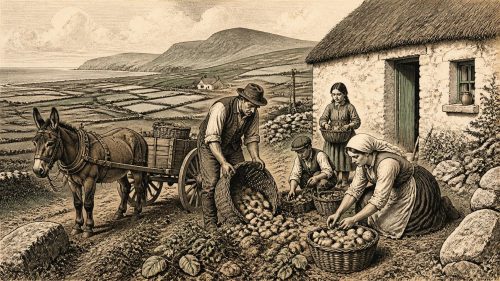
In 1877, Charles Stewart Parnell and Joseph Gillis Biggar used prolonged Commons obstruction to challenge Westminster’s neglect of Irish concerns, weakening Isaac Butt’s constitutional leadership. A poor potato harvest and falling agricultural prices increased hardship among tenants, especially in western districts, foreshadowing but not yet constituting the Land War. Dublin saw centralising prison reform, creation of the Science and Art Museum, and medical licences for Sophia Jex-Blake, Mary Edith Pechey and Louisa Atkins. Dom Pedro II of Brazil toured Ireland, highlighting international connections. Meanwhile, the Ballymena and Larne Railway opened goods traffic, illustrating uneven regional economic development within Ireland clearly.
Butt's Defeat
Archived: 10 October 2026
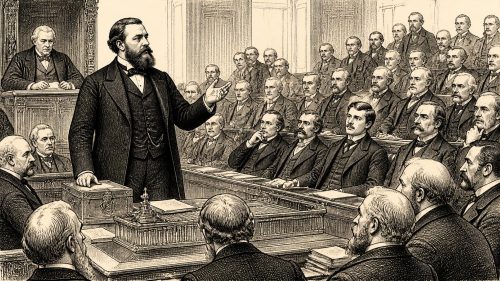
In 1876, Isaac Butt’s request for a Commons committee on Irish self-government was defeated overwhelmingly, exposing Westminster’s resistance and divisions within Home Rule, where Parnell advocated repeal of the Union. Land tenure remained contested despite the 1870 Act; parliamentary initiatives and Return of Owners of Land highlighted insecurity and concentrated property, although harvests were good. Railway consolidation created Great Northern Railway, while Dublin established an artisans’ dwellings company. The Dublin Women’s Suffrage Association, led by Anna Haslam, organised campaigning. The Society for the Preservation of the Irish Language formed, signalling cultural activism amid continuing emigration, rural dependence and British rule.
Some records do not yet have a verified historical year and are awaiting chronological placement.