
Year by Year
Explore Year by Year articles from the most modern historical year back to the oldest.
3,294 Articles Archived
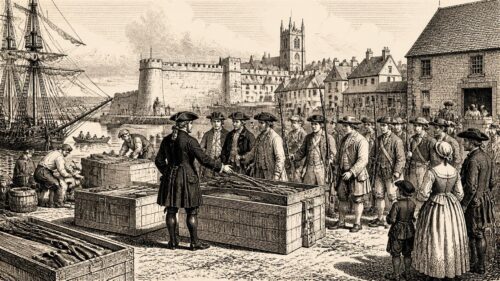
Protestant Militia
Archived: 13 October 2026
In 1715, Ireland avoided a Jacobite rising despite rebellion in Scotland and northern England, but Hanoverian authorities governed amid anxiety. Officials disarmed Catholics, enforced penal laws, monitored clergy, travellers and supplies, and reinforced ports and garrisons, although evidence of conspiracy was lacking. Troops were sent to Britain, prompting plans for a Protestant militia that lacked sufficient weapons and ammunition. The new Protestant parliament funded defence through renewed and additional taxes, while asserting control over public finance. Anti-Jacobite measures also targeted Ormond’s influence. Dublin’s theatre remained active. Ireland stayed peaceful, yet surveillance, sectarian exclusion and military expenditure deepened under imperial insecurity.
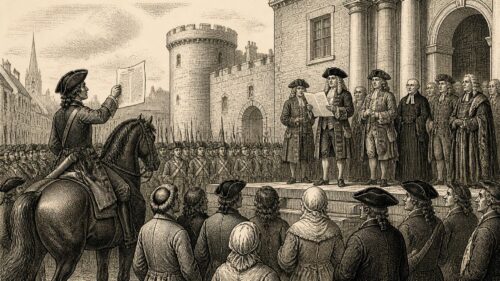
Hanoverian Succession
Archived: 31 October 2026
In 1714, Ireland experienced the formal succession from Queen Anne to George I, while Protestant rule remained insecure and unequal. A prorogued, restricted parliament left Dublin Castle dependent on proclamations, magistrates, clergy and military networks. Before and after Anne’s death, officials targeted robbery, Catholic arms and clergy, Jacobite recruitment, non-jurors, seditious print and rural violence, revealing fears rather than evidence of rebellion. George was proclaimed across Ireland on 6 August, followed immediately by Catholic disarmament and liturgical changes. Notices also regulated peace, foreign coin and public worship. The year’s records show Hanoverian authority consolidated through ritual, surveillance and penal control.
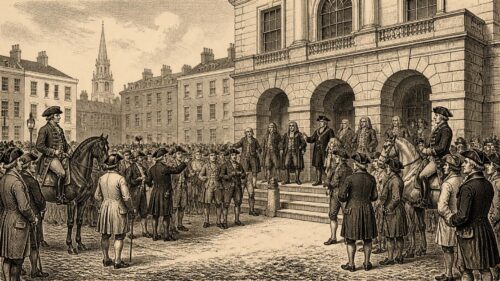
Tholsel Election
Archived: 31 October 2026
In 1713, Ireland marked the Peace of Utrecht with proclamations and thanksgiving, while remaining politically unstable. Queen Anne’s administration dissolved parliament, held elections and faced violent disorder during Dublin’s disputed Tholsel contest between Whigs and Tories. The new parliament, constrained by Poynings’ Law, passed only temporary supply legislation before prorogation. Authorities continued to fear Jacobite recruitment despite France’s withdrawal of support for the Pretender. Rural tensions appeared in Connacht through cattle houghing linked to land-use conflicts. The Church of Ireland reinforced political authority, Jonathan Swift became dean of St Patrick’s, and government addressed quarantine, mail security and post-war military retrenchment.
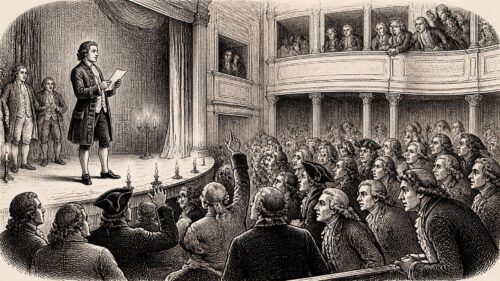
Whig Prologue
Archived: 13 October 2026
In 1712, Ireland remained tense following Williamite wars, with Tory administrators under Sir Constantine Phipps accused by Whigs of favouring Jacobitism and interests. Dublin’s conflict erupted when Dudley Moore delivered a banned Whig prologue on William III’s anniversary, provoking proceedings. Religious policy combined missionary outreach and exclusion: John Richardson published an Irish-English prayer book while penal laws constrained Catholics; Quaker pioneer William Edmundson died. Banbridge gained a bridge across the Bann, aiding communications. Livelihoods depended on agriculture and expanding linen exports, shaped by imperial restrictions, war and landholding. These events reveal authority contested through politics, religion, print, commerce and infrastructure.
Islandmagee Witchcraft
Archived: 13 October 2026
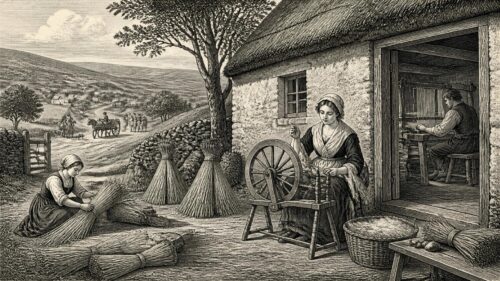
In 1711, Ireland experienced political division, legal persecution, economic initiative and insecurity. Under Queen Anne’s Tory administration, Lord Lieutenant Ormond and Lord Chancellor Phipps reshaped offices, while Dublin’s disputed mayoral succession exposed conflict between Castle authority and civic self-government. At Carrickfergus, eight Islandmagee women, and later William Sellor, were convicted of witchcraft, Ireland’s last known proceedings under the statute. Parliament appointed trustees for linen and hemp manufacture, formalising state support for an expanding export industry. Wartime proclamations addressed naval recruitment, privateers and quarantine. Late-year orders against cattle houghing, alongside Catholic disarmament, reflected rural conflict, property fears and confessional security policies.
Road Labour
Archived: 13 October 2026
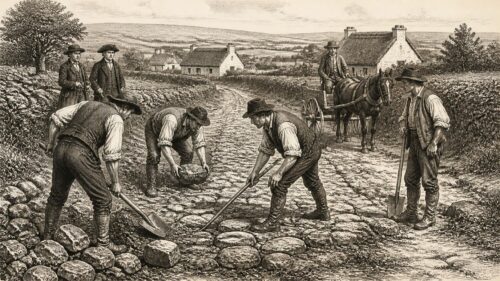
In 1710, Ireland’s Protestant parliament, operating under Queen Anne amid changing Whig and Tory influence, passed measures affecting revenue, property, trade and local administration. Its roads act required rural householders and tenants to provide up to six days’ unpaid labour, reflecting reliance on communal maintenance rather than modern infrastructure. Legislators promoted linen, regulated cattle, rents and timber, and imposed duties on consumer goods. Dublin Castle also suppressed Catholic assemblies in Meath, punished damage to William III’s statue, pursued tobacco thieves, and managed Palatine refugee settlement. Quarantine regulations for Baltic shipping showed Ireland’s exposure to continental war, migration, commerce and disease.

Palatine Refugees
Archived: 13 October 2026
In 1709, wartime pressures, food regulation and fears of Jacobite loyalty shaped Irish government. Proclamations restricted grain exports, addressed market manipulation and crime, and linked public worship to British military fortunes, without proving a nationwide famine. Parliament reinforced the penal system through an abjuration oath, tighter controls on Catholic clergy, education, property and employment. Dublin received about 3,000 Protestant Palatine refugees, whose protection and settlement posed practical challenges. Samuel Molyneux’s Connacht journey recorded poor roads, domestic textiles, poverty, improvement and cultural division. By December, Hougher violence against cattle reflected resistance to pasture expansion and smallholders’ displacement, revealing sharper social contestation.
Property Registry
Archived: 13 October 2026
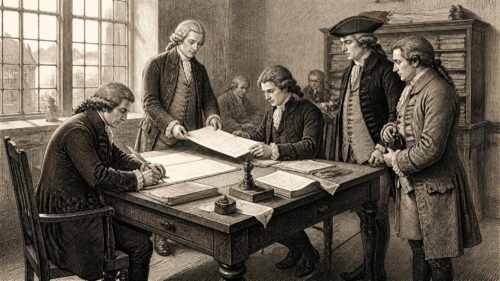
In 1708, Ireland’s new Registry of Deeds entered its first memorial, strengthening recorded property claims while serving a Protestant order shaped by confiscation and penal laws. During the French-backed Jacobite invasion scare, Dublin Castle issued anti-Catholic proclamations and detained clergy and gentlemen, though no rebellion followed. Parliament was prorogued under Lord Lieutenant Pembroke, while Thomas Wharton’s appointment foreshadowed change. Belfast Castle burned, killing three Donegall daughters and servants. Samuel Molyneux’s northern tour recorded contrasting landscapes, rebuilding, Belfast’s growth and Ulster’s developing linen trade. Thomas Milles became bishop of Waterford and Lismore in 1708, illustrating the Church of Ireland’s institutional authority.
Registry Deeds
Archived: 31 October 2026
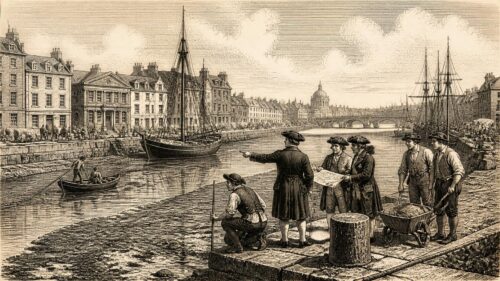
In 1707, Ireland’s brief Dublin parliamentary session exposed post-Williamite government: Protestant elites contested office and revenue, while efforts to admit Protestant Dissenters failed. Legislation created the framework for the Registry of Deeds, protecting property transactions while reinforcing Protestant possession. Margaret McNamara’s abduction prompted safeguards for heiresses and further controls on Catholic marriage. Penal measures restricted Catholic legal participation, religious observance and civic status, while anti-rapparee laws linked crime, vagrancy and suspected disloyalty. Dublin gained a Ballast Office, statutory security for Marsh’s Library, and St Anne’s parish. Measures promoted agriculture and manufacture. Britain’s Anglo-Scottish union excluded Ireland, leaving its parliament separate.
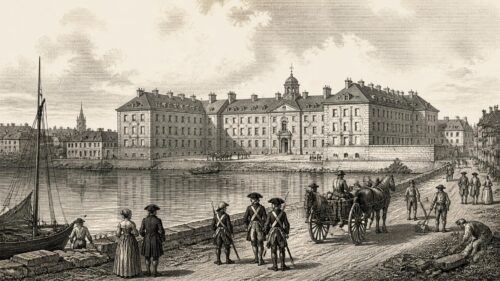
Royal Barracks
Archived: 31 October 2026
In 1706, Ireland was governed largely through Dublin Castle proclamations while parliament remained prorogued under Queen Anne and Lord Lieutenant Ormond. The War of the Spanish Succession prompted naval recruitment, thanksgiving services and completion of Dublin’s Royal Barracks, strengthening military administration. Measures against robbery and outlaws asserted state authority, while restrictions on Protestant conversion reinforced the penal regime and Protestant ascendancy. Economic orders regulated wine prices and butter packing, reflecting the importance of export trade. Constitutional debate persisted through Molyneux’s work. Meanwhile, O’Heyne documented Catholic continuity from Louvain, and Francis Makemie’s Philadelphia presbytery demonstrated Irish Presbyterian links across the Atlantic.
Some records do not yet have a verified historical year and are awaiting chronological placement.