
Year by Year
Explore Year by Year articles from the most modern historical year back to the oldest.
3,294 Articles Archived
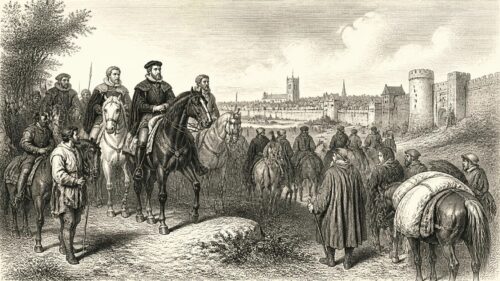
Perrot’s Parliament
Archived: 17 October 2026
In 1585 Sir John Perrot sought to extend Tudor government through parliament, negotiated revenues and regional settlements. Dublin’s parliament drew Gaelic, Old English and crown interests together, recognising Hugh O’Neill as earl of Tyrone, yet resistance to cess and limited attendance exposed fragile consent. The Composition of Connacht and Thomond converted traditional exactions into recorded cash payments, though coercion, abuses and refusals persisted. In Ulster, Perrot temporarily accommodated rival O’Neill claims while creating new counties, but MacDonnell power remained resilient. Religious repression, local violence, damaged crops and noble succession further revealed a kingdom governed through negotiation, insecurity and competing loyalties.
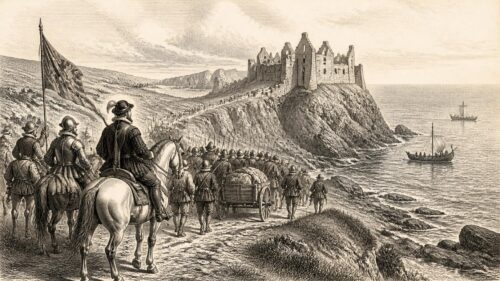
Dunluce Campaign
Archived: 17 October 2026
In 1584 Sir John Perrot became lord deputy, pursuing Elizabethan efforts to convert military victory into durable government. He appointed Richard Bingham in Connacht and John Norris in Munster, where the Peyton Survey prepared forfeited Desmond lands for plantation amid famine and displacement. Negotiations revived towards the Composition of Connacht, while O’Reilly territory was organised as County Cavan. Perrot captured Dunluce but failed to subdue Sorley Boy MacDonnell or secure Ulster. Dermot O’Hurley’s execution highlighted confessional repression. Galway extended harbour defences, and Stanihurst published Latin history. Crown authority expanded through surveys, counties and garrisons, yet remained contested, costly and insecure.
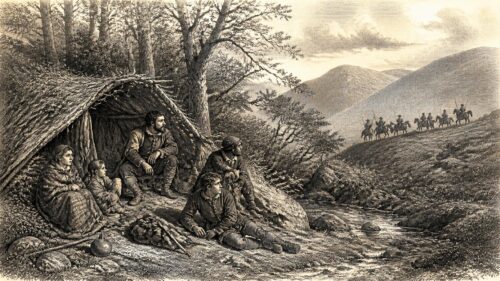
Desmond’s Death
Archived: 17 October 2026
In 1583, the Second Desmond Rebellion ended as Gerald FitzGerald, earl of Desmond, was hunted through Kerry after royal forces, allied lords and negotiated surrenders destroyed his support. Following the death of his captain Godfrey MacSweeney, Desmond was captured and beheaded at Glenageenty on 11 November. War had devastated Munster’s food supplies, settlements, trade and population, leaving famine, displacement and disputed land rights. His death enabled future confiscation and plantation, though surveys and large-scale settlement followed later. Catholic clergy faced repression: Dermot O’Hurley arrived, sought toleration and was imprisoned, while Maurice MacKenraghty was captured. Refugees at Swords developed leather manufacture.
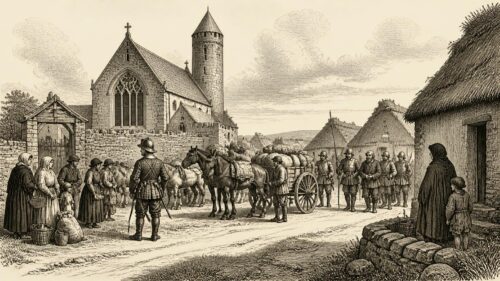
Ardfert Hostages
Archived: 17 October 2026
In 1582, the Second Desmond Rebellion persisted as a destructive Munster war despite John of Desmond’s death near Castlelyons. Raiding, military reprisals and disrupted cultivation produced famine and disease; contemporary reports described catastrophic mortality, affecting loyalists and rebels alike. At Ardfert, Captain Zouch’s garrison burdened local communities and took hostages; after a raid killed Captain Houghton, annals allege children hostages were hanged. Desmond remained militarily active, while reduced crown forces combined pardons with coercion. Political change followed Arthur Grey’s departure, Ormond’s enhanced Munster authority, and wider instability in Wicklow, Connacht and Ulster. Gaelic learned traditions nevertheless endured amid ongoing conflict.

Ballinacor Pardon
Archived: 17 October 2026
In 1581, Arthur Grey’s Tudor administration tightened control in Ireland through raids, garrisons, submissions, forfeiture and negotiation, but failed to secure peace. Stanley and Russell burned Fiach MacHugh O’Byrne’s Ballinacor stronghold; Fiach later submitted conditionally, while the excluded Baltinglass continued raids before fleeing abroad. Confiscated estates rewarded Crown servants, whereas cess burdened loyal communities. Munster’s Desmond rebellion endured amid scorched-earth warfare, famine, displacement and Nicholas Sander’s death. Grey negotiated rather than fought Turlough Luineach O’Neill in Ulster, while Malby pressed Connacht. Catholic links persisted through Dermot O’Hurley’s appointment; Derricke’s publication promoted conquest. War extended Tudor authority while creating enduring grievances.
Smerwick Massacre
Archived: 17 October 2026
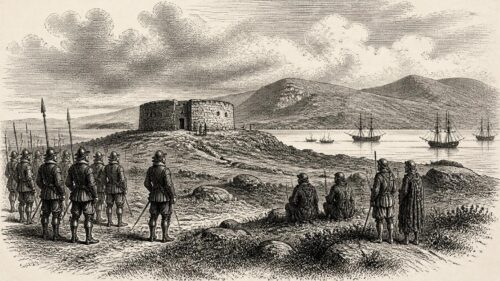
In 1580, the Second Desmond Rebellion widened into a multi-regional and international crisis. Pelham and Ormond's destructive Munster campaigns captured Carrigafoyle, using artillery, naval power and scorched-earth tactics that disrupted food supplies and rural life. In Leinster, Baltinglass joined Fiach MacHugh O'Byrne's revolt, and Grey's army suffered defeat at Glenmalure. A papal-backed Spanish and Italian force landed at Smerwick but surrendered after siege; 500–600 defenders were massacred. Arrests, executions and raids deepened fear. Although Crown forces demonstrated formidable reach, Desmond and Leinster rebels remained active, while warfare inflicted growing social devastation. The year left Ireland unpacified, divided and increasingly impoverished.

Smerwick Landing
Archived: 17 October 2026
In 1579, a small landing at Smerwick transformed Munster’s unrest into an international Catholic challenge to Elizabeth I’s government. James fitz Maurice FitzGerald returned from continental exile with Spanish and Italian soldiers, papal support and hopes of assistance. Their limited force mattered chiefly for the alliances and expectations it represented. Local grievances could now connect with European religious conflict. Gerald FitzGerald, earl of Desmond, hesitated before entering open rebellion, widening the crisis. The year marked the beginning of the Second Desmond Rebellion, linking regional lordship, exile politics and overseas intervention in a struggle with increasingly destructive consequences for Munster’s communities.
O’More’s Death
Archived: 17 October 2026
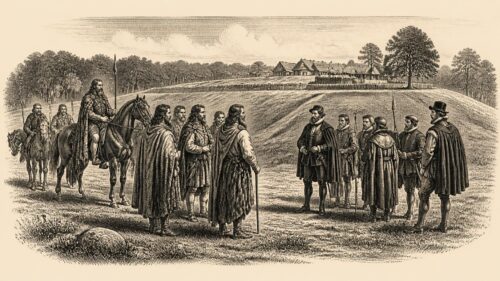
In 1578 Tudor efforts to impose plantation, taxation, courts and provincial authority provoked continuing conflict across Ireland. At Mullaghmast, Francis Cosby allegedly murdered about seventy unarmed O’Mores, deepening resistance to the Laois plantation. Rory Óg O’More raided neighbouring districts before crown-aligned forces killed him in summer; his displayed head symbolised coercion, not pacification. Fiach MacHugh O’Byrne made precarious submissions while surviving attempted ambushes. Lord Justice William Drury combined bargains, judicial tours and religious pressure, securing temporary agreements with Desmond and other lords. Conflict also touched Connacht, while learned Gaelic households endured and Smerwick Harbour received a wrecked Frobisher expedition vessel.
Naas Burning
Archived: 17 October 2026
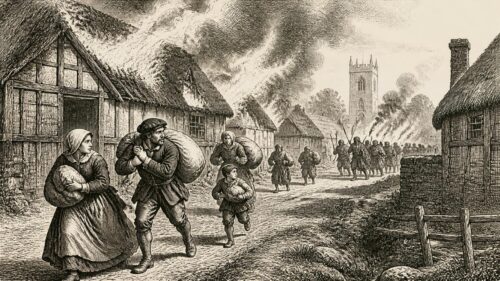
In 1577, Tudor authority in Ireland expanded through garrisons, agreements and coercion, yet faced resistance and disputes over the burdensome cess imposed on the Pale. In Leinster, Rory Óg O’More opposed plantation in Laois after Crown forces received authority to wage destructive war. His followers burned Naas in May and later captured Crown officers, while reprisals intensified. A recorded killing at Mullaghmast exposed mistrust, although claims of a larger massacre remain chronologically uncertain. Elsewhere, officials strengthened control in Thomond and negotiated revenue with Brian O’Rourke. Catholic resistance, overseas plans, religious division and comet marked continuing Leinster conflict at year's end.
Athenry Defences
Archived: 17 October 2026
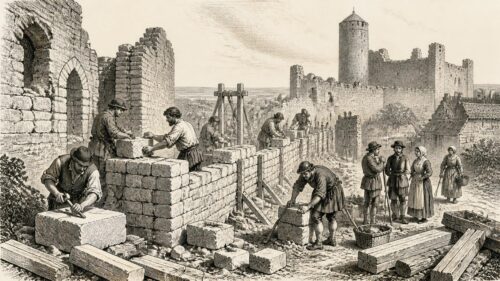
In 1576 Sir Henry Sidney extended Tudor authority through provincial journeys, submissions, hostages, county organisation and garrisons, but encountered persistent resistance. At Athenry, devastated during Burke conflict, he ordered a smaller defensible enclosure, yet reconciliation collapsed when Clanricarde’s sons defied restrictions, leaving rebuilding incomplete. Connacht’s new counties and Nicholas Malby’s command joined administration to coercive warfare. William Drury’s Munster presidency introduced courts, martial law and proposed composition, threatening lordly power. Rory Óg O’More’s resistance exposed instability in the midlands. Succession disputes, learned men’s deaths, fires and Essex’s death further marked a year in which expanding government failed to secure consent.
Some records do not yet have a verified historical year and are awaiting chronological placement.