
Year by Year
Explore Year by Year articles from the most modern historical year back to the oldest.
3,295 Articles Archived
Carbury Betrayal
Archived: 24 October 2026
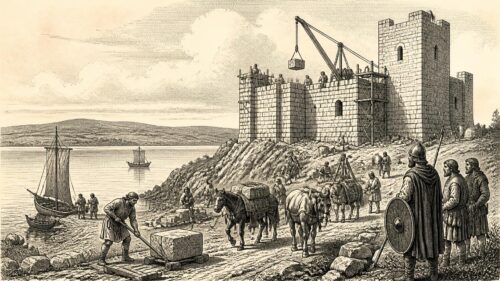
In 1305, Ireland experienced interconnected local conflicts amid divided Gaelic and Anglo-Irish lordships. Piers de Bermingham treacherously killed Muirchertach Ó Conchobair Fhailghe, his brother and leading followers at Carbury Castle, exposing fragility of frontier agreements. Áed Ó Conchobair’s forces defeated Muintir Raighilligh, causing heavy losses, while warfare and killings disturbed Leinster, Desmond and Breifne. Annals also noted early-summer hardship, without specifying its cause. Richard de Burgh built Northburgh Castle on Lough Foyle, strengthening Ulster influence. Meanwhile, royal administration continued through payments, legal inquiries and ecclesiastical property regulation, illustrating Ireland’s patchwork of competing powers across towns, lordships, churches, and royal jurisdictions.

Dublin Fire
Archived: 24 October 2026
In 1304, Dublin suffered an accidental fire that destroyed St Mary’s Abbey, the Dominican house and much of the city, disrupting religious, commercial and administrative life. Chancery rolls covering 1291–1300 were lost, deepening later gaps in Ireland’s records. Justiciar John Wogan struggled to secure Athlone while Irish resources supported Edward I’s Scottish war. Richard de Burgh served in Scotland, but his wife and heir Walter died, altering succession. In Bréifne, Matha Ó Raighilligh was killed with his gallóglaigh, exposing volatile regional lordship. These events reveal interconnected vulnerabilities across medieval Ireland, though evidence offers little detail about ordinary people’s lives directly.

Scottish Muster
Archived: 24 October 2026
In 1303, Ireland contributed significantly to Edward I's Scottish campaign under Richard de Burgh, earl of Ulster, who led an estimated 3,000 Gaelic and Anglo-Irish troops. Their service demonstrated cross-channel aristocratic connections and required continued Irish administration, including replacement of absent officials and financial management. In Tír Conaill, Áed Ó Domnaill killed his brother Toirrdelbach after prolonged conflict, becoming lord amid widespread devastation. Church leadership also changed: Archbishop Nicholas Mac Maoil Íosa of Armagh and Bishop Máel Sechlainn Mac Briain of Elphin died, prompting succession processes. Despite uncertain annalistic dating, records portray Ireland as politically divided yet engaged with Britain.
Cattle Mortality
Archived: 24 October 2026
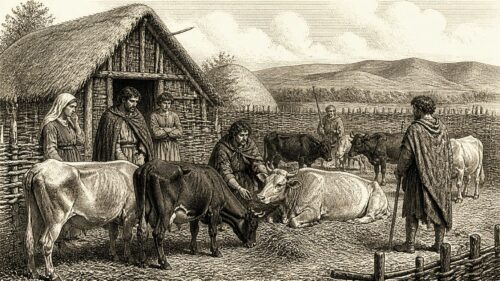
In 1302, Ireland experienced political change, conflict and widespread cattle mortality. Domnall Ruad Mac Carthaig, king of Desmond, died in February after a long reign and was succeeded by his son, Domnall Óc. His Franciscan burial at Cork reflected both dynastic status and penitential religious culture. Donn Carrach Mag Uidir of Fermanagh, several prospective heirs, and leading churchmen also died, creating important vacancies. Raids in Mag Céidne demonstrated continuing competition among Connacht elites. Annals described severe disease among cattle throughout Ireland, threatening rural wealth, food supplies, tribute and lordly power. Chronological differences between sources require caution over some associated events.
Scottish Campaign
Archived: 24 October 2026
In 1301, Irish annals recorded local conflict, religious deaths and Ireland’s involvement in Edward I’s Scottish campaign. Áed Ó Conchobair and Clann Muirchertaigh raided Mag Cétne, while killings among Muintir Chionaoith and Uí Máel Sechlainn exposed dynastic rivalries. The deaths of Gilla Íosa Mac Fir Bisig, an eminent ollam, Abbess Finnguala of Kilcreevanty, priest Matha Mac Raith and steward Cathal Ó Máel Dúin illuminate Gaelic learning, ecclesiastical leadership and royal administration. Anglo-Irish magnates and forces served in Scotland from late July to November, although the earl of Ulster stayed behind. These fragmentary records reveal interconnected Gaelic and English political worlds.

Ballymote Castle
Archived: 24 October 2026
In 1300, construction began at Ballymote Castle in County Sligo, probably under Richard de Burgh, the Red Earl of Ulster and lord of Connacht. The fortress signalled and supported de Burgh influence in contested Corran, though Gaelic and settler powers remained varied and interconnected. Annalistic notices associate deaths in the earl’s household with this period, highlighting succession’s importance, but dating is uncertain. Meanwhile, justiciar John Wogan ordered provisions from Irish ports for Edward I’s Scottish war. Castle-building, royal requisitioning, trade, labour, religious institutions, and local violence reveal Ireland as a politically fragmented yet increasingly interconnected island within wider overseas affairs.

Butler Succession
Archived: 24 October 2026
In 1299, Ireland saw dispersed developments rather than a single national event. Theobald Butler died childless at Turvey, passing his office and lands to Edmund. John Wogan’s government relied on Richard de Burgh as deputy justiciar during his Scottish absence, following settlement of magnate conflict. Edward I protected the Curragh’s pasture by banning swine. In Annaly, Sefraid Ó Fearghail killed Meath knight Seoán de la Mare during a livestock pursuit, illustrating frontier tensions. Irish annals also noted Scottish conflict and Bishop Muiris Ó hÓcáin’s death. Misdated annalistic entries concerning Armagh and Tír Chonaill properly belong to 1303, not 1299 itself.
FitzGerald Inheritance
Archived: 24 October 2026
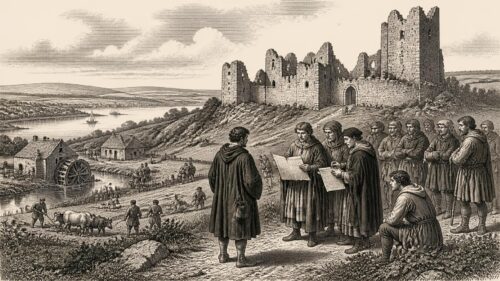
In 1298, Irish records reveal fragmented yet connected authority. Brian Bregach Mag Samradain, chief of Tullyhaw, was killed at Coologe, illustrating violent dynastic politics in Breifne. Thomas fitz Maurice FitzGerald, the Crooked Heir, died, prompting valuations of his extensive but unevenly productive estates, including decayed Dungarvan Castle and its active market economy. Dublin government supplied Edward I’s Scottish war while maintaining administration through officials and inquiries. Deaths and appointments among bishops and abbots underline ecclesiastical influence. Conflicting reports of Domnall Ruad Mac Carthaig’s death demonstrate the need to compare annals. The year exposes power’s local, negotiated and fragile political character.

Wogan Parliament
Archived: 24 October 2026
In 1297, John Wogan’s Dublin parliament introduced elected knightly representatives from counties and liberties of the English lordship, seeking consent for measures on defence, policing, road clearance and collective military contributions. It also advanced royal administration through the creation of counties Kildare and Meath, while preserving powerful private liberties. These reforms responded to persistent insecurity: Slieve Margy forces burned Leighlin, while leading Orior figures were killed near Dundalk. Elsewhere, annals recorded the deaths of Moylurg’s lord, chiefs and bishops, and disputes over Elphin. Edward I’s wars constrained affairs. The year revealed authority as selective, contested and dependent on local institutions.
Boyle Restoration
Archived: 24 October 2026
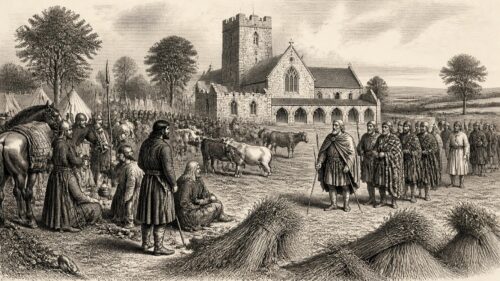
In 1296, Connacht suffered a violent Ó Conchobair succession struggle. Áed son of Eógan was deposed for Conchobar Ruad, whose supporters seized hostages and ravaged Cairbre, including churches. Backed by Uilliam and Theobald Burke, Áed assembled at Boyle Abbey, plundering grain and livestock, before alliances shifted again. Conchobar was killed at Cend Ceti, restoring Áed; his rival’s son was later blinded. Ecclesiastical deaths and burials stressed Boyle and Ballintober’s importance. Meanwhile, Irish magnates and troops joined Edward I’s Scottish invasion, criticised by annalists for sacrilege. Reports of weather and cattle disease illustrate insecurity surrounding food, livestock, lordship and religious institutions.
Some records do not yet have a verified historical year and are awaiting chronological placement.