
Labourers Organise(c.1880s)
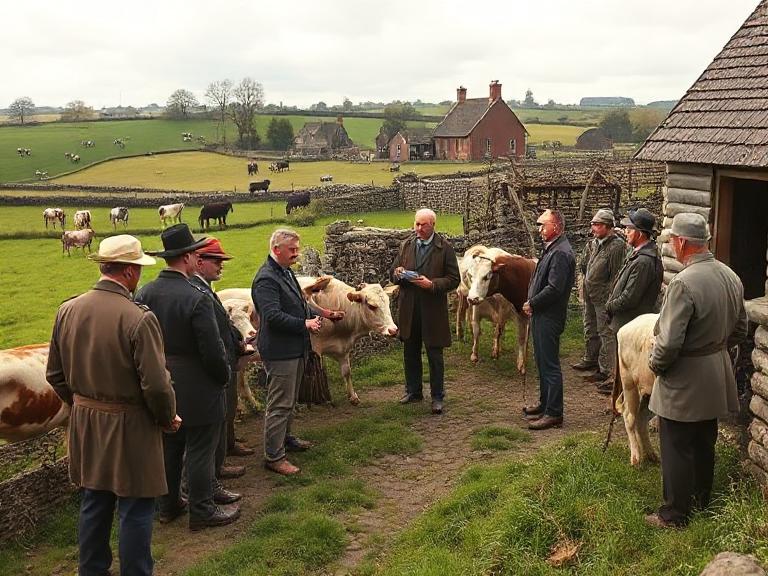
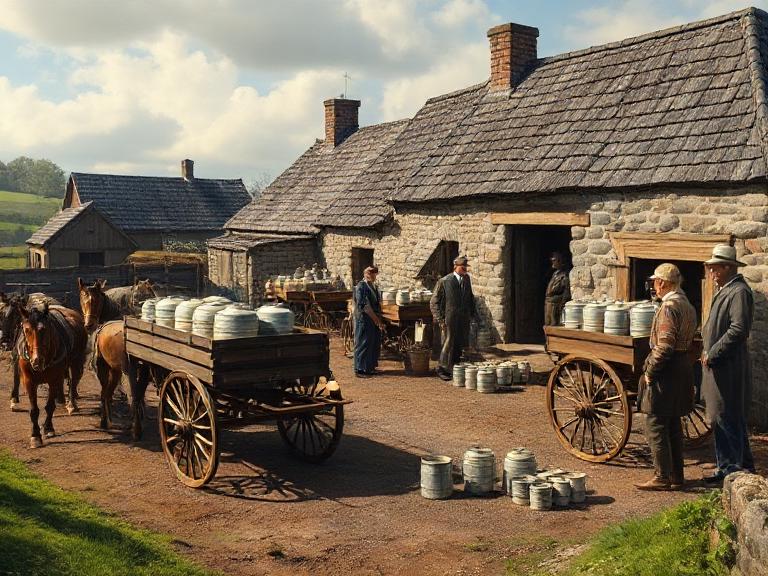
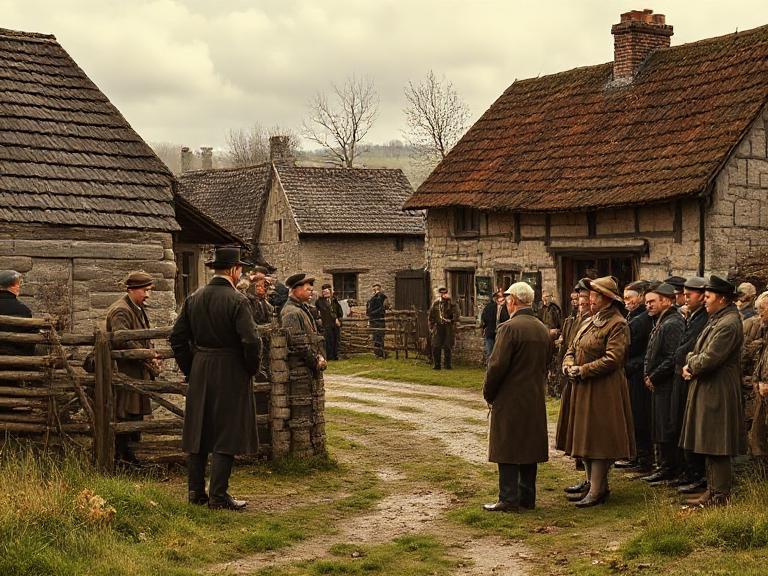
Agricultural labourers throughout County Limerick and the wider Munster countryside continue to campaign for better cottages, fairer wages and access to small plots of land. Their position remains distinct from that of tenant farmers seeking ownership of the farms they occupy. Labourers frequently possess neither secure employment nor property, depending instead upon seasonal hiring, daily wages and accommodation controlled by farmers or landlords. Public meetings increasingly insist that any settlement of the Irish land question must include the men and women whose labour sustains agriculture but who remain among the countryside’s poorest inhabitants.
Housing is one of the campaign’s most urgent concerns. The Labourers Acts introduced since 1883 permit local authorities to build cottages with small allotments, yet provision remains uneven and applications may be delayed by disputes over sites, costs and local opposition. Many families continue living in damp, overcrowded or poorly maintained dwellings attached to employment. Losing work may therefore mean losing a home as well as wages. Reformers demand cottages offered at affordable rents, with enough ground for potatoes, vegetables and perhaps a pig or poultry, giving labouring households a modest measure of independence.
Wages remain uncertain and vary according to district, season, skill and the demand for workers. Employment may be plentiful during planting and harvest but scarce during winter, forcing households to depend upon credit, temporary road work or migration. Labourers argue that wages have not kept pace with the cost of food, clothing, fuel and rent. Their bargaining position is weakened when many men compete for limited work or when an employer controls both employment and accommodation. Organisation through land-and-labour associations and public demonstrations offers workers a collective means of pressing their grievances before elected councils and parliamentary representatives.
The establishment of county and rural district councils under the Local Government Act of 1898 has created new opportunities for agitation. Labourers can now direct petitions and electoral pressure towards representatives responsible for cottage schemes, roads and other local works. In County Limerick, the question is becoming a test of whether the new councils will serve landless workers as readily as farmers, merchants and property owners. Labour representatives insist that suitable cottage sites should not be rejected merely because neighbouring landowners object, while councillors must balance urgent need against borrowing costs and administrative delay.
Access to land remains inseparable from housing and wages. Even a small allotment can provide food, reduce dependence upon shop credit and allow a family to survive periods of unemployment. Campaigners therefore seek not great farms but secure cottages, gardens and sufficient ground to supplement earned income. Their demands reveal an unresolved division within rural reform: tenant purchase may transform farmers into owners while leaving labourers without property or security. Unless their claims receive equal attention, those who cultivate Ireland’s fields may remain excluded from the benefits promised by land reform and representative local government.
Primary Sources
- Labourers (Ireland) Act, 1883, 46 & 47 Vict., c. 60. This legislation empowered sanitary authorities to develop schemes providing cottages and allotments for agricultural labourers.
- Labourers (Ireland) Act, 1885, 48 & 49 Vict., c. 77. This measure amended the earlier legislation governing rural labourers’ housing and land provision.
- Local Government (Ireland) Act, 1898, 61 & 62 Vict., c. 37. The Act established elected county and rural district councils with important responsibilities for local administration and labourers’ cottage schemes.
- Census of Ireland, 1901, County of Limerick tables concerning housing, occupations, agricultural labour and rural population. Exact volume, table and page should be confirmed before formal citation.
- Limerick Chronicle, 1900, reports concerning labourers’ cottages, agricultural wages, rural district councils and land-and-labour meetings in County Limerick. Exact issue, page and column should be confirmed before formal citation.