Gerard J. Hannan
Curator
Gerard J. Hannan is a Limerick historian, author, journalist and broadcaster whose work is devoted to preserving and sharing the history of Limerick city and county. His writing is grounded in a lifelong engagement with local people, streets, communities and memory. He is particularly interested in the ways large political, economic and social changes shape ordinary lives. Rather than treating history as something distant, he brings it back to homes, workplaces, schools, churches and neighbourhoods. His aim is to recover experiences that might otherwise be overlooked and to make Limerick’s past meaningful for readers across Ireland and the wider world.
He holds a BA in History and Media from Mary Immaculate College, where he developed a strong foundation in historical study, journalism and communication. His academic work reflects an interest in the relationship between evidence, storytelling and public understanding. History, for Gerard, is not simply a record of dates and institutions. It is also a way of examining how people understood their own circumstances and responded to change. His training in media strengthened his ability to present complex subjects clearly, while remaining attentive to accuracy, context and the human consequences behind historical events for communities across Limerick and far beyond.
Gerard also holds an MBS in International Entrepreneurship Management from the University of Limerick. This qualification broadened his understanding of leadership, enterprise, innovation and the practical demands of building independent projects. Those skills later became important in developing Limerick Archives and managing long-term publishing work. His business education complements his historical interests by helping him consider how cultural projects can be organised, sustained and made accessible to wider audiences. It also reflects his belief that scholarship should not remain confined to institutions, but can be shaped into living resources that serve communities, readers, researchers and future generations in meaningful ways.
His MA in TESOL deepened his interest in education, language and the communication of knowledge across different audiences. Gerard’s academic background brings together history, media, enterprise and teaching, giving his work an unusually broad foundation. He is attentive not only to what happened, but also to how stories are told, remembered and understood. This combination supports an accessible narrative style that avoids unnecessary academic distance while respecting evidence and complexity. His writing is intended for general readers, students, families, local historians and anyone seeking a clearer understanding of Limerick’s place within the wider history of Ireland and the world today.
Gerard spent more than twenty years working in journalism and broadcasting in Limerick. During that career, he reported on local issues, interviewed people from many backgrounds and developed a close knowledge of the city’s public life. Journalism taught him to listen carefully, identify overlooked details and recognise the historical significance of everyday experience. Broadcasting strengthened his sense of voice, timing and audience, while also revealing how strongly people connect with stories rooted in familiar places. These years gave him direct contact with communities whose memories, struggles and humour continue to shape his work as historian and author in later years.
His experience in local media also encouraged a lasting interest in the stories that disappear when they are not recorded. Streets change, buildings vanish, industries close and generations pass, often taking irreplaceable memories with them. Gerard’s historical work responds to that loss by recovering photographs, reports, personal recollections and documentary material. He pays particular attention to people who seldom appear at the centre of official narratives, including labourers, mothers, emigrants, children, tenants, small farmers and neighbourhood figures. Their experiences reveal how history was actually lived, beyond speeches, legislation and institutions, within the ordinary routines of family and community life today.
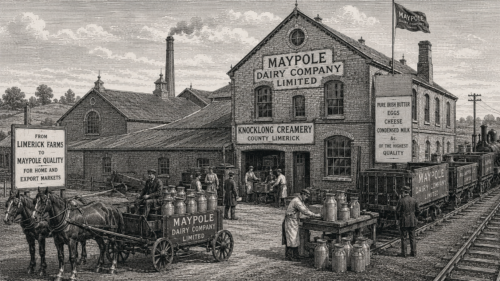
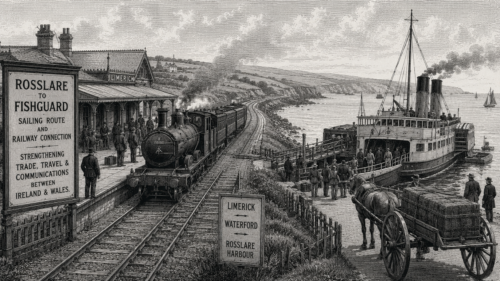
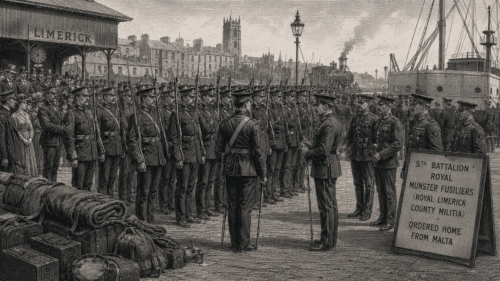
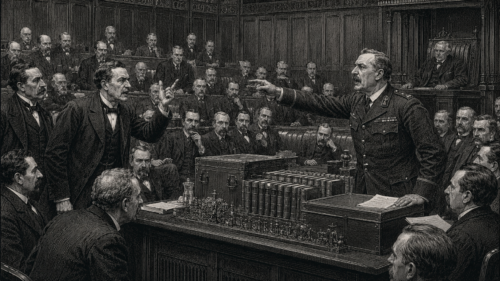
Gerard is the founder of Limerick Archives, an independent historical project dedicated to documenting Limerick and Irish life between 1900 and 2000. The project brings together researched stories, photographs, documentary sources and newspaper-style historical reports covering an entire century of change. Its purpose is to preserve material, encourage public interest and make local history freely accessible. Limerick Archives reflects Gerard’s conviction that the past belongs to everyone, not only specialists or institutions. By gathering scattered evidence into an organised public resource, the project protects local memory while creating opportunities for education, research, family discovery and cultural engagement across the world.
The scope of Limerick Archives includes politics, poverty, housing, education, religion, industry, labour, sport, culture, crime, transport and everyday family life. These subjects are presented not as isolated categories, but as connected parts of a changing society. A housing crisis affects health, employment shapes emigration, education influences opportunity and political decisions enter private homes. Gerard’s approach places local events within their broader Irish and international context without losing sight of individual experience. Through detailed research and accessible writing, the archive shows how a city and county were transformed across generations while preserving the voices, images and concerns of ordinary people.
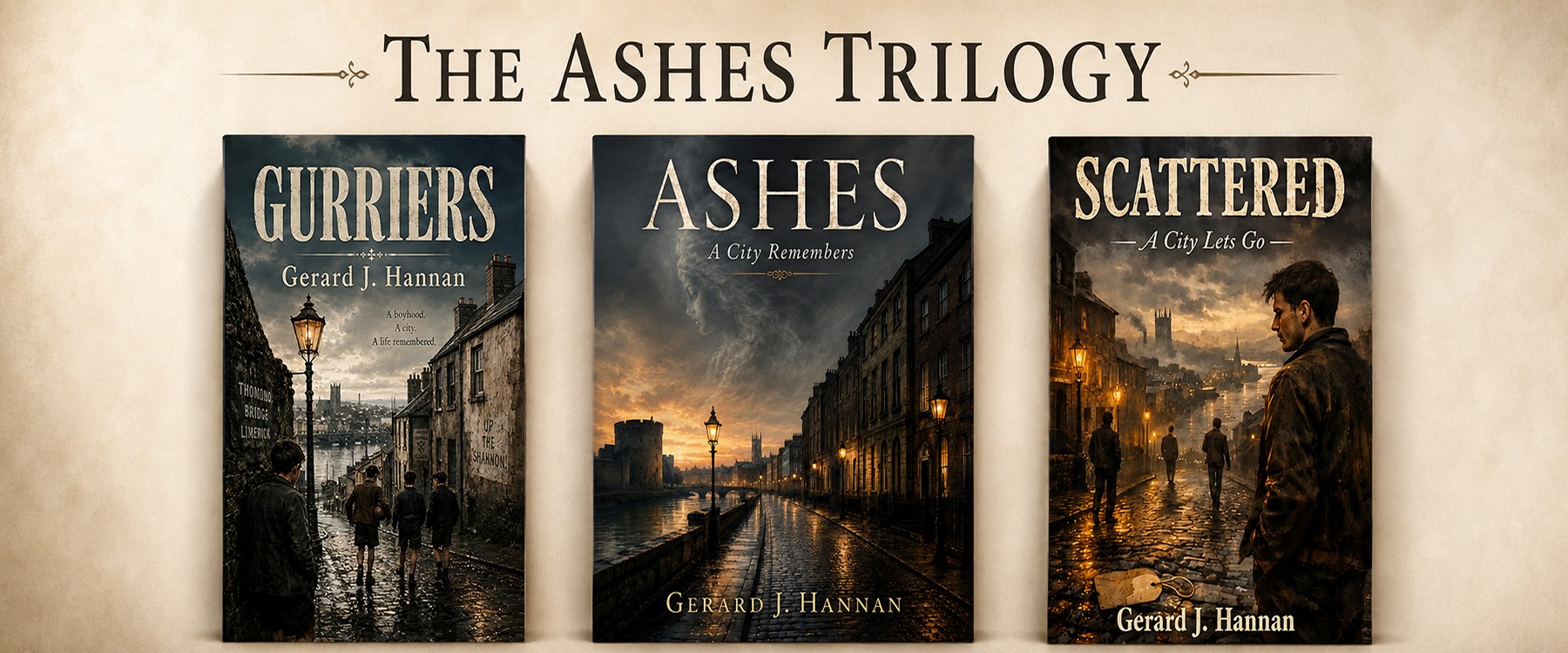
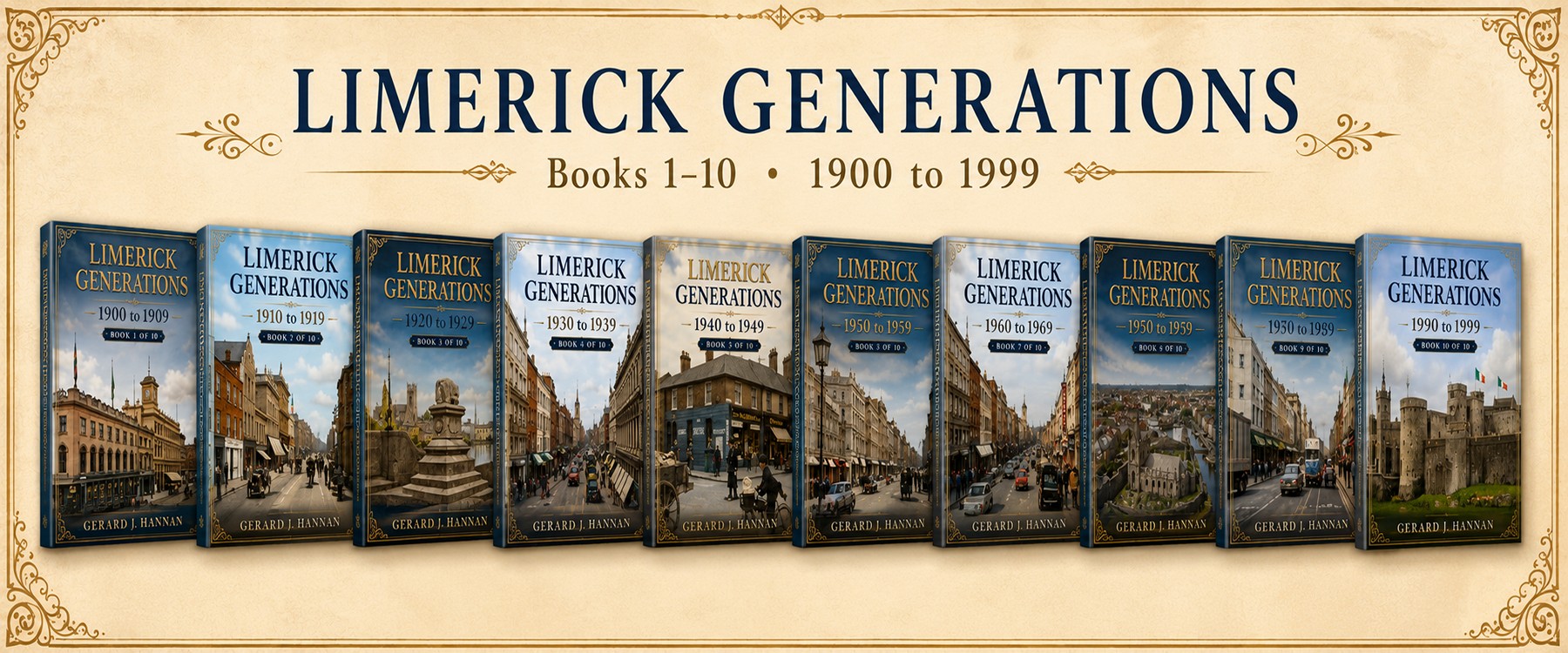
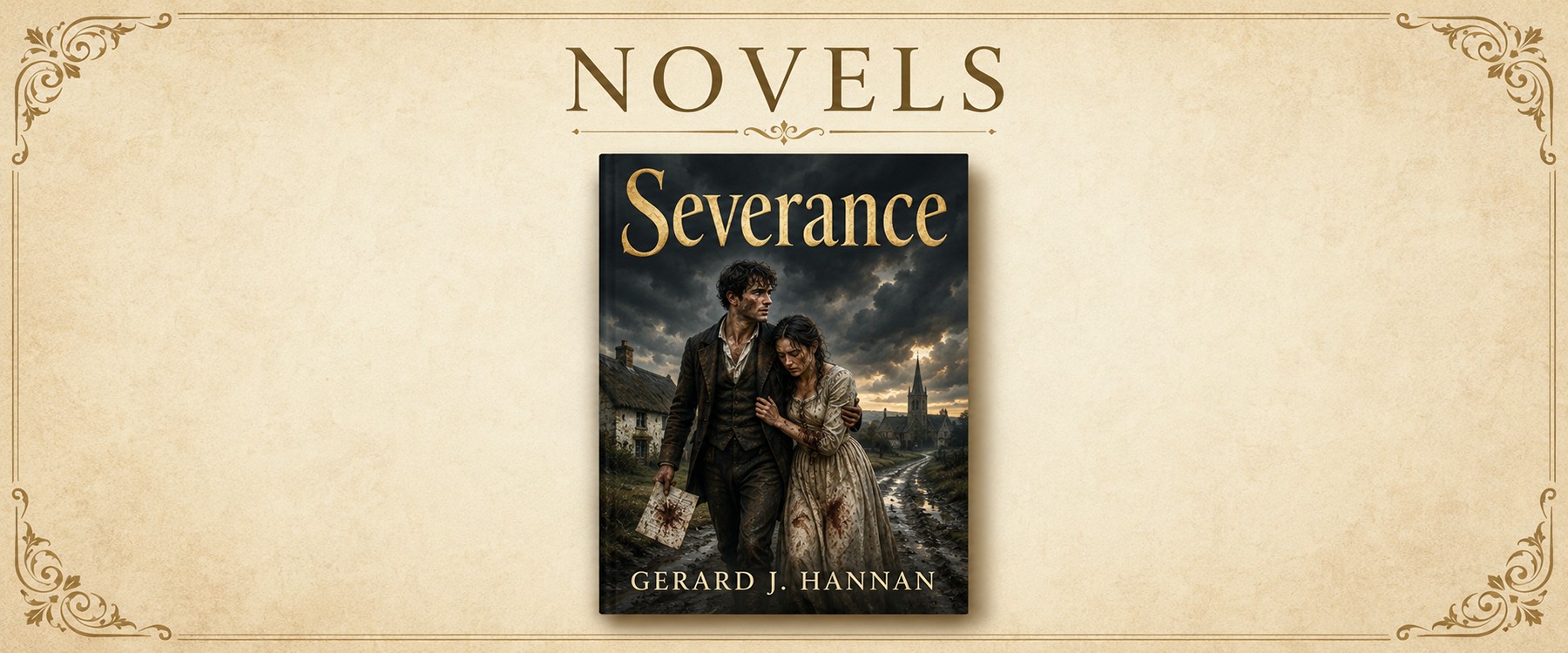
Gerard is the author of several books, including Ashes, Gurriers, Scattered, Severance and the Limerick Generations series. His fiction and historical writing share a concern with place, memory, hardship and survival. Limerick is never merely a background in his work. It is a living social world shaped by class, faith, family, work, migration and political change. His characters and historical subjects are placed within recognisable communities where private choices carry wider consequences. By combining research with narrative, Gerard seeks to recover voices and experiences that might otherwise remain hidden, forgotten or reduced to statistics in conventional accounts of modern history.
Through Limerick Archives, journalism, broadcasting and published writing, Gerard aims to make local history accessible, engaging and meaningful. His work invites readers to see Limerick not as a peripheral place, but as a community whose experiences illuminate the wider history of modern Ireland. He believes that preserving the past strengthens understanding between generations and helps communities recognise the value of their own stories. Whether writing about revolution, poverty, emigration, housing, industry or family life, he remains committed to historical accuracy and human dignity. His central purpose is simple: to ensure that Limerick’s people, memories and experiences are remembered and preserved.