Archived: 27 October 2026
Abstract
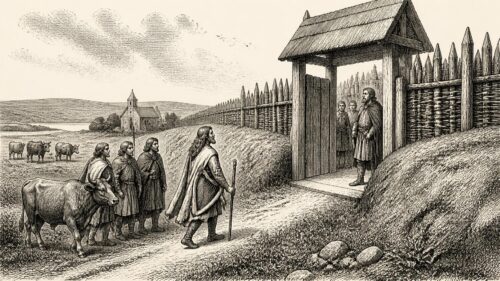
In 932, Irish annals recorded the death of Aengus son of Aengus, probably chief poet of Ireland, indicating the public importance of learned culture and its links with churches and aristocratic patrons. They also note Flann son of Máel Sinna, king of Brega, killed by the Uí Echach, alongside the deaths of Loingsech of Dál Araide and Colla of Norse-Gaelic Limerick. These notices reveal competing regional powers, unstable succession and maritime connections. Differing annalistic chronologies prevent precise dating of related events. Beyond elite records, political changes could directly affect farming, obligations, travel and security, though no nationwide catastrophe is evidenced.
Read Article
Archived: 27 October 2026
Abstract
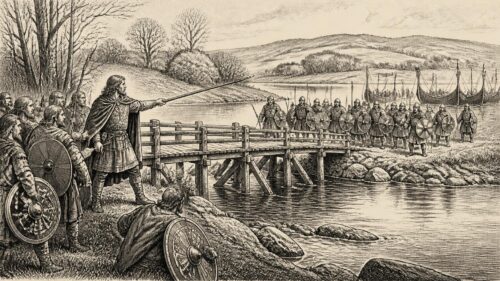
In 926, annalistic sources record Scandinavian raids and Irish responses across a politically fragmented Ireland. Foreigners from Strangford Lough sacked Dún Sobairche, while southern traditions report attacks on Kildare. Muirchertach son of Niall defeated raiders at Snám Aignech and later routed Alpthann son of Gofraid’s fleet-derived force near Dundalk, killing Alpthann and besieging survivors until Dublin’s king Gofraid intervened. These successes enhanced Muirchertach’s northern standing but did not end Scandinavian power or establish national unity. Elsewhere, Fergus of Lurg was killed by Bréifne, Colmán of Clonmacnoise and Clonard died, and Waterford’s fleet moved to Loch Gair in a notable redeployment.
Read Article
Archived: 27 October 2026
Abstract
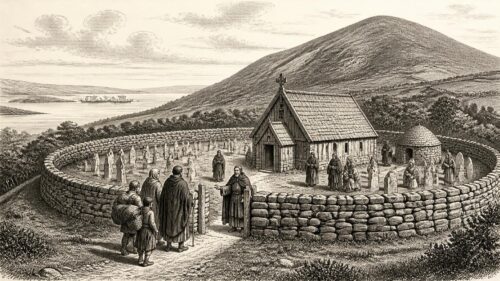
In the annalistic year conventionally associated with 923, Scandinavian raiders from Carlingford Lough plundered Cell Shléibe, modern Killeavy, and killed Duiblitir, a priest of Armagh. Other plundering struck ecclesiastical districts in Louth, while obituaries of clergy and church officers reveal institutions linking learning, estates and regional authority. Political insecurity appeared in the treacherous killings of rulers and designated heirs in Conaille, Connacht and Leinster. The death of Lígach, queen of Brega, highlighted dynastic marriage and memory. Sources offer no full social or economic picture, but depict interconnected churches and kindreds vulnerable to maritime raiding and internal rivalry throughout the island.
Read Article
Archived: 27 October 2026
Abstract
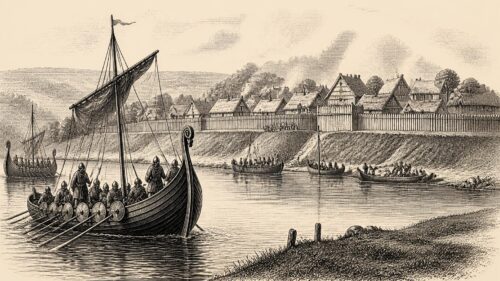
In 917, amid severe frost, animal mortality and portents recorded by annalists, related Scandinavian fleets led by Sitriuc and Ragnall ua Ímair returned to Ireland. Munster forces inflicted notable defeats, while high king Niall Glúndub campaigned in Mag Femen, fighting the invaders on 22 August without destroying them. Niall sought Leinster’s aid, but Sitriuc routed its army at Cenn Fuait, killing King Ugaire, lesser rulers and a leading bishop. The victory shattered Leinster’s leadership; Kildare was subsequently plundered. Sitriuc then forcibly seized Dublin, restoring Uí Ímair power and establishing a durable maritime, military and economic centre on Ireland’s eastern seaboard.
Read Article
Archived: 27 October 2026
Abstract
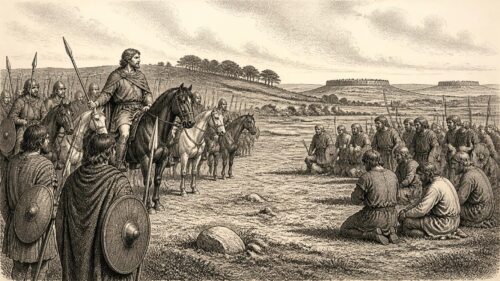
The securely dated core of 910 is not a Viking landing or a famous royal death, but a hard-fought assertion of power in Ireland’s central and western midlands. Flann Sinna, king of Tara and leading ruler of the southern Uí Néill, defeated the men of Bréifne with the help of his sons. The encounter, recorded in the Annals of Ulster and more fully in Chronicon Scotorum, cost the life of Flann son of Tigernán, king of Bréifne, as well as other nobles. It was a severe reverse for a kingdom situated on Mide’s north-western approaches, and a reminder that Flann’s
Read Article
Archived: 28 October 2026
Abstract
In 900, Irish annals recorded environmental strain, political deaths, ecclesiastical life and raiding across a fragmented island. A rainy year and scarcity among cattle, with related references to bread shortage, exposed dependence on pastoral and arable production, though they do not prove famine. Tadc son of Conchobor, overking of the three Connachta, died after penitential renunciation associated with Ciarán’s Dun Cow; Mac Étig of Dál Araidi also died. Scandinavian raiders plundered Kildare, a wealthy sacred centre. Deaths of prominent churchmen and an Alban king further reveal Irish Sea connections, while Clonmacnoise’s prestige linked lordship, learning and religious authority in Ireland.
Read Article
Archived: 28 October 2026
Abstract
In the annalistic year conventionally rendered 896, Ireland experienced interconnected regional crises rather than a single national conflict. Flann son of Lonán, acclaimed as Ireland’s chief poet, was killed by the Uí Fhothaid in the Déisi. Norse leaders Sitriuc and Amlaíb, linked to Ímar’s dynasty, died in separate violence, revealing Scandinavian divisions and resistance by coastal peoples. Máel Achaid, Clonmacnoise’s designated successor, was killed amid retaliation involving Delbna Bethra, while senior clerics died peacefully. Brega, Ulaid, Osraige and Munster saw killings or rivalry; Cenn Gégáin assumed Cashel’s kingship. Sparse annals show cultural, ecclesiastical and political authority intertwined across fragmented lordships.
Read Article
Archived: 28 October 2026
Abstract
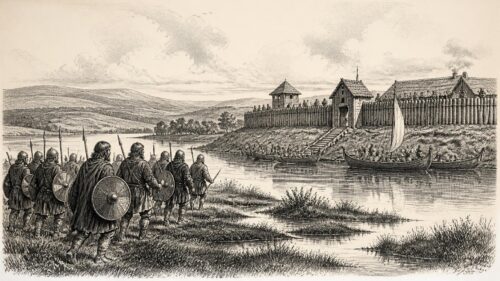
In 887, annalistic records describe a Connacht victory over the foreigners of Limerick, though details and dating remain uncertain. The defeat may have destroyed an early Shannon longphort, disrupting Scandinavian power without ending it. Notices also record the pilgrim Anealoen bringing the Law of Sunday and a divinely authorised leaf, alongside reforms concerning hair and tonsure. Deaths of abbots demonstrate monastic influence, while the obituary of Máel Mura of Othain marks the loss of Ireland’s chief poet-historian. Together these sparse entries reveal a society shaped by warfare, religious reform, learning, and interconnected political, ecclesiastical, and maritime worlds across the island.
Read Article
Archived: 28 October 2026
Abstract
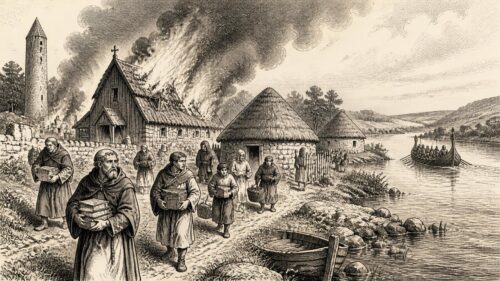
In 883, Les Mór (Lismore), an important Munster monastery on the Blackwater, was burned by an unnamed son of Ímar, illustrating the reach of Scandinavian dynastic violence beyond coastal centres. The annals provide no details of casualties, damage or motive, but the attack threatened a community dependent on religious prestige, land, stores and local support. Elsewhere, Eochucán of Ulaid was killed, Aengus, heir designate of the North, was beheaded, and rulers in Brega and Meath died or were slain. Deaths of bishops at Armagh and Lusca also mattered. These fragmentary records depict contested local kingship, interconnected Irish-Scandinavian politics, and insecurity.
Read Article
Archived: 28 October 2026
Abstract
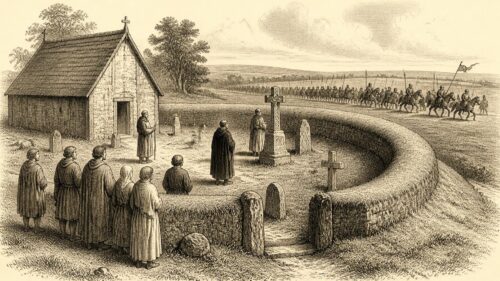
In 874, Féthgna, successor of Patrick and head of religion in Ireland, died after a long leadership of Armagh, highlighting that church’s political and spiritual authority. Áed Findliath, king of Tara, campaigned in Leinster, profaning Cell Ausili, probably Killashee, and burning other churches, demonstrating the vulnerability of sacred sites during royal coercion. Clerical deaths at Roscommon and Tamlacht emphasised the importance of bishops and scribes in administering wealthy, learned ecclesiastical communities. Foreign raiders plundered Cell Mór of Mag Enir. Against a changing Viking background following Ímar’s death, the year revealed Ireland’s interwoven military, religious, economic and intellectual pressures across society.
Read Article
Archived: 28 October 2026
Abstract
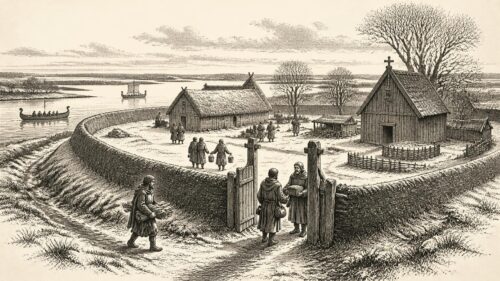
In 872, Irish annals record deaths, ecclesiastical transitions and an inland winter raid rather than major battles or assemblies. Cenn Fáelad, king of Cashel and abbot of Emly, died after illness, uniting royal and religious authority. Ferdomnach of Clonmacnoise, Gnia of Duleek, and several church leaders also died, highlighting monastic networks of learning, patronage and resources. Mugrón of Connacht and Máel Ruanaid of northern Uí Moccu Uais likewise died. Around 1 February, foreign rulers massacred or raided communities from Trí Maige and Trí Comainn to Slieve Bloom, demonstrating inland vulnerability. The year reveals plural, literate institutions exposed to Scandinavian-led violence.
Read Article
Archived: 28 October 2026
Abstract
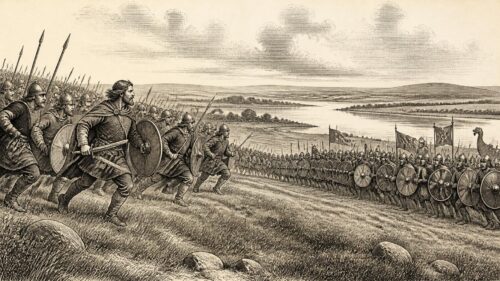
In 868, Áed Findliath, king of Tara, defeated a coalition of Brega, Leinster and Scandinavian fighters at Cell Ua nDaigri, probably near Killineer. Dated to 6 September by Chronicon Scotorum, the battle killed Flann of Brega and many allies, while Áed’s forces also suffered serious losses. It demonstrated both Tara’s contested authority and Vikings’ role as participants in Irish dynastic politics. Annals also recorded deaths of abbots and scribes, including leaders at Clonmacnoise, Glendalough and Tallaght, revealing monastic institutions’ importance. A water event in Sliab Cualann and a Martinmas windstorm completed a year marked by conflict, ecclesiastical change and uncertainty.
Read Article
Archived: 28 October 2026
Abstract
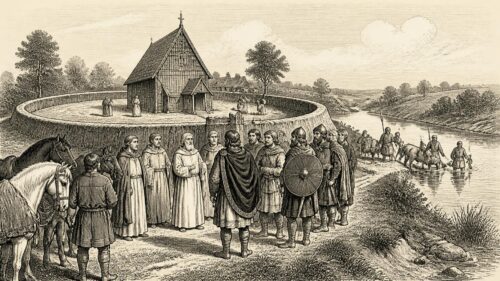
In 864, Ireland’s fragmented politics were marked by coercion, shifting alliances and Scandinavian involvement. Áed Findliath consolidated authority by blinding Lorcán of Mide, while Amlaíb of Dublin drowned Conchobor at Clonard, demonstrating foreign rulers’ influence in inland dynastic struggles. Áed and Flann of Brega defeated the Ulaid, whereas Cerball of Osraige pursued raids, devastation, cattle seizures and hostages across Leinster and Munster. Annals also record ecclesiastical deaths and appointments at Louth, Terryglass and Kildare, alongside a Clare king’s death. Differing annal dates and partisan later narratives require caution, but collectively portray interconnected regional powers, churches and communities vulnerable to warfare.
Read Article
Archived: 29 October 2026
Abstract
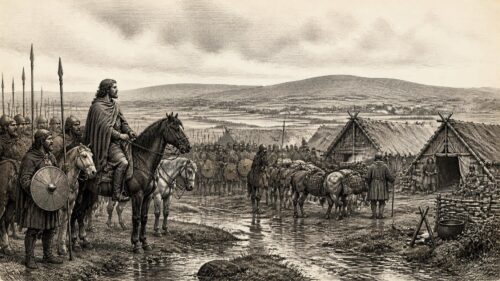
In 858 Máel Sechnaill mac Máel Ruanaid, king of Tara, led a large coalition into Osraige and Munster after resistance to his overlordship and complaints about Cerball of Osraige’s tribute-taking. His forces penetrated Munster, defeated its interests at the unlocated Carn Lugdach, killed Déisi king Máel Cróin, and extracted hostages across the province. Cerball nevertheless raided Leinster and, allied with Scandinavian ruler Ímar, defeated opponents in Ara Tíre. Ecclesiastical and regional royal deaths reflected fragmented authority, while notices of Pictish and West Saxon kings reveal wider connections. A wet autumn damaged crops, compounding disruption from armies, raiding, requisitions and hostage-taking.
Read Article
Archived: 29 October 2026
Abstract
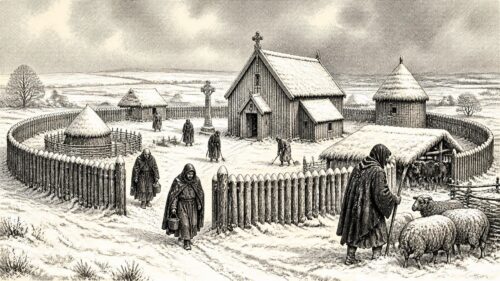
In 854, Irish annals recorded the death of Cathan, abbess of Kildare, highlighting the influence of major ecclesiastical communities and female leadership. Exceptional snow fell on 23 April, probably disrupting travel, livestock care and spring farming, though no famine was reported. Áed son of Niall raided Ulaid, killing prominent opponents and many others, while Fínnechta was treacherously killed and Muiredach of Ard Cianachta died. Abbots at Monasterboice, Achad Bó and Inis Cáín Dega were also commemorated, including one who drowned. These local events reveal an Ireland shaped by regional conflict, church continuity, hazardous travel and unusual weather, amid Scandinavian influence.
Read Article
Archived: 29 October 2026
Abstract
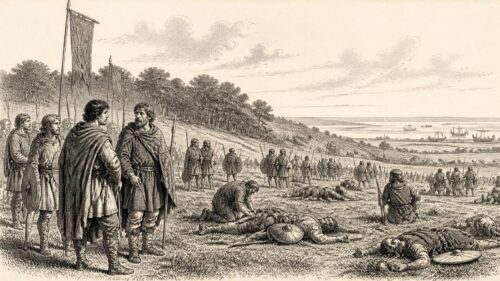
In 848, Irish annals recorded a cluster of victories over Viking forces, although later compilations and exaggerated casualty figures require caution. Máel Sechnaill of Tara defeated raiders at Forach, while Ólchobar of Munster and Lorcán of Leinster killed Tomrair, a prominent Scandinavian jarl and deputy, at Scíath Nechtain. Tigernach of Lagore and the Eóganacht of Cashel won further successes. Ólchobar also campaigned against the Viking fort at Cork, though its outcome is unknown. These actions demonstrated regional resistance, not national unity, amid disruption to communities and churches. Viking bases and activity endured, but victory enhanced Irish confidence and standing abroad.
Read Article
Archived: 29 October 2026
Abstract
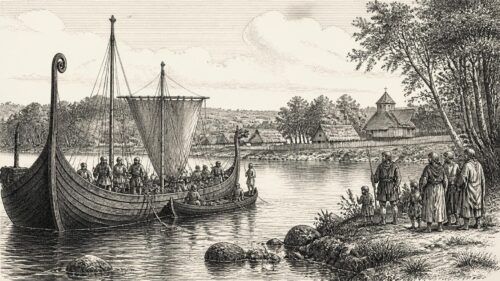
In 839 Scandinavian raiders operated from Lough Neagh, plundering northern Irish communities and churches, revealing new inland reach though no base can be proven. The annals record burnings at Ferns and Cork, demonstrating violence across Ireland. Ecclesiastical deaths and Armagh's disputed abbacy show churches remained centres of learning, property and political influence amid disruption. Killings of regional kings and church officials expose fragmented dynastic politics, while Máel Sechnaill's role at Durrow foreshadowed rising Clann Cholmáin power. Viking destruction of Fortriu in northern Britain heightened the wider maritime threat. Together, these records portray vulnerable yet active societies confronting mobile overseas raiders.
Read Article
Archived: 29 October 2026
Abstract
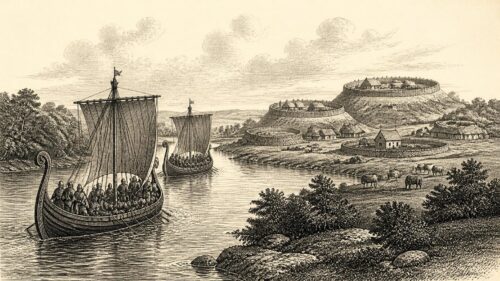
In 837, coordinated Scandinavian forces markedly intensified attacks on Ireland. Two fleets of sixty ships operated on the Boyne and Liffey, plundering Mag Life and Brega, including churches, forts and settlements. Brega's men defeated raiders at Deoninne and killed leader Saxolb, but the foreigners routed the Uí Néill at Inber na mBárc. Inland ecclesiastical centres, including Inis Cealtra and Lough Erne churches, suffered destruction or plunder. The heathens first took Áth Cliath, though no permanent Dublin settlement is proven before the 841 longphort. Political rivalries and provincial deaths compounded a fragmented response, making 837 an exceptional escalation in river-based raiding.
Read Article
Archived: 29 October 2026
Abstract
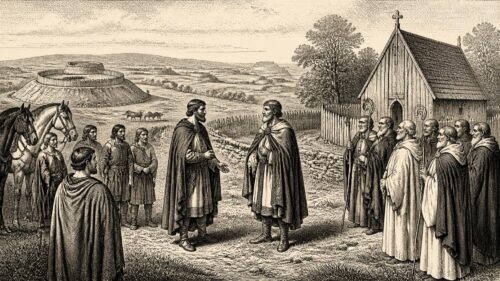
In 827, Irish annals recorded conflict, church politics, Viking raids and royal diplomacy across a divided island. Niall Caille of Cenél nÉogain defeated forces of Ulaid and Airgialla at Leth Cam near Armagh, strengthening his influence and supporting Éogan Mainistrech’s ecclesiastical position. Church leaders also died at Tallaght, Fir Rois and Cell Achaid. Viking raiders burned Lusk, ravaged eastern districts and defeated a Leinster encampment, killing Conall of the Fortuatha. Violence disrupted fairs at Tailtiu and Colmán. Finally, Munster’s Feidlimid and Tara’s Conchobor held a royal conference at Birr, acknowledging competing powers amid instability within Ireland’s political and religious life.
Read Article
Archived: 1 November 2026
Abstract
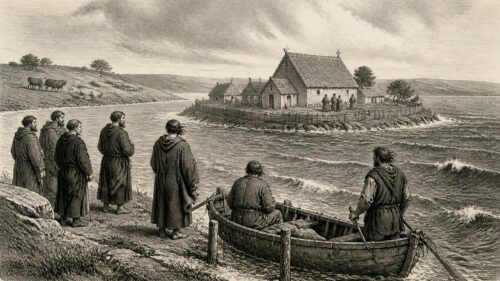
In 720, Irish annals recorded a rainy summer, the death of Sínach of Inis Clothrann, and a great sea-flood in October. The wet season may have disrupted cereal growing, haymaking, travel and fodder supplies, although its effects varied by resources and status and cannot prove famine. Sínach’s obituary attests to an ecclesiastical community on Lough Ree, connected through the Shannon to estates, labour and exchange. Politically, the year lay between Fergal’s campaigns against Leinster, though no conflict is securely dated to it. The sea-flood, perhaps storm surge or tsunami, remains unlocated and unexplained, demonstrating environmental vulnerability and maritime connections alike.
Read Article

