Archived: 26 September 2026
Abstract
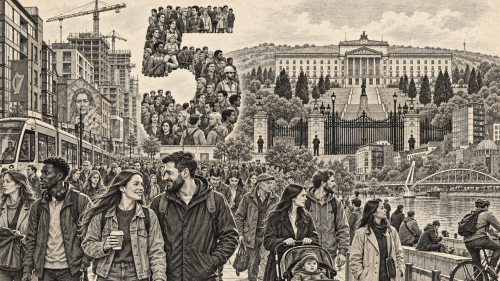
In 2022, Ireland lifted most Covid restrictions, restoring public life while health services retained pandemic pressures. Russia’s invasion of Ukraine brought sanctions, temporary protection and more than 64,000 arrivals, intensifying housing shortages and inflation; government introduced energy and welfare supports. Census results recorded 5,123,536 residents, the first population above five million since 1851. Housing, homelessness and maternity-hospital governance remained contentious. Sinn Féin became Northern Ireland’s largest Assembly party, but DUP opposition to the Protocol prevented an Executive. Ireland experienced its warmest recorded year, set emissions ceilings, marked cultural and revolutionary centenaries, and completed the orderly Martin-Varadkar Taoiseach rotation in December.
Read Article

Archived: 12 October 2026
Abstract
In 1790, Ireland combined institutional development with deep political and social exclusion. Parliament was dissolved and elections returned 300 MPs, yet power remained Protestant, propertied and shaped by patronage. John Keogh’s Catholic Committee revived constitutional campaigning for relief. Commercial improvement advanced through Royal Canal construction, Boyne navigation legislation and substantial linen exports, while Dublin’s Roomkeepers’ Society exposed severe urban poverty. Armagh Observatory opened under Archbishop Robinson, and work began on Emo Court. Although no national rebellion occurred, official concern over disorder reflected persistent agrarian and economic tensions. The year’s canals, charitable initiatives and learned institutions coexisted with inequality, foreshadowing turmoil.
Read Article
Archived: 13 October 2026
Abstract
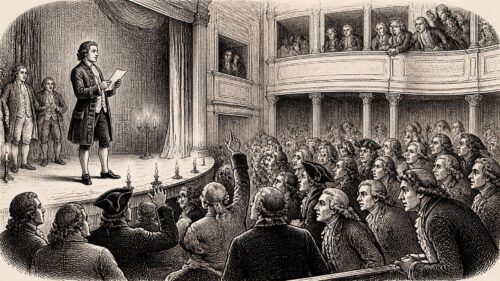
In 1712, Ireland remained tense following Williamite wars, with Tory administrators under Sir Constantine Phipps accused by Whigs of favouring Jacobitism and interests. Dublin’s conflict erupted when Dudley Moore delivered a banned Whig prologue on William III’s anniversary, provoking proceedings. Religious policy combined missionary outreach and exclusion: John Richardson published an Irish-English prayer book while penal laws constrained Catholics; Quaker pioneer William Edmundson died. Banbridge gained a bridge across the Bann, aiding communications. Livelihoods depended on agriculture and expanding linen exports, shaped by imperial restrictions, war and landholding. These events reveal authority contested through politics, religion, print, commerce and infrastructure.
Read Article
Archived: 16 October 2026
Abstract
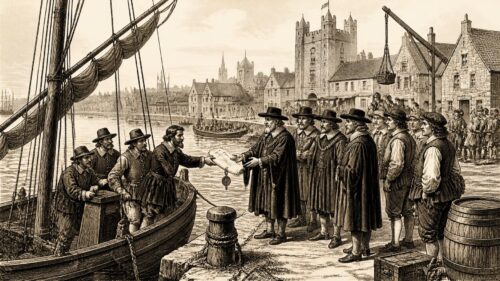
In 1626, Lord Deputy Falkland governed Ireland amid fiscal, religious and landholding tensions. Charles I restored Waterford’s charter, withdrawn after civic officers refused the oath of supremacy, enabling Catholic municipal leadership within Protestant legal constraints for an alleged £3,000. The Crown advanced plantation in Upper Ossory, reshaping contested Fitzpatrick lands. To fund 5,500 troops during war with Spain, Falkland offered proposed Graces, including land-title security, reduced recusancy penalties and officeholding opportunities for Catholics. Protestant bishops, led intellectually by James Ussher, opposed toleration. Aodh Mac Cathmhaoil became Catholic archbishop of Armagh, dying in Rome; Niall Garvach O’Donnell died imprisoned in Tower.
Read Article
Archived: 16 October 2026
Abstract
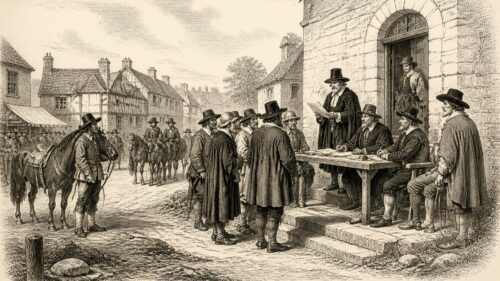
In 1621, Ireland remained unsettled despite the absence of war, as Crown policies on land, religion, revenue and loyalty generated grievances. Parliamentary criticism of Deputy Oliver St John, together with the Pale gentry’s petition, prompted investigations leading towards the Commission of 1622. Plantation patents and the Crown inquest asserting title to Upper Ossory, including Offerlane, extended ambitions beyond Ulster. Preparations to inspect the Ulster Plantation exposed doubts about settlement and administration. James Ussher’s advancement to Meath symbolised strengthened Protestant authority amid Catholicism. Galway’s detention of a privateering vessel revealed Atlantic diplomatic entanglements, while reports of starlings reflected contemporary providential anxieties.
Read Article
Archived: 17 October 2026
Abstract
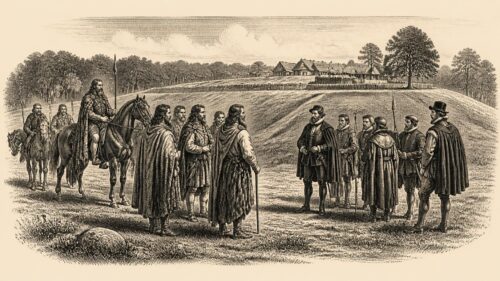
In 1578 Tudor efforts to impose plantation, taxation, courts and provincial authority provoked continuing conflict across Ireland. At Mullaghmast, Francis Cosby allegedly murdered about seventy unarmed O’Mores, deepening resistance to the Laois plantation. Rory Óg O’More raided neighbouring districts before crown-aligned forces killed him in summer; his displayed head symbolised coercion, not pacification. Fiach MacHugh O’Byrne made precarious submissions while surviving attempted ambushes. Lord Justice William Drury combined bargains, judicial tours and religious pressure, securing temporary agreements with Desmond and other lords. Conflict also touched Connacht, while learned Gaelic households endured and Smerwick Harbour received a wrecked Frobisher expedition vessel.
Read Article
Archived: 18 October 2026
Abstract
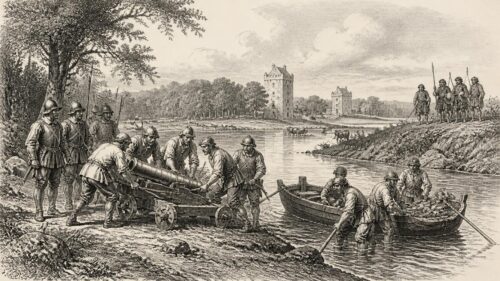
In 1557, Tudor policy combined legislation, plantation and military coercion to extend royal control across Ireland. Parliament created Queen's County and King's County from Laois and Offaly, planned Maryborough and Philipstown, restored Catholic arrangements, and adjusted Poynings' Law, while protecting former church lands. Sussex's campaigns against O'Connor Faly and neighbouring lords used artillery, garrisons, hostages and executions, devastating communities. Agreements such as William O'Carroll's bound Gaelic leaders to service and payments. In Ulster, Shane O'Neill's rivalry with Calvagh O'Donnell ended in defeat, while Sussex's sack of Armagh failed to secure Tyrone. New shires proclaimed authority, but resistance and violence persisted.
Read Article
Archived: 21 October 2026
Abstract
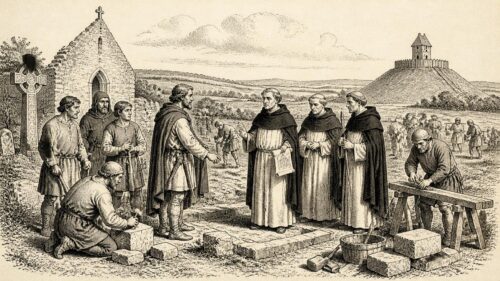
In 1382, Ireland was divided among royal administration, Anglo-Irish magnates and Gaelic rulers. Ruaidhrí Ó Conchobair, king of Connacht, arrested rival chiefs at an assembly, exposing insecure personal power. Raids in Corcomroe and Desmond destroyed homes, crops and lives, while imprisonment claimed members of the Ó Briain dynasty. Deaths, including that of James Butler, earl of Ormond, altered lordly succession. William Tany resumed the Irish chancellorship, maintaining crown government through the great seal. Finghin Mac Giolla Phádraig founded a Dominican friary at Aghaboe, demonstrating enduring religious patronage. Annals also remembered women, clerics, entertainers and heirs, reflecting regional, interconnected medieval society.
Read Article

Archived: 26 September 2026
Abstract
In 1042, Leinster underwent a decisive political upheaval when Murchad mac Dúnlainge, king of Leinster, was killed at Mag Muilchet. His defeat ended the Uí Dúnlainge dynasty’s effective provincial claim and enabled Diarmait mac Máel na mBó of Uí Chennselaig gradually to establish supremacy, supported by Osraige. Conflict included the burning of Ferns and destructive retaliation at Glenn Uissen, illustrating warfare’s assault on ecclesiastical centres. In Mide, Flann mac Máel-Sechnaill was murdered amid dynastic rivalry. Sitriuc Silkbeard died, symbolising Dublin’s changing Hiberno-Norse era. Church deaths, pilgrimage to Rome, and Ailill of Muckno’s death in Cologne demonstrate Ireland’s European religious connections.
Read Article
Archived: 29 October 2026
Abstract
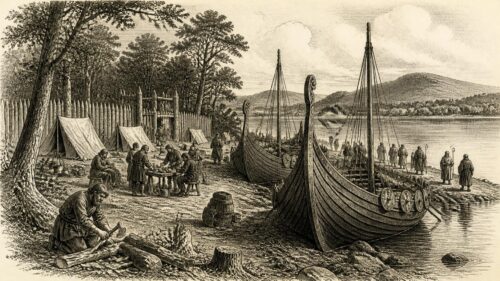
Conventionally dated to 845, Tuirgéis’s campaign demonstrated Viking access to Ireland’s inland waterways. From a defended base on Loch Rí, foreigners plundered Connacht and Mide, burning major Shannon monasteries including Clonmacnoise, Clonfert, Terryglass and Lorrha. Raids brought deaths, captives, stolen relics and disruption, though religious communities survived and rebuilt. Irish resistance remained regional: Niall son of Áed defeated foreigners in the north-west, while Máel Sechnaill strengthened his position in Mide amid dynastic conflict. Máel Sechnaill captured and drowned Tuirgéis at Loch Uair, checking rather than ending Scandinavian power. Dublin-based Vikings also continued inland operations, illustrating multiple independent active raiding groups.
Read Article


