Archived: 26 September 2026
Abstract
In 2013, Ireland combined cautious economic recovery with public reckoning. The Fine Gael–Labour government restructured IBRC debt, chaired the EU Council, introduced Local Property Tax, promoted tourism through the Gathering, and exited the EU–IMF bailout. Yet unemployment, emigration and household strain persisted. Following the McAleese Report, Enda Kenny apologised to Magdalen laundry survivors and backed redress. The Protection of Life During Pregnancy Act legislated limited abortion provision. Constitutional debates included marriage equality and referendums retaining the Seanad while creating a Court of Appeal. Lough Erne hosted the G8, while Northern Ireland faced flag and parade tensions. Seamus Heaney was mourned.
Read Article
Archived: 17 October 2026
Abstract
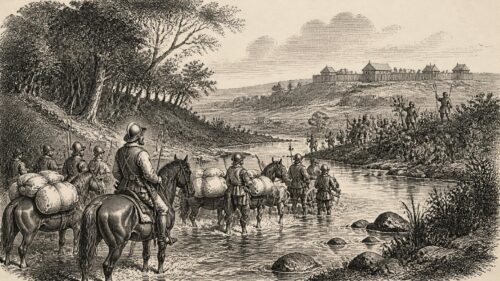
In 1594, a struggle centred on Enniskillen turned a dispute over crown authority in Fermanagh into a warning of a wider Irish war. The year is conventionally treated as the opening of the Nine Years’ War, though that label should not obscure how local its immediate stakes were. Hugh Maguire, lord of Fermanagh, was defending a lordship threatened by sheriffs, garrisons and the prospect of a Monaghan-style land settlement. Yet his allies included Hugh Roe O’Donnell of Tír Chonaill and men connected to Hugh O’Neill, earl of Tyrone. Their success on the Arney River showed that the English administration could
Read Article
Archived: 17 October 2026
Abstract
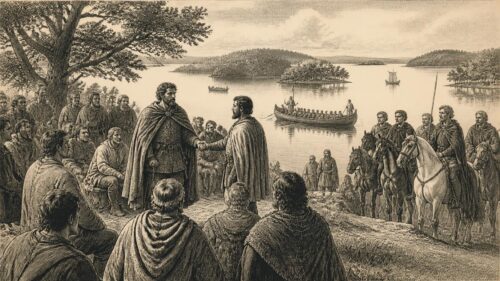
In 1589, Cú Chonnacht Óg Maguire’s death triggered a Fermanagh succession contest, resolved at Sciath Ghabhra when Donnell O’Donnell backed his son Hugh, reinforcing north-western alliances. MacMahon succession rivalry in Monaghan invited intervention by Lord Deputy Sir William Fitzwilliam, while Hugh O’Neill consolidated his position. In Connacht, opposition to Sir Richard Bingham’s Composition produced raids, government defeat, reprisals, an inquiry, Bingham’s acquittal and renewed campaigning. Munster commissioners assessed the incomplete plantation of confiscated Desmond lands. Ecclesiastical appointments and annalistic obituaries reflected enduring Catholic, Gaelic learned and social traditions. Together, these events exposed conflicts over lordship, land, royal administration and authority.
Read Article

