Archived: 18 October 2026
Abstract
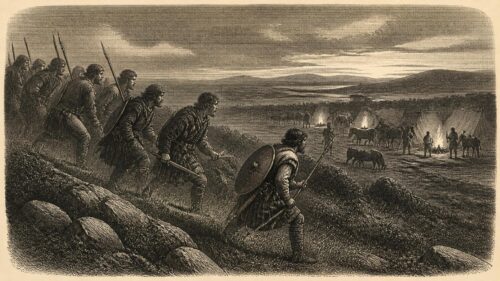
In 1522, Aodh Dubh Ó Domhnaill defeated Conn Bacach Ó Néill’s extensive coalition at a surprise night attack at Cnoc Buidhe, or Knockavoe, near Strabane. Conn’s allies included Ulster lords, Connacht and Munster contingents, men from Meath and Leinster, and Scottish mercenaries. Earlier raids captured Ballyshannon, burned settlements and seized livestock, damaging Tír Chonaill’s communities and resources. Ó Domhnaill’s victory disrupted the coalition’s planned advance from Sligo and preserved his lordship, though warfare continued into 1523. The campaign demonstrated Ireland’s interconnected political and maritime world, while annalistic notices also recorded churchmen, scholars and the wartime deaths of learned household members.
Read Article
Archived: 18 October 2026
Abstract
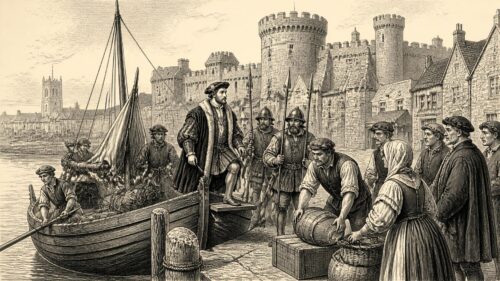
In 1520 Henry VIII appointed Thomas Howard, earl of Surrey, lieutenant of Ireland, replacing the influence of detained earl of Kildare. Landing at Wood Quay with English troops, Surrey repaired Dublin Castle, defended the Pale and pursued negotiated submissions from Gaelic and Anglo-Irish rulers. His campaigns, truces and oaths brought gains, but depended on allies, coercion and shifting interests. Disease disrupted government, while troop concentrations caused shortages and coign and livery burdened communities. Insufficient revenue, poor logistics and warfare restricted policy. Annalistic evidence reveals lordships, succession disputes and learned institutions. Surrey's expedition exposed the limits of crown authority beyond Dublin.
Read Article
Archived: 18 October 2026
Abstract
Ireland’s political landscape in 1519 changed through succession, departures, disease and agricultural hardship. In Ulster, Conn Bacach Ó Néill succeeded his half brother Art Óg as lord of Tír Eógain. Deaths among leading figures elsewhere altered regional balances, while Gerald FitzGerald’s departure for England exposed the uncertainty surrounding Dublin’s administration. Irish annals also record plague in Dublin and an wet summer and harvest associated with sickness and suffering. These accounts place elite political change beside the difficulties experienced by communities. The year reveals how dynastic authority, royal intervention, epidemic disease and weather together shaped an island of overlapping regional powers.
Read Article
Archived: 18 October 2026
Abstract
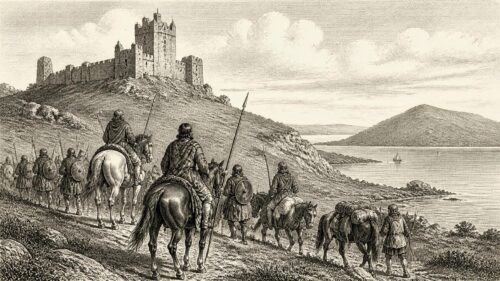
In 1517 Gerald FitzGerald, ninth earl of Kildare and lord deputy, demonstrated both the reach and limitations of Tudor authority in Ireland. After convening a Dublin parliament, he campaigned in Ulster, destroying Dundrum Castle, seizing Félim Magennis’s family and hostages, and burning Dungannon. Yet O’Donnell also raided Tír Eoghain and destroyed Dungannon amid O’Neill succession rivalries, showing regional politics remained autonomous. Elsewhere, inaugurations, killings, cattle raids and castle warfare reshaped local lordships. A severe frost disrupted travel, while a boat from Tory Island vanished at sea. The year reveals a connected but politically fragmented island, rather than unified crown rule.
Read Article
Archived: 18 October 2026
Abstract
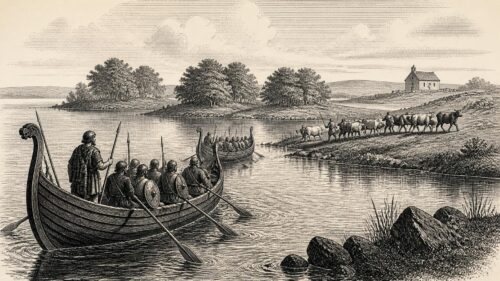
Annals for 1515 depict a politically fragmented Ireland shaped by cattle raiding, dynastic rivalry, fortified lordships and ecclesiastical life. Aodh Dubh Ó Domhnaill raided MacDermot territory, suffered a wound, and attacked Maguire lands by fleet on Lough Erne; Art Óg Ó Néill exploited his weakness in Clandeboye and campaigned in Oriel. On 25 November, Domnall Ó Domhnaill, tánaiste of Tír Chonaill, was fatally wounded by a kinsman, intensifying succession tensions. Desmond relatives contested castles in Munster, while bishops and clerics died or faced violence. Kildare retained royal favour, whereas Ormond’s death without a male heir sharpened future political rivalry thereafter.
Read Article

Archived: 19 October 2026
Abstract
Ireland in 1514 remained a landscape of competing lordships and negotiated authority. Gerald FitzGerald, ninth earl of Kildare and the king’s deputy, sought to demonstrate that he had inherited his father’s influence. Campaigns recorded in Laois, Breifne, Munster and Ulster reveal the importance of castles, armed followings, hostages and compensation. Rival rulers could resist, bargain and rebuild their position despite destructive expeditions. A contemporary churchman described abundant food alongside insecurity on land and sea. Cavan Castle’s destruction belongs within this wider pattern of contested government, where royal office offered prestige but power still depended upon local alliances and military resources.
Read Article

Archived: 19 October 2026
Abstract
In 1513, Ireland experienced interconnected struggles over lordship, succession and regional power. Gearóid Mór FitzGerald’s death weakened his extensive political system, although his son Gerald succeeded as earl and deputy governor. In Tír Eógain, Art Óg O’Neill secured inauguration with local and Kildare support amid contested succession. Aodh Dubh O’Donnell besieged Sligo, influenced control of Dunluce and visited James IV of Scotland before Flodden ended Scottish royal intervention. Raiding, burning and maritime violence affected coastal and rural communities. Meanwhile, Franciscan scholarship, ecclesiastical deaths and aristocratic patronage demonstrated enduring religious, learned and charitable networks across a politically fragmented yet connected Ireland.
Read Article
Archived: 19 October 2026
Abstract
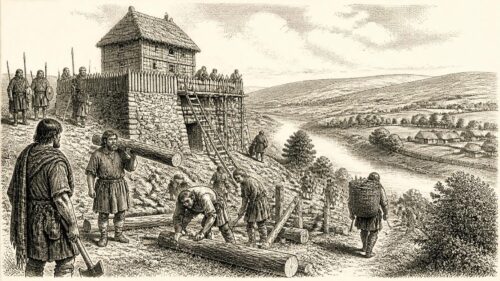
In 1512, Irish power rested on military mobility, castles, hostages, revenue and patronage amid overlapping crown, Gaelic and ecclesiastical jurisdictions. Returning from pilgrimage, Aodh Dubh O’Donnell raised hired troops, defeated Edmund Burke’s forces, destroyed Esker castle, secured hostages, and compelled Art O’Neill to terms before rebuilding Omagh castle, asserting authority in Tyrone. Meanwhile, Gerald FitzGerald, earl of Kildare and justiciar, campaigned through Connacht and Ulster, capturing and demolishing strongholds including Belfast. Annals also record church patronage, learned households, deaths and Dublin appointments, demonstrating that warfare, negotiation, religion and administration jointly reshaped Ireland’s unsettled political landscape during this exceptionally documented year.
Read Article
Archived: 19 October 2026
Abstract
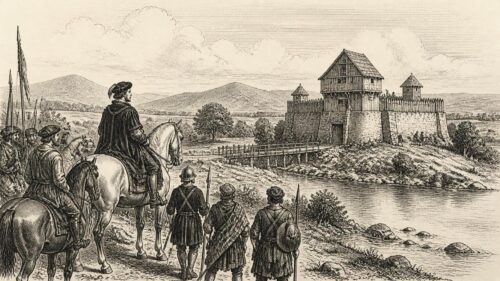
Henry VIII’s accession in 1509 prompted Ireland’s council to retain Gerald FitzGerald, eighth earl of Kildare, as temporary governor, preserving authority in the Pale. Kildare intervened in a disputed O’Neill conflict in Tyrone, campaigning with regional allies, capturing Omagh castle, taking prisoners and demolishing the fortress. Domhnall O’Neill died, and Art O’Neill was inaugurated, illustrating contested Gaelic succession. Uilleag Fionn Burke of Clanricard also died, without ending Burke power. Obituaries for church officers, an erenagh and a learned poet reveal enduring ecclesiastical, hospitable and literary institutions. The year demonstrated that royal change affected Ireland through local alliances, lordships and rivalries.
Read Article
Archived: 19 October 2026
Abstract
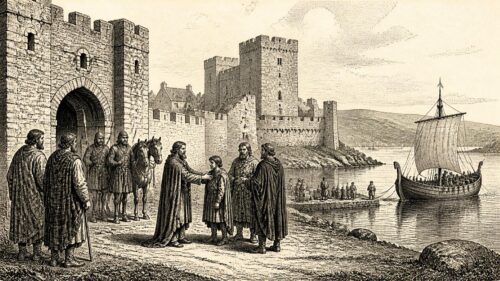
In 1507, Ireland comprised overlapping systems of royal lordship, Gaelic dynasties, churches, learned families and corporate towns. The Annals of Ulster, strongest for the north, records Henry Ó Néill’s death, an Ó Domhnaill attack on Dungannon, and conflict at Carrickfergus, where Niall Ó Néill was captured, released after sixteen hostages were demanded, then seized the castle and mayor. Clogher monastery and Achadh Beithe church burned, while clerics, a brehon and several poets died. Kildare exercised limited deputy authority, and Galway maintained civic government. These events reveal power secured through kinship, pledges, warfare, learning, patronage and institutional resilience across the island.
Read Article
Archived: 19 October 2026
Abstract
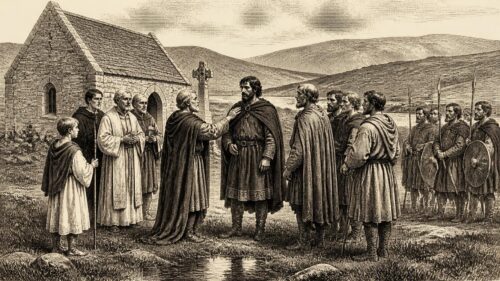
In 1505, Aodh Ruadh Ó Domhnaill died at Donegal after forty-four years as lord of Tír Chonaill and was buried in its Franciscan friary. His son, Aodh Dubh, secured succession through a campaign in Tír Eógain, taking Castlederg, before inauguration at Kilmacrenan. Feuds killed military and local leaders, while drowning claimed travellers on Finn Lough. Persistent rain ruined crops, particularly in Fermanagh, and plague affected Anglo-Irish nobles. Churchmen experienced both institutional continuity and violence. Meanwhile, Gerald FitzGerald received the Garter and Piers Butler became seneschal of Tipperary, illustrating Ireland’s plural, alliance-based political order during a year of contested regional authority.
Read Article

Archived: 19 October 2026
Abstract
Ireland in 1503 was shaped by overlapping lordships, kin groups, towns and church jurisdictions rather than a national government. The death of Seán Mag Uidhir, lord of Fermanagh, at Enniskillen on 26 March provides the year’s most precisely dated event. Annalistic accounts also record Kildare’s northern campaign, conflict among O’Neill and O’Donnell rulers, warfare in Connacht and important deaths elsewhere. Castles, marriages, fosterage, military followings and control of routes underpinned political authority. The evidence reveals a landscape of regional bargaining and rivalry, where changing leadership could disturb alliances and alter relations between Gaelic rulers and the English crown’s limited administration.
Read Article
Archived: 19 October 2026
Abstract
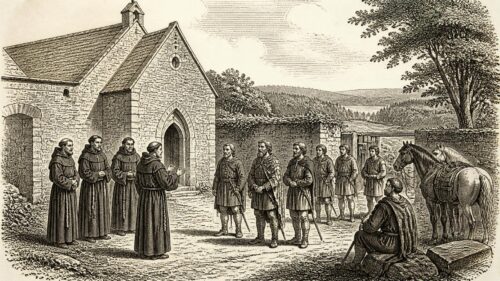
In 1502, Ireland was shaped by local lordship, dynastic violence, religious reform and environmental hardship. Raids and feuds across East Breifne, Fermanagh, Monaghan and Ulster killed warriors, professionals and kin, while alliances enabled armed retinues to cross boundaries. John O’Reilly secured Cavan’s Franciscan monastery for the Strict Observance through Rome, demonstrating both reforming connections and secular authority. Church offices remained contested and hereditary. Severe weather killed cattle and disrupted cultivation throughout Ireland, threatening subsistence and lordly resources. The deaths of poet Domnall Ó hUiginn and learned figures show scholarly networks. Munster experienced change, while English administration remained limited around Dublin.
Read Article

Archived: 19 October 2026
Abstract
During 1501, Ireland’s political life remained intensely regional despite Gerald FitzGerald, eighth earl of Kildare, serving as lord deputy. In Oriel, rival Mac Mahon branches fought, displacing opponents and causing significant deaths, while Maguire forces suffered heavily at Slieve Beagh. Rival O’Conor kinsmen captured Sligo castle by ladders, killing leading combatants. Churchman John Maguire and poet Donnell O’Higgin were commemorated for learning and hospitality. Edmund Burke was seized returning from pilgrimage to Spain and held for ransom. Finally, Turlough O’Brien of Thomond burned parts of Limerick and the Maigue plain, demonstrating warfare’s continuing economic and human impact throughout the island.
Read Article

Archived: 19 October 2026
Abstract
In 1500, Ireland experienced local conflicts, disasters and environmental hardship rather than a single national crisis. Aodh Ruadh Ó Domhnaill raided Tír Eógain, burning Dungannon and its strongholds, while Kildare’s intervention in Ó Néill territory proved temporary. Succession changed Breifne’s rulership, and killings, livestock raids and castle-building marked Fermanagh. Galway was largely destroyed by fire, threatening an important trading port. In Munster, the Barry family feud brought murder and posthumous punishment, while John Maguire executed a notorious horse thief. Prolonged wet weather damaged wheat. The death of Derry’s Franciscan bishop also reflected active religious networks across fragmented but connected lordships.
Read Article

Archived: 19 October 2026
Abstract
In 1498, Gerald FitzGerald, earl of Kildare and royal deputy, led Gaelic and Anglo-Irish allies to capture Dungannon Castle with artillery, intervening in the violent O’Neill succession struggle. The campaign displayed military capacity but reinforced a factional settlement rather than extending durable Dublin control. Kildare’s restored administration also summoned parliament, pursuing taxation, customs and measures promoting English elite practice. Ireland endured famine and recorded smallpox deaths, including scholar Cathal Óg Mac Maghnusa, compiler of the Annals of Ulster. Conflict in Munster, religious patronage by Margaret Maguire, and scattered annalistic reports reveal interconnected yet locally experienced political, social and cultural life.
Read Article
Archived: 19 October 2026
Abstract
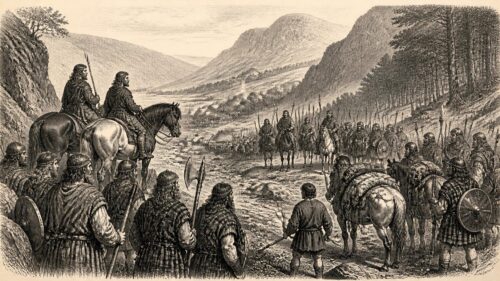
In 1493, Conn Ó Néill’s treacherous killing by his brother Henry Óg triggered a contested succession in Tír Eóghain. Backed respectively by Ó Domhnaill and by Uí Chatháin and Uí Mhealláin, Domhnall Clárach and Henry Óg fought at Glasdromainn, where Henry prevailed, though instability continued. Ó Domhnaill’s later Ulster hosting ravaged territories but won no settlement. Across Ireland, killings, raids, burnings and changes of lordship affected Leinster, Offaly, Breifne and Connacht. Gerald FitzGerald, earl of Kildare, visited Henry VII amid political scrutiny. Annals also recorded deaths of clerics, poets and aristocratic women, revealing cultural ties and piety during the year.
Read Article

Archived: 19 October 2026
Abstract
In 1491 Conn Ó Néill of Tír Eógain and Aodh Ruadh Ó Domhnaill of Tír Chonaill sought Gerald FitzGerald, earl of Kildare, to arbitrate their Ulster conflict, but no peace resulted, demonstrating limits to Kildare’s authority. Warfare continued through raids, killings, captivity and contested castles across Ulster, Breifne and borderlands. In east Breifne, John Ua Raghallaigh died, prompting a disputed succession and Kildare’s destructive intervention. Persistent summer and autumn rain ruined Ireland’s grain, particularly in Fermanagh, worsening pressures created by campaigning. Ecclesiastical offices and monasteries remained significant. A post-Christmas wind concluded a year marked by insecurity, authority and environmental hardship.
Read Article
Archived: 19 October 2026
Abstract
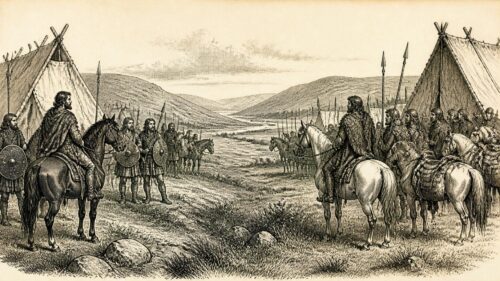
In 1490, Ireland’s fragmented political order was shaped by local warfare, disputed succession and negotiated authority. Feidhlimidh Fionn Ó Conchobhair Ruadh defeated rival kinsmen near Croghan before dying, prompting Ruaidhrí’s election and further instability in Connacht. Raids, cattle seizures and crop destruction burdened communities. In Ulster, Ó Néill factions fought over castles, Aodh Óg Ó Domhnaill seized Ballyshannon, and Conn Ó Néill and Aodh Ruadh Ó Domhnaill maintained an armed stalemate. Henry VII summoned Kildare, whose indispensability reflected Dublin’s limited reach. Papal appointments, learned deaths, maritime links and a cautiously reported earthquake reveal an interconnected, unsettled society across the island.
Read Article
Archived: 19 October 2026
Abstract
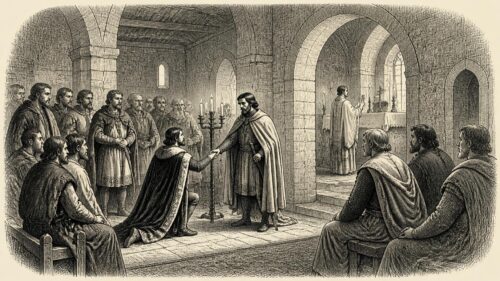
In 1488 Sir Richard Edgecombe secured renewed allegiance to Henry VII after Ireland’s leaders had supported Lambert Simnel. At Kinsale, Waterford, Dublin, Drogheda and Trim, towns and magnates received pardons and swore fealty. Gerald FitzGerald, earl of Kildare, negotiated rather than submitted unconditionally, taking a solemn oath at St Thomas’s while retaining his regional power; royal control was reinforced through Dublin Castle. Beyond the Pale, warfare, succession disputes, hostage-taking and alliances shaped Gaelic and Anglo-Irish lordships. Religious reform flourished at Donegal, while deaths from smallpox, losses among learned figures and destructive weather exposed insecurity. The settlement restored cooperation, not rule.
Read Article
Archived: 19 October 2026
Abstract
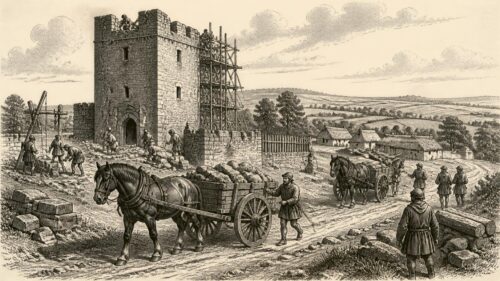
In 1485, Ireland comprised competing lordships, towns and ecclesiastical jurisdictions, while Kildare dominated the English administration. His Trim parliament defended corporate privileges, funded frontier defence, Castledermot’s construction and plague relief, anticipating England’s uncertain succession. Henry VII’s accession after Bosworth altered calculations without immediately displacing Kildare. In Connacht, Uilleag Burke succeeded violently, with annals differing over his campaign and Tulsk Castle’s destruction. Successions, killings and raids reshaped Connacht and Ulster, where O’Neill and O’Donnell forces fought then made peace. Breifne conflicts involved castles, cattle and Kildare’s intervention. Church appointments, chantries, scholarship, hospitality, disease and hardship reveal communities facing persistent insecurity throughout.
Read Article
Archived: 19 October 2026
Abstract
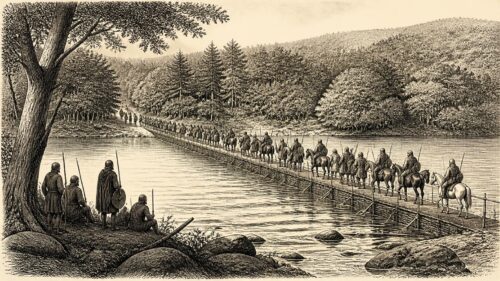
In 1483, Conn O’Neill was released from captivity, inaugurated lord of Tír Eógain, and entered a major conflict with Aodh Ruadh O’Donnell. O’Donnell’s coalition, including Clandeboye forces, raided the Dundalk district, burned Traghbhaile and Baile-Lugh-mhaigh, defeated Kildare’s pursuing army, and exacted protection payments. Returning through Tír Eógain, it cleared woodland and built a wicker bridge across the Abhann Mór, escaping pursuit. Other conflicts occurred across Ireland, while bishops and learned hereditary officials died or succeeded. English dynastic change brought Richard III’s accession, but Kildare remained deputy. The annals depict interconnected lordships, warfare, landscape, church institutions, learning, and local livelihoods alike.
Read Article
Archived: 19 October 2026
Abstract
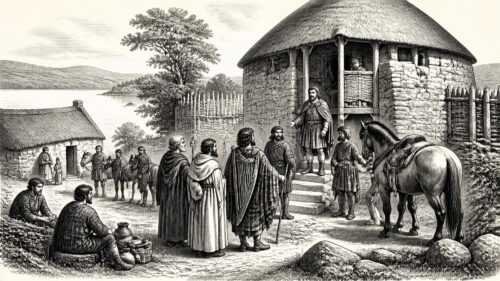
In 1482 Ireland’s events reflected regional lordship, kinship, religion and learning rather than national change. Conn Ó Néill of east Ulster died, renowned as a warrior, protector and patron of Irish and Scottish learned people; Ó Néill violence followed. Feuds among Ó Raghallaigh, Mag Uidhir, Ó hAinligh and families exposed fragility of peace, guarantees and oaths, while alliances crossed Gaelic and Anglo-Irish lines. Annals commemorated scholars and hospitable clergy, revealing learning, guest-houses and devotion as authority. Roland Savage’s appointment and Tadhg Mac Cárthaigh’s papal provision to Ross showed English administrative and ecclesiastical connections, both constrained by local power in practice.
Read Article
Archived: 19 October 2026
Abstract
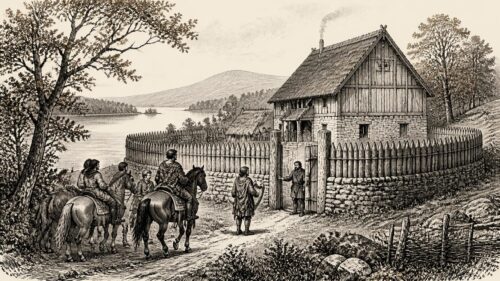
In 1481, Ireland’s annals recorded conflict, patronage and administration across politically fragmented lordships. On 5 October, Toirdelbach Mag Uidhir was treacherously killed by kinsmen in his Fermanagh castle, alongside several companions; his learning, hospitality and bardic generosity were widely mourned. Tír Eógain endured warfare among O’Neill factions, producing raids, killings, captures and the mutilation of Patrick Savage. Other deaths commemorated aristocratic patrons, poets and clerics, demonstrating the importance of learning, pilgrimage and religious institutions. Killings in Wexford reflected local rivalries, while the English lordship’s 1481–82 business addressed lands, castles, church property, revenues and urban privileges, revealing uneven but governmental authority.
Read Article
Archived: 19 October 2026
Abstract
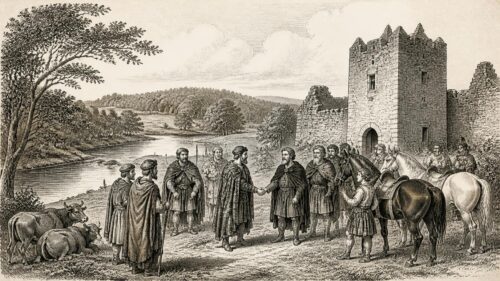
In 1480, Irish annals recorded interconnected conflicts, settlements and deaths across Ulster, Fermanagh and Connacht. Gerald FitzGerald, Earl of Kildare, joined Conn O’Neill’s unsuccessful siege of a rival O’Neill castle, demonstrating both Dublin’s reach and its limits. Raids between Tír Eógain and Tír Chonaill caused burnings, cattle losses and casualties, while O’Donnell dynastic rivalries continued. At Castlefinn, O’Donnell, Conn O’Neill and Neachtan O’Donnell’s sons negotiated peace and appointed Eigneachán O’Donnell tanist. Obituaries for Tomás Óg Maguire, Cathal Óg Mac Maghnusa, poets and teachers emphasised hospitality, religious patronage and learning. Local feuds also involved MacMahons, Maguires, O’Rourkes and de Burgh factions.
Read Article
Archived: 19 October 2026
Abstract
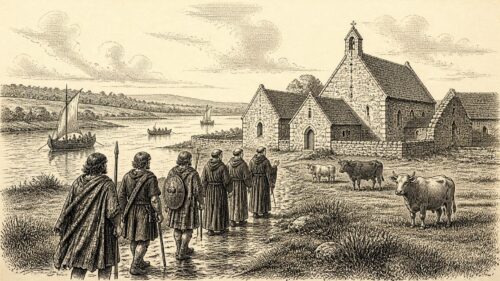
In 1479, Ireland’s diverse political and religious worlds were marked by reform, conflict and administrative adjustment. At Meelick, O’Madden patronage supported a Franciscan Observant renewal, strengthening dynastic commemoration and regional religious links. In Ulster, warfare between Tír Chonaill and Tír Eóghain involved raids, cattle seizures, ransom and hostages, burdening local communities. Obituaries around Lough Erne reveal clergy, artisans and hospitality networks underpinning lordship. In Dublin, Edward IV appointed Gerald FitzGerald, eighth earl of Kildare, deputy lieutenant, acknowledging dependence on local power. Statutes concerning merchants, civic privileges and Gaelic subjects exposed the English lordship’s porous, contested frontiers and commercial regulation alike.
Read Article
Archived: 19 October 2026
Abstract
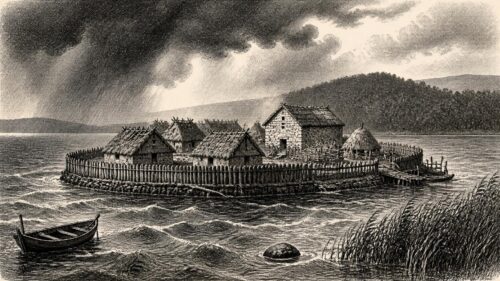
In 1477, annals depict Ireland as a patchwork of contested lordships, where kinship, land, ecclesiastical institutions and armed followings shaped power. In Tír Chonaill, Aodh Ruadh O’Donnell fought Neachtan O’Donnell’s sons, while Énrí O’Neill, supporting the rivals, devastated and burned Tírhugh. Fermanagh saw several Maguire deaths, alongside passing learned erenagh Matthew Ua Luinín and Ailbhe Maguire’s monastic association. Cormac Mac Carthaigh’s capture helped spread war across Munster; other dynastic killings occurred in Connacht and Leinster. A great wind damaged buildings, crannógs and stored produce nationwide. Kildare’s accession belongs to 1478, not 1477, according to contemporary annalistic and modern scholarly evidence.
Read Article
Archived: 19 October 2026
Abstract
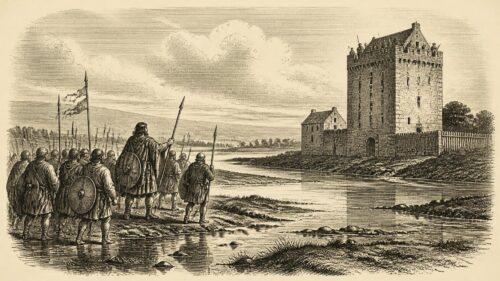
In 1476, Ireland’s competing lordships combined warfare, negotiation and institutional continuity. Henry Ó Néill captured and demolished Bel-Feirste castle, while raiding Oirghialla; Clandeboye survived. Maguire succession in Fermanagh was destabilised by killings and deaths. In Connacht, brief seizures of Roscommon castle exposed fragile authority, whereas Mac William Burke and Aodh Ruadh Ó Domhnaill negotiated a division of Lower Connacht after confrontation. English forces devastated crops, a monastery and settlements in the midlands. Dublin lordship maintained parliamentary, fiscal and legal activity. Annals also recorded prominent poets, clerics and scholars, revealing interconnected political, religious and learned cultures amid violence across the island.
Read Article
Archived: 19 October 2026
Abstract
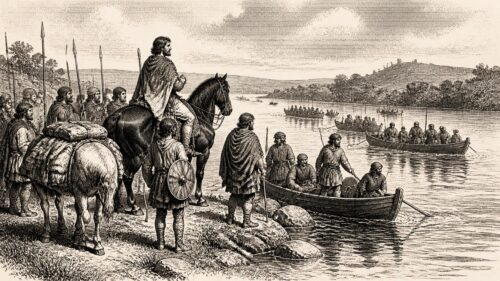
In 1475, Aodh Ruadh O’Donnell of Tír Chonaill led a major circuit through Breifne, Meath, Offaly and Connacht, combining armed pressure, alliance-building and peace-making. His host aided Brian O’Reilly, O’Farrell allies and Connacht friends, devastated parts of Meath, burned Delvin, and crossed the Shannon using local boats. Elsewhere, Réamonn MacMahon was defeated and captured in Oriel, while Henry O’Neill raided Fermanagh. Disputed successions in Annaly, castle transfers in Clanricard, and local battles revealed unstable lordship. Deaths of clerics, rulers and learned men, alongside monastic burials and literary remembrance, illustrate a politically connected, violent yet culturally resilient Ireland in the period.
Read Article
Archived: 19 October 2026
Abstract
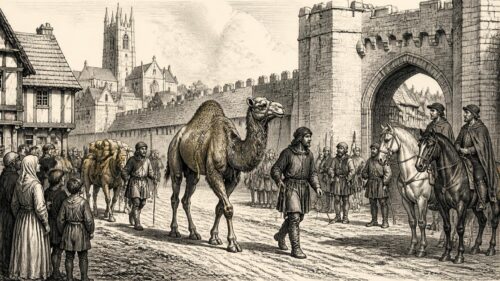
In 1472, Ireland comprised competing Gaelic and Anglo-Irish lordships, while Thomas FitzGerald, earl of Kildare, governed Edward IV’s limited lordship from Dublin. Parliament addressed defence, castles, town property, coinage, trade, religious houses and clerical study, revealing both administrative activity and insecurity in the Pale. Annals record killings, hostage-taking, raids, family struggles and shifting alliances in Ulster, Connacht and Munster, involving Gaelic rulers and Anglo-Irish families alike. Monasteries, pilgrimages and Oxford links connected local society to wider Christian networks. Most strikingly, a yellow camel, probably a royal gift from England, reached Ireland, symbolising international exchange amid fragmented politics across the island.
Read Article


