
Year by Year
Explore Year by Year articles from the most modern historical year back to the oldest.
3,290 Articles Archived
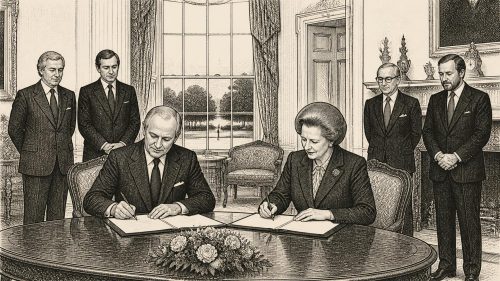
Hillsborough Accord
Archived: 26 September 2026
In 1985, the Anglo-Irish Agreement, signed by Garret FitzGerald and Margaret Thatcher at Hillsborough, created a permanent consultative role for Dublin in Northern Ireland affairs while confirming majority consent for constitutional change. It offered constitutional nationalists progress but provoked unionist protest and Fianna Fáil opposition. Violence continued, including major IRA attacks and the killing of a Garda officer. Sinn Féin advanced electorally and revised its Dáil abstention policy. The Republic faced severe unemployment and emigration, alongside the Progressive Democrats’ foundation and liberalised contraception law. Religious controversy, theatre, U2’s Croke Park concert and Cork 800 reflected changing national identities amid hardship.
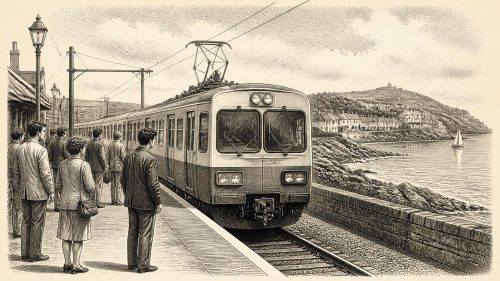
Ann Lovett
Archived: 26 September 2026
In 1984, recession, unemployment and industrial closures, including Ford Cork and Irish Shipping, shaped Irish life, while DART and the East-Link bridge improved Dublin transport. The New Ireland Forum developed a shared nationalist approach to Northern Ireland, although Thatcher rejected its options and violence continued, notably the Brighton bombing and supergrass case collapses. Reagan’s visit prompted both celebration and protest. Ann Lovett’s death in Granard and the Kerry babies investigation exposed harsh attitudes and institutional failings affecting unmarried pregnant women. Dunnes Stores workers began an anti-apartheid strike, while the GAA centenary provided a significant cultural celebration in Thurles that year.
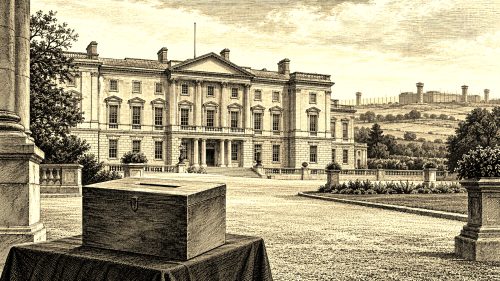
Eighth Amendment
Archived: 26 September 2026
In 1983, Ireland confronted constitutional, political and security questions that would echo for decades. Voters approved the Eighth Amendment, inserting constitutional protection for the unborn. Garret FitzGerald’s coalition launched the New Ireland Forum, while Gerry Adams won West Belfast at Westminster. In Northern Ireland, thirty-eight IRA prisoners escaped from the Maze Prison, intensifying debate over security. The kidnapping of supermarket executive Don Tidey ended with two members of the security forces killed during his rescue. Economic recession, unemployment and emigration remained severe. Together, these events made 1983 a year of constitutional change, political realignment, conflict and social strain across Ireland.
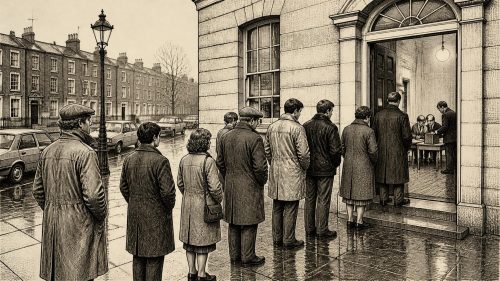
Political Instability
Archived: 26 September 2026
In 1982, Ireland endured two general elections, the collapse of governments and changes between Charles Haughey and Garret FitzGerald amid recession, unemployment, borrowing and tax protests. Haughey’s precarious minority relied on Tony Gregory’s inner-city development agreement before losing confidence; the MacArthur affair and telephone-tapping allegations further damaged public trust. Northern Ireland elected a Stormont Assembly, but nationalist boycotts limited its legitimacy as violence continued, including fatal bombings in London and Ballykelly. Social change included abolition of school corporal punishment and Dublin’s first crematorium. Constitutional debate on abortion intensified, while cultural, neutrality and Falklands issues underscored unresolved political divisions across Ireland.

Bobby Sands
Archived: 8 October 2026
In 1981, Ireland faced economic hardship, political change and the Northern conflict. Fianna Fáil lost its Dáil majority in June, enabling Garret FitzGerald’s Fine Gael-Labour minority coalition to replace Charles Haughey. The Maze hunger strike dominated events: Bobby Sands won a Westminster by-election before dying, while ten republican prisoners died; Kieran Doherty and Patrick Agnew were elected to the Dáil. Violence and Dublin protests accompanied the crisis, although Anglo-Irish talks resumed. A census recorded 3,443,405 residents. February’s Stardust fire killed 48 people, devastating north Dublin. Dublin also hosted Eurovision, illustrating an outward-looking cultural life amid grief, insecurity and political division.
Hunger Strike
Archived: 8 October 2026
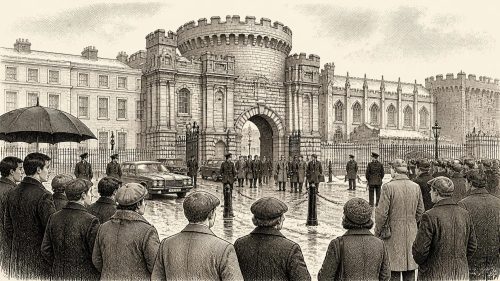
Ireland in 1980 faced inflation, unemployment, heavy borrowing and industrial closures, while Haughey’s government pursued fiscal restraint and national wage agreements. Northern Ireland remained politically deadlocked and violent, as constitutional proposals failed to reconcile unionist and nationalist demands. The central event was the fifty-three-day Maze hunger strike, begun by republican prisoners seeking recognition through five prison demands. It ended without deaths or settlement, leaving conflict unresolved. Dublin and London maintained dialogue through Haughey-Thatcher meetings and the Dublin Castle summit. Restrictive family-planning provisions commenced, and NIHE Dublin opened. Strumpet City, Johnny Logan’s Eurovision victory, and Gaelic games successes provided cultural landmarks.
Whiddy Explosion
Archived: 8 October 2026
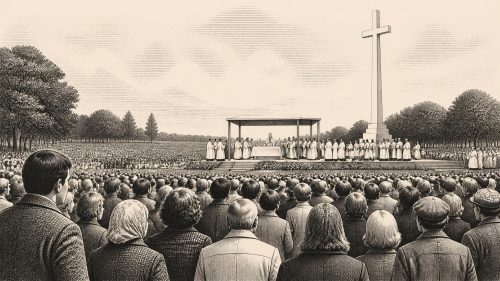
In 1979, Ireland confronted industrial disaster, political change, social reform, European integration and Troubles violence. The Betelgeuse explosion at Whiddy Island killed fifty people, exposing risks associated with oil trade. Ireland joined the European Monetary System, elected its first directly elected MEPs and hosted the European Council. Jack Lynch resigned, succeeded by Charles Haughey, whose cabinet included Máire Geoghegan-Quinn. Legislation established Údarás na Gaeltachta and cautiously legalised family planning. IRA attacks killed Lord Mountbatten and eighteen soldiers at Warrenpoint. Pope John Paul II’s visit, altered by security concerns, included an appeal for peace, encapsulating a modernising, divided and unsettled Ireland.

European Integration
Archived: 8 October 2026
In 1978, Jack Lynch’s Fianna Fáil government pursued expansionary policies, abolishing domestic rates while increasing borrowing amid unemployment and inflation. Its dismissal of Garda Commissioner Edmund Garvey was ruled invalid, raising concerns about policing and due process. Ireland chose to join the European Monetary System, loosening its automatic link with sterling. Northern Ireland endured violence, including the La Mon bombing, while the Maze dirty protest intensified and Ireland won a human-rights case against Britain. RTÉ 2 began broadcasting, John Treacy won the World Cross Country Championship, and Munster’s 12–0 victory over the All Blacks provided a lasting symbol of confidence.
Lynch Landslide
Archived: 8 October 2026
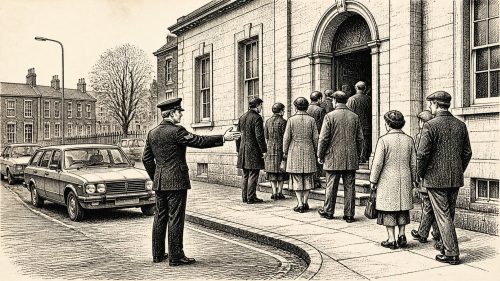
In 1977, Fianna Fáil won a record general-election landslide, giving Jack Lynch a nine-seat Dáil majority after campaigning on tax relief, rates abolition and jobs amid inflation and unemployment. Employment equality and youth-work laws strengthened workplace protections. Northern Ireland, under direct rule, remained marked by violence, prison protest and communal division. Ian Paisley’s loyalist-backed May strike, seeking tougher security and majority-rule devolution, failed despite recalling 1974. British authorities maintained services and opposed intimidation. International attention included Jimmy Carter’s policy statement, Lynch’s talks with James Callaghan, and the Nobel Peace Prize for Betty Williams and Mairead Corrigan. Sport remained culturally significant.
Presidential Resignation
Archived: 8 October 2026
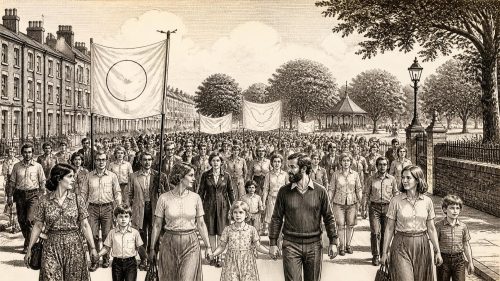
In 1976, Ireland endured intensified Troubles violence, including the Kingsmill massacre, the assassination of British Ambassador Christopher Ewart-Biggs, and continued direct rule in Northern Ireland. The Republic strengthened cross-border criminal co-operation and declared a constitutional emergency, prompting President Cearbhall Ó Dálaigh’s referral of emergency legislation, ministerial insult and resignation; Patrick Hillery succeeded him. Deaths of the Maguire children inspired the Peace People’s mass cross-community marches. Economic recession brought inflation and unemployment, alongside inheritance-tax and family-home reforms. An exceptional drought preceded wildlife legislation. Cultural life included U2’s formation and Maeve Binchy’s play, illustrating resilience amid political, social and environmental nationwide strain.
Some records do not yet have a verified historical year and are awaiting chronological placement.