War

Explore articles and images connected with War. These results bring together relevant people, places, events and experiences preserved throughout Limerick Archives.

Showing results 1–10 of 34


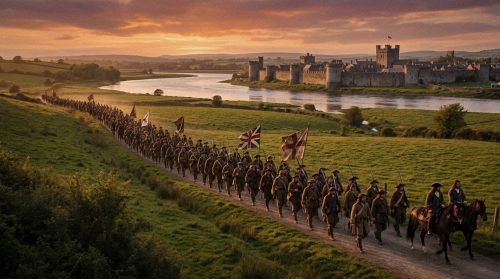
Shannon Retreat

Limerick became one of the principal centres of Jacobite resistance after William III’s victory at the Boyne on 1 July 1690 forced the Irish army to abandon the eastern approaches to Dublin. James II departed for France, but most of his surviving soldiers remained under arms and withdrew westwards towards the River Shannon. Some gathered around Athlone, which guarded an important crossing into Connacht, while the larger concentration developed around Limerick. The city’s walls, river position and access to the western counties offered the Jacobites a defensible base from which the war might continue despite the loss of Dublin.
Read Article

Commons Uproar

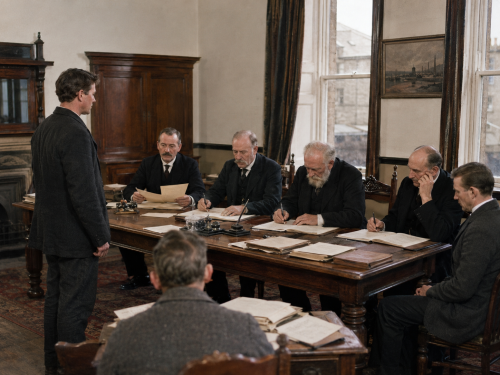
The House of Commons descended into uproar on 2 February 1900 after Colonel Edward Saunderson invoked remarks attributed to John Daly, the Mayor of Limerick, during a fierce attack upon Irish Nationalists. Speaking in a debate on the Government’s conduct of the South African War, the North Armagh Unionist argued that a ministry dependent upon Nationalist votes could not be trusted to prosecute the conflict. Limerick’s political voice therefore entered Westminster at a moment of imperial crisis, exposing the gulf between Irish opposition to the war and Unionist demands for victory and loyalty to the Crown.
Read Article
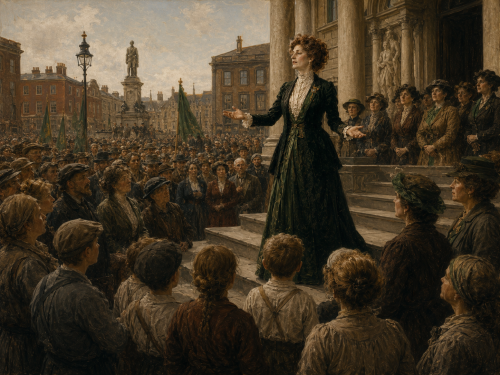
Nationalist Defiance

Maud Gonne and other advanced nationalists have organised determined opposition to Queen Victoria’s visit, rejecting official claims that the royal ceremonies represent the will of the Irish people. Gonne’s article “The Famine Queen,” published immediately before the monarch’s arrival, condemns the visit as an imperial and military demonstration conducted during the South African War. Her supporters have challenged loyal addresses, public decorations and attempts to present cheering crowds as evidence of national contentment. In Limerick, where nationalist opinion is strong, the campaign will attract attention among readers who regard Home Rule as insufficient and seek complete Irish independence.
Read Article
Royal Farewell

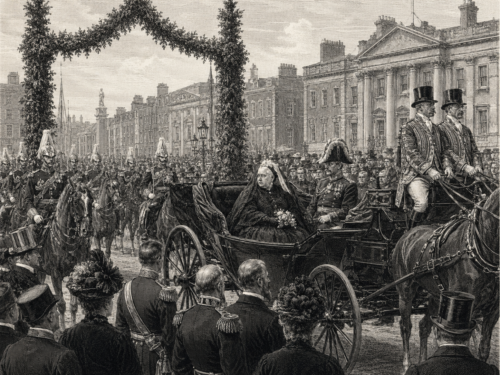
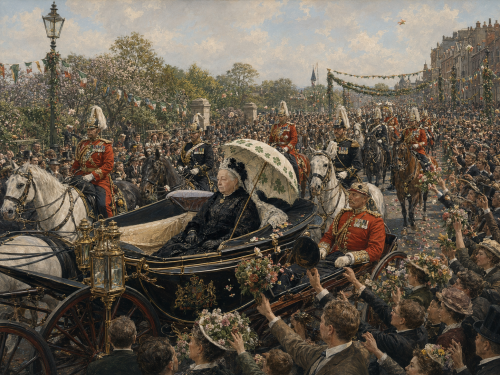
Queen Victoria arrived at Kingstown today for what would prove to be her final visit to Ireland, beginning a three-week residence centred largely upon Dublin and the Vice-Regal Lodge in Phoenix Park. Although the royal party will not travel to Limerick, accounts of the landing, the ceremonial procession and the extensive public decorations are already attracting attention throughout the city and county. Unionist residents may regard the visit as an affirmation of loyalty to the Crown, while nationalists are likely to judge it against continuing demands for Home Rule, land reform and recognition of Ireland’s political grievances.
Read Article
Garrison Announced

A new military garrison was announced for Limerick on 2 January 1900, although the arrangement proved provisional. Contemporary reports stated that the 3rd Battalion, Oxfordshire Light Infantry, formerly the Royal Bucks Militia, would be embodied at High Wycombe and sent to Limerick for garrison duty during the South African War. The announcement also noted that the home details left behind by the regiment’s 1st Battalion, which had departed Aldershot for active service, had already reached the city. Within days, however, the proposed destination was altered, and the militia battalion was directed to Buttevant rather than Limerick.
Read Article
New Nationalism

Pro-Boer feeling is giving renewed confidence to younger Irish nationalists who have grown dissatisfied with the pursuit of Home Rule solely through the British Parliament. In Limerick, admiration for the resistance of the Transvaal and Orange Free State has entered political meetings, newspaper discussions and conversations among cultural revivalists. Many continue to support the reunited Irish Parliamentary Party, yet others ask whether speeches and negotiated concessions can secure genuine national freedom. To these younger activists, the Boer struggle appears to show that a small nation must cultivate its own institutions, resources and determination rather than depend upon imperial goodwill.
Read Article
Irish Commandos

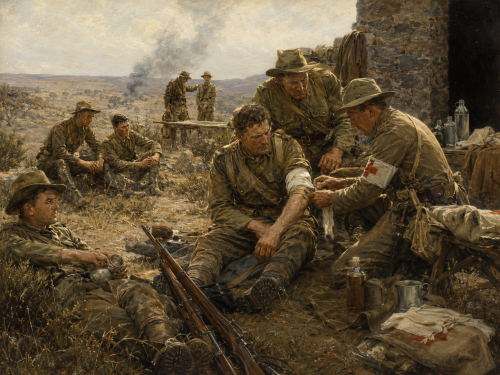
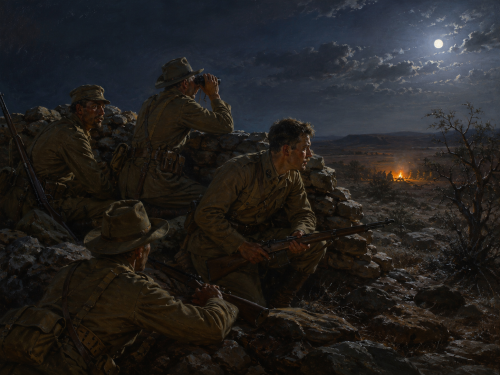
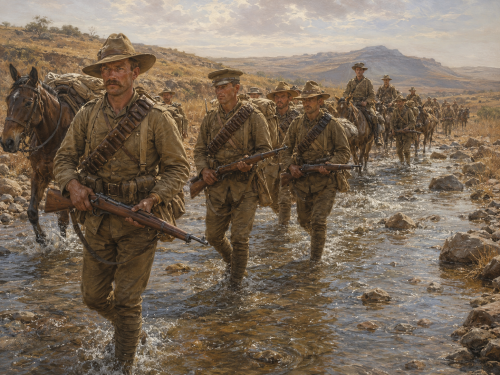
Irish volunteers are continuing to fight beside the Boer commandos in South Africa, creating a remarkable contrast with the thousands of their countrymen serving in British uniform. Reports of the Irish Transvaal Brigade have attracted considerable interest among Limerick nationalists, who regard its members as practical supporters of a small nation resisting imperial conquest. Others question the wisdom of Irishmen taking arms against British forces containing regiments recruited heavily throughout Munster. The conflict has therefore placed Irish soldiers on opposing sides of the same war, each claiming that duty, loyalty or national principle justifies his presence on the battlefield.
Read Article

Hidden Discontent

Advanced nationalists have rejected claims that Queen Victoria’s public reception demonstrates widespread Irish loyalty, arguing that the decorations and official ceremonies conceal deep political discontent. Dublin’s principal streets have been covered with garlands, ceremonial arches and symbols of imperial authority, while military escorts, civic addresses and organised celebrations have presented an image of national harmony. Separatist critics insist that this display was created by government departments, loyal institutions and commercial interests rather than by an Ireland content with British rule. In Limerick, their argument will appeal to nationalists who see Home Rule delayed, poverty unresolved and political authority retained at Westminster.
Read Article
Reservist Released

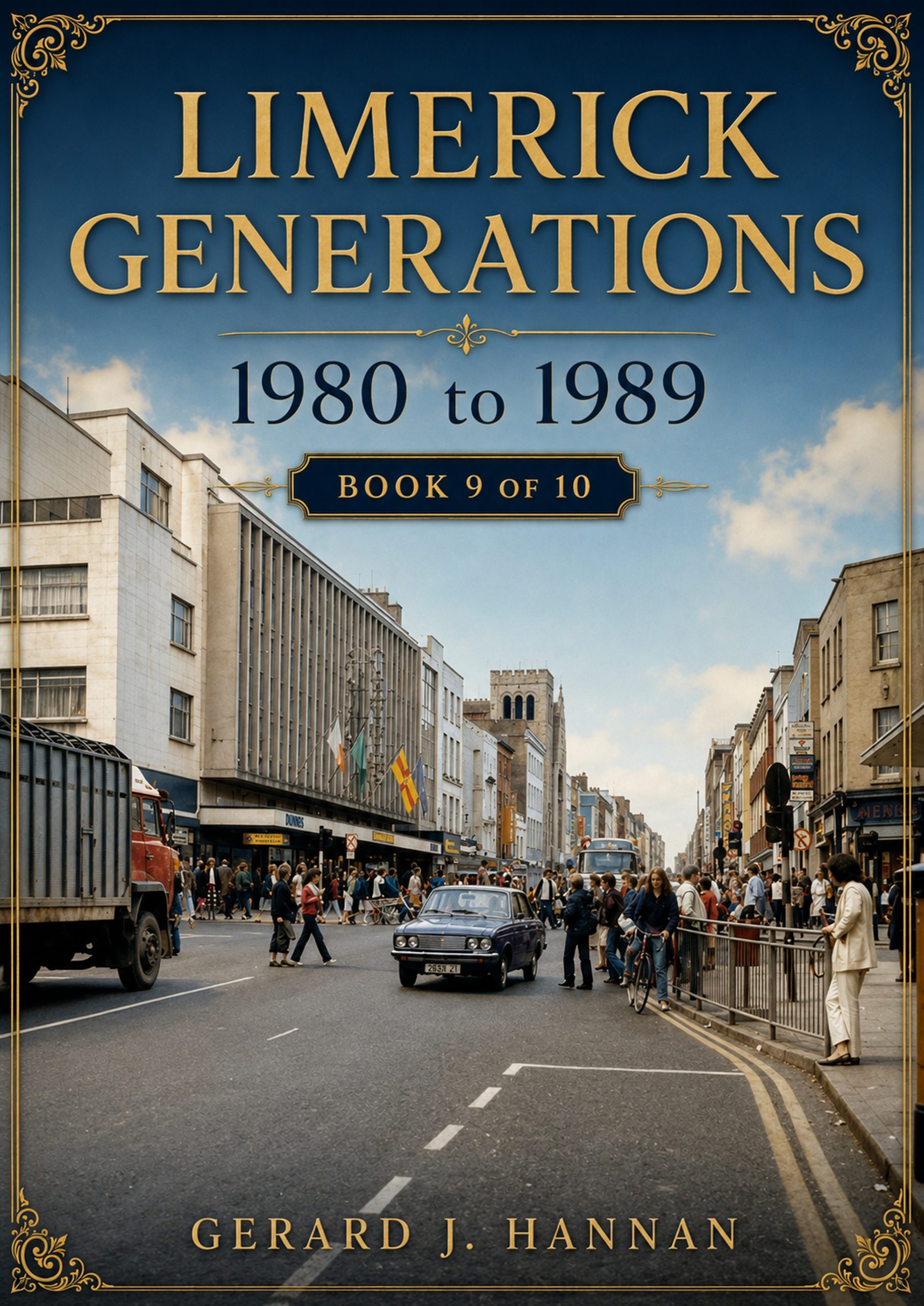
The Limerick Board of Guardians granted six months’ leave without salary to James Ryan, an employee who had been summoned to rejoin the colours during the South African War. The decision, reported on 25 January 1900, allowed Ryan to answer his military obligation without immediately forfeiting his position under the Board. Guardians also agreed that a temporary worker should be appointed during his absence, ensuring that the institution’s daily duties continued without interruption. The arrangement balanced the demands of wartime mobilisation with the Board’s responsibility towards a member of staff called away from civilian employment.
Read Article
Divided Loyalties

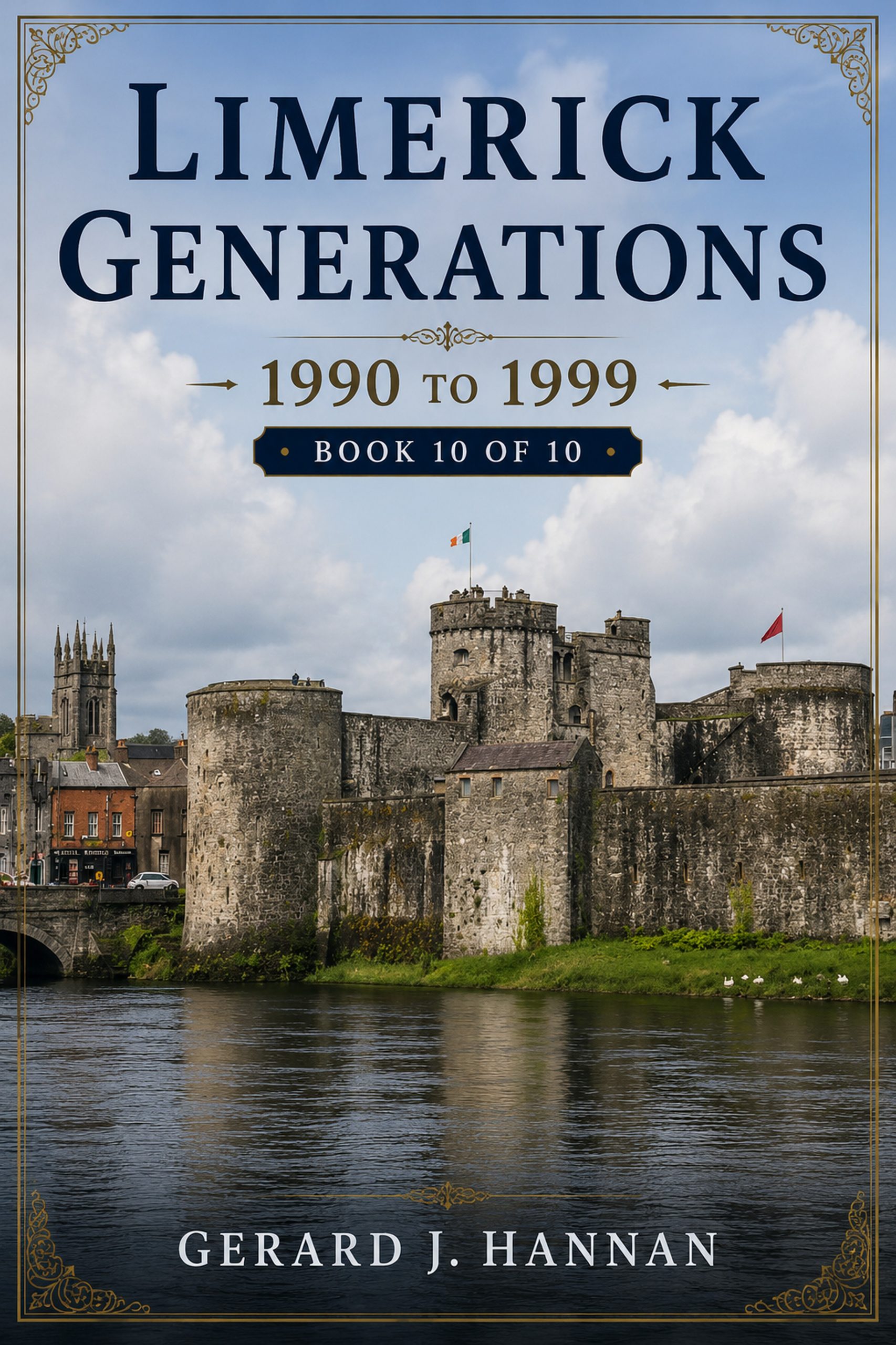
Irish soldiers continue to fight with British forces in South Africa while nationalist opposition to the war grows increasingly vocal at home. The conflict has produced divided feelings across Limerick city and county, where military service has long provided wages, regular employment and support for working-class families. Some residents regard the soldiers as courageous representatives of Ireland within the Empire, while others condemn the campaign against the Boer republics as an act of imperial aggression. Many households occupy a more painful position, opposing British policy while anxiously awaiting news from relatives serving in distant regiments under British command.
Read Article

Gerard J. Hannan

Books By Gerard J. Hannan

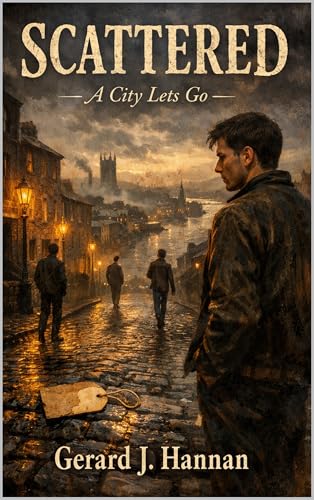
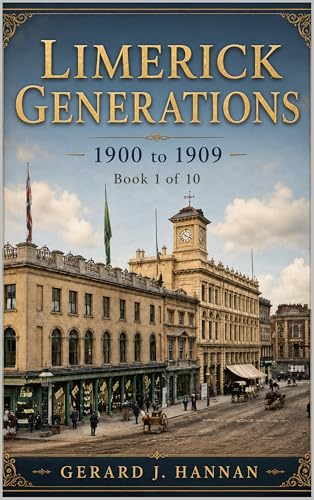
Explore Gerard J. Hannan’s published and forthcoming books, spanning historical fiction, Limerick humour, family sagas and detailed studies of local and modern Irish history. Each title offers a distinctive story, subject or perspective, reflecting his interest in people, memory, identity, conflict and social change. From comic observations rooted in Limerick life to ambitious novels shaped by major historical events, the collection presents a varied and expanding body of work. Every book is accompanied by its cover, full description and publication details, with a direct Amazon link included wherever an edition is currently available for readers to purchase or discover more.

View All Books