Archived: 29 October 2026
Abstract
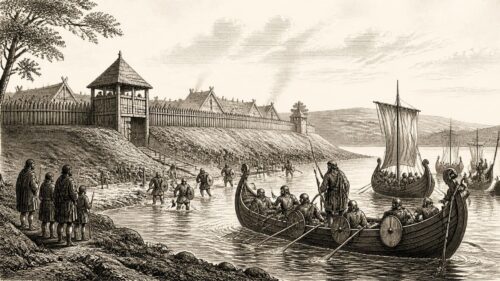
In 851, rival Viking groups contested Ireland’s eastern seaways. The Dubgenti attacked Dublin’s Finngenti, killing many and plundering their longphort, but suffered heavy losses when attacking the defended base at Linn Duachaill near Annagassan. These events reveal competition for ships, wealth, captives and strategic ports rather than a unified Viking campaign. Meanwhile, Máel Sechnaill mac Máele Ruanaid, king of Tara, convened rulers and churchmen at Armagh, strengthening northern alliances and authority. He also helped kill Cináed of Cianachta, a rebellious regional rival, despite guarantees. Foreign violence killed Eochu of Fir Rois. The year illustrates contested military, political and ecclesiastical power.
Read Article
Archived: 29 October 2026
Abstract
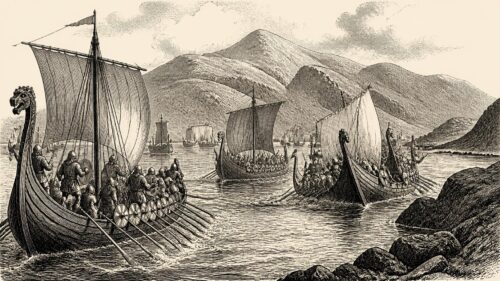
In 852, rival Viking fleets fought for three days at Snám Aignech, probably Carlingford Lough. Annals disagree over leaders, numbers and victors, but confirm a major struggle between competing overseas groups. Raiders from Linn Duachaill devastated Armagh, Ireland’s foremost Patrician church, while later tradition describes some local collaboration. That year also saw deaths of Armagh’s rival coarbs, Forannán and Diarmait, complicating recovery. Elsewhere, Cianachta defeated foreigners in eastern Brega. The evidence depicts contested coastal waters, vulnerable yet resilient ecclesiastical centres, local resistance, and fragmented Irish politics under Máel Sechnaill across a predominantly rural society, rather than outright conquest or collapse.
Read Article
Archived: 29 October 2026
Abstract
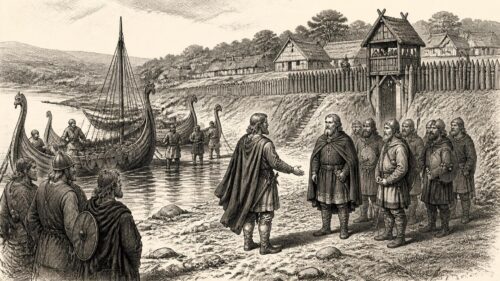
In 853, Amlaíb, son of the king of Laithlind, arrived in Ireland, where Scandinavian groups submitted to him and tribute was extracted from Irish communities. Although often linked with Norway, Laithlind’s location remains uncertain, and the annals do not establish a unified foreign conquest. The year also saw Norsemen kill Cathmal, co-king of Ulaid; Echtigern of south Leinster murdered in an internal struggle; and Áilgenán, king of Cashel, die. Local Munster successions and deaths of prominent clerics reflected Ireland’s multiple political and ecclesiastical centres. Annalistic dating varies, while evidence chiefly records elites, violence and exceptional events, leaving ordinary life obscure.
Read Article
Archived: 29 October 2026
Abstract
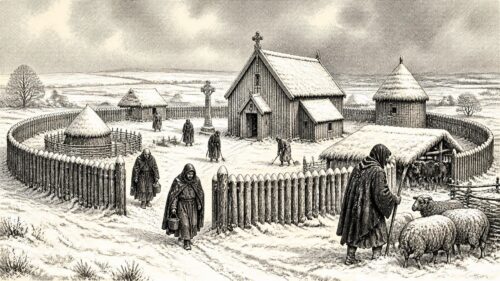
In 854, Irish annals recorded the death of Cathan, abbess of Kildare, highlighting the influence of major ecclesiastical communities and female leadership. Exceptional snow fell on 23 April, probably disrupting travel, livestock care and spring farming, though no famine was reported. Áed son of Niall raided Ulaid, killing prominent opponents and many others, while Fínnechta was treacherously killed and Muiredach of Ard Cianachta died. Abbots at Monasterboice, Achad Bó and Inis Cáín Dega were also commemorated, including one who drowned. These local events reveal an Ireland shaped by regional conflict, church continuity, hazardous travel and unusual weather, amid Scandinavian influence.
Read Article
Archived: 29 October 2026
Abstract
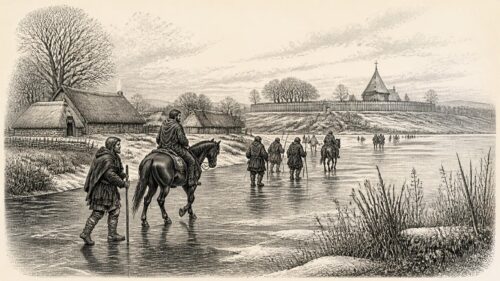
In 855, Ireland experienced an exceptional freeze: from late November to early January, lakes and rivers supported pedestrians and horses, disrupting transport, food supplies and rural life while opening unusual routes. A later annal links the frost to a deadly raid at Loch Cenn. Máel Sechnaill mac Máele Ruanaid took hostages at Cashel, asserting overlordship amid Munster’s divisions. He fought heathen forces with Norse-Irish allies, illustrating intertwined Irish and Scandinavian politics. Norsemen burned Lusca’s oratory, while Áed son of Niall routed Norse-Irish in the north. Death notices for Lismore and Lathrach Briúin clerics underline churches’ intellectual, economic and political roles.
Read Article
Archived: 29 October 2026
Abstract
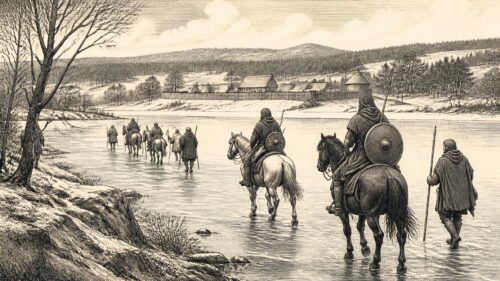
In 856, Ireland experienced severe frost, political coercion and dispersed conflict. Frozen lakes and rivers altered travel across the island. Máel Sechnaill mac Máele Ruanaid visited Cashel and took Munster hostages, demonstrating temporary dominance rather than permanent conquest. He also fought heathen forces with Gall-Goídil allies, reflecting fluid Irish Sea loyalties. Áed son of Niall routed Norse-Irish troops at Glenn Foichle. Norse violence struck ecclesiastical centres, including Lusk’s oratory and Slane’s bishop Sodomna, while Lismore and other churches recorded clerical deaths. Horm, a Scandinavian leader, was killed in Wales, underscoring the wider maritime political world. Annalistic dating remains chronologically uncertain.
Read Article
Archived: 29 October 2026
Abstract
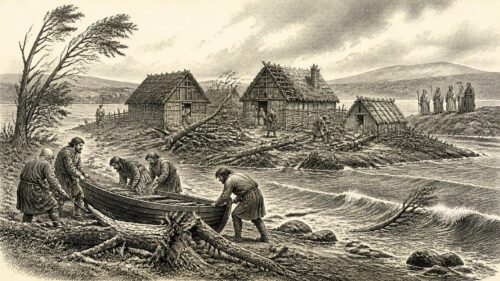
In 857, Ímar and Amlaíb routed Caitil Find and his Gall-Gaídil in Munster, demonstrating competition among Scandinavian-Gaelic forces rather than a simple Irish-Viking conflict. The annals provide no location, casualties or outcome for Caitil. The Annals of Inisfallen also record Búitíne’s fleet arriving in Ireland, without explaining its purpose. Matudán, king of Ulaid, died, possibly after entering clerical life, while Maengal of Fore and Siadal of Dísert Ciaráin also died. At Tailtiu, three people were killed by lightning, and a severe windstorm damaged trees and lake islands. These notices depict Ireland connected through maritime movement, regional power and monastic networks.
Read Article
Archived: 29 October 2026
Abstract
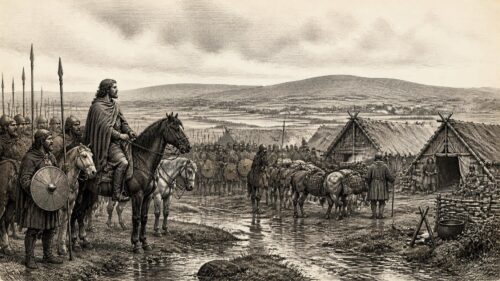
In 858 Máel Sechnaill mac Máel Ruanaid, king of Tara, led a large coalition into Osraige and Munster after resistance to his overlordship and complaints about Cerball of Osraige’s tribute-taking. His forces penetrated Munster, defeated its interests at the unlocated Carn Lugdach, killed Déisi king Máel Cróin, and extracted hostages across the province. Cerball nevertheless raided Leinster and, allied with Scandinavian ruler Ímar, defeated opponents in Ara Tíre. Ecclesiastical and regional royal deaths reflected fragmented authority, while notices of Pictish and West Saxon kings reveal wider connections. A wet autumn damaged crops, compounding disruption from armies, raiding, requisitions and hostage-taking.
Read Article
Archived: 29 October 2026
Abstract
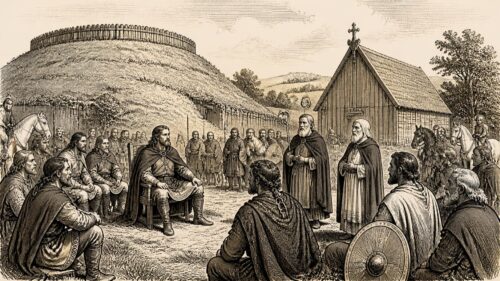
In 859, Máel Sechnaill mac Máele Ruanaid, king of Tara, faced an invasion of Mide by Osraige's Cerball mac Dúnlainge allied with Scandinavian leaders Amlaíb and Ímar. A royal assembly at Ráith Áeda Meic Bric, probably Rahugh, negotiated peace under ecclesiastical witness. Cerball accepted dues to Patrick's community, and Osraige was reoriented from Munster towards Leth Cuinn, strengthening Máel Sechnaill while preserving Cerball's rule. Munster's king, Máel Gualae, guaranteed the settlement but was later killed by Scandinavians. Conflicting annalistic chronologies and narratives complicate details. The settlement demonstrated church-backed negotiation amid shifting Irish-Scandinavian alliances, yet failed to end warfare and instability.
Read Article
Archived: 28 October 2026
Abstract
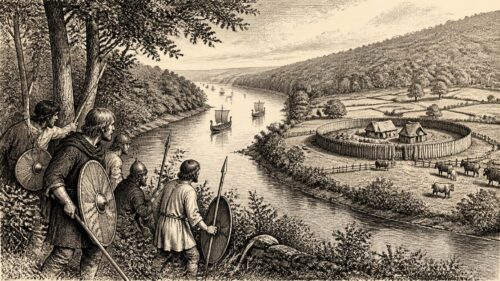
In 860, Irish politics were shaped by warfare, alliance and contested authority. Cerball mac Dúnlainge of Osraige defeated raiders associated with Port Láirge at Achad mic Erclaige, probably Agha near Kilkenny, protecting inland routes and royal prestige. Máel Sechnaill mac Máele Ruanaid assembled a broad coalition for a northern campaign against Áed Findliath, but failed to secure lasting supremacy. Annalistic accounts, especially the Fragmentary Annals, combine historical evidence with pro-Cerball literary embellishment. Armagh’s church leadership mediated oaths and legitimised power, while Scandinavian groups remained political actors. Notices of deaths among rulers and scholars reveal interconnected secular, ecclesiastical and local communities.
Read Article
