
Archived: 19 October 2026
Abstract
During 1501, Ireland’s political life remained intensely regional despite Gerald FitzGerald, eighth earl of Kildare, serving as lord deputy. In Oriel, rival Mac Mahon branches fought, displacing opponents and causing significant deaths, while Maguire forces suffered heavily at Slieve Beagh. Rival O’Conor kinsmen captured Sligo castle by ladders, killing leading combatants. Churchman John Maguire and poet Donnell O’Higgin were commemorated for learning and hospitality. Edmund Burke was seized returning from pilgrimage to Spain and held for ransom. Finally, Turlough O’Brien of Thomond burned parts of Limerick and the Maigue plain, demonstrating warfare’s continuing economic and human impact throughout the island.
Read Article
Archived: 19 October 2026
Abstract
In 1502, Ireland was shaped by local lordship, dynastic violence, religious reform and environmental hardship. Raids and feuds across East Breifne, Fermanagh, Monaghan and Ulster killed warriors, professionals and kin, while alliances enabled armed retinues to cross boundaries. John O’Reilly secured Cavan’s Franciscan monastery for the Strict Observance through Rome, demonstrating both reforming connections and secular authority. Church offices remained contested and hereditary. Severe weather killed cattle and disrupted cultivation throughout Ireland, threatening subsistence and lordly resources. The deaths of poet Domnall Ó hUiginn and learned figures show scholarly networks. Munster experienced change, while English administration remained limited around Dublin.
Read Article

Archived: 19 October 2026
Abstract
Ireland in 1503 was shaped by overlapping lordships, kin groups, towns and church jurisdictions rather than a national government. The death of Seán Mag Uidhir, lord of Fermanagh, at Enniskillen on 26 March provides the year’s most precisely dated event. Annalistic accounts also record Kildare’s northern campaign, conflict among O’Neill and O’Donnell rulers, warfare in Connacht and important deaths elsewhere. Castles, marriages, fosterage, military followings and control of routes underpinned political authority. The evidence reveals a landscape of regional bargaining and rivalry, where changing leadership could disturb alliances and alter relations between Gaelic rulers and the English crown’s limited administration.
Read Article
Archived: 19 October 2026
Abstract
In 1504, Gerald FitzGerald, eighth earl of Kildare and king’s deputy, led a broad Gaelic and settler-descended coalition against Uilleag Fionn Burke of Clanricard and Turlough Donn O’Brien. The conflict arose from Burke’s attacks on O’Kelly territory and seizure of Galway, but reflected wider struggles for Connacht. At Knockdoe near Galway on 19 August, Kildare’s army won a devastating battle, with annals reporting nine gallowglass battalions almost destroyed. Burke surrendered hostages, restoring Kildare’s influence without securing lasting royal control. The year’s annals also commemorate clerics, scholars, physicians and patrons, revealing religious, learned and hospitable networks alongside warfare across medieval Ireland.
Read Article
Archived: 19 October 2026
Abstract
In 1505, Aodh Ruadh Ó Domhnaill died at Donegal after forty-four years as lord of Tír Chonaill and was buried in its Franciscan friary. His son, Aodh Dubh, secured succession through a campaign in Tír Eógain, taking Castlederg, before inauguration at Kilmacrenan. Feuds killed military and local leaders, while drowning claimed travellers on Finn Lough. Persistent rain ruined crops, particularly in Fermanagh, and plague affected Anglo-Irish nobles. Churchmen experienced both institutional continuity and violence. Meanwhile, Gerald FitzGerald received the Garter and Piers Butler became seneschal of Tipperary, illustrating Ireland’s plural, alliance-based political order during a year of contested regional authority.
Read Article
Archived: 19 October 2026
Abstract
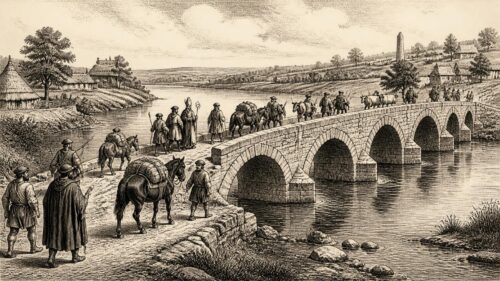
In 1506 Turlough O’Brien, his brother Donnell and the bishops of Killaloe and Kilfenora built a bridge at Port Croise across the Shannon, demonstrating Thomond’s resources, ecclesiastical partnerships and strategic influence near Limerick. Meanwhile, Gerald FitzGerald’s lord-deputyship remained powerful but limited, as Henry VII contemplated an unrealised expedition. Dublin civic authorities defended Dominican hay against Kilmainham’s prior. Northern Ireland saw cattle raids, succession struggles, killings and Scottish mercenary involvement, devastating communities. Annals also record church officials, merchants, nobles and scholar Páidín Ó Maol Chonaire alongside lightning damage at Trim. Together these events reveal medieval Ireland’s regional, interconnected and contested order.
Read Article
Archived: 19 October 2026
Abstract
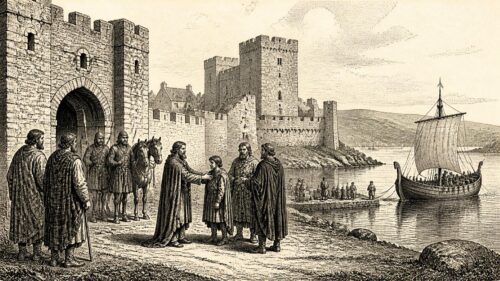
In 1507, Ireland comprised overlapping systems of royal lordship, Gaelic dynasties, churches, learned families and corporate towns. The Annals of Ulster, strongest for the north, records Henry Ó Néill’s death, an Ó Domhnaill attack on Dungannon, and conflict at Carrickfergus, where Niall Ó Néill was captured, released after sixteen hostages were demanded, then seized the castle and mayor. Clogher monastery and Achadh Beithe church burned, while clerics, a brehon and several poets died. Kildare exercised limited deputy authority, and Galway maintained civic government. These events reveal power secured through kinship, pledges, warfare, learning, patronage and institutional resilience across the island.
Read Article
Archived: 19 October 2026
Abstract
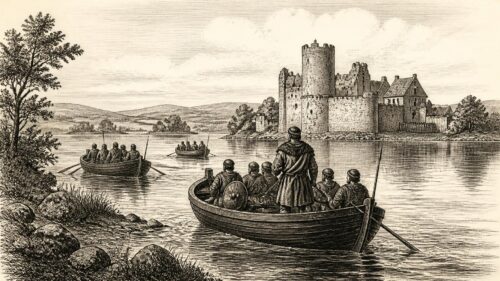
In 1508 Aodh Óg Ó Domhnaill transformed power in Fermanagh by travelling across Lough Erne, capturing Enniskillen castle from Ruaidhrí Mag Uidhir, installing a rival Maguire and taking hostages. His expeditions also reached Lower Connacht, illustrating negotiated, military lordship. Elsewhere, feuds produced killings, raids, castle destruction, exile and attacks around churches, including a St Patrick’s Day defence at Domhnach Mhaighe Dá Chlaoine. Eoghan Ó Ruairc and Margaret O’Brien began the Franciscan friary at Creevelea, demonstrating aristocratic patronage. Annals also record clerical deaths, hospitality and learning. In the Pale, parliament authorised taxation, revealing overlapping Gaelic and English political systems within Ireland.
Read Article
Archived: 19 October 2026
Abstract
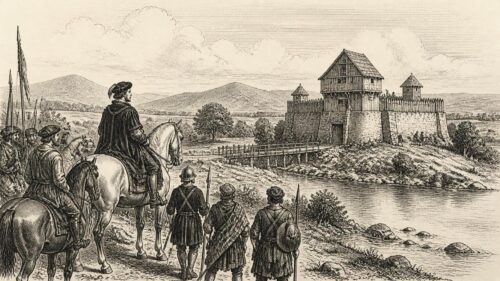
Henry VIII’s accession in 1509 prompted Ireland’s council to retain Gerald FitzGerald, eighth earl of Kildare, as temporary governor, preserving authority in the Pale. Kildare intervened in a disputed O’Neill conflict in Tyrone, campaigning with regional allies, capturing Omagh castle, taking prisoners and demolishing the fortress. Domhnall O’Neill died, and Art O’Neill was inaugurated, illustrating contested Gaelic succession. Uilleag Fionn Burke of Clanricard also died, without ending Burke power. Obituaries for church officers, an erenagh and a learned poet reveal enduring ecclesiastical, hospitable and literary institutions. The year demonstrated that royal change affected Ireland through local alliances, lordships and rivalries.
Read Article
Archived: 19 October 2026
Abstract
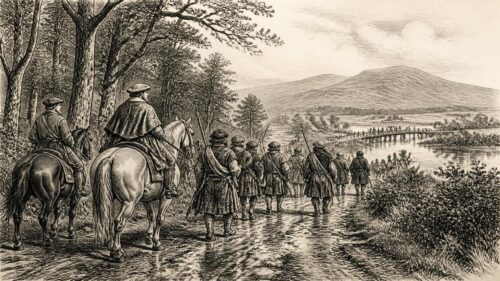
In 1510 Gerald FitzGerald, eighth earl of Kildare and justiciar of Ireland, led a expedition into Munster. His authority combined royal office with estates, personal connections and agreements among powerful lords. The campaign demonstrated that government from Dublin depended upon negotiated alliances as much as commands from Henry VIII. Resistance likewise emerged from a coalition of interests rather than a simple division between Gaelic and English communities. Annalistic evidence places the fighting within a wider landscape of overlapping lordships and shifting loyalties. Monabraher’s broken rearguard illustrates the military risks and political limits confronting the Great Earl’s ambitious exercise of power.
Read Article

