
Archived: 19 October 2026
Abstract
In 1511, Cathair Ó Conchobair Fáilghe, lord of Offaly, was killed near Mainistir-Feorais by rival kinsmen, exposing the instability of Gaelic frontier lordship; his son Brian succeeded. Elsewhere, Manus Ó Domhnaill governed Tír Chonaill during his father’s pilgrimage, negotiated hostages, and resisted Ó Néill incursions marked by burning and plunder. Deaths of learned patrons and regional lords illustrated ties between authority, households and scholarship. Church affairs included Bishop Tomás Mac Brádaigh’s death, competing Bréifne episcopal claims, fire damage at Armagh, and Archbishop Walter FitzSimons’s death in Dublin. The year revealed Ireland as interconnected, contested lordships rather than a unified polity.
Read Article
Archived: 19 October 2026
Abstract
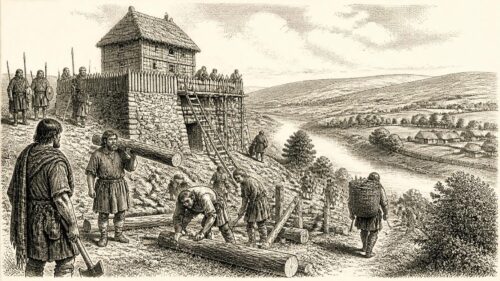
In 1512, Irish power rested on military mobility, castles, hostages, revenue and patronage amid overlapping crown, Gaelic and ecclesiastical jurisdictions. Returning from pilgrimage, Aodh Dubh O’Donnell raised hired troops, defeated Edmund Burke’s forces, destroyed Esker castle, secured hostages, and compelled Art O’Neill to terms before rebuilding Omagh castle, asserting authority in Tyrone. Meanwhile, Gerald FitzGerald, earl of Kildare and justiciar, campaigned through Connacht and Ulster, capturing and demolishing strongholds including Belfast. Annals also record church patronage, learned households, deaths and Dublin appointments, demonstrating that warfare, negotiation, religion and administration jointly reshaped Ireland’s unsettled political landscape during this exceptionally documented year.
Read Article

Archived: 19 October 2026
Abstract
In 1513, Ireland experienced interconnected struggles over lordship, succession and regional power. Gearóid Mór FitzGerald’s death weakened his extensive political system, although his son Gerald succeeded as earl and deputy governor. In Tír Eógain, Art Óg O’Neill secured inauguration with local and Kildare support amid contested succession. Aodh Dubh O’Donnell besieged Sligo, influenced control of Dunluce and visited James IV of Scotland before Flodden ended Scottish royal intervention. Raiding, burning and maritime violence affected coastal and rural communities. Meanwhile, Franciscan scholarship, ecclesiastical deaths and aristocratic patronage demonstrated enduring religious, learned and charitable networks across a politically fragmented yet connected Ireland.
Read Article

Archived: 19 October 2026
Abstract
Ireland in 1514 remained a landscape of competing lordships and negotiated authority. Gerald FitzGerald, ninth earl of Kildare and the king’s deputy, sought to demonstrate that he had inherited his father’s influence. Campaigns recorded in Laois, Breifne, Munster and Ulster reveal the importance of castles, armed followings, hostages and compensation. Rival rulers could resist, bargain and rebuild their position despite destructive expeditions. A contemporary churchman described abundant food alongside insecurity on land and sea. Cavan Castle’s destruction belongs within this wider pattern of contested government, where royal office offered prestige but power still depended upon local alliances and military resources.
Read Article
Archived: 18 October 2026
Abstract
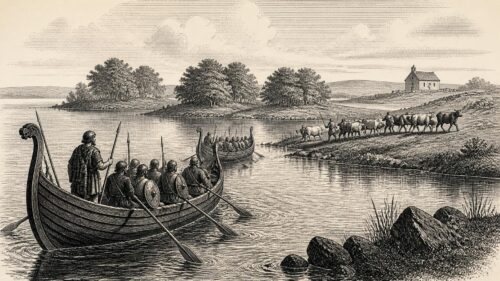
Annals for 1515 depict a politically fragmented Ireland shaped by cattle raiding, dynastic rivalry, fortified lordships and ecclesiastical life. Aodh Dubh Ó Domhnaill raided MacDermot territory, suffered a wound, and attacked Maguire lands by fleet on Lough Erne; Art Óg Ó Néill exploited his weakness in Clandeboye and campaigned in Oriel. On 25 November, Domnall Ó Domhnaill, tánaiste of Tír Chonaill, was fatally wounded by a kinsman, intensifying succession tensions. Desmond relatives contested castles in Munster, while bishops and clerics died or faced violence. Kildare retained royal favour, whereas Ormond’s death without a male heir sharpened future political rivalry thereafter.
Read Article
Archived: 18 October 2026
Abstract
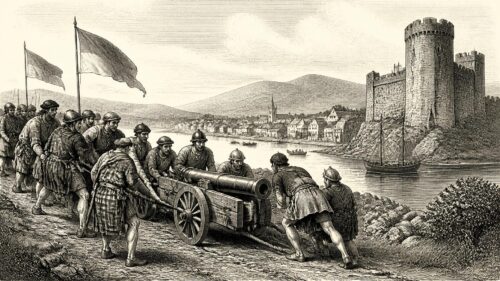
In 1516, Ireland was governed through overlapping royal, Gaelic and urban powers. As Henry VIII’s deputy, Kildare led a coalition that captured Leap Castle, secured hostages and imposed authority in the midlands. In the north-west, Manus O’Donnell obtained French-linked artillery after a pilgrim’s visit to Lough Derg, used it to take Sligo Castle, and later negotiated peace with O’Neill under Dublin’s mediation. Kildare’s Dublin parliament addressed markets, ports, taxation and defence. Religious life, travel and scholarship remained vital: friars drowned on Lough Erne, the Book of Fenagh was completed, and Desmond’s Gaelic lord died amid continuing regional warfare and connections.
Read Article
Archived: 18 October 2026
Abstract
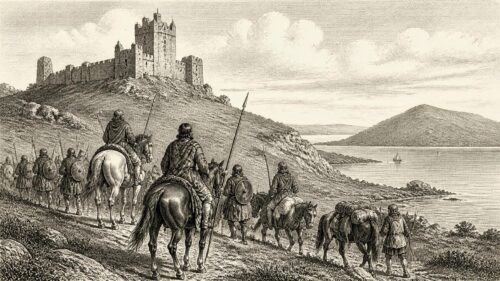
In 1517 Gerald FitzGerald, ninth earl of Kildare and lord deputy, demonstrated both the reach and limitations of Tudor authority in Ireland. After convening a Dublin parliament, he campaigned in Ulster, destroying Dundrum Castle, seizing Félim Magennis’s family and hostages, and burning Dungannon. Yet O’Donnell also raided Tír Eoghain and destroyed Dungannon amid O’Neill succession rivalries, showing regional politics remained autonomous. Elsewhere, inaugurations, killings, cattle raids and castle warfare reshaped local lordships. A severe frost disrupted travel, while a boat from Tory Island vanished at sea. The year reveals a connected but politically fragmented island, rather than unified crown rule.
Read Article
Archived: 18 October 2026
Abstract
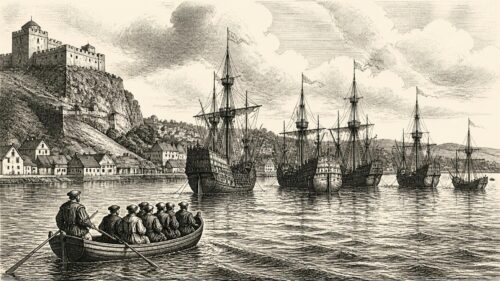
In June 1518, storms diverted Archduke Ferdinand’s Habsburg flotilla to Kinsale, where the fifteen-year-old brother of Charles of Habsburg received provisions, formal hospitality and civic discipline before sailing for Flanders. Laurent Vital’s account offers valuable, though prejudiced and linguistically mediated, observations of the port, worship, clothing and relations between townspeople and countryside. Elsewhere, Gerald FitzGerald’s Kildare rental documented lordship, revenues, learning and religious patronage, including Maynooth’s chantry college. Armagh’s Franciscans underwent Observant reform, while annals record northern raids, hostages, succession killings, and the deaths of esteemed clerics and poets, revealing plural, connected Irish societies within wider European and Atlantic networks.
Read Article
Archived: 18 October 2026
Abstract
Ireland’s political landscape in 1519 changed through succession, departures, disease and agricultural hardship. In Ulster, Conn Bacach Ó Néill succeeded his half brother Art Óg as lord of Tír Eógain. Deaths among leading figures elsewhere altered regional balances, while Gerald FitzGerald’s departure for England exposed the uncertainty surrounding Dublin’s administration. Irish annals also record plague in Dublin and an wet summer and harvest associated with sickness and suffering. These accounts place elite political change beside the difficulties experienced by communities. The year reveals how dynastic authority, royal intervention, epidemic disease and weather together shaped an island of overlapping regional powers.
Read Article
Archived: 18 October 2026
Abstract
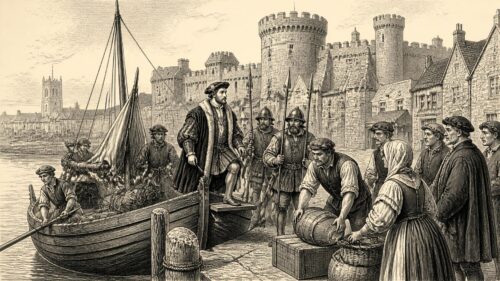
In 1520 Henry VIII appointed Thomas Howard, earl of Surrey, lieutenant of Ireland, replacing the influence of detained earl of Kildare. Landing at Wood Quay with English troops, Surrey repaired Dublin Castle, defended the Pale and pursued negotiated submissions from Gaelic and Anglo-Irish rulers. His campaigns, truces and oaths brought gains, but depended on allies, coercion and shifting interests. Disease disrupted government, while troop concentrations caused shortages and coign and livery burdened communities. Insufficient revenue, poor logistics and warfare restricted policy. Annalistic evidence reveals lordships, succession disputes and learned institutions. Surrey's expedition exposed the limits of crown authority beyond Dublin.
Read Article

