Archived: 26 October 2026
Abstract
In 999, Ireland’s political order was strained as Sitriuc of Dublin and Máel Mórda seized Leinster’s kingship, imprisoning Donnchad mac Domnaill. Raids on Kildare, Leinster and Uí Echach demonstrated warfare’s dependence on cattle, captives and plunder. On Thursday 30 December, Brian mac Cennétig’s coalition, including Máel Sechnaill’s forces, defeated the Dublin–Leinster army at Glenn Máma, killing Dublin nobles and opening the route to the port. Dublin’s sack occurred at the year’s turn, not within 999. Máel Sechnaill’s conversion of the fallen Lia Ailbi into millstones linked authority, memory and subsistence. The year altered power without creating unity or millennium expectations.
Read Article
Archived: 26 October 2026
Abstract
In 1224, Cathal Crobhderg Ua Conchobair’s death at Knockmoy ended a Connacht reign and enabled his son Áed’s swift, but contested, succession. Cathal had combined authority with diplomacy towards Henry III, seeking security for Connacht and recognition of Áed. Meanwhile William Marshal suppressed Hugh de Lacy’s rebellion, retaking Trim Castle through campaigning supported by Anglo-Norman and Gaelic allies. Áed joined these wider struggles, attacking castles and resisting rivals backed by Áed Ua Néill. Church life included Cathal’s Cistercian burial, learned clerics, and the arrival of Dominicans. War, weather and livestock disease disrupted agriculture, exposing dependence on cattle, supplies and alliances.
Read Article
Archived: 26 October 2026
Abstract
In 1225, Connacht was devastated by a succession war after Cathal Crobderg Ó Conchobair’s death. Toirrdelbach, son of Ruaidrí Ó Conchobair, was inaugurated at Carnfree with support from Áed Ó Néill and Connacht allies, but Áed mac Cathail regained power through Anglo-Norman, Thomond and local assistance. Campaigns centred on cattle, territory and hostages, displacing communities and bringing plunder, killings, drowning, hunger and exposure. Alliances repeatedly shifted, while church and secular lands suffered alike. A second rising failed, forcing Ruaidrí’s sons back to Ulster. Fever, disrupted harvests and ploughing compounded destruction, leaving Áed restored but Connacht socially and economically shattered severely.
Read Article
Archived: 26 October 2026
Abstract
In 1226, Connacht remained unstable after Cathal Crobderg Ua Conchobair’s death, as his son Áed faced dynastic rivals, neighbouring lords and changing English policy. Killings, attacks on houses, captivity and local feuds across Connacht, Breifne and Iar-Chonnacht exposed fractured authority. Henry III ordered Geoffrey de Marisco to demand Connacht’s surrender from Áed, advancing Richard de Burgh’s interests despite opposition among colonial magnates. Cathal Ua Raigillig destroyed Cill Mór castle, illustrating the vulnerability of frontier strongholds. Deaths of bishops, nobles and Cong’s learned erenagh also marked the year, while religious houses preserved learning, patronage and dynastic commemoration amid wider ongoing conflict.
Read Article
Archived: 26 October 2026
Abstract
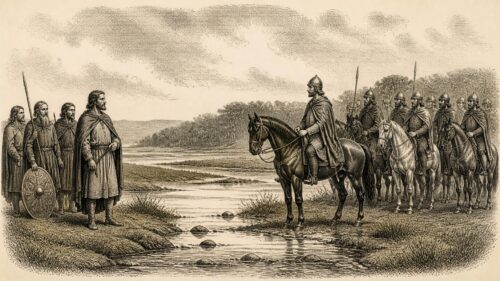
In 1227, Connacht faced intensified pressure from the English lordship, dynastic rivals and regional raiders. Summoned to Dublin, King Áed mac Cathail Chrobdeirg Ó Conchobair escaped an alleged plot through William Marshal’s intervention. He subsequently captured William de Marisco and companions at Lathach Caich, attacked Athlone, and exchanged prisoners for his children, Connacht hostages and a peace. Meanwhile Geoffrey de Marisco and Áed’s rivals took hostages, raided Connacht and constructed castles at Rindoon and Athleague, strengthening Shannon frontier control. Warfare brought cattle theft, captivity and local killings. Famine, cold and sickness compounded insecurity, while crusading observances linked Ireland to Christendom.
Read Article
Archived: 26 October 2026
Abstract
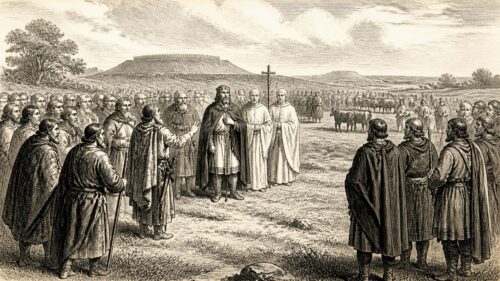
In 1228, Áed Ó Conchobair of Connacht was murdered in Leinster, intensifying dynastic conflict. Richard de Burgh, newly appointed justiciar, helped oversee a Connacht assembly that inaugurated Áed son of Ruaidrí at Carnfree, rejecting his elder brother Toirrdelbach. The settlement failed: warfare, cattle seizures and plunder devastated much of Connacht, causing hunger, displacement, and the flight of clergy and learned people. Elsewhere, lineage killings affected Breifne, royal administration promoted Magna Carta and land claims, and Dublin’s archiepiscopal succession became contested. Coleraine’s fortification was renewed, while Irish annalists noted Francis of Assisi’s canonisation, revealing Ireland’s wider ecclesiastical connections during the year.
Read Article
Archived: 26 October 2026
Abstract
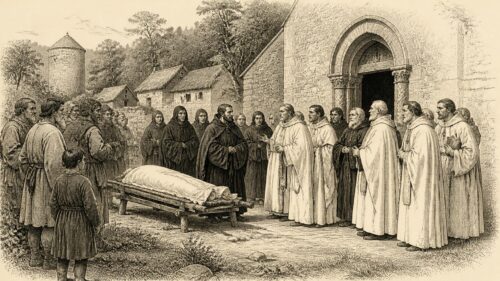
In 1229, the disputed burial of Diarmait Mac Gilla Carthaig, erenach of Tibohine, exposed rivalry between Boyle’s Cistercians and Trinity’s canons, leaving his body at Drum for three days before settlement. The year also brought clerical deaths, resignations and the loss of learned canon Gerald Ó Catháin, amid Connacht’s instability after 1228. Duibessa Ó Conchobair died as a nun, while rulers of Desmond and Corcu Laígde died. Henry III granted Dublin a mayoralty and Drogheda urban liberties, disafforested lands linked with Glendalough, and Ballybeg Priory was conventionally founded. These events reveal regional institutions, succession, patronage and authority across medieval Ireland.
Read Article
Archived: 26 October 2026
Abstract
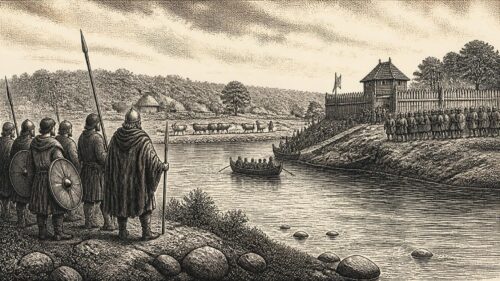
In 1230, Áed mac Ruaidrí Ó Conchobair’s revolt against Richard de Burgh, Mac William, intensified Connacht’s succession crisis. De Burgh assembled Anglo-Norman and Gaelic allies, advanced through Galway and Mayo, secured submissions and hostages, and defeated Donn Óc Mac Airechtaig’s forces at Fincharn. His troops devastated communities sheltering with cattle in remote terrain, causing hunger, deaths and dispossession. At Lough Key, de Burgh installed Fedlimid mac Cathail Chrobdeirg as king and expelled Áed, who sought Ó Néill’s protection in Tír Eógain. The year also recorded Áed Ó Néill’s death and obituaries illuminating ecclesiastical leadership, monastic craftsmanship and scholarship across Ireland.
Read Article
Archived: 26 October 2026
Abstract
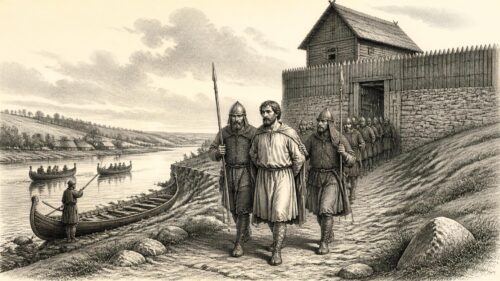
In 1231 Richard de Burgh captured Fedlimid mac Cathail Chrobdeirg Ó Conchobair at Meelick, despite guarantees, exposing the fragility of Gaelic rulers’ alliances with Anglo-Norman power. Imprisoned in strategically placed Shannon castle, Fedlimid’s fate left Connacht contested; his release and later victory belonged to subsequent years. Annals also record Connacht’s religious and local life: deaths among ruling families, Boyle Abbey’s pilgrim connections, episcopal succession at Elphin, and Dionysius Ó Mórda’s death on Trinity Island. They note learned status, Mac Diarmata’s market project, a waterborne Breifne raid, and Ualgarc Ó Ruairc’s fatal Holy Land pilgrimage, revealing active networks amid political instability.
Read Article
Archived: 25 October 2026
Abstract
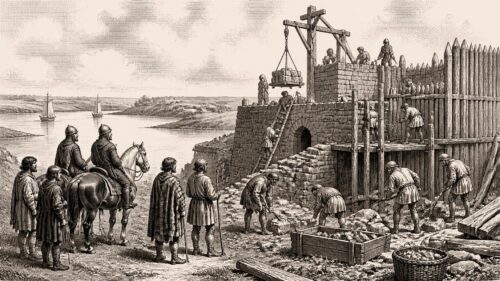
In 1232, Connacht’s contested kingship linked local dynastic rivalry to English royal politics. Richard de Burgh released Fedlimid Ó Conchobair after his patron Hubert de Burgh’s fall, while Áed mac Ruaidrí retained a precarious restoration. De Burgh’s castle at Bun Gaillme and Adam Staunton’s at Dunamon embodied efforts to secure enduring authority. Conchobar, Áed’s son, died invading the Three Tuatha, weakening his dynasty. Elsewhere, chieftains fought, hostages were taken, crops destroyed and coastal warfare continued. Yet churches were consecrated, regular canons organised, and religious figures were praised for learning, hospitality and care, showing warfare and institution-building advancing together across Ireland.
Read Article
