Archived: 16 October 2026
Abstract
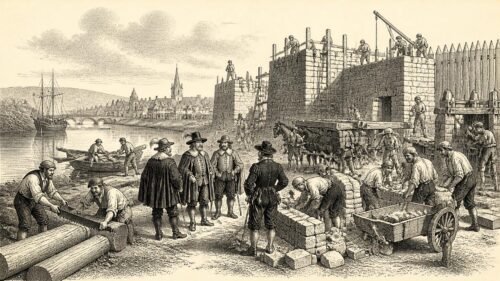
In 1611, Lord Carew’s tour of Ulster assessed the early Plantation, exposing uneven construction and the gulf between Crown plans and local realities. Commissioners inspected routes, settlements and estates, while Coleraine and Derry mobilised labour, timber and fortifications; Dunluce also attracted Scottish settlers. Plantation redistributed land, subordinating Irish proprietors through patents and conditional grants, yet native communities remained central to tenancy and labour. Religious tensions appeared in Bishop John Lynch’s conversion, Patrick O’Loughran’s arrest, and an Irish Catholic devotional book printed at Antwerp. Elsewhere, surrender-and-regrant extended Crown law, while preparations for Parliament revealed disputes over consultation, legislation and royal authority.
Read Article
Archived: 16 October 2026
Abstract
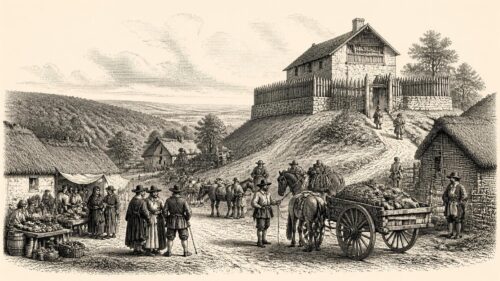
In 1612, Ireland’s post-conquest settlement advanced through coercion, plantation, incorporation and commerce. Catholic bishop Conor O’Devany and priest Patrick O’Loughran were executed in Dublin for treason, exposing official fears of Gaelic exile and foreign Catholic links, while Catholic practice endured. In Ulster, Arthur Chichester’s Plantation redistributed forfeited land, but inadequate building, settlement and defence prompted an inquiry. Dungannon’s charter began a drive creating boroughs to impose English institutions and secure Protestant parliamentary representation; Baltimore and Roscommon reflected its reach. New port books documented trade. John Davies defended conquest, law, property reform and Protestant governance as foundations of lasting English rule.
Read Article
Archived: 16 October 2026
Abstract
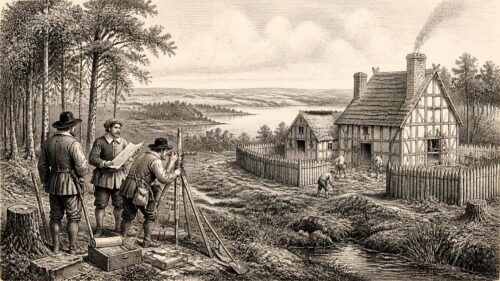
In 1613, the administration intensified its remaking of Ireland through Ulster plantation surveys, municipal charters and a contested parliament. Josias Bodley’s inspection exposed settlement, while London’s Irish Society incorporated Londonderry and developed its county; Belfast and Coleraine gained corporations and parliamentary representation. These boroughs promoted trade and security but supplied Protestant votes. When parliament met in Dublin, conflict over Sir John Davies’s election as Speaker revealed Catholic fears of engineered representation, religious coercion and dispossession. Petitions and a inquiry failed to secure accommodation. Henry Ussher’s death marked change amid conformity. New institutions reshaped land, faith and politics without achieving consent.
Read Article
Archived: 16 October 2026
Abstract
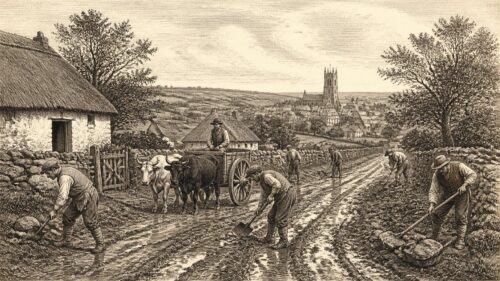
In 1614, James I’s government consolidated authority in Ireland through parliamentary management, anti-Catholic proclamations, trade regulation and parish responsibility for roads. Catholic representatives were rebuffed over the 1613 parliament’s new boroughs and religious exclusions, while priests and Jesuits faced expulsion orders. Yet Catholic organisation persisted: the Kilkenny synod reinforced Tridentine discipline and pastoral provision. Ulster Plantation reached a financial milestone when undertakers’ rents became due, accelerating changes in landholding, settlement and power. Deaths of William Bathe, Bonaventure O’Hussey and Thomas Butler, tenth earl of Ormond, highlighted transnational Catholic culture, Gaelic learning and the importance of aristocratic inheritance amid deepening divisions.
Read Article
Archived: 16 October 2026
Abstract
In 1615, Chichester’s government confronted the abortive Macosquin conspiracy amid Ulster Plantation’s insecure transformation. Alleged Gaelic plotters lacked arms, coordination and foreign support, yet officials feared renewed war and used torture, trials and executions; eleven of seventeen defendants were acquitted. Plantation surveys revealed incomplete settler obligations and continuing dependence on Irish tenants, while landholding and local life were nonetheless changing profoundly. The final 1613 parliament passed a highways measure before dissolution, as proclamations regulated markets and currency. Church convocation adopted 104 strongly Calvinist Irish Articles, probably shaped by James Ussher, while visitation exposed the established church’s weak reach. Coercion persisted.
Read Article
Archived: 16 October 2026
Abstract
In 1616, Ireland remained shaped by the settlement following the Nine Years’ War despite the absence of nationwide warfare. Hugh O’Neill’s death in Rome on 20 July marked the passing of a figure in resistance and exile. A new royal governor and confrontation in Waterford illuminated continuing disputes over government, religion and civic authority. Ireland’s political life connected Dublin with Rome, London, Spain and Scotland, rather than operating within isolated borders. Conquest had altered the institutions through which allegiance and land were contested without settling those questions. The year demonstrates the persistence of uncertainty within an increasingly organised royal kingdom.
Read Article
Archived: 16 October 2026
Abstract
In 1617 Ireland was being reshaped by Atlantic commerce, plantation, religious pressure and cultural debate. Sir Walter Ralegh’s Guiana fleet provisioned at Cork before departing, demonstrating the port’s capacity. The Crown, under Lord Deputy Oliver St John, extended administration through land disputes, grants and titles, including Hamilton’s Strabane barony within the incomplete Ulster Plantation. In Munster, the Barrymore family shifted its seat to Castlelyons. An October proclamation renewed action against Catholic clergy, though Catholic practice endured. Gaelic poets contested regional honour and historical authority, while Barnabe Rich’s satire criticised colonial society. These developments reveal negotiated change rather than settled peace.
Read Article
Archived: 16 October 2026
Abstract
In 1618, Stuart government in Ireland used municipal law, land policy and inspection to reinforce royal authority, Protestant conformity and plantation. Waterford lost its charter after electing recusant civic officers, demonstrating that corporate liberties depended upon religious obedience. Commissioners examined plantation schemes in Longford and O’Carroll country, while an October order required native Irish occupiers to leave assigned Ulster plantation lands by May 1619. In November Captain Nicholas Pynnar was commissioned to inspect settlement, fortifications, tenants and arms in Ulster’s escheated counties. Aodh Mac Cathmhaoil’s Irish-language Catholic book, published at Louvain, and Richard Stanihurst’s death in Brussels highlighted Catholic connections.
Read Article
Archived: 16 October 2026
Abstract
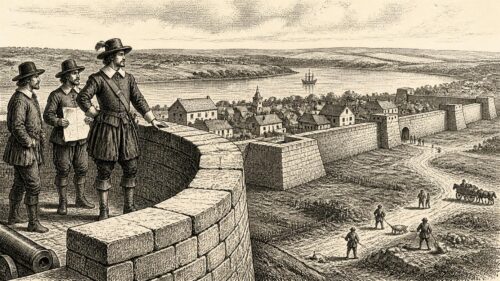
1619 was marked by surveys, construction and institutional change rather than a single national event. Captain Nicholas Pynnar’s inspection of Ulster Plantation estates assessed fortifications, settlers, farms, mills, arms and compliance, revealing uneven progress and persistent Irish presence. At Londonderry, newly completed walls demonstrated Crown authority, but sparse population, incomplete gates and inadequate watch shelter exposed vulnerability. A May deadline sought removal of Irish occupants from undertakers’ lands, though implementation proved limited. Estate houses, churches, schools and mills advanced colonial order. Dublin saw administrative government, episcopal succession and Ireland’s first medical book printed, foreshadowing enduring social and confessional tensions ahead.
Read Article

Archived: 16 October 2026
Abstract
In 1620, Longford’s April plantation lease conditions advanced Crown efforts to replace Gaelic landholding with surveyed estates, rents and accountable landlords, while allowing adaptation by established inhabitants. Under Sir Oliver St John and surveyor William Parsons, plantation policy extended beyond Ulster, with Leitrim approved for development. Royal patronage elevated Richard Boyle as earl of Cork and Catholic Gaelic-Scottish Randal MacDonnell as earl of Antrim, binding regional powers to the Stuart state. Bangor gained port status, strengthening Irish Sea links. Church appointments, Catholic continental networks, and Trinity College’s scholars revealed competing yet interconnected religious and intellectual worlds within the post-conquest order.
Read Article

