Health and Medicine

Historical stories concerning hospitals, doctors, nurses, disease, epidemics, public health, maternity care, mental health, sanitation and medical change in Limerick and Ireland between 1900 and 2000, including the impact of illness and healthcare on individuals, families and communities.

Showing 1–10 of 18 records: 10 articles and 8 images

Archive Records

Fatal Confusion

Fatal Confusion

Article By Fearflatha 26 June 2026

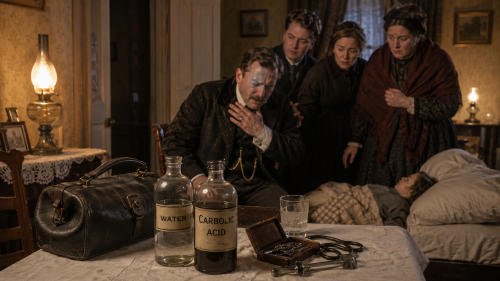
Cappamore and the surrounding district lost a medical practitioner in early February 1900 when Dr Charles Philip Tennant died after accidentally swallowing carbolic acid during an evening visit to a family at Rath. Tennant served patients across the Cappamore and Murroe area, where a country doctor might travel considerable distances to reach sick people in their homes. The surviving reports describe no deliberate act and no dispute over the cause. An ordinary medical call ended in tragedy because two liquids carried to the house were confused, turning a customary gesture of hospitality into a fatal emergency.

Read Article
Potato Findings

Potato Findings

Article By Amergin 25 June 2026

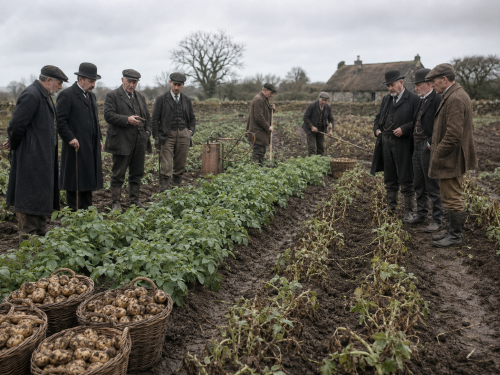
Important results from agricultural experiments conducted across County Limerick were reported on 23 January 1900. The trials examined whether a copper-sulphate solution could protect potato crops against disease and whether freshly introduced seed performed better than potatoes repeatedly grown on the same farms. The findings were encouraging. Even during a season when blight had been comparatively limited, treated plots produced sufficient improvement to repay the expense of spraying. For farmers whose income and household food supply depended heavily upon the potato harvest, the experiments offered practical evidence that preventive treatment could reduce risk rather than merely respond after disease had appeared.

Read Article
Insured Labour

Insured Labour

Article By Eochaidh 3 August 2026

Limerick Corporation’s insurance records show how employee safety and health contributions became part of municipal finance in the twentieth century. A 1909 file concerning accident insurance contains schedules of workers to be insured, departmental staffing estimates, job descriptions, weekly wage rates and annual wages. Later records document payments by the Corporation and its employees under the National Health Insurance Act. Together, these sources reveal a changing understanding of employment. Wages remained central, but insurance premiums, statutory deductions and administrative compliance created additional obligations. Municipal labour in Limerick was increasingly recorded not only as work performed, but also as risk managed.

Read Article
Riverbank Jpeg

Riverbank Jpeg

Image 3 August 2026

Barringtons Hospital, overlooking George’s Quay in Limerick, was founded in 1829 by Sir Joseph Barrington and his sons to provide free medical care to the poor, regardless of background or religion. Designed by architect Frederick Darley, the imposing Georgian building featured a raised podium, arcaded portico and commanding riverside presence. It opened to patients on 5 November 1831 and served generations as a charitable public infirmary. After closing as a state hospital in 1988, the landmark was purchased by surgeon Paul O’Byrne in 1991, restored and reopened as a modern private acute hospital serving Limerick and the wider Mid-West region.

View Image
Health Inquiry

Health Inquiry

Article By Blathmac 25 June 2026

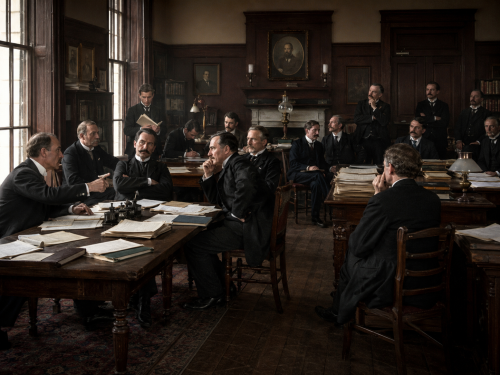
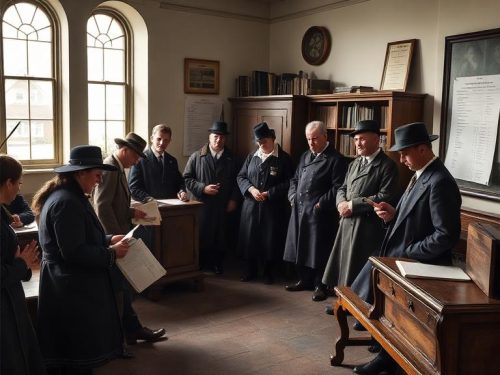
A government investigation into the causes of exceptionally high death rates in Irish cities was extended to Limerick, according to an announcement published on 27 January 1900. The Local Government Board was expected to apply machinery similar to that already established for examining public health in Dublin. The proposed scrutiny would reach beyond mortality statistics and examine how Limerick Corporation discharged its sanitary responsibilities. Drainage, cleansing, water supply, dairies and slaughterhouses were all identified for investigation. The announcement placed the city’s everyday environment under official examination and signalled that preventable illness and premature death would be treated as failures of administration as well as private misfortune.

Read Article
Municipal Workers

Municipal Workers

Article By Donnchadh 3 August 2026

Limerick Corporation’s payroll records reveal the workers who maintained the city’s streets, parks, drainage and public services. Weekly accounts identify day police, sweepers, assistants to carters, men removing sweepings and workers pumping the cesspool at Saint John’s Square. Other records cover labourers, gardeners, gatekeepers and specialised municipal employees. Entries can include each worker’s name, days worked, daily rate, total wages and remarks. These details transform financial administration into a history of labour. They show that Limerick’s cleanliness, safety and physical upkeep depended upon repetitive work performed by identifiable people whose earnings were closely recorded and checked across many working generations.

Read Article
Ed Jpeg

Ed Jpeg

Image 3 August 2026

Barringtons Hospital, overlooking George’s Quay in Limerick, was founded in 1829 by Sir Joseph Barrington and his sons to provide free medical care to the poor, regardless of background or religion. Designed by architect Frederick Darley, the imposing Georgian building featured a raised podium, arcaded portico and commanding riverside presence. It opened to patients on 5 November 1831 and served generations as a charitable public infirmary. After closing as a state hospital in 1988, the landmark was purchased by surgeon Paul O’Byrne in 1991, restored and reopened as a modern private acute hospital serving Limerick and the wider Mid-West region.

View Image
Stokes Mission

Stokes Mission

Article By Blathmac 4 August 2026

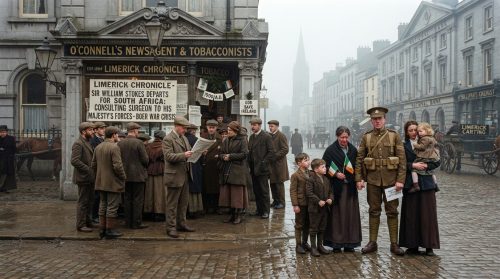
On 1 January 1900, Limerick readers opened newspapers carrying news that Sir William Stokes, Ireland’s celebrated surgeon, was going to South Africa as consulting surgeon to the British Army. The announcement connected the city with a distant war because men recruited throughout Limerick served in the Royal Munster Fusiliers, while their families depended upon military doctors to treat wounds and disease. Stokes was not a Limerickman, but his appointment represented Irish medical skill sent abroad during an imperial emergency. For households following sons, brothers and neighbours overseas, his journey offered reassurance that an experienced Irish surgeon would assist the wounded.

Read Article
Ed Jpeg

Ed Jpeg

Image 3 August 2026

Barringtons Hospital, overlooking George’s Quay in Limerick, was founded in 1829 by Sir Joseph Barrington and his sons to provide free medical care to the poor, regardless of background or religion. Designed by architect Frederick Darley, the imposing Georgian building featured a raised podium, arcaded portico and commanding riverside presence. It opened to patients on 5 November 1831 and served generations as a charitable public infirmary. After closing as a state hospital in 1988, the landmark was purchased by surgeon Paul O’Byrne in 1991, restored and reopened as a modern private acute hospital serving Limerick and the wider Mid-West region.

View Image
Hospital Funding

Hospital Funding

Article By Donnchadh 3 August 2026

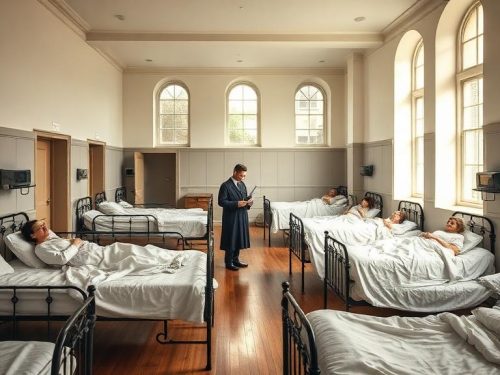
Limerick’s municipal financial records preserve valuable evidence about hospitals serving the city before modern national healthcare systems developed. Presentment applications came from Bedford Row Lying-In Hospital, Barrington’s Hospital, Saint John’s Fever Hospital and the Limerick District Lunatic Asylum. These institutions could submit details of annual income, expenditure and numbers of patients treated when seeking Corporation support. Their records connect local taxation with childbirth, infectious disease, general treatment and mental healthcare. They also show that Limerick Corporation’s responsibilities extended beyond streets and administration into institutions caring for sick and vulnerable residents throughout the city and surrounding district during this important period.

Read Article

Books Supporting the Archive

Profits from every book help fund the continuing preservation, restoration and free public sharing of Limerick’s history.

Cover of Ashes

Ashes

The Ashes Trilogy, Book One

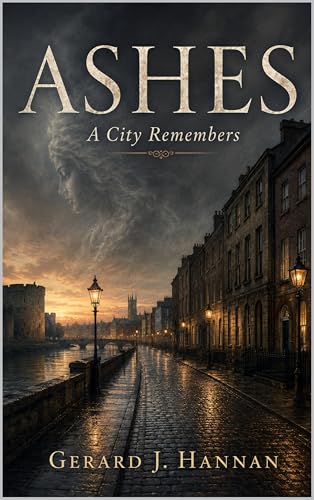
Ashes begins the story of a group of children growing up in the streets and lanes of Limerick, where poverty and hardship are balanced by humour, imagination and fierce friendship. Their city is more than a setting: it watches, remembers and gives voice to lives often absent from official history. As the children explore their neighbourhood, they encounter family pressures, faith, hunger, danger and the first signs of a changing world. Through their adventures and loyalties, the novel captures the resilience of ordinary people and introduces the characters whose lives will unfold across the three volumes of The Ashes Trilogy.

All Books Available As Instant E-Books, Paperbacks & Hardbacks Worldwide.

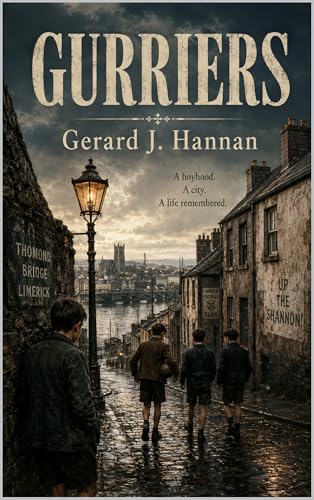
Cover of Gurriers

Gurriers

The Ashes Trilogy, Book Two

Gurriers continues the lives of the Limerick children introduced in Ashes as childhood freedom begins to give way to work, responsibility and harsher choices. Their friendships remain strong, but poverty, family expectations, faith and the pressures of growing older test loyalties once taken for granted. The streets and lanes still offer humour, adventure and belonging, yet the wider world increasingly intrudes upon their lives. Through vivid dialogue, memorable characters and the watchful voice of Limerick itself, the novel explores resilience, identity and change while showing how even the closest companions can be drawn towards futures by circumstances beyond their control.

All Books Available As Instant E-Books, Paperbacks & Hardbacks Worldwide.

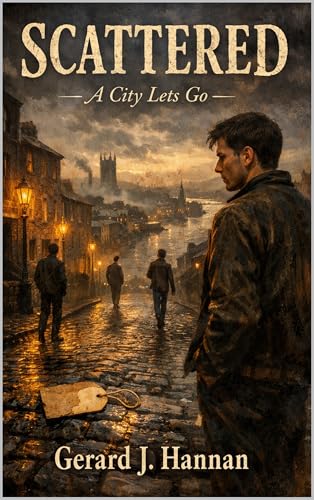
Cover of Scattered

Scattered

The Ashes Trilogy, Book Three

Scattered concludes The Ashes Trilogy as the friends who once shared Limerick’s streets and lanes face adulthood, work, hunger, faith, family duty and emigration. Time has altered their ambitions, tested their loyalties and carried some beyond the city that formed them. Yet memory continues to bind Louie, Seamus, Joe, Sean, Peter, Tony, Bardy, Maura, Eileen, Nora, Lingo and the mysterious Gleamer. Narrated through the enduring presence of Limerick itself, the novel explores separation, sacrifice and survival while recognising the humour and affection that remain. Together, their scattered lives complete a moving portrait of friendship, community and change across changing generations.

All Books Available As Instant E-Books, Paperbacks & Hardbacks Worldwide.

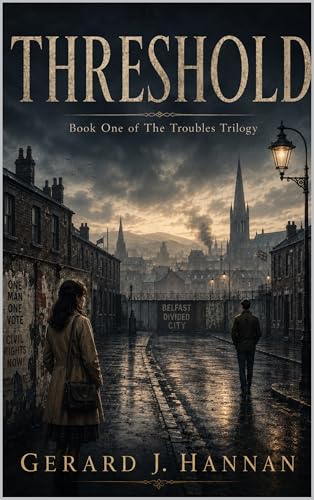
Cover of Threshold

Threshold

The Troubles Trilogy, Book One

Threshold opens in Belfast in 1968, where the Catholic Devlins and Protestant Morrows confront a city divided by religion, memory and fear. Civil rights marches, police violence, riots and internment transform ordinary streets into dangerous frontiers while political conflict enters homes, workplaces and schools. At the centre are Aileen Devlin and Thomas Morrow, whose relationship challenges the boundaries their families regard as essential to survival. As loyalty hardens into suspicion, both must decide whether inherited allegiance excuses injustice. Through family arguments, upheaval and private courage, the novel explores love, conscience, division and survival during the opening years of the Troubles.

All Books Available As Instant E-Books, Paperbacks & Hardbacks Worldwide.

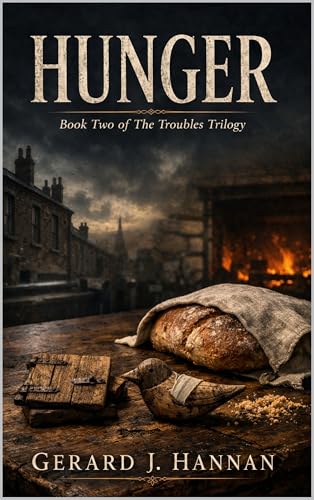
Cover of Hunger

Hunger

The Troubles Trilogy, Book Two

Hunger is Book Two of The Troubles Trilogy, set in Belfast during the 1980s. Aileen Devlin and Thomas Morrow have built a fragile life across the city’s sectarian divide, but the conflict threatens the home they created for their daughter, Claire. As hunger strikes, the Anglo Irish Agreement and violence reshape Northern Ireland, republican Declan and loyalist Billy exploit fear, grief and vulnerable young men. Against them stand Aileen, Kathleen and Elsie, whose quiet strength keeps their families human. This is a story of love, survival and the courage to place people before causes in a divided society under pressure.

All Books Available As Instant E-Books, Paperbacks & Hardbacks Worldwide.

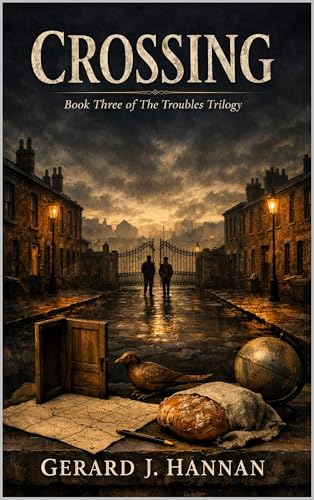
Cover of Crossing

Crossing

The Troubles Trilogy, Book Three

Crossing concludes The Troubles Trilogy during the decade from 1990 to 2000, as Belfast moves from violence towards negotiation, ceasefires and uncertain peace. The Devlin and Morrow families face political change alongside grief, ageing, divided loyalties and the consequences of choices made across three decades. Relationships once threatened by religious boundaries are tested by memory, mistrust and the fear that compromise may betray the dead. As the peace process gathers momentum, ordinary people must decide whether reconciliation is possible. The trilogy closes with a story of endurance, forgiveness, loss and hope beyond inherited division, proving that peace begins with courage.

All Books Available As Instant E-Books, Paperbacks & Hardbacks Worldwide.

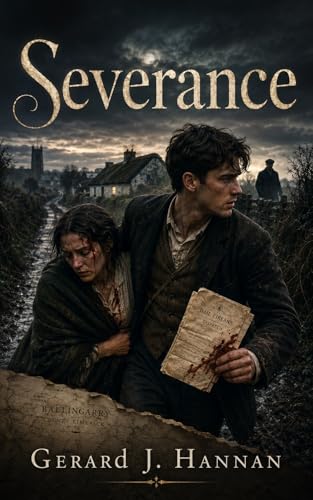
Cover of Severance

Severance

Historical Novel

Severance is a historical novel set in Ballingarry, County Limerick, during Ireland’s struggle for independence. A torn and bloodied dispatch passes through fields, kitchens, lofts and hidden routes, placing everyone who handles it in danger. Michael Enright carries the burden of trust, while Mary, Molly and their neighbours struggle to preserve the message and protect one another. Against them, Captain Edward Harcourt studies every delay, wound and fragment for clues. As loyalty, fear and betrayal tighten around the hidden network, ordinary people must decide what they are willing to risk when history enters their homes and silence itself becomes dangerous.

All Books Available As Instant E-Books, Paperbacks & Hardbacks Worldwide.

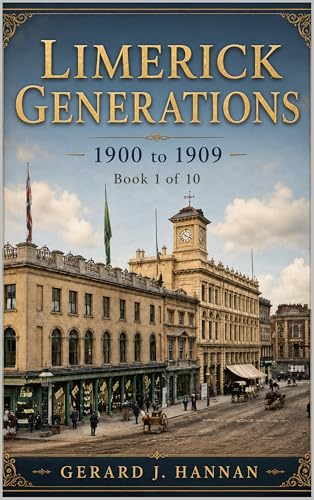
Cover of Limerick Generations: 1900 to 1909

Limerick Generations

1900 to 1909

Limerick Decalogy, Book One

Limerick Generations: 1900 to 1909 opens the decade by documenting a city and county entering the twentieth century amid political debate, commercial activity, poverty, faith and technological change. Month by month, the book connects major Irish developments with local events, institutions, streets and communities. Public meetings, labour, transport, education, sport, business and everyday life reveal how national questions were experienced in Limerick. Historical reports and carefully reconstructed narratives bring forgotten moments and ordinary people into focus. As Book One of Limerick Decalogy, it establishes the foundation for a ten volume journey through one hundred years of local history and memory.

All Books Available As Instant E-Books, Paperbacks & Hardbacks Worldwide.

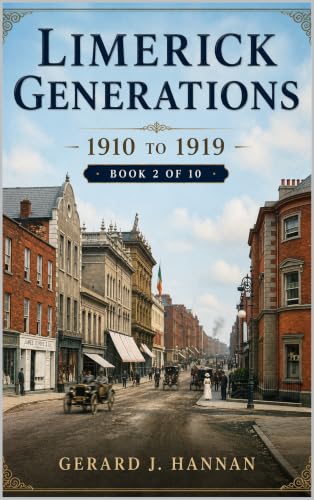
Cover of Limerick Generations: 1910 to 1919

Limerick Generations

1910 to 1919

Limerick Decalogy, Book Two

Limerick Generations: 1910 to 1919 traces a decade of political transformation, labour conflict, war, revolution and social change across Limerick city and county. Home Rule, unionist resistance, trade union organisation and the First World War entered streets, farms, schools, workplaces and family life. The Easter Rising, conscription crisis, influenza pandemic and general election altered public loyalties and expectations. The decade culminated in the Limerick Soviet of 1919, when workers challenged military restrictions through organised collective action. As Book Two of Limerick Decalogy, the volume preserves local experiences of hardship, courage, grief, endurance and change during years of intense historic upheaval.

All Books Available As Instant E-Books, Paperbacks & Hardbacks Worldwide.