Archived: 21 October 2026
Abstract
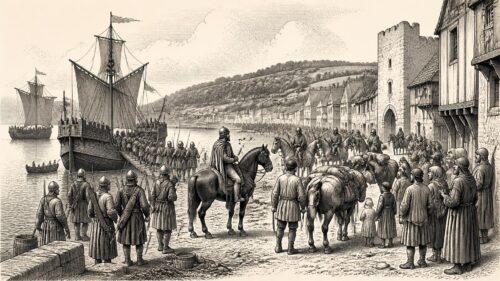
In 1399 Richard II landed at Waterford to subdue Art Mac Murchadha Caomhánach, whose Leinster forces avoided pitched battle, strained royal supplies and prevented a settlement. The expedition exposed the limited reach of English lordship beyond defended centres. While Richard campaigned, conflicts continued in Connacht and Ulster, and John fitz Gerald, earl of Desmond, drowned amid a Munster feud, leaving a minor heir. Annals note deaths of churchmen, rulers and Mac Egan legal scholars. Henry Bolingbroke's English invasion forced Richard’s July departure. Art remained unconquered, and Henry IV’s accession by September ended Richard’s reign, leaving Irish divisions and weakness unresolved.
Read Article

Archived: 21 October 2026
Abstract
In 1398, the political settlement imposed after Richard II’s first Irish expedition was visibly coming apart. The year’s most consequential firmly dated event was the death on 20 July of Roger Mortimer, earl of March and Ulster, the king’s lieutenant in Ireland. Mortimer was a major lord in his own right, an heir presumptive to the childless Richard II, and the Crown’s foremost military representative in Ireland. His death in a Leinster campaign exposed how limited English authority remained beyond the better-defended lordship towns and lordly estates. That did not make 1398 a simple national contest between ‘English’ and ‘Irish’.
Read Article
Archived: 21 October 2026
Abstract
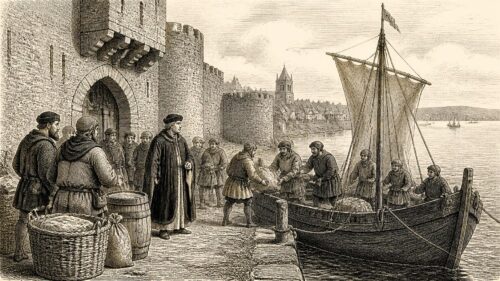
In 1396, Richard II’s charter granted Galway’s provost and burgesses annual election of a sovereign, restricted retail trade to resident burgesses, and extended Drogheda’s liberties, for £6 13s 4d. Building on 1395 murage, it strengthened defence, commerce and civic government, while preserving Roger Mortimer’s seigneurial rights. The charter reflected insecurity in Connacht, where rival dynasties raided, fought and burned Sligo, while O’Tooles defeated English forces in Leinster. Off Aran, Ó Máille raiders drowned when their plunder-laden ship sank. Church life saw Thomas Sparkford appointed to Waterford and Lismore, and scholar-herenagh Matthew Ó Luinín’s death, illustrating enduring ecclesiastical and learned traditions.
Read Article
Archived: 21 October 2026
Abstract
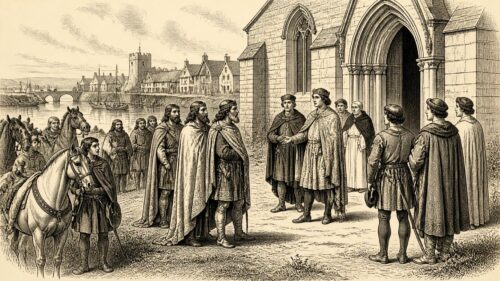
In 1395 Richard II sought to stabilise Ireland through military pressure, submissions and negotiated service from Gaelic and Anglo-Irish rulers. Art Mac Murchadha accepted loyalty, payment and recognition of inheritance, while Niall Ó Néill and others sought royal protection against rival claims. More than eighty nobles submitted, receiving pardons, offices and knighthoods, but important western and northern lords remained outside the settlement. Raids in Uí Fhailghe and Éile, conflict within the Ó Néills, and succession violence in Fermanagh demonstrated instability. Richard departed in May, leaving Mortimer as representative. Deaths, church burnings and lordships underscored that ceremony had not pacified Ireland.
Read Article

Archived: 21 October 2026
Abstract
In 1394 Richard II landed at Waterford with an expedition, the first reigning English king to visit Ireland since 1210. Seeking to strengthen the weakened lordship, he targeted Leinster, where Art MacMurrough challenged crown authority. MacMurrough burned New Ross, seizing wealth and hostages, while Ormond retaliated by ravaging Leinster. Richard travelled through Kilkenny to Dublin, obtaining meetings, pledges and uncertain submissions rather than decisive control. Parliament and counsel in Dublin underscored reliance on magnates, clergy and towns. Elsewhere, inter-lordship violence, clerical deaths, church destruction and rebuilding, and learned men’s killings revealed a fragmented society. Royal prestige rose, but conflict endured.
Read Article

Archived: 21 October 2026
Abstract
In 1392, Ireland experienced local warfare, succession disputes and notable deaths rather than an island-wide turning point. Niall Ó Néill of Tír Eógain led a major expedition against the English around Dundalk, achieving temporary mastery. Northern tensions intensified after Henry Aimhreidh Ó Néill’s death and the capture of his son by Toirdelbach Ó Domhnaill. In Connacht, Ó Conchobair Donn’s army burned Uí Maine, revealing fractured regional alliances. Deaths of Archbishop Grigair Ó Mocháin, the countess of Desmond and other nobles highlighted ecclesiastical and aristocratic networks. English administration remained uncertain as Thomas of Woodstock’s lieutenancy failed and Roger Mortimer was appointed.
Read Article
Archived: 21 October 2026
Abstract
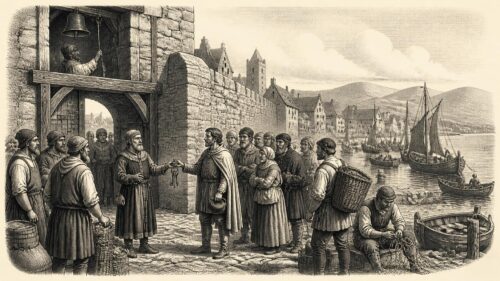
On 10 May 1389, Galway’s bell summoned burgesses and townspeople to surrender the keys of its gates to William Burke, lord of Upper Connacht, excluding royal ministers. Following a 1388 oath of fealty and grants of revenues, the action reflected local insecurity and accommodation, while retention of customs suggested caution. Galway’s choice occurred amid Connacht’s shifting wars, raids, captures, killings and pragmatic settlements, where control of resources shaped power. Annals record contested successions and deaths across Ireland. With government weakened after Robert de Vere’s fall and only later reorganised under John Stanley, authority remained fragmented among towns, lords and communities.
Read Article

Archived: 21 October 2026
Abstract
On 5 November 1388, Galway’s burgesses publicly swore fealty to William Burke of Clanricarde, transferring royal local revenues, except customs, and demonstrating preference for regional protection over Richard II’s distant authority. Their bloodless revolt formed part of wider competing jurisdictions. Connacht suffered extensive warfare among O’Conor branches and allied lordships, involving raids, burning of homes and corn, prisoners, hostages and mercenary forces. Conflict also touched Assaroe and north-western territories, while violence killed learned men and a local lord. Fosterage linked Desmond’s heir with an O’Brien household. Despite de Vere’s fall, royal administration issued writs, but lacked effective command in Ireland.
Read Article

Archived: 21 October 2026
Abstract
In 1386, Irish annals recorded local conflicts, raids and settlements rather than a single national event. Domnall Ó Conchobair’s coalition devastated Mac Wattin Barrett territory in Tirawley, killing leaders, taking a castle and destroying orchards. Connacht warfare shifted rapidly between raiding, pursuit, victory and negotiated peace among competing dynasties. Art Mór Mac Murchadha defeated the English of Ossory, while Midland feuds involved killings, castle seizures and hostage-taking. Richard II created Robert de Vere duke of Ireland, though he never visited; administration continued through deputies and chancery. Elite deaths and burials also marked status, kinship and lordship across a fragmented island.
Read Article
Archived: 21 October 2026
Abstract
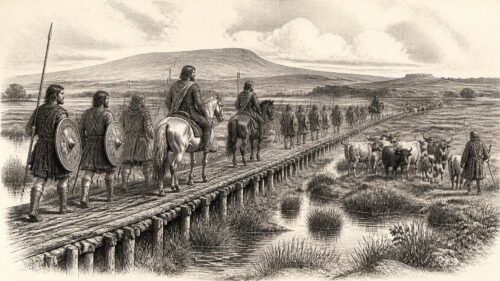
In 1385, Ireland comprised overlapping Gaelic and Anglo-Irish jurisdictions, where warfare shaped authority, movement and livelihoods. Murchadh Ó Conchobair of Uí Fhailghe and Cenél Fiachach defeated the English of Meath at Tóchar Cruacháin Brí Eile, killing the sheriff and many others, though lasting consequences remain unknown. Dublin appointed Alexander de Balscot chancellor, while appeals for Richard II’s intervention and Robert de Vere’s lordship grant exposed administrative weakness. Connacht endured organised burnings, cattle raids, crop destruction, killings, captivity and hostage-taking before a negotiated partition and peace. The year also recorded deaths of notable clerics, rulers, women and scholar Tanaide Ó Maolconaire.
Read Article
Archived: 21 October 2026
Abstract
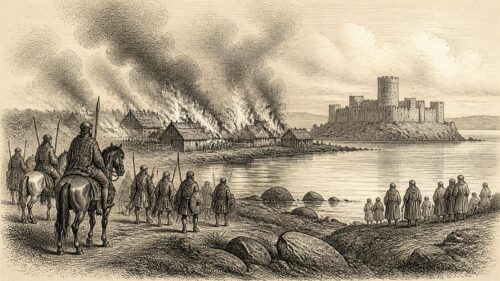
In 1384, Niall Ó Néill burned Carrickfergus, demonstrating Gaelic power against a major crown-held port and castle, though the sources do not show that the fortress fell. In Connacht, Ruaidhrí Ó Conchobair died of plague after a long reign, prompting rival inaugurations and provincial warfare, including attacks on lordly strongholds. Plague and other deaths affected leading families and rulers across Ireland, while feuds caused further killings. Annals also recorded deaths of churchmen and scholars, reflecting enduring learned institutions. Within the lordship, mediation addressed conflict between Ormond and Desmond, and Sir Philip Courtenay appointed Ormond chief governor, illustrating fragmented regional authority.
Read Article
Archived: 21 October 2026
Abstract
In 1383, fragmented Ireland experienced renewed royal administration, northern warfare and serious disease. Richard II appointed Sir Philip Courtenay lieutenant, who arrived at Waterford in September, while Ralph Cheyne served as chancellor. In Ulster, Niall Mór Ó Néill’s coalition burned and plundered territories associated with English lordship. During the campaign, his son Aodh Óg and Raibilin Savage fatally wounded one another, provoking further killing among the Bissets. Annalists reported widespread plague throughout Ireland, including the death in captivity of Art Magennis. Deaths, killings and successions among secular and religious leaders reveal local instability, while hospitality remained an important lordly ideal.
Read Article
Archived: 21 October 2026
Abstract
In 1382, Ireland was divided among royal administration, Anglo-Irish magnates and Gaelic rulers. Ruaidhrí Ó Conchobair, king of Connacht, arrested rival chiefs at an assembly, exposing insecure personal power. Raids in Corcomroe and Desmond destroyed homes, crops and lives, while imprisonment claimed members of the Ó Briain dynasty. Deaths, including that of James Butler, earl of Ormond, altered lordly succession. William Tany resumed the Irish chancellorship, maintaining crown government through the great seal. Finghin Mac Giolla Phádraig founded a Dominican friary at Aghaboe, demonstrating enduring religious patronage. Annals also remembered women, clerics, entertainers and heirs, reflecting regional, interconnected medieval society.
Read Article
Archived: 21 October 2026
Abstract
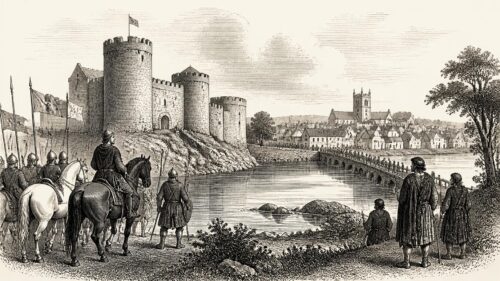
In 1381, Ireland’s political geography was defined less by a single frontier than by a patchwork of competing lordships, castles, family claims and negotiated loyalties. King Richard II was lord of Ireland, but royal government was strongest in and around the Anglo-Irish towns and lordships of the east and south-east. Beyond them, Gaelic rulers, Gaelicised settler dynasties and Crown officers all exercised power in overlapping ways. The year’s clearest focal point was Athlone: a fortified crossing of the Shannon whose possession mattered not merely to the town, but to the balance between Meath and Connacht.Edmund Mortimer, earl of March and
Read Article

Archived: 21 October 2026
Abstract
In 1378, Ireland comprised overlapping political worlds rather than a unified national arena. Around Dublin, the English lordship defended Tallaght against O’Byrne pressure with 120 hobblers, compensated raid losses, mobilised tenants, regulated arms, and guarded Carlow during parliament. Exchequer officials collected debts, valued royal lands and administered payments, demonstrating limited but active government in core counties. Annalistic accounts record killings, rival successions and alliances among Burke, Mac Raghnaill, O’Rourke, Maguire and other lordships. Deaths of a bishop in Rome, scholars, poets and legal authorities reveal ecclesiastical and learned networks. Fragmentary sources portray power as military, fiscal, familial, scholarly and local.
Read Article





