Search Results for “Cultural”

Browse matching articles and photographic archive records from across Limerick city and county. Each result includes a clear image, publication date, complete introductory paragraph and direct access to the full article or image record.

Showing results 1–10 of 47


Celtic Beginnings

No surviving record identifies a year when the first Celts entered Limerick, and modern archaeology no longer supports the old picture of one great Celtic invasion. The term Celtic describes related languages, artistic traditions and cultural practices rather than a single people arriving together. Communities had lived around the Shannon and across present-day County Limerick for thousands of years before ironworking and continental influences appeared. Their society probably changed gradually through trade, intermarriage, travel and limited migration. Celtic Limerick should therefore be understood as a long cultural development, not as a sudden conquest by foreign newcomers on one identifiable date.
Read Article
Roads Dispute

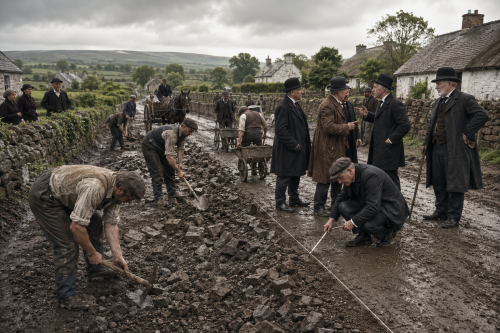
Arguments continued across County Limerick over whether public roads should be maintained through private contracts or by labourers employed directly under elected local authorities. The Munster News criticised what it regarded as Limerick County Council’s unsatisfactory handling of road tenders and the developing direct-labour question. The dispute followed the transfer of road administration from the Grand Jury system to the newly elected county and rural district councils. Councillors were now responsible for deciding how public money should be spent, who should receive employment and whether established contractors continued to offer the most economical and reliable method of keeping roads in repair.
Read Article

Pageantry Challenged

Nationalist newspapers have criticised Queen Victoria’s visit as an elaborate imperial spectacle staged while poverty, overcrowding and emigration continue to shape Irish life. Their editorials argue that decorated streets, military escorts and loyal addresses cannot conceal the economic hardship experienced in towns, rural districts and labouring households. Reports of cheering crowds are being answered with reminders of families divided by migration, tenants struggling upon poor land and workers surviving upon uncertain wages. In Limerick, where poverty and departure remain familiar realities, such criticism will find readers unwilling to accept royal ceremony as evidence that Ireland is prosperous, contented or politically satisfied.
Read Article

Ulster Divide

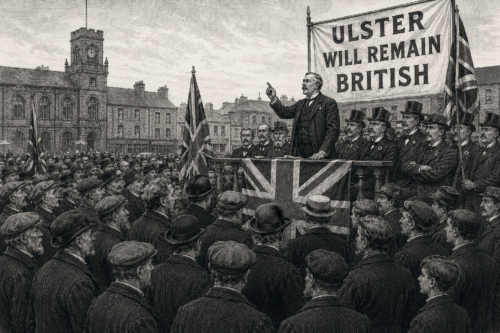
The general election has confirmed a widening political division between nationalist Ireland and the unionist strongholds of north-eastern Ulster. While the reunited Irish Parliamentary Party has secured overwhelming representation across most of the country, Unionist candidates have retained their commanding position in Belfast, Antrim, Down, northern Armagh and neighbouring districts. The result will be closely studied in Limerick, where Home Rule supporters regard an Irish legislature as the principal national demand. Unionist resistance in Ulster, however, demonstrates that constitutional settlement cannot be considered solely through the wishes of the nationalist majority elsewhere in Ireland.
Read Article

Legal Resistance

Limerick Harbour Commissioners instructed the Dublin solicitor George Fottrell to organise formal opposition to renewed proposals for railway amalgamation. The decision, reported on 2 January 1900, also authorised him to retain an experienced King’s Counsel to represent the harbour authority during the expected parliamentary struggle. Commissioners had resisted a similar scheme during the previous year and regarded its revival as a direct threat to the commercial independence of Limerick. By securing legal expertise at an early stage, they ensured that the port’s objections would be supported by evidence, parliamentary procedure and professional advocacy rather than confined to local resolutions.
Read Article

Rockbarton Burning

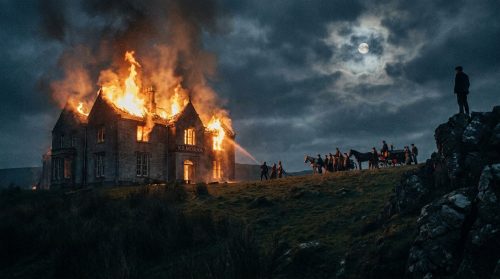
Limerick society was disturbed in 1900 by reports of a suspicious fire at Rockbarton, the imposing country residence near Bruff associated with wealth, landownership and titled families. Contemporary reporting described the outbreak as an alleged act of arson, but the surviving evidence presently available does not establish who started it, what motive was involved or whether anyone was prosecuted. The distinction matters. The fire was a serious incident at one of County Limerick’s best-known estate houses, yet suspicion cannot be treated as proof, and the language of accusation must remain separate from any confirmed judicial finding.
Read Article

Estates Reorganised

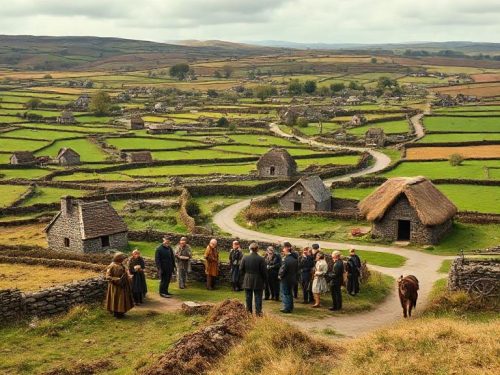
The Congested Districts Board is continuing its efforts to purchase and reorganise estates in the poorest districts of western Ireland. Created in 1891 to relieve chronic rural poverty, the Board has increasingly turned towards land purchase as a means of enlarging uneconomic farms, combining scattered plots and moving selected families from overcrowded districts onto more productive ground. Its work is concentrated principally in Connacht and the western counties, where generations of subdivision have left many households dependent upon holdings too small or infertile to provide a secure living.
Read Article

Creamery Rivalry

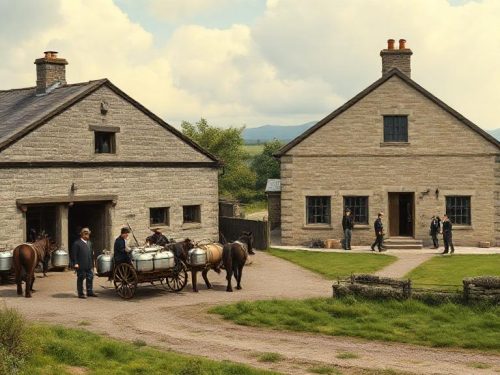
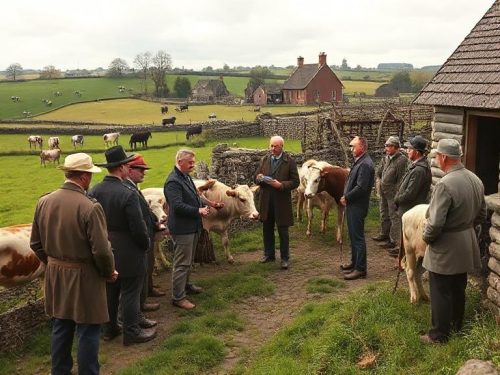
Local disputes are arising between co-operative creameries owned by milk suppliers and privately operated concerns seeking to retain control of established dairying districts. The rivalry is especially significant in County Limerick, where cattle, milk and butter provide income for farmers, labourers, carriers and merchants. Co-operative organisers argue that producers should collectively own the machinery through which their milk is processed and marketed. Private proprietors answer that independently managed businesses can offer efficient service without requiring farmers to invest capital, accept committee authority or assume responsibility for commercial losses.
Read Article

Labourers Organise

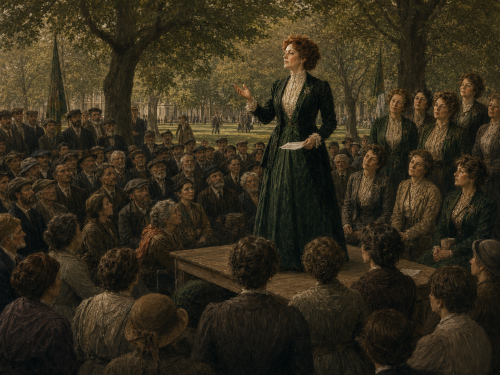
Agricultural labourers throughout County Limerick and the wider Munster countryside continue to campaign for better cottages, fairer wages and access to small plots of land. Their position remains distinct from that of tenant farmers seeking ownership of the farms they occupy. Labourers frequently possess neither secure employment nor property, depending instead upon seasonal hiring, daily wages and accommodation controlled by farmers or landlords. Public meetings increasingly insist that any settlement of the Irish land question must include the men and women whose labour sustains agriculture but who remain among the countryside’s poorest inhabitants.
Read Article

Terminus Tragedy

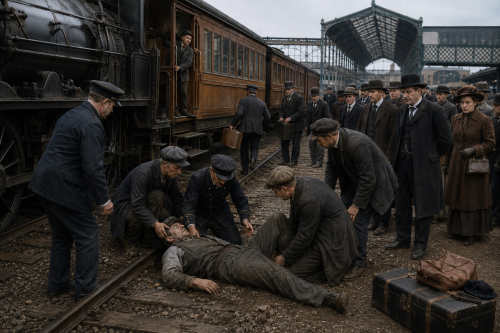
A serious accident at Limerick railway terminus left labourer James Davoren requiring the amputation of his right leg. The Irish Times reported on 2 January 1900 that Davoren had gone to the station to see his brother, described as a solicitor, depart by train for Fermoy. During the farewell, he fell from the platform onto the permanent way and was caught beneath the passing train. Railway staff and bystanders found him lying on the rails after the carriages had cleared. He was removed without delay to Barrington’s Hospital, where surgeons determined that the injured limb could not be saved.
Read Article