Search Results for “Rule”

Showing results 11–20 of 62


Daughters Founded

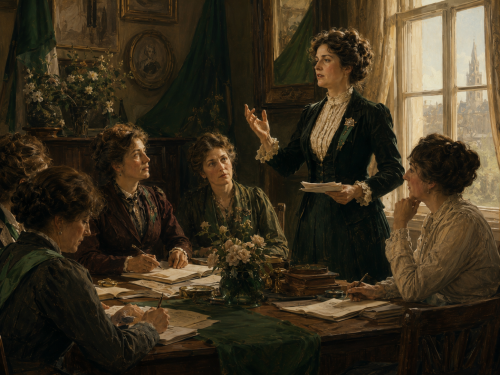
Inghinidhe na hÉireann, translated as the Daughters of Ireland, has been established in Dublin under the leadership of Maud Gonne. The women’s nationalist organisation emerged from a meeting held in the rooms of the Celtic Literary Society on Easter Sunday, where participants discussed practical opposition to Queen Victoria’s visit and its accompanying children’s celebrations. The founders intend to give women an independent place within advanced nationalism rather than restricting them to supporting roles in organisations directed by men. News of the initiative will attract attention in Limerick among women already active in cultural, charitable and political life.
Read Article
Difficult Ally

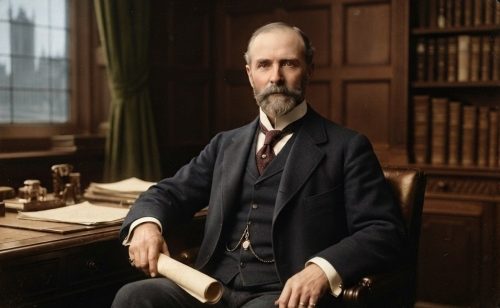
Tim Healy remained one of the most influential yet troublesome figures involved in the effort to reunite Ireland’s divided parliamentary nationalists during January 1900. A formidable barrister, experienced Member of Parliament and devastating political speaker, Healy possessed an authority that could not easily be ignored. He had opposed Charles Stewart Parnell during the leadership crisis of 1890 and subsequently quarrelled with leading anti-Parnellites, particularly John Dillon. By the end of the decade, Healy commanded his own following of MPs and local activists. Any credible agreement restoring nationalist unity therefore required his cooperation, even though many former colleagues distrusted his intentions and feared his independence.
Read Article

Reunion Advances

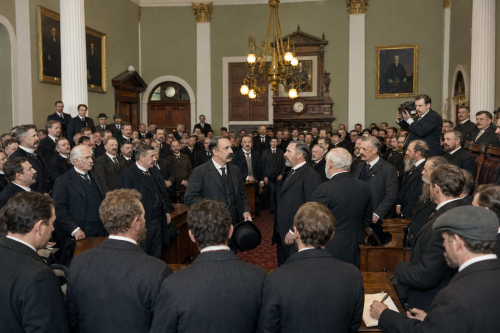
Negotiations to reunite Ireland’s divided nationalist parliamentarians advanced formally during the Mansion House conference held on 17 January. Representatives associated with the rival factions created by the fall of Charles Stewart Parnell met in Dublin to consider practical terms for restoring a single parliamentary organisation. Nearly a decade of internal conflict had weakened nationalist influence at Westminster and exhausted many supporters throughout Ireland. The conference did not instantly remove the personal distrust, political grievances and competing ambitions that had accumulated since 1890, but it transformed informal appeals for reconciliation into a structured negotiation between recognised representatives of the opposing groups.
Read Article

Unity Fractures

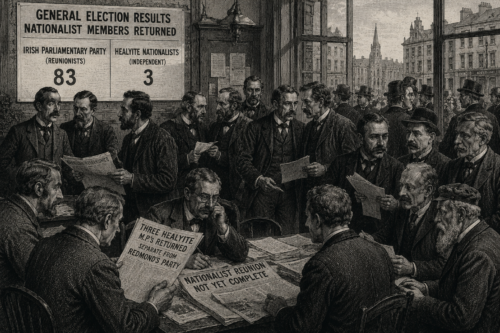
The completion of the general election has shown that the reunion of Irish parliamentary nationalism remains incomplete. Although John Redmond’s Irish Parliamentary Party has secured the overwhelming majority of nationalist seats, six supporters of Timothy Michael Healy have been returned outside the disciplined party organisation. The result will attract close attention among nationalists in Limerick city and county, where unity has been presented as essential to advancing Home Rule and land reform. Healy’s surviving parliamentary following demonstrates that the personal, clerical and local rivalries created during the bitter divisions of the 1890s have not been entirely overcome.
Read Article

Party Reunited

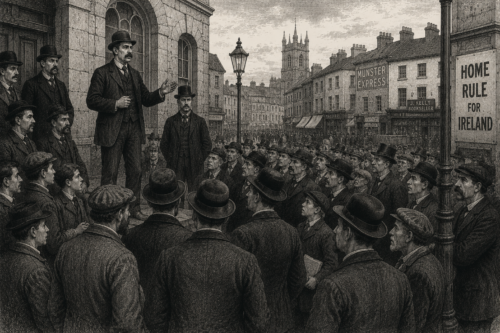
News of the reunion of the Irish Parliamentary Party has been received with keen interest throughout the city and county, where nationalist divisions have long influenced public meetings, elections and local loyalties. Parnellites and anti-Parnellites have now agreed to end nearly ten years of hostility and restore a single parliamentary organisation. Supporters of Home Rule in Limerick believe the settlement may strengthen Ireland’s voice at Westminster and reduce the bitterness that has weakened nationalist politics since Charles Stewart Parnell’s fall. Local organisers are already discussing what the reunion may mean for future contests, land reform and national representation.
Read Article

Loyal Addresses

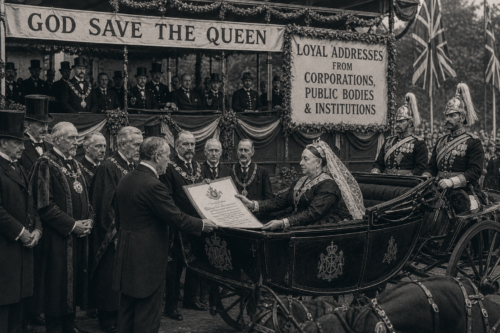
Loyal addresses have been presented to Queen Victoria by municipal representatives and public institutions during the opening ceremonies of her final visit to Ireland. At Kingstown, the chairman and councillors formally welcomed the monarch before her carriage procession departed for Dublin. The Lord Mayor, aldermen and councillors later received her at the city boundary, where the ancient keys and ceremonial sword of Dublin were produced. A written address expressing loyalty to the Crown was presented in an ornate casket. Reports of these proceedings have reached Limerick, where royal supporters regard them as proof of continuing institutional attachment to the monarchy.
Read Article

Redmond Chosen

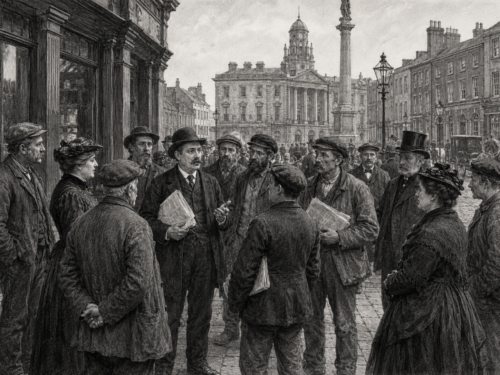
Nationalists throughout the city and county are today considering the election of John Redmond as chairman of the reunited Irish Parliamentary Party. His appointment follows the agreement that brought Parnellites and anti-Parnellites together after almost ten years of damaging division. Local supporters of Home Rule hope the choice will restore authority, discipline and purpose to Ireland’s representation at Westminster. Redmond, long identified with the Parnellite cause, now assumes responsibility for men who recently stood in opposing camps. His success will depend upon persuading Limerick voters and nationalists elsewhere that old quarrels can finally yield to common political action.
Read Article

National Network

Parliamentary nationalism has acquired a powerful new local organisation following the acceptance of the United Irish League as the principal popular body supporting the reunited Irish Parliamentary Party. For nationalists throughout Limerick city and county, the arrangement promises to connect political representation at Westminster with campaigns concerning tenant rights, land purchase and the division of grazing estates. League branches may now provide farmers, labourers, shopkeepers and local political organisers with a direct influence upon nationalist policy and parliamentary candidate selection. The development places organised public opinion behind John Redmond’s leadership while preserving the land question as a central concern of Irish political life.
Read Article
Veteran Dies

Sergeant James Pearson, an Irish-born recipient of the Victoria Cross, died at Poonamallee near Madras on 23 January 1900, aged seventy-seven. Born at Rathdowney in Queen’s County on 2 October 1822, he had spent much of his adult life in India. Pearson first entered military service with the 86th Regiment of Foot, later associated with the Royal Irish Rifles, and rose from private soldier to sergeant. His reputation rested upon two acts of gallantry during the violent Central India campaign of 1858, when British forces fought to suppress the widespread uprising against East India Company rule.
Read Article
Redmond Returned

John Redmond has retained Waterford City in the general election, reinforcing his authority as chairman of the reunited Irish Parliamentary Party and strengthening his claim to speak for constitutional nationalism throughout Ireland. The result will be closely observed in Limerick, where nationalist supporters are judging whether reunion has truly ended the divisions that followed the fall of Charles Stewart Parnell. Redmond’s return from a strongly nationalist urban constituency gives him more than a Westminster seat. It provides a local electoral foundation from which he can direct a party attempting to restore discipline, confidence and influence after nearly a decade of internal conflict.
Read Article
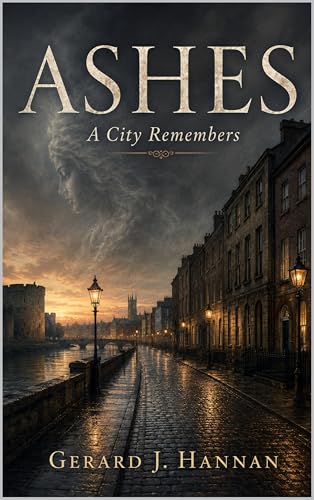
Gerard J. Hannan

Books By Gerard J. Hannan

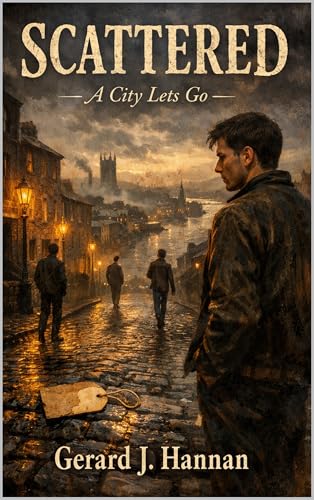
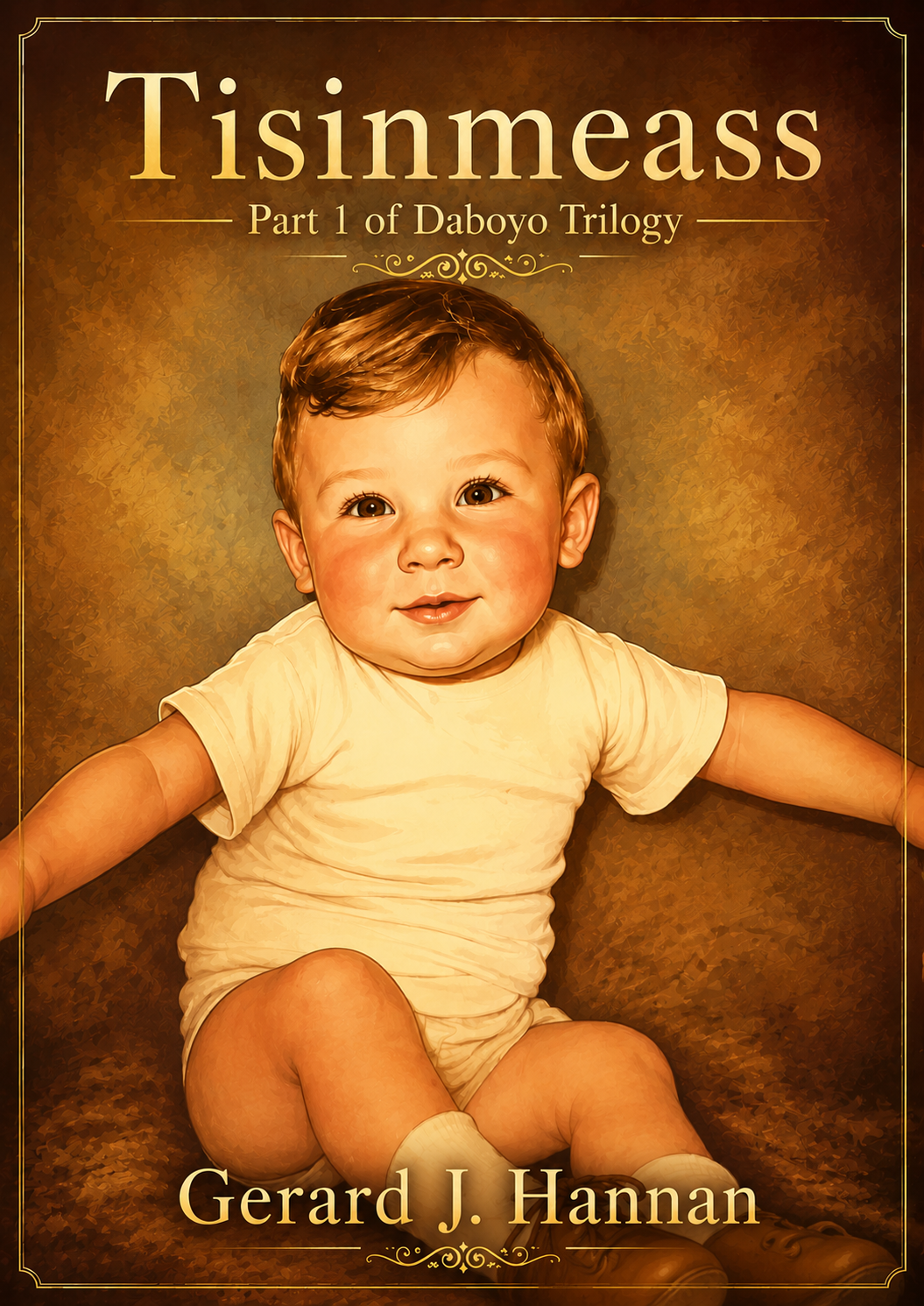
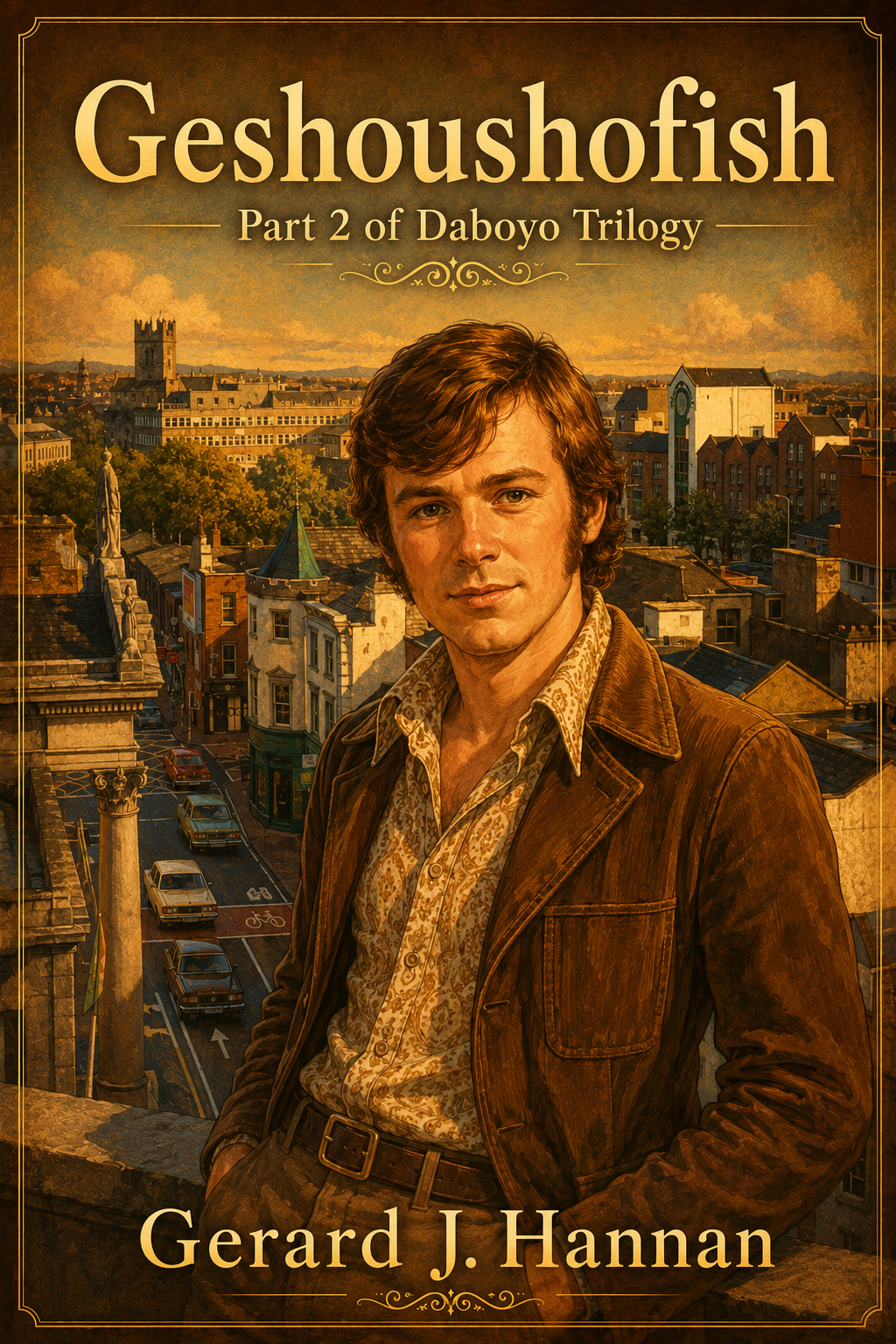
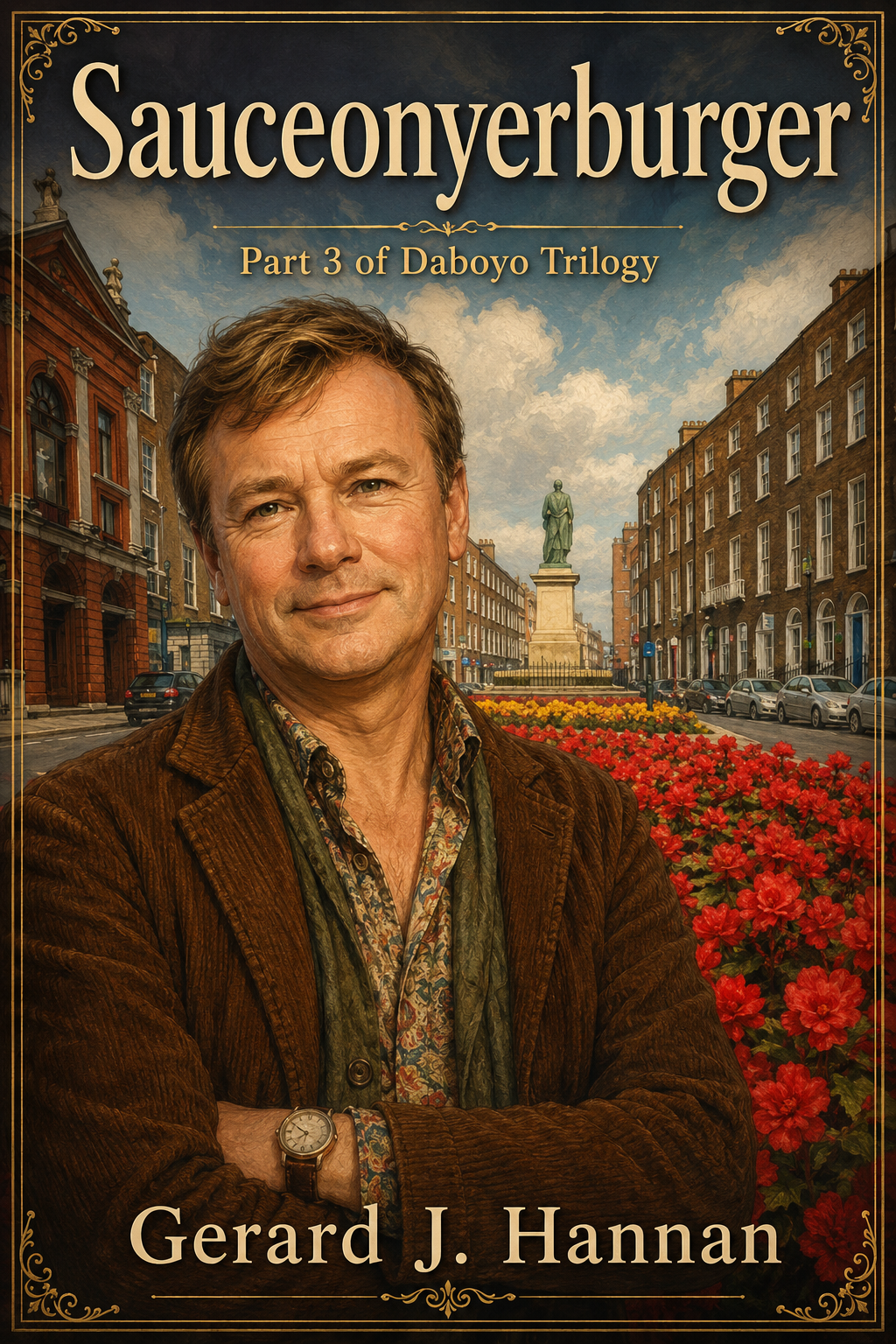
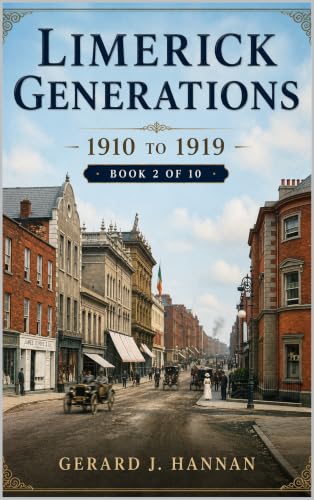
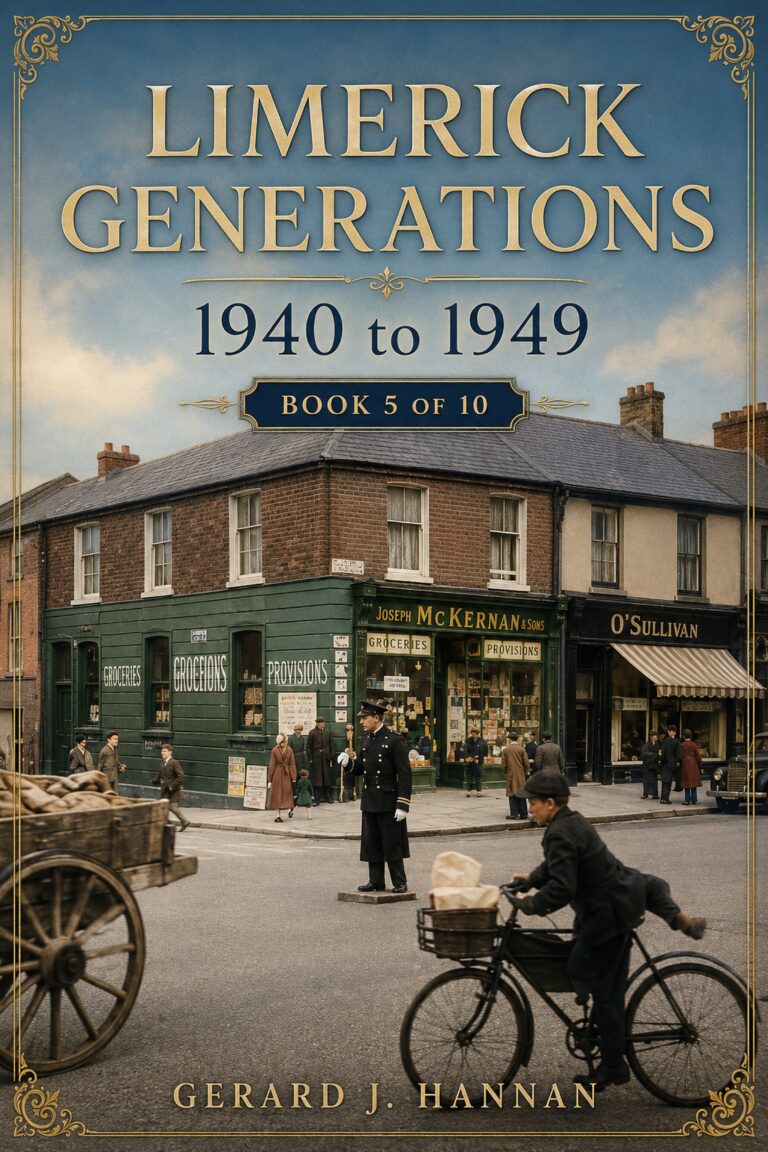
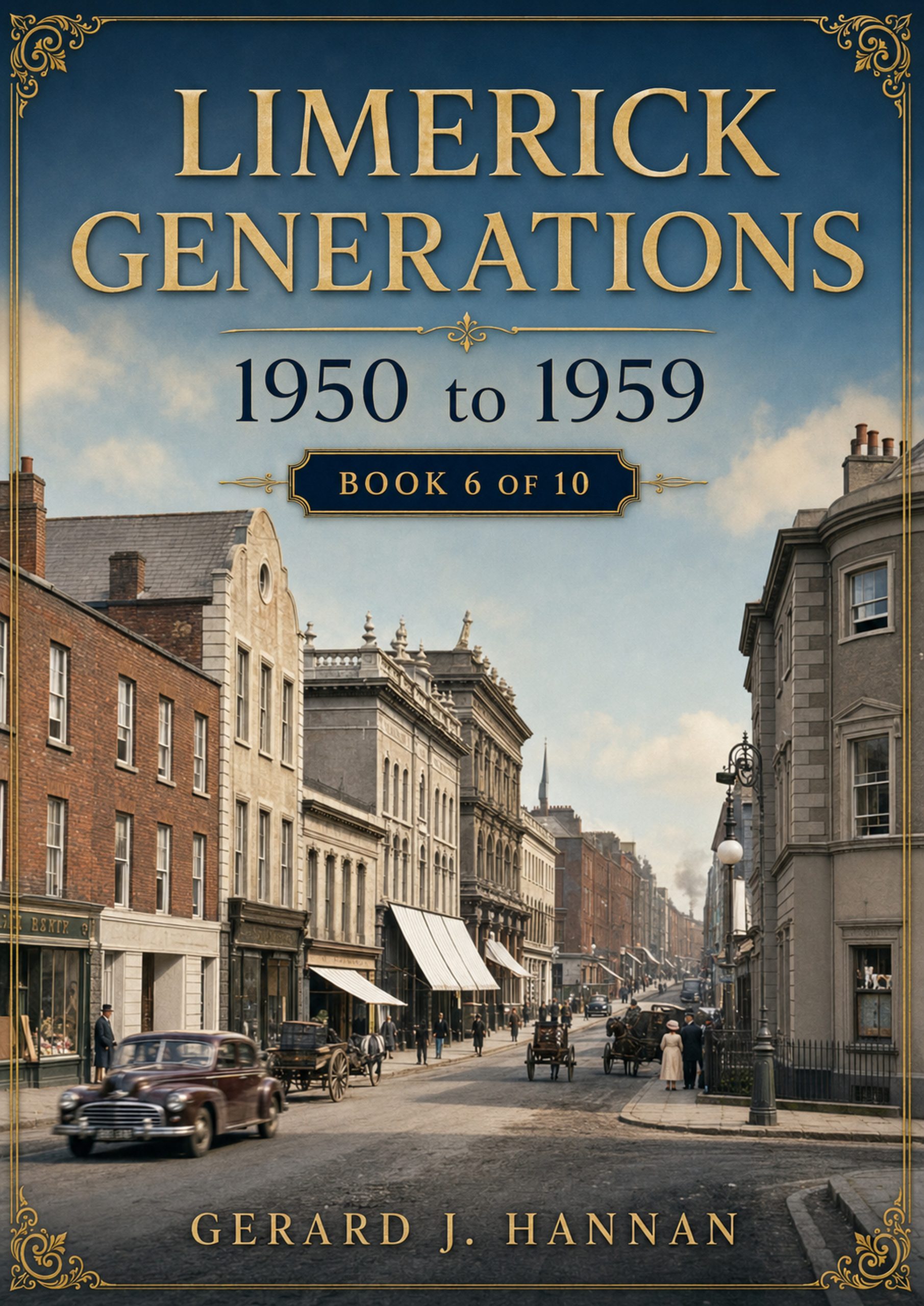
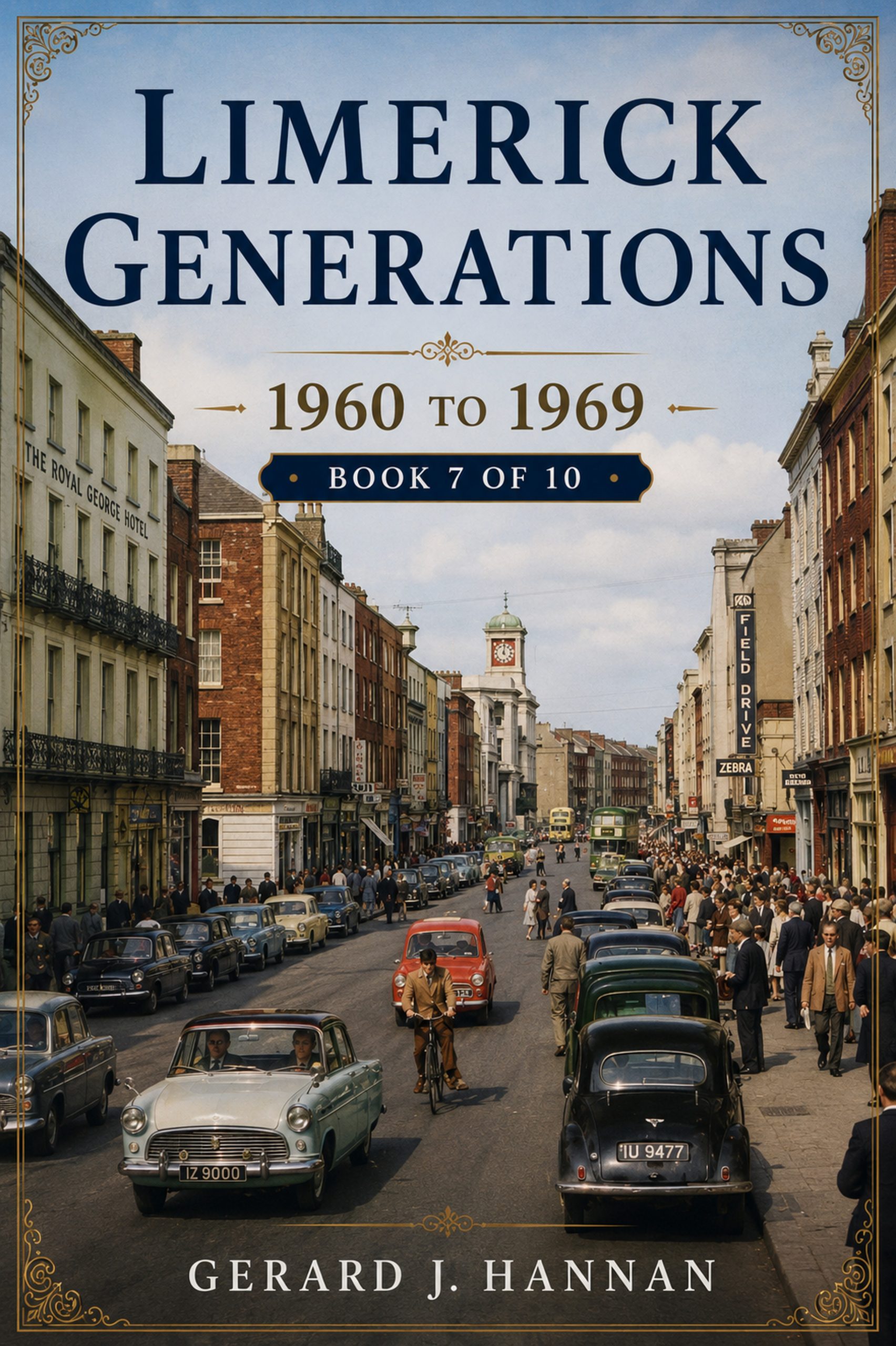
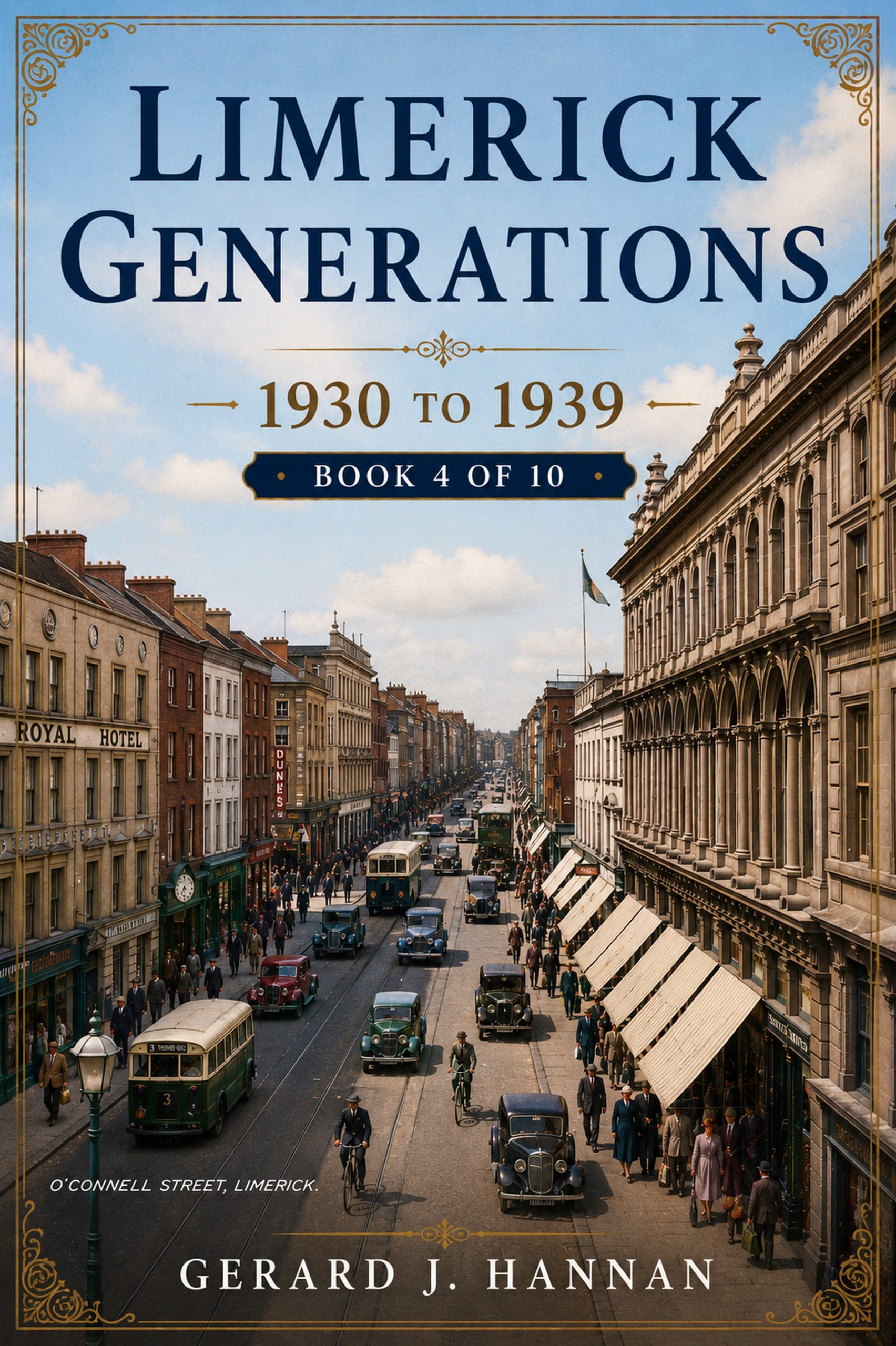
Explore Gerard J. Hannan’s published and forthcoming books, spanning historical fiction, Limerick humour, family sagas and detailed studies of local and modern Irish history. Each title offers a distinctive story, subject or perspective, reflecting his interest in people, memory, identity, conflict and social change. From comic observations rooted in Limerick life to ambitious novels shaped by major historical events, the collection presents a varied and expanding body of work. Every book is accompanied by its cover, full description and publication details, with a direct Amazon link included wherever an edition is currently available for readers to purchase or discover more.

View All Books